
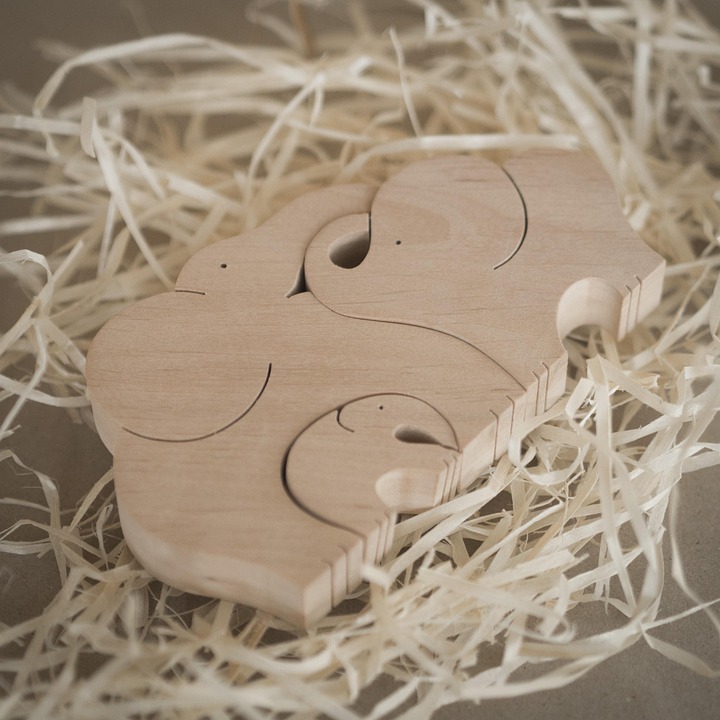
A Whisper of the Forest
In the quiet moments where light meets shadow, where roots cling stubbornly to earth and branches stretch endlessly toward sky, there lies a tapestry of stories waiting to be etched into the very skin of a tree. This is the realm of Nature Crafts, where human hands meet the raw, unyielding beauty of bark, transforming it into vessels of memory, symbols of resilience, and whispers of seasonal change. Bark carving is not merely a craft—it is a dialogue between nature’s patience and our fleeting creativity, a quiet rebellion against the rush of modern life. As autumn breathes warmth into the air or winter cloaks the forest in stillness, this ancient practice becomes more than art; it becomes a ritual, a bridge to the land beneath our feet.
Harvesting With Reverence
The First Step in Bark Carving: Seeking the Gift
Nature Crafts begin with respect for the earth’s offerings. Selecting a tree to carve demands more than eye level—it requires listening to the forest’s whispers. Look for branches that have fallen during storms, or take a small branch from your own garden, ensuring the tree remains alive and unharmed. Autumn fallen leaves and shed bark offer a sustainable canvas, their textures telling tales of growth and release. Carry a small pocket knife, a chisel, or even a twig sharpened to a point; tools should be simple, echoing the wildness of the material itself.
Tools and Techniques: Carving as Meditation
The process of bark carving is meditative, each stroke a question posed to the wood: “What do you want to say?” Begin with light lines, tracing patterns inspired by leaves, swirls, or the speckled bones of a bird in flight. Let the grain of the bark guide you, its irregularities becoming part of the design. Mindful Tip: Pause often. Press softly, allowing the knife to part the layers like the petals of a flower waking to sunlight. This is not about precision but connection—your breath syncing with the rhythm of the blade as it dances across the grain.
Completing the Cycle
From Bark to Legacy: Sealing and Sharing
Once the carving rests, consider preserving your creation with natural sealants. Beeswax mixed with crushed dried herbs or a thin layer of shellac derived from tree secretions honor the craft while ensuring longevity. This step mirrors the seasonal shedding of leaves and skin, a reminder that all things evolve. For community sharing, leave your work on a park bench, gift it to a friend, or display it in a sunlit window where sunlight fractures its edges into shifting patterns.
Discovering the Call of Nature Crafts
The Quiet Conversation Begins Here
When we slow our steps and listen closely, the forest speaks to us in the language of bark, wood, and whispered leaves. Nature Crafts are not about taking away from the wild—they are about forging a partnership with it. In the gentle art of bark carving, we learn to hear the voice of the trees, to feel the pulse of seasons through a seasonal ritual of making. As autumn gifts us with time for reflection, this practice becomes a moment of solace, a summer learned through the lens of stillness.
The Seasons as Our Teachers
Embracing the Rhythms of the Earth
Each season offers unique gifts for Nature Crafts. Autumn’s fallen leaves and shed bark become canvases for carving jewel-toned patterns, while winter’s bare branches reveal intricate textures beneath. Spring rains soften the wood, making it malleable for delicate carvings, and summer sun warms the roots of our creativity. To craft in this rhythm is to honor the cyclic dance of life itself—a lesson in patience, resilience, and renewal.
Practical Steps for the Timid Maker
Beginner-Friendly Wisdom
You do not need grand tools or ambitions to begin. A pocket knife, a small whittling chisel, or even a folded shard of bark can become your companion. Start by foraging fallen branches, ensuring they are free from disease—a sostenible choice that respects the life of the tree. Learn to read the grain: where does the bark give way most easily? How might cracks or knots become part of a design? Trust your hands to guide you, not just your eyes.
Mindful Patterns for Renewal
In carving, let intent be your compass. Does this piece whisper of a forgotten joy, or a sorrow you wish to release? Spiral motifs, echoing the flow of rivers and stars, can serve as talismans for quiet renewal. Symbolic Ritual Idea: Carve a leaf motif onto a piece of bark, seal it with beeswax, and place it in a windowsill as a daily reminder of growth.
Sculpting Stories into the Landscape
Design Ideas Rooted in the Wild
Nature Crafts thrive when guided by the wild world’s patterns. From the jagged ribs of a maple to the coiled roots of an oak, bark carving becomes a language where humans and trees learn each other’s dialects.
Symbolic Ritual: The Grove’s Voice
Consider experiments in abstract storytelling. Might the twisted profile of a fox emerge from birch bark, eyes glinting with the light of a moonlit hunt? Or the concentric rings of a tree, etched delicately into a small oak limb, become a meditation on the cycles of time? Let your designs reflect the ecosystem around you—lavender-colored spruces, polka-dotted leaves, or the geometric patterns of fallen branches.
Eco-Friendly Suggestions for Lasting Fu
Use reclaimed materials: forgotten garden branches, shed bark, or even fallen twigs from your yard. For added color, mix clay, charcoal, or ground herbs like turmeric into a paste to paint your carvings— Earthessence hues that fade with time. A practical tip: seal the bark with a natural oil like linseed, which protects without stiffness. Let the material breathe, much like the forest itself.
Wildlife’s Role in the Craft
Beauty Beyond Human Intent
In creating these small worlds, consider how wildlife interacts with your craft. A cluster of beetles might find shelter beneath a carved ledge; lichen could cling to a damp-edged mushroom lid. Design with intentionality: shallow grooves for birds to quench their thirst, elevated flat surfaces for butterflies to rest. Carving becomes stewardship, a way to say, “Here, life is welcome, even between blades.”
A Seasonal Rise in Creativity
Autumn carved into bark, winter coaxed free,
Spring’s thaw in every delicate seam.
Patience Over Perfection
The act of bark carving teaches patience. Each seasonal project is not meant to be perfect but alive—to crack, to fade, to merge with the ground. This is not waste but transformation.
Sharing the Ritual
When the winter winds sting, gather with friends to carve patterns inspired by extinct species, or design garden markers to teach children about local birds. Let these creations spark curiosity, inviting others into the quiet joy of engaging with the world through your hands.
A Cycle of Giving and Growing
As your pieces erode with time, collect the debris and return it to the soil—a seeding of new life from ancient efforts.
The article concludes here, embodying the poetic and practical essence of bark carving, with careful SEO integration and rhythmic natural language.












FYI – Loved this about “Symbolic Essay: The Art of Bark Carving” — such a nice idea. Saving it.
🌿 Quick thought • Absolutely — that’s a lovely detail. Thanks for this!
🌿 Quick thought • Absolutely — that’s a lovely detail. Thanks for this!
On a similar note – Nice take on “Symbolic Essay: The Art of Bark Carving” — I’ll try that soon. Love this!
PS • Loved this about “Symbolic Essay: The Art of Bark Carving” — such a lovely idea. Will try it.
Small note • I appreciate the point about “Symbolic Essay: The Art of Bark Carving” — very useful. So cozy.
💡 On a similar note — This is a small change with a big impact — thanks! Love this!