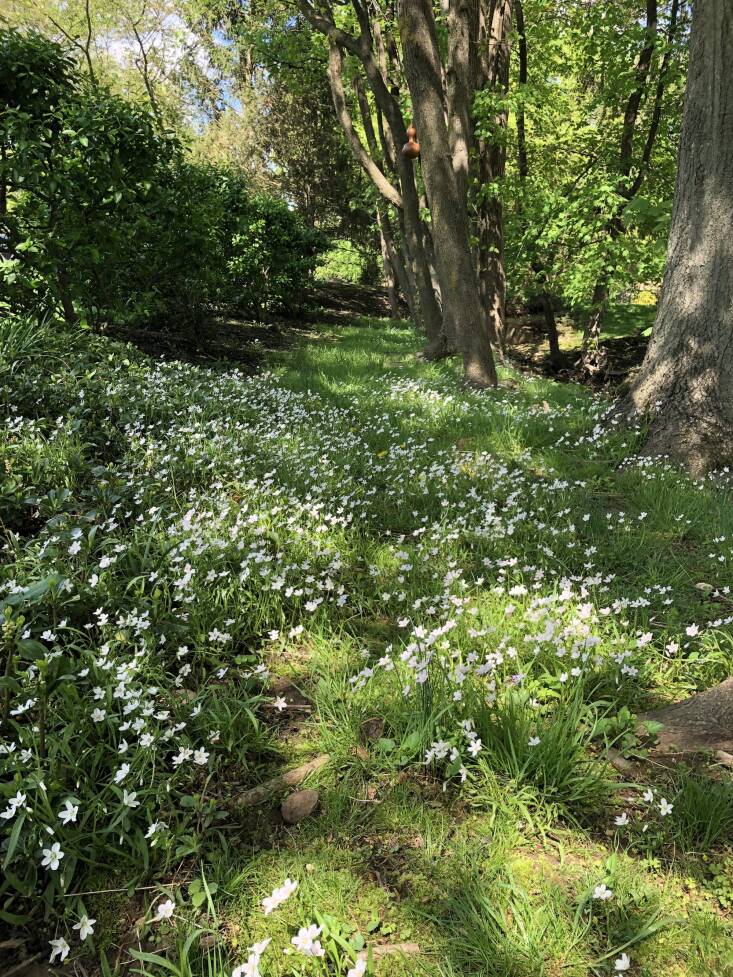
In the hush between breaths, where light softens and shadows knead the edges of time, Mindful Spaces bloom like forgotten gardens. Here, the air carries the scent of damp earth and sun-warmed linen, and every crackle of wood or rustling leaf writes a lullaby into the soul. To nurture such a sanctuary is to weave intention into the fabric of daily life, where every object, gesture, and breath aligns with the slow pulse of nature. Mindful Spaces are not merely rooms filled with beauty—they are vessels for presence, where the mundane becomes sacred, and the act of living unfolds like petals at dawn.
Seasonal Context: Breathing with the Wheel of Earth
The rhythm of the seasons breathes life into Mindful Spaces, urging us to adapt our sanctuaries to the cadence of soil, sun, and sky. In the throes of winter, when light dwindles and the world retreats inward, a space might cocoon around the glow of a single candle, the whisper of a stone hearth, and the kinship of woolen yarn threaded between hands. When spring thaws into bloom, these same walls might unfurl toward the window, doorway, and garden, where daffodils and bare branches share a waltz of renewal. Summer calls for shade-pleached courtyards and breezy hammocks that sway to the rhythm of cicadas, while autumn demands hearths lit with scrap wood and quilts stitched from harvest scraps. Each season refines how we shape these mindful havens—not as static backdrops to life’s parade, but as living dialogues with the earth’s ancient song.
Before a blade of grass stirs or the first rain drips from eaves, the mind wanders into the vast, uncharted terrain of its own restless thoughts. Here, in the unruly sprawl of daily existence, the mindful space becomes an anchor—a pocket of land where the mind may return, roots gripping the soil of presence. It is a quiet rebellion against the noise of haste, a declaration that stillness can be cultivated like soil nurturing seeds. Such spaces are not born of grandeur but of intention: a single potted herb on a sunlit sill, a basket woven from local reeds, or a wooden panel arranged to catch the slant of dawn light.
Practical Steps: Tending the Seeds of Stillness
Begin with a Blanket of Light: Strip surfaces to reveal only what carries joy or purpose. A windowsill cleared of knick-knacks might host a single ceramic dish, a dried bundle of lavender, or a crystal catching the sun’s golden hours. Let natural light draft the space first, then add warmth through textiles—a hand-spun woolen throw, a hemp-linen tablecloth—that absorbs and diffuses softness like petals in the breeze.
Invite the Woods’ Breath: Incorporate reclaimed wood, stone, or clay to mirror the forest’s enduring presence. A benchtop carved from a fallen tree’s edge, a chimney built from salvaged bricks, or floors whispered to by a hidden brook—these elements anchor the mindful space in the language of permanence.
Cultivate the Senses: Silence speaks louder when met with subtle soundscape. A small drip from a suspended seashell fountain, the click-clack of dried pea pods in a jar, or a wind chime’s whisper over a cup of steaming tea—these small orchestrations transform stillness into something alive.
- Anchor with Found Objects: Let driftwood, river stones, and pinecones from nearby woods inhabit the space. Paint them if you wish, but leave their imperfections visible—a reminder that beauty lies in the unpolished, the weathered, the real.
Design Ideas: Where Nature Meets the Hand
Symbolism here is not in ornamentation but in materiality. A wall hung with woven seagrass, twine, or macramé echoes the forest’s breath; a floor of cork tiles grounds the steps in the quiet steps of a forest path. Colors flow from the wild—terracotta for sunlit soils, soft sage for meadows, watercolor blues for sky and sea. Furniture leans toward the unvarnished: a stool made from a single log, a chair upholstered in aged linen, a shelf holding a single branch as sculpture. These choices do not shout; they murmur, inviting the eye to wander and the heart to settle.
Sanctuary Corners
Designate one nook as a crumbling altar to the mundane. A mismatched chair, a stool, or a woven mat sits beneath a hanging hammock of jute rope. Here, a stack of worn paperback novels shares space with a jar of pressed native violets and a wooden quill. This is where thoughts root, where the mind may rest like a harvested apple in a orchard crate.
The Lullaby of Textures
Layer rugs that speak of earth—jute woven with rough-hewn twine, a felted rug dyed with woad and walnut husks. Let upholstered furniture embrace corduroy, wool, or linen—the tactile poetry of materials that age gracefully.
The Mirror of Water
Incorporate mirrors to catch light, but prefer glass bottles filled with still water, polished river stones, or chrome balls that echo the sky. Let reflections stretch, never fixate.
Rituals: The Poetry of Repeated Gestures
A morning ritual might begin with a mug of spiced oat milk poured into the hourglass silence of a sunlit kitchen. Scoop dried chickweed from a windowbox planter and scatter it as confetti onto the table—each seed a whispered thanks to the earth. At dusk, brush beeswax polish onto wooden surfaces, the subtle scent of honey and hive merging with the gathering twilight. In between, carve time to kneel in the yard, hands buried in soil turning cool and damp, to breathe in the scent of dark loam and feel the pulse of roots. These rituals are not performative; they are the language of presence, spoken in hushed consonants and open vowels.
Morning Nectar
Begin the day with a glass of water infused with mint and lemon, sipped while barefoot on damp grass or scratched earth. The coolness of the liquid cools the fever of haste, while the bite of citrus and the greenness of herbs awaken the senses to the now.
Moonlit Writing
On new moons, write intentions or gratitude notes on scrap birch bark or parchment paper. Bury the notes under a hedgerow or tuck them into a hollow tree, as offerings to the unseen world.
The Hearth’s Pulse
Once a week, gather friends around a fire pit or hearth. Share stories, roast chestnuts, and let smoke curl upward, carrying words into the sky. Let the crackle of flames stitch moments together, binding community and quietude in equal measure.
Soil & Water Care: Nourishing Roots and Currents
A mindful space thrives where the soil is revered. Plant a herbal garden of chamomile, calendula, and lemon balm—each ward off anxiety, their fragrant blooms a salve for the weary mind. Harvest rainwater in clay amphorae or copper barrels, their surfaces etched with symbols of abundance. Let runoff nourish a raised bed of sunflowers or a pollinator’s patch of coneflower and goldenrod. In the garden, compost banana peels and coffee grounds rather than sending them to landfill; their decay breathes life into the soil, closing the loop of nourishment.
The Compost’s Whisper
Build a compost bin from pallet wood or stone, its structure a quiet testament to transformation. Watch as scraps of peace and patience turn to crumbly gold, a visible metaphor for inner change.
Water Wisdom
Install a drip irrigation system from repurposed plastic bottles, their geysers invisible yet life-giving. In the city, collect runoff in a rain chain that stitches the gutter to a clay pot; every drop a small act of stewardship.
Mindful Mulching
Spread straw, wood chips, or chopped leaves evenly across garden beds to suppress weeds and feed the soil. As you move, let each step be a pause, a moment to remember that waste here is simply tomorrow’s food.
Wildlife & Habitat: Feeding the Web of Kin
Invite the wild to nestle in your mindful space. Hang a suet ball in a tree or shrub, its seeds a banquet for chickadees and sparrows. Plant a pollinator-friendly patch of milkweed, bee balm, and wild bergamot, leaving some stalks standing through winter to anchor overwintering insects. Build a log pile near the garden, its decaying wood a haven for beetles, amphibians, and fungi—the unsung heroes of ecosystems. Let a small bowl of water sit on a pedestal, its surface dotted with stones for thirsty birds.
The Bee’s Ballad
In spring, scatter strands of lavender and rosemary around the garden’s edge, their scent a vocalization to bees of welcoming abundance. In fall, leave a few stems of echinacea and goldenrod uncut—their skeletons shelter pollinators through the frost.
Seasonal Projects: Weaving Time into Place
Spring: Nesting
Craft nesting baskets from dried reeds or wicker strips, filling them with popcorn kernels, dried corn cobs, or fluffy moss. Hang them in trees or wild areas—a quiet offering to nesting birds, a season’s quiet act of kinship.
Summer: Drying
Weave a sun tunnel from willow branches, a shaded canopy to dry herbs and flowers. Suspend bundles of lavender, chamomile, and chamomile in paths where their scent drifts like incense, weaving mindfulness into the air.
Autumn: Harvesting
Carve a pumpkin into a candle holder, lighting it at the solstice as a beacon for inward reflection. Press fallen leaves into a journal of gratitude, each imprint a leaf’s silent testimony to change.
Winter: Preparing
Weave a mandala from evergreen boughs on a frosty morning, leaving it to melt with the rain. Brew tea from evergreen cuttings, its evergreen a salve for winter’s ache.
Indoor/Balcony Extensions: Pocket Gardens and Light Traps
Even the tiniest nook can cradle a mindful space. A windowsill turned herb garden—basil, mint, rosemary—brings the scent of earth indoors, while windowsills draped with lace curtains soften the world outside. On a balcony, string potted herbs along the railing, their scent breeze-borne into the room. Place a terracotta bowl of rocks in a shallow dish of water, their chill a reminder of stillness in motion.
The Indoor Jardin
Dedicate a corner to a living wall of air plants and succulents, their low-maintenance presence a visual and olfactory tonic. Use recycled bottles for planting, their transparency a reminder of water’s journey from tap to sprout.
The Wind-Captured
On a balcony, let a few wind chimes from recycled metal or seashells whisper across the air. Pair them with a bench of pallet wood, cushioned with salvaged fabric, where one may sit to sip chai and watch the world unspool.
Community & Sharing: The Bloom of Shared Roots
Carry Mindful Spaces beyond the home. Organize a seed swap at a local park, where neighbors trade marigold seeds for mint divisions, their hands interlacing like rhizomes. Host a community garden where each plot doubles as a meditation space—stone chairs placed among squash vines, a central fire pit circled by midsummer solstice gatherings. When passing a child a handful of sunflower sprouts for the first time, let the gesture become a rite of passage, a shared breath between generations.
The Circle of Echoes
Build a community compost hub where neighbors donate scraps and share stories of garden struggles and triumphs. Host a monthly “herbal walk,” teaching others to identify edible plants and brew teas, the shared knowledge a thread in the collective tapestry of care.
Conclusion: The Lullaby’s Echo
As dusk settles and fireflies hum their jazz, the mindful space lingers—not as a project to finish, but as a practice to return to. Sunlit linens whisper their lullabies into the marrow, and the scent of damp soil reminds us that we are both the tender sprouts and the ancient trees. To build such spaces is to tenderize the heart’s edges, to plant wildflowers in the cracks of rush, and to find peace not in the exclusion of chaos, but in the patient dance of yielding and returning. Here, in the quiet held between breaths, we remember: we are not apart from the earth, but drawing its breath, leaf by leaf, breath by breath, into the quiet dawn.
Mindful Spaces, when nurtured with reverence and care, become less a destination than a living meditation—each season’s shift a hymn, each ritual a heartbeat. The pebbles at your feet, the breeze through the curtains, the rain on the roof: these are conversations with the wild, calls to stay present, to stay kind, to stay here. And in this holding, we find the quietest kind of freedom.