
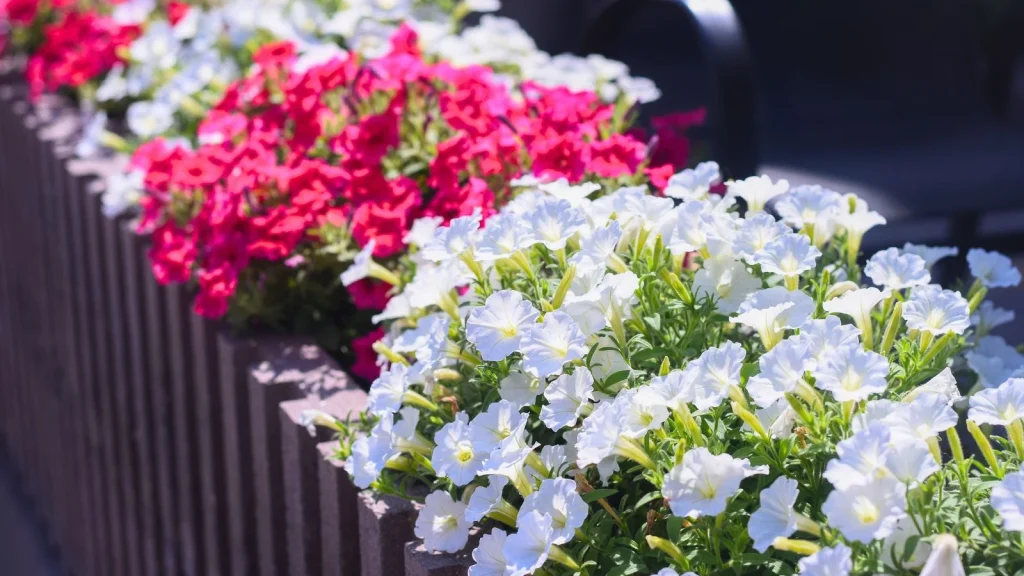
Keep annuals blooming. A brief context to set expectations.
Keep annuals blooming: Quick notes
There have been a few times that I wanted to keep annuals blooming even longer than they did in my garden. I looked up tips and tricks, only to find that it all starts in the planting process. The solution was simple: the right care and attention, coupled with the right actions, bolstered blooms throughout the season.
Part of the problem was that my trips to the nursery were ill-timed. I went in the spring and chose the plants that were blooming, not thinking that spring might be their only season. Then I planted them in the ground and let them do their thing, expecting prolific blooms for much longer than they could provide.
For those that did have long bloom times, I missed a few essential maintenance tasks that would promote even more flowers. Once you learn how to remedy these issues, it’s easier to have the blooms at the times that you want them. Sure, things happen in the garden that are out of my control, but mostly things are blooming on schedule (as the climate will allow).
Bridal Bouquet
Pollinator’s Paradise Seed Bundle
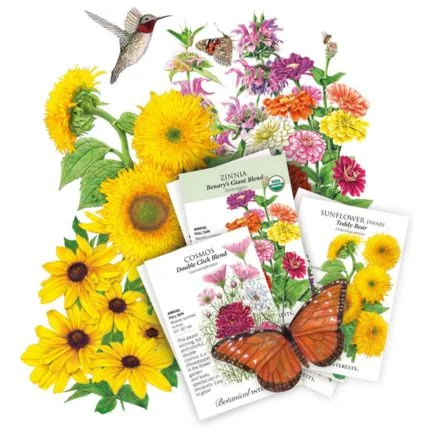
Pollinator’s Paradise Seed Bundle
Cut Flower Garden Seed Bundle
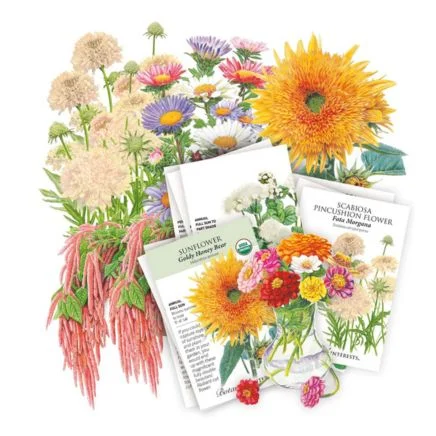
Cut Flower Garden Seed Bundle
Plant the Right Ones
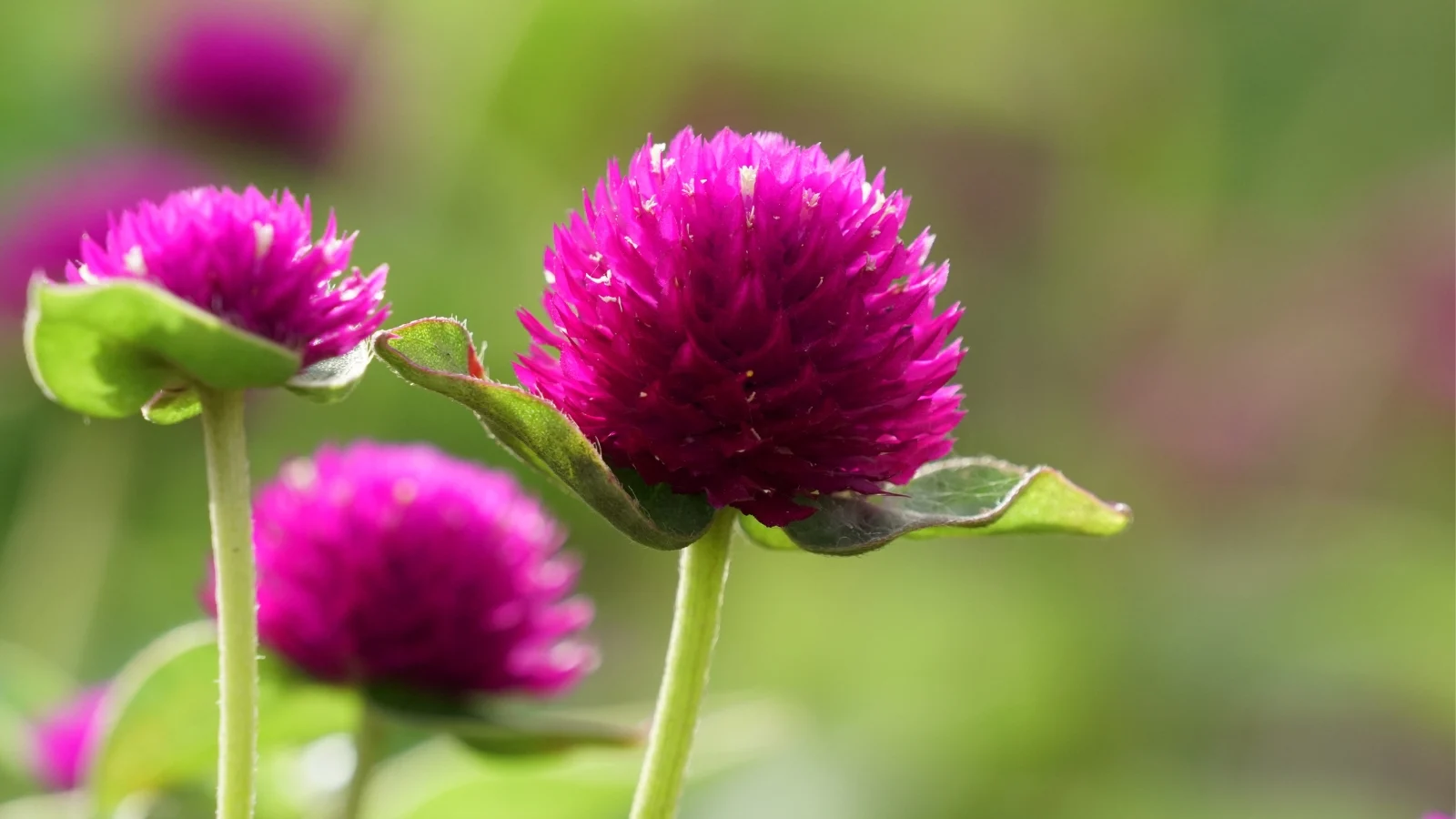 Don’t start with short-season annuals.
As I mentioned above, the main way to keep annuals blooming is to pick those that continuously bloom. Some annuals are ephemerals, which only arise and bloom in spring. These will rise early in the season, open their petals for a few weeks, and then cease blooming. While having these around is lovely, they just won’t continue to flower as long as you might like.
So start with a list of annuals that have long bloom times, and continue to plant these through summer. This ensures consistent blooms through the season. You can do more to promote better blooming, but this is a great start. Use this list as a starting point to locate long-blooming annuals in your area. Focus on natives and adapted plants for the best results.
Common NameScientific NameZinniaZinnia elegans, Z. peruviana, Z. haageanaSunflowerHelianthus spp.Plains coreopsisCoreopsis tinctoriaFirewheelGaillardia pulchellaGlobe amaranthGomphrena pulchellaPetuniaPetunia spp.
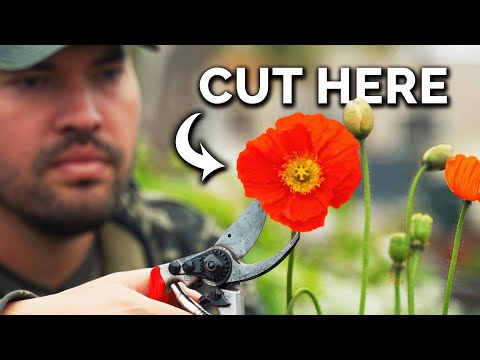
Deadhead Them
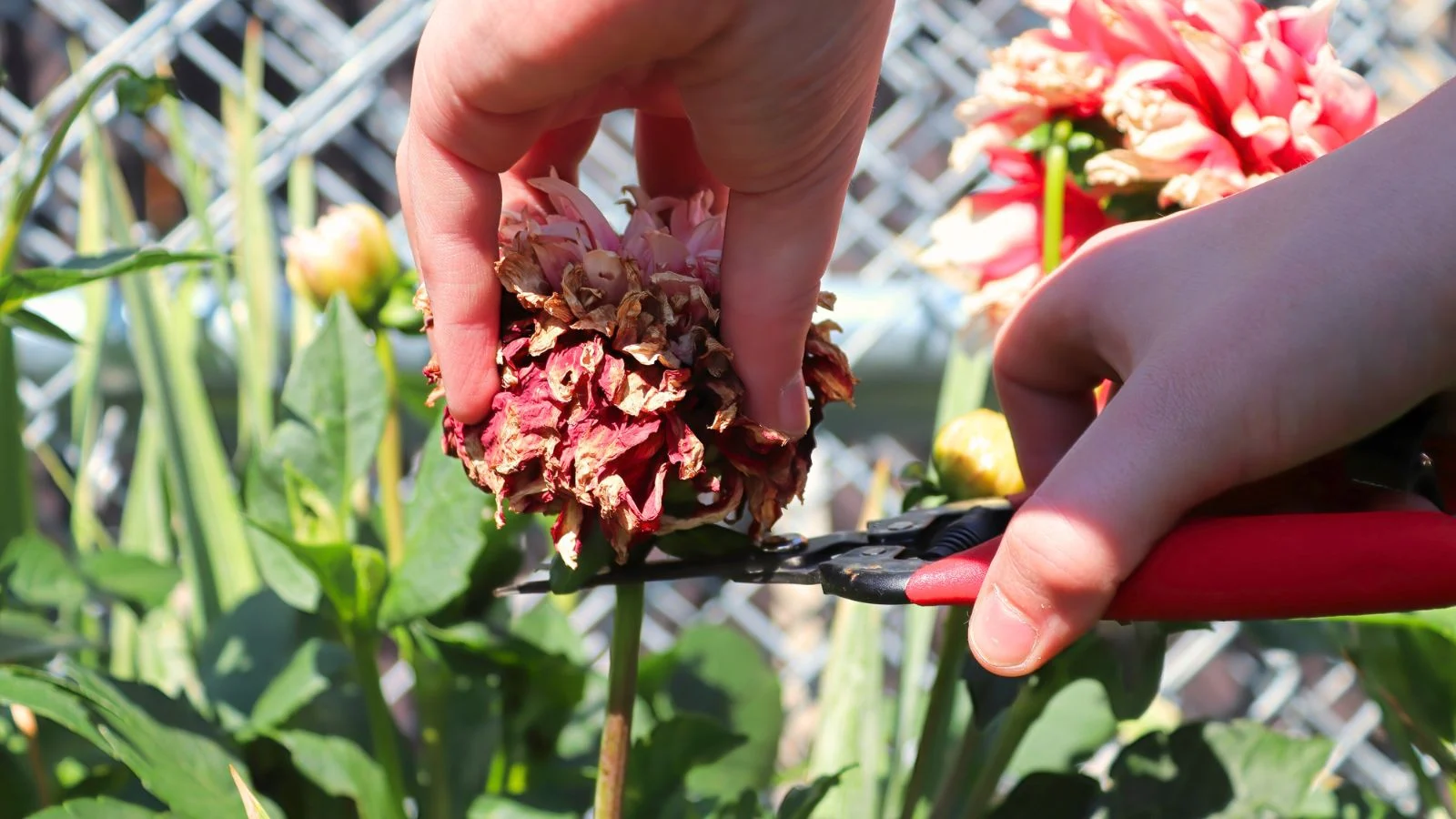 Trim regularly to encourage more blooms.
The right maintenance will keep annuals blooming all summer. Deadheading your flowers is one such way to improve their flower production and promote more blooms through the season. You can deadhead as soon as your flowers start to fade. Leave a few to develop into seeds if you want the stand to spread next year.
Not all flowers need deadheading. There are self-cleaning petunias, for instance, that simply drop their petals once they’re done blooming. You can help them by gently pulling on those that have faded, but generally, they don’t need assistance. For repeat bloomers, like zinnias and coreopsis, deadheading will help the plant bloom again more quickly.
Water and Feed
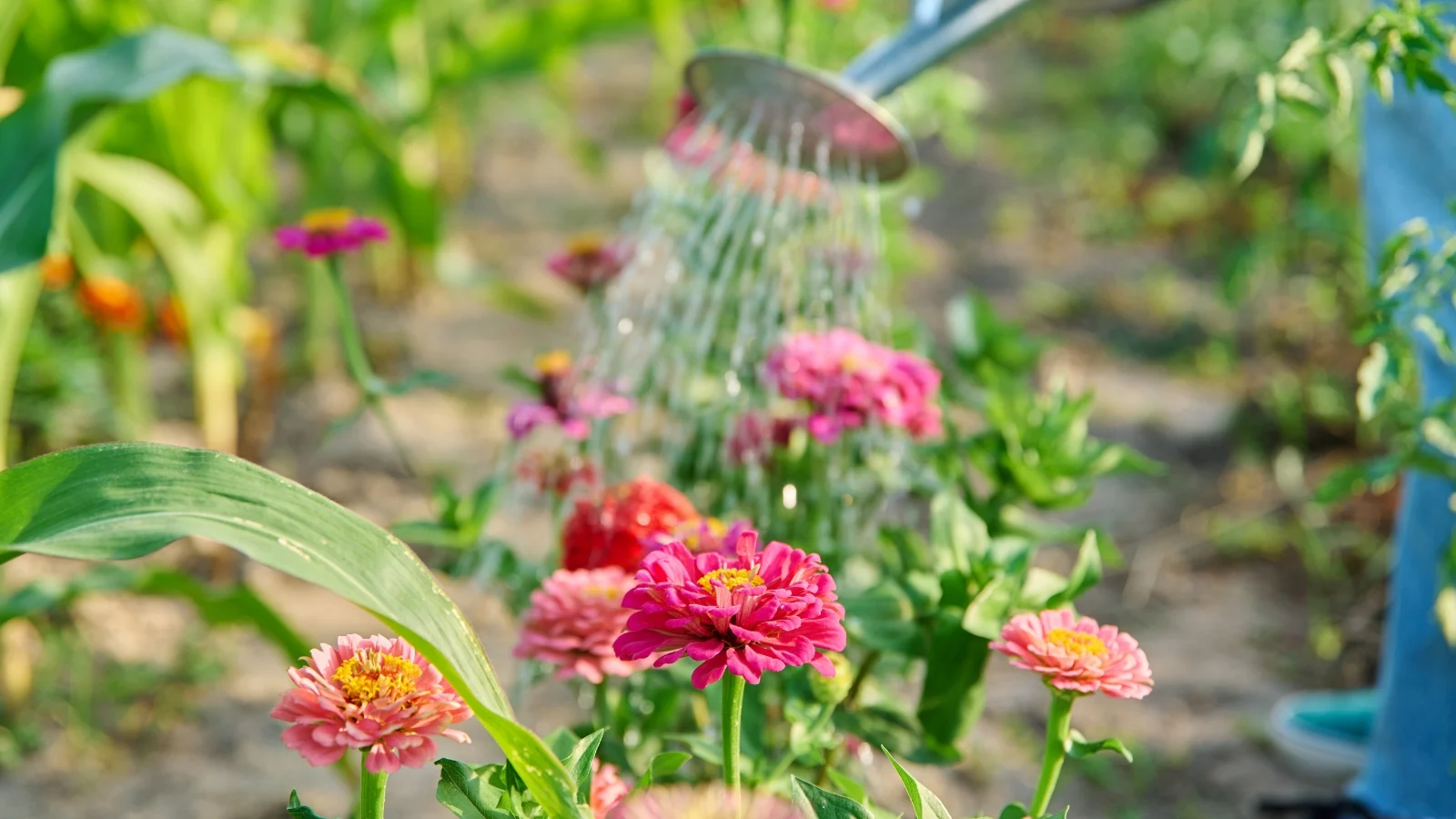 An extra boost of nutrients will prolong the season.
While this may seem so basic that it’s not worth mentioning, insufficient watering can be the main culprit for a lack of blooms. Adapted plants and natives may not need additional water unless it gets really hot and there’s not much rain. But more sensitive annuals need moist soil to really pop off.
Similarly, proper nutrition is key to lots and lots of flowers through the summer season. Set your flowers up for success by planting them in the appropriate soil composition. While natives are often suited to your soil as it is, almost every plant will do better with some compost worked into the soil at planting. Organic mulch protects plants sensitive to heat.
This is especially true for common annuals, like zinnias, cosmos, and petunias. They appreciate the moisture retention and better nutrient exchange that compost brings. Some flowers need additional fertilizer after planting to promote the best blooming period possible. Do some research to determine if yours need that, and always use organic fertilizers according to the label and plant’s needs.
Make Space
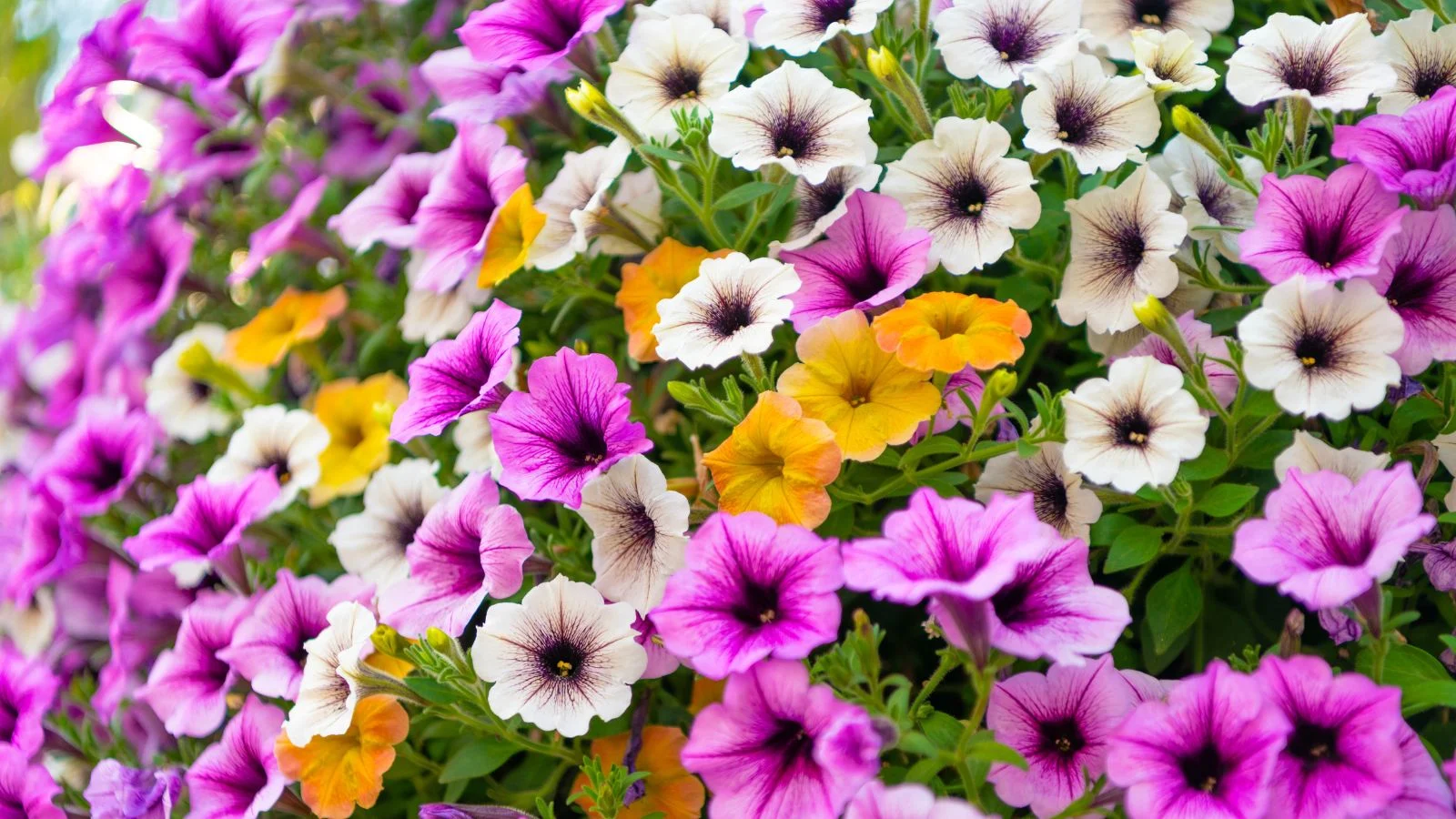 Space carefully when sowing seeds.
Sometimes plants that are too close to one another can have a harder time flowering. If you want to keep annuals blooming through the entire summer, ensure they have enough space to do so. While you don’t have to follow the spacing directions on a seed packet to the letter, too close a planting can inhibit blooms depending on the plant.
If you notice that blooming seems to be low, you can move plants around to remedy the issue. While not every plant will respond well to transplanting (like zinnias and sunflowers), some will. If you know the transplant won’t work out, it’s ok to clip them at their base to help the rest of the plants out. Select the least vigorous in this case, and compost them.
Let Them Seed Out
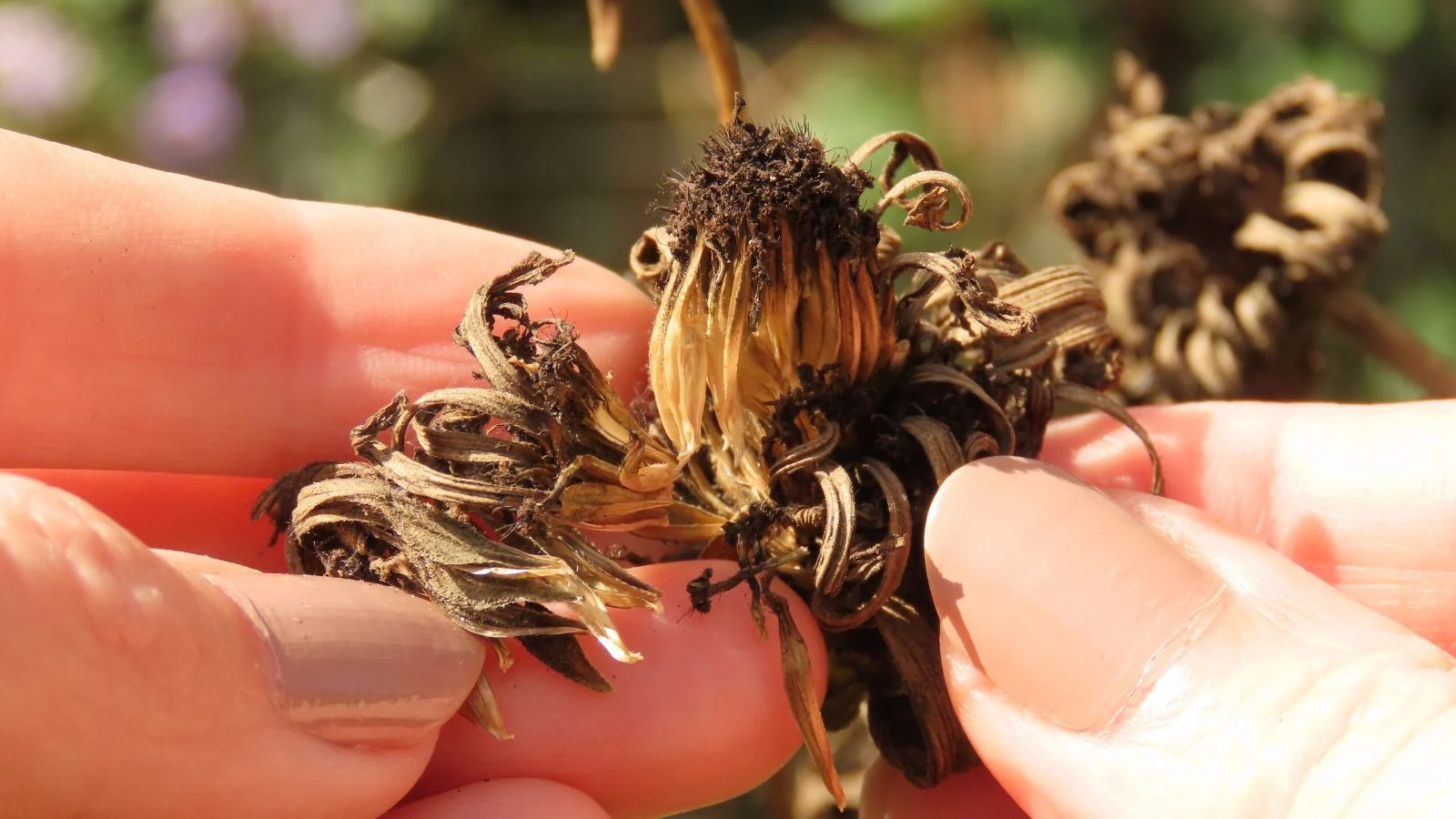 At the end of the season, stop deadheading.
On the opposite end of the spacing spectrum is letting your annuals seed out at the end of the season to give you more blooms next season. Instead of deadheading all your plants, leave a few annuals to develop seed heads. They’ll reseed on their own and spread out next season.
Not all annuals have viable seeds. Some cultivars are sterile, and many of the most popular bedding annuals do not develop seeds that grow into new plants. Go ahead and deadhead these. But for others, it’s nice to have a larger stand of flowers next summer.
Remember to temper this bit of advice with our previous tip. Some annuals need adequate space to grow plentiful, large blooms. For areas that are already full, collect the seeds and spread them elsewhere next spring.
Key Takeaways
It’s not hard to keep annuals blooming all summer long. It just takes a good foundation and some attention through the season. Keep these things in mind to have tons of lovely annual flowers that make the garden shine in warm seasons.
- Choose long-blooming annuals that already have a habit of flowering throughout the season.
- Deadhead flowers that need it, and leave those that don’t. Make note of any self-cleaning flowers you plant in your garden, and let them do their thing.
- Water your plants appropriately to support healthy flowering.
- When you plant, include any necessary soil amendments.
- Feed plants that need additional nutrition through the season with organic fertilizers used according to the label and plant needs.
- Ensure you use proper spacing to give your annuals room to flower.
- Let self-seeding annuals spread out by letting them go to seed at the end of the season. This gives you more blooms next year.











Such a warm note about “5 Ways to Keep Annuals Blooming all Summ” — lovely. Love this! ☕
Small note • Beautifully done; the instructions are easy to follow. Saving it 🌿
On a similar note: I agree — that’s a helpful perspective. Will try it ☕
On a similar note — Nice and clear — thanks for the step-by-step 🌸
Small note: Well said — couldn’t agree more. Love this!
Heads up – A gentle, thoughtful post — brightened my morning. Great share.
On a similar note – This tip on “5 Ways to Keep Annuals Blooming all Summ” is so useful — thanks for sharing. Love this!
PS · So helpful — thanks for pointing it out.
PS · So helpful — thanks for pointing it out.