
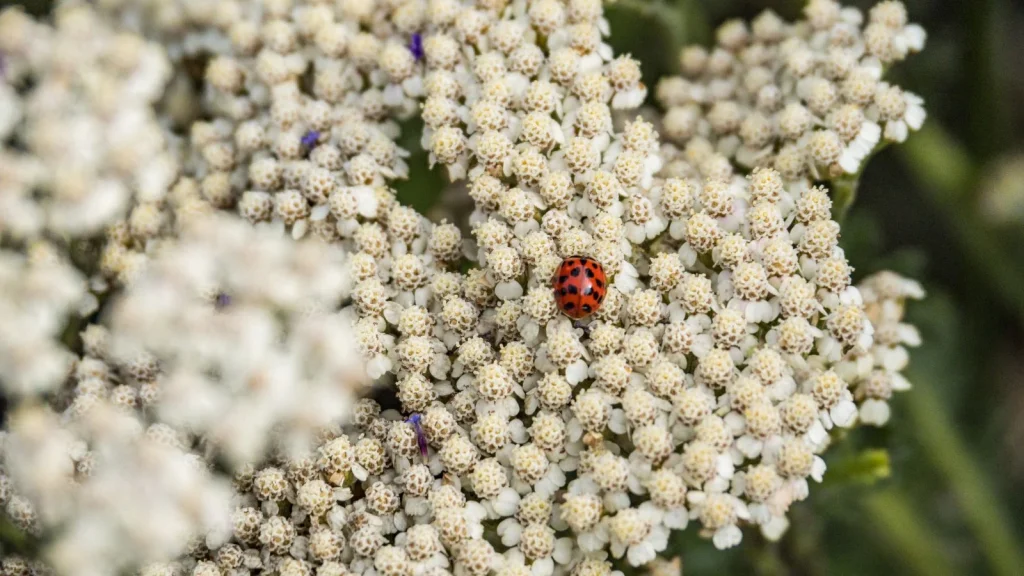
When we say “natural pest control”, we mean non-chemical. Even organic sprays are chemicals, and you can grow a garden without them. Leave these as a last resort, and use other strategies first. You may find you’re using sprays and dusts a lot less when you do.
The culture of your garden is your first line of defense. How you weed, what you plant, and your timings all influence how well your garden grows. When pests arrive, as they inevitably will, mechanical controls become your second defense. Barriers, strong water streams, and sanitization all help you keep pests at bay.
This is our focus here in this piece. We focus on the mechanical and cultural controls, which directly influence biological controls, or the beneficial insects that eliminate pests for you. By focusing on these areas, you avoid chemicals that can make matters worse.
Pollinator’s Paradise Seed Bundle
Pollinator’s Paradise Seed Bundle
Small Space, Big Harvests Starter Mix
Small Space, Big Harvests Starter Mix
Just Tell Me What to Plant Starter Pack
Just Tell Me What to Plant Starter Pack
Grow Flowers
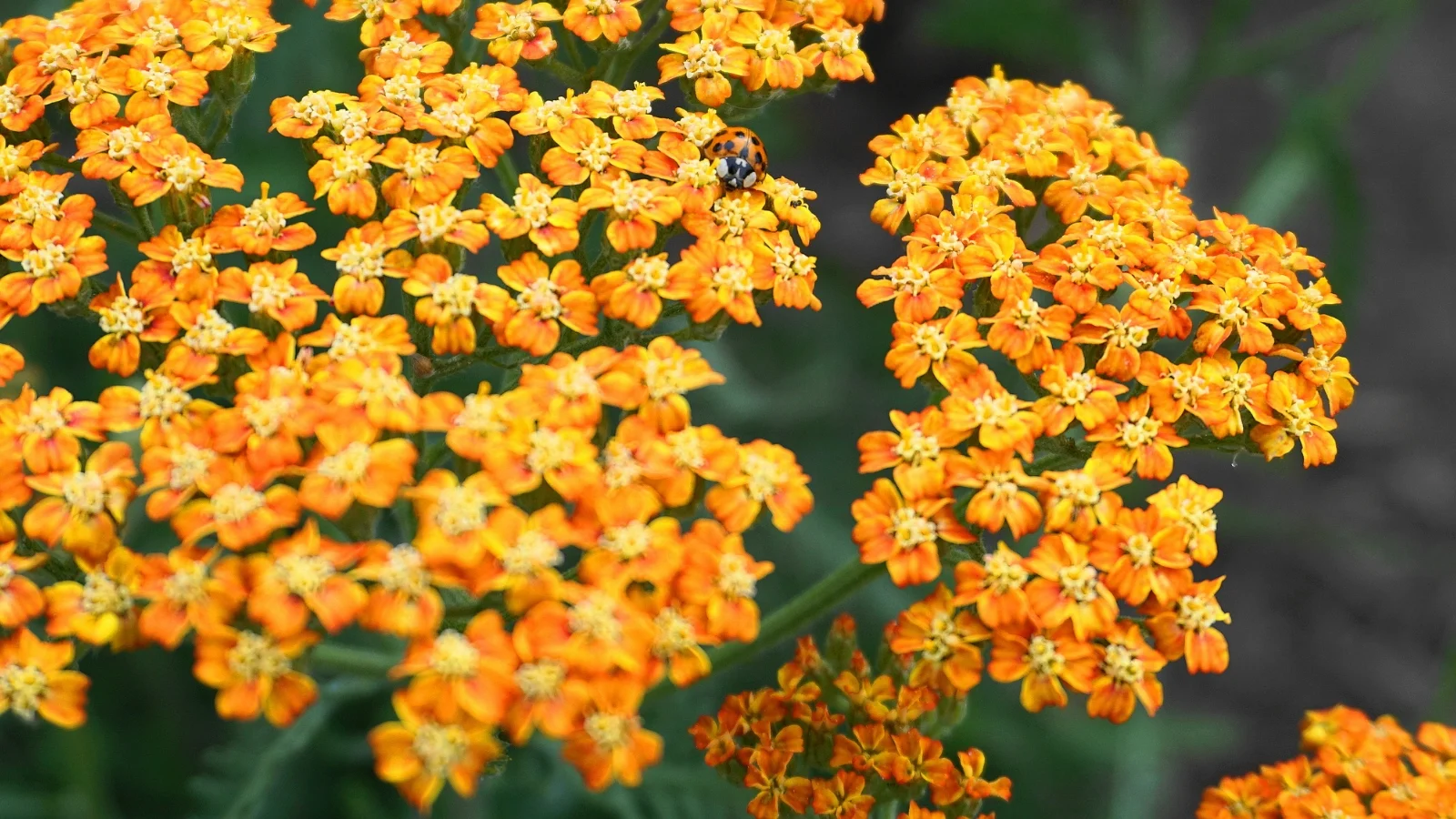 Native flowering plants support the predatory insects that feed on garden pests.
We mentioned biological controls above. To bring in predatory insects that provide natural pest control, you need flowering plants. The best ones are native to your region. These bring in plenty of local hoverflies, parasitic wasps, beetles, spiders, and plenty of solitary bee species.
You don’t have to plant solely natives, but you’ll get the greatest benefit from them. If you need a few ideas of what to plant, here are some options that will attract beneficial predators to your garden. Note that there are even more beneficials attracted to these plants than those that are listed.
PlantBeneficial InsectsYarrow (Achillea millefolium)Lacewings, hoverflies, ladybugs, pirate bugs, parasitic waspsDill (Anethum graveolens)Tachinid flies, hoverflies, ladybugs, pirate bugs, parasitic waspsBlanketflower (Gaillardia spp.)Hoverflies, predatory waspsCoreopsis (Coreopsis spp.)Ladybugs, hoverflies, predatory beetlesMilkweed (Asclepias spp.)Ladybugs, hoverflies, parasitic wasps, pirate bugs
Use Barriers
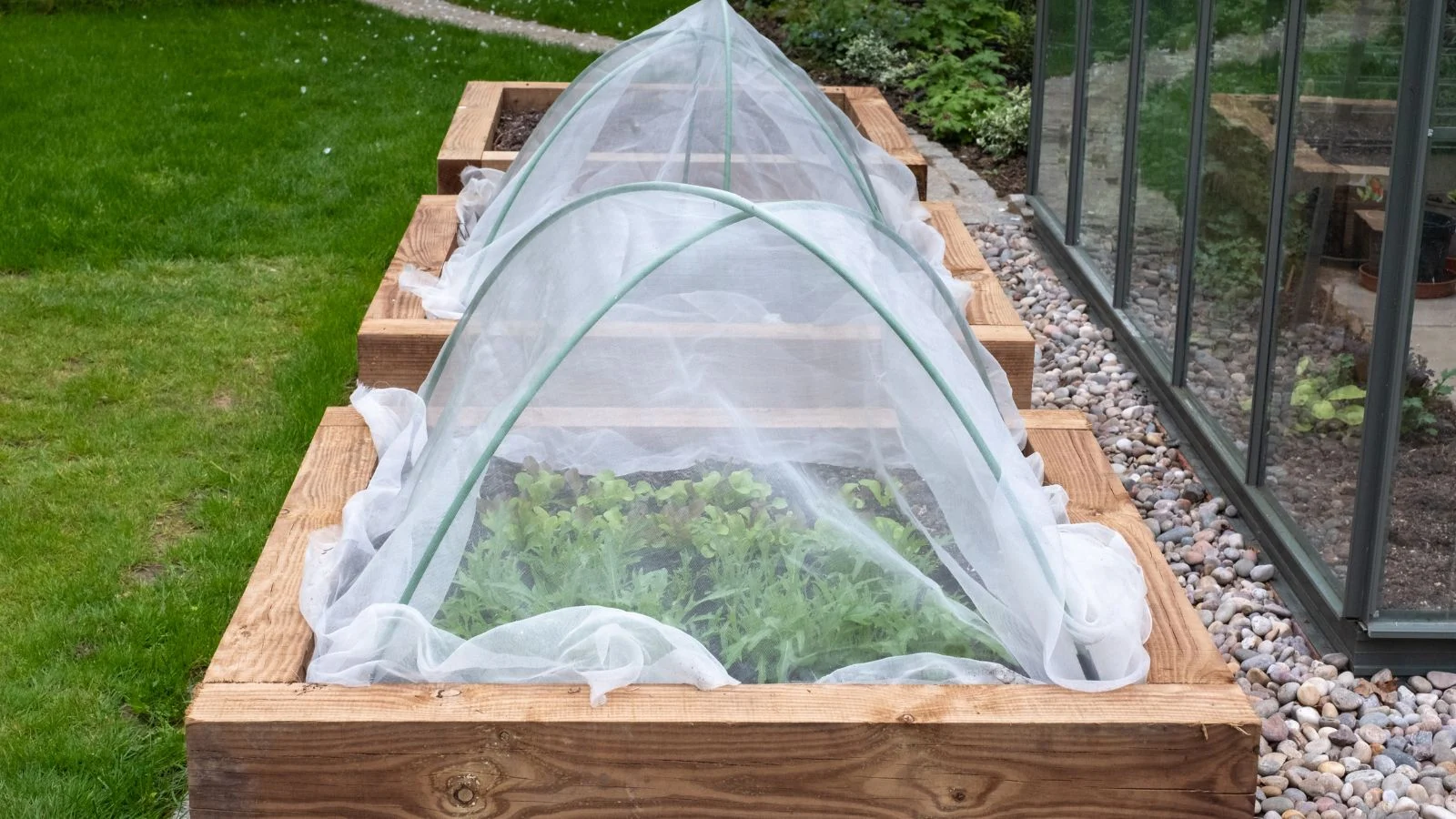 Lightweight covers block early-season pests while letting in light and rain.
Early in the spring season, prolific pests like flea beetles, cutworms, and armyworms can wreak havoc on your garden. In these early moments, when plants are just getting established, these common pests are just waking up, and they’re hungry. Instead of spraying them to death, block them from access to your plants with barriers.
A small cage with a UV-penetrating cover is a great form of natural pest control. Your spring plants still receive the sunlight and rainwater they need to thrive, but external pest access is blocked. For larger areas, seek out row covers, which come in long sheets or in small modular covers you can place over raised beds.
Employ Trap Crops
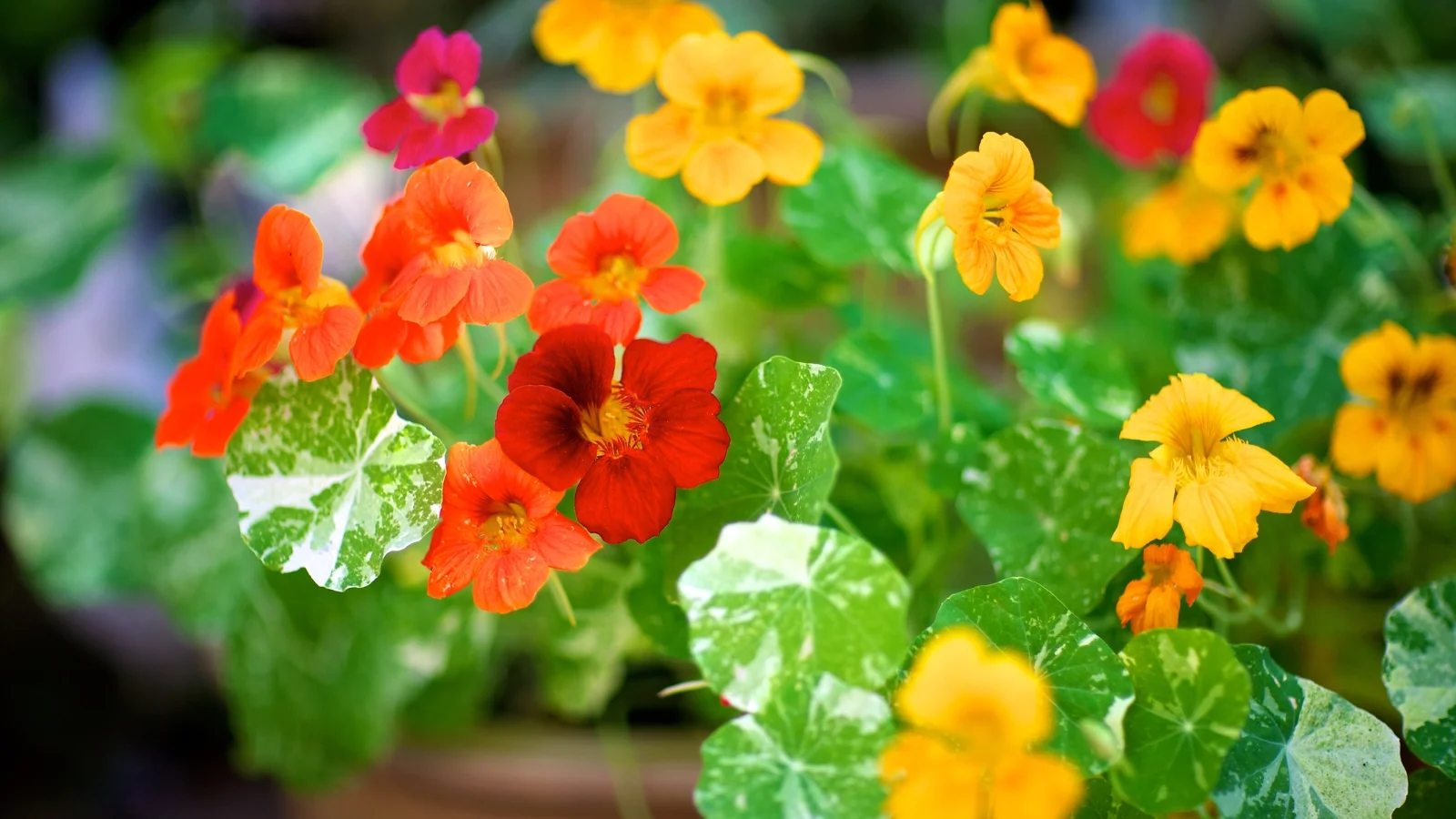 Plant a sacrificial crop nearby to draw pests away from what you want to protect.
There’s a lot of confusion about trap crops, but when they’re employed appropriately, they work amazingly as a natural pest control method. In vegetable gardens, it’s almost essential to have a few trap crops to keep aphids, mites, and caterpillars at bay. I know if I didn’t use them, pests would proliferate more and more year after year.
There are stipulations to trap cropping effectively. But basically, you plant your trap a few weeks before your more sensitive crop. Then plant the one you want to protect three to eight feet away. As the pest numbers increase on the trap, remove it and throw it away, keeping it out of the compost pile.
This method is usually used in veggie gardens, but it can be employed in ornamental gardens too if you want to try it out. Use trap crops in combination with other techniques on this list for the best results.
Mulch Your Garden
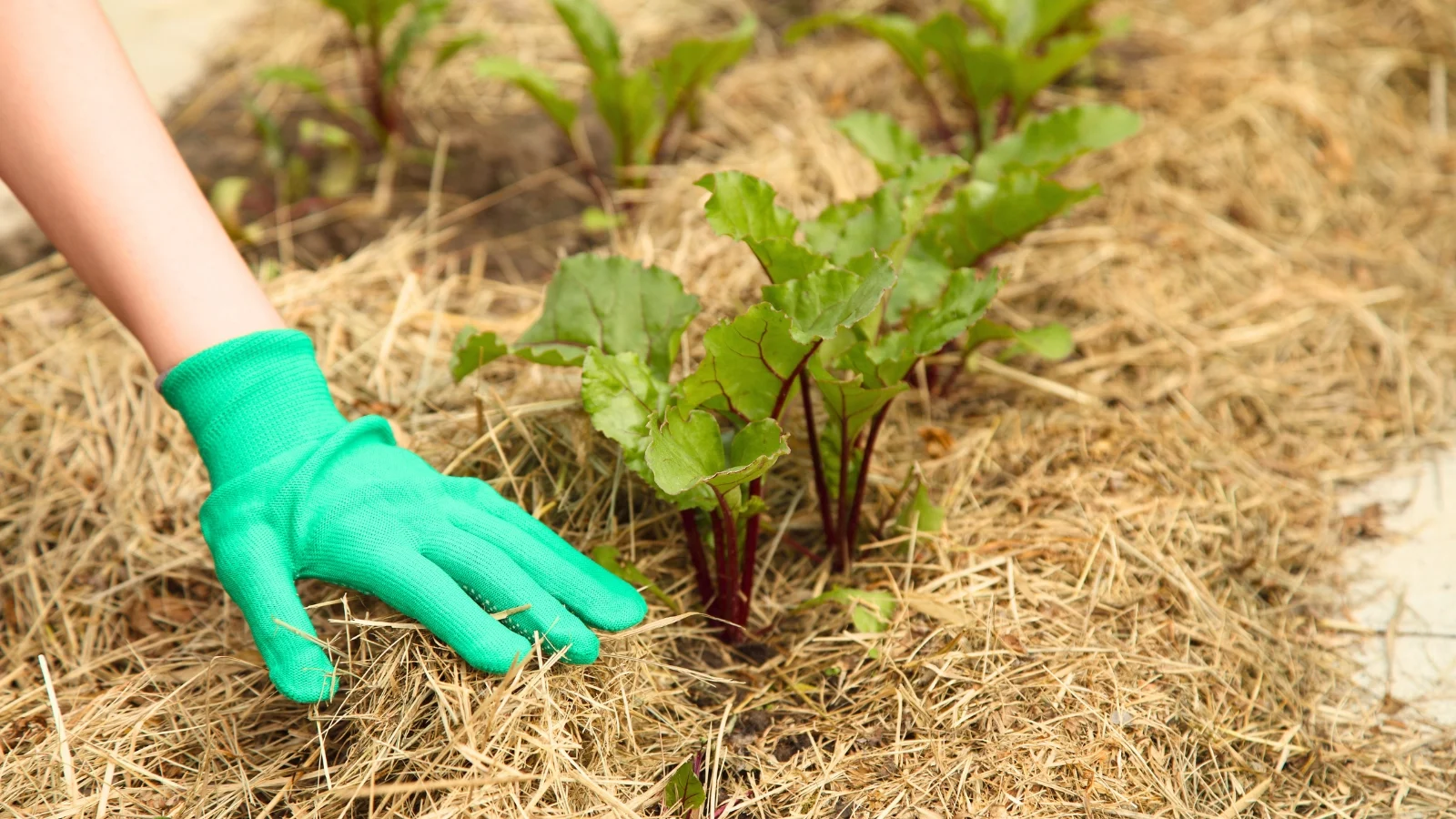 Mulch reduces water splash that spreads soilborne diseases to leaves.
You’ve likely heard about using mulch to keep weeds out of the garden and to improve moisture retention. But did you know that it is also a great form of natural pest control? Organic mulches are effective in limiting thrips and leafminers. They keep soft-bodied pests, like snails and slugs, from reaching the base of plants.
They’re also excellent for keeping diseases out of the garden. By reducing water splashing up from the soil, fungal and bacterial pathogens don’t reach foliar areas where they can take hold and cause problems.
Locate Conveniently
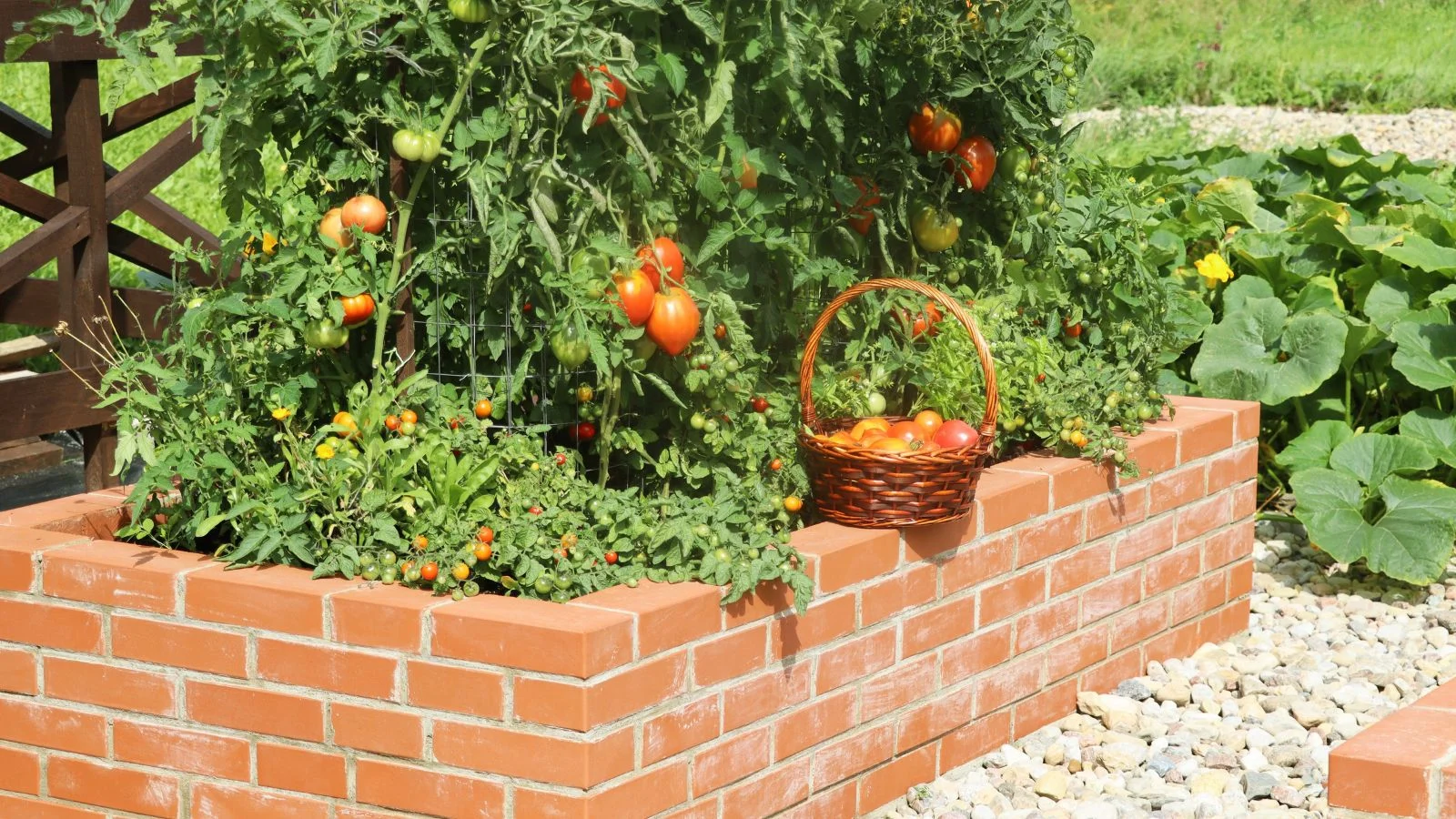 Keeping plants where you can see them daily makes pest problems easier to catch early.
One of the best changes I’ve made in my garden recently is keeping all my cultivated plants in a convenient locale. I let my natives do their thing in the further reaches of the yard, and keep my tomatoes, herbs, and other veggies close to my kitchen, on my back porch.
If you can, always plant your more sensitive plants where you can see them or at least get to them easily. Check on these every day. The best form of natural pest control is consistent monitoring.
Weed Your Garden
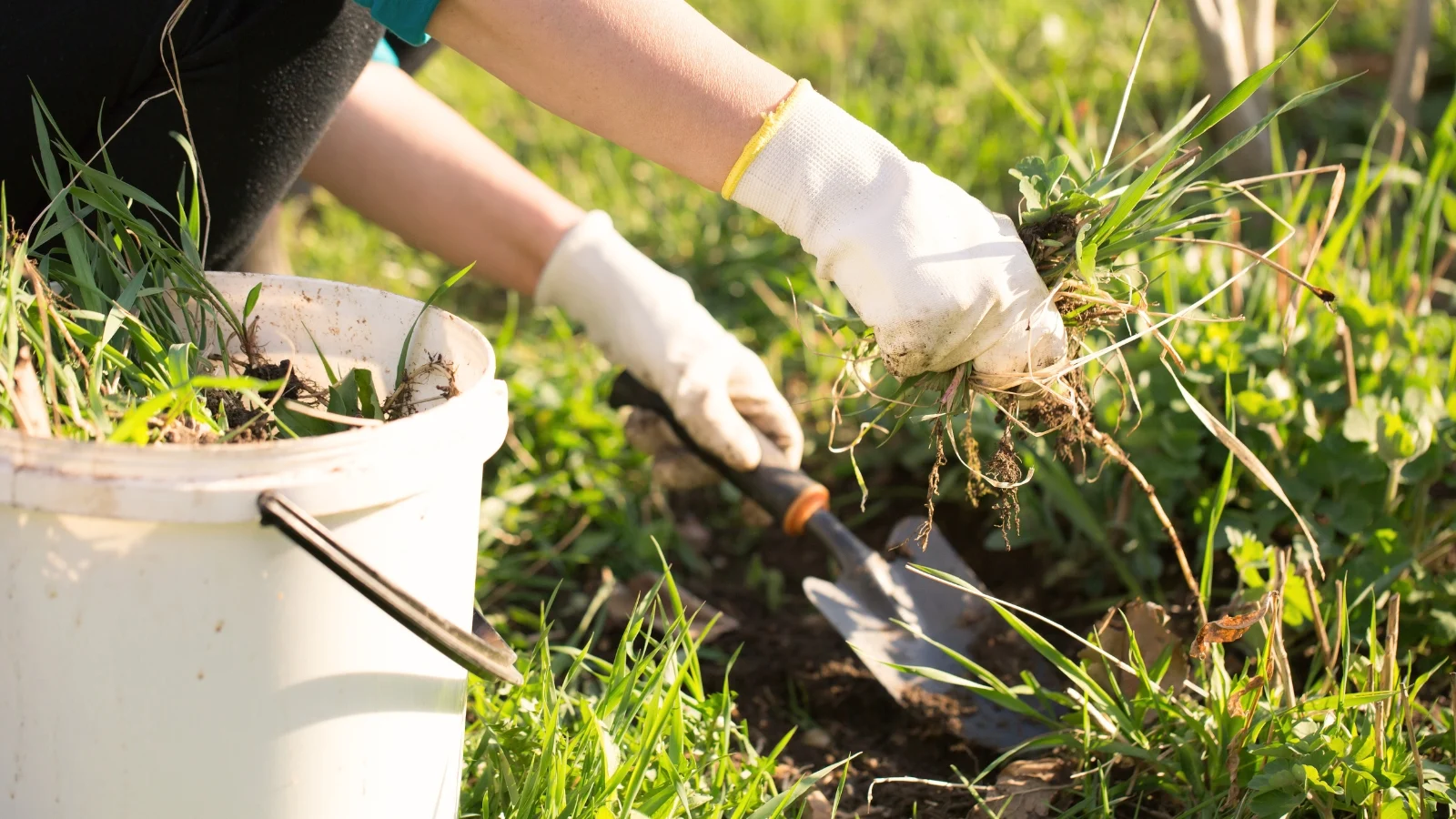 Weeds near garden beds can harbor insect pests and diseases.
This technique is kind of a reverse form of using barriers to keep pests away. Multiple perennial and annual weeds actually host insect pests and diseases. So keeping these out of your garden and away from borders makes it harder for those pests to make their way to your plants.
This starts in early spring when the first weeds emerge. Try to catch them at the “white thread” phase, when they’re easiest to pull. If you missed that window, try to pull them at a more mature stage, or use a hand trowel to remove them, root and all. Even chopping them down will prevent pests from reaching the garden bed.
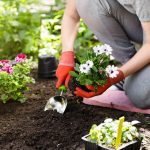
Companion Plant
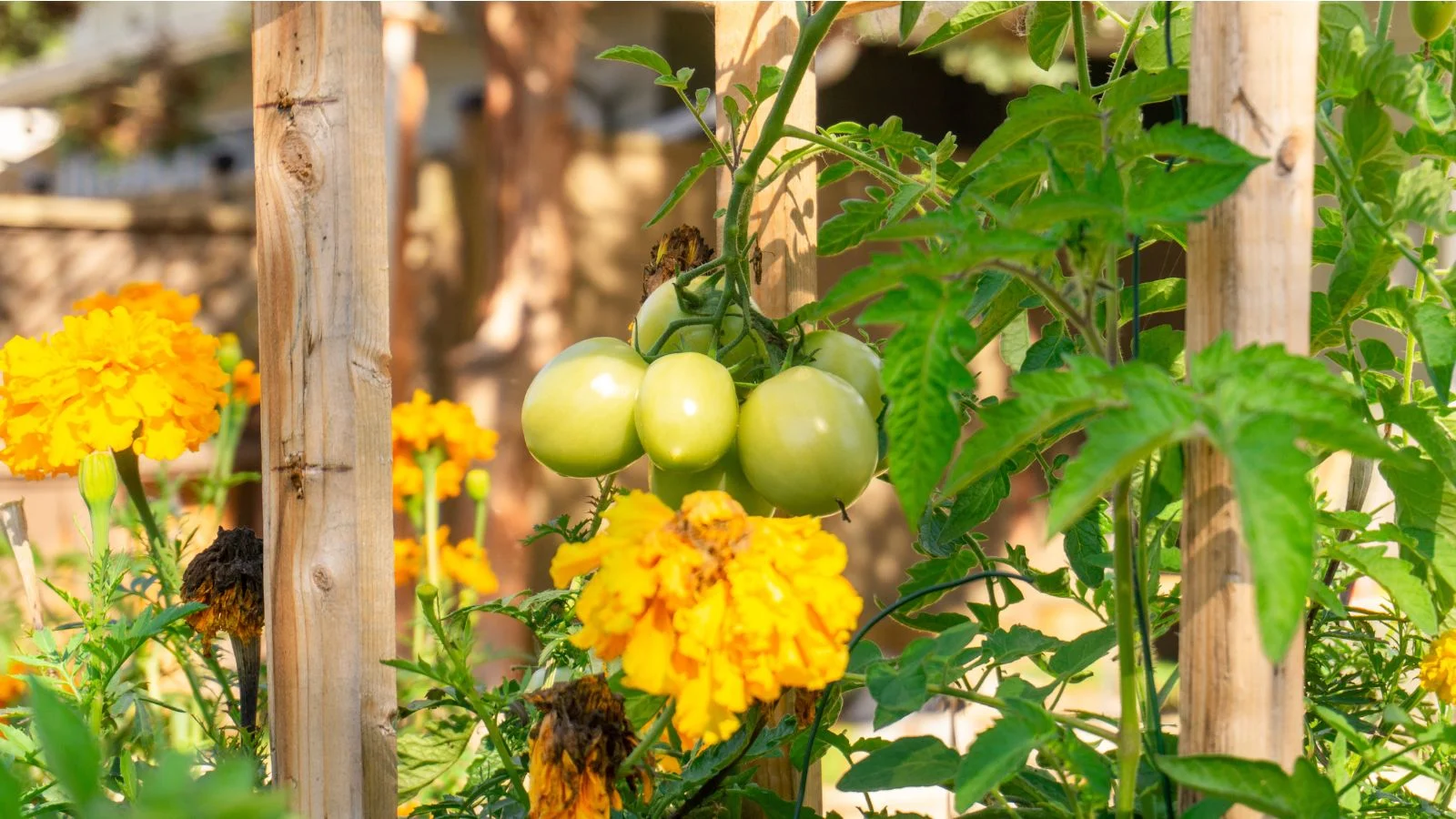 Pairing plants strategically can attract beneficial insects and deter pests.
We touched on this before with trap cropping and planting flowers, but there are numerous ways to companion plant and provide varying forms of natural pest control. Companion plants attract beneficial insects, repel pests, complement nutrient exchange between plants, and enhance biodiversity. All of these are excellent forms of natural pest control.
There are almost limitless combinations you can plant in your garden. It’s worth taking a look at a list to see if you can maximize the production in your garden, and keep the pests away.









Quick thought: This brightened my feed — lovely share. Love this! ☕
Looks inviting — I want to try it out 💡
Heads up – Nice thought — I’ll remember that. Love this!
Heads up – Nice thought — I’ll remember that. Love this!
Heads up – Nice thought — I’ll remember that. Love this!
Heads up – Nice thought — I’ll remember that. Love this!
Heads up – Nice thought — I’ll remember that. Love this!