Introduction
In the quiet embrace of the forest, where sunlight filters through the leaves like whispered secrets, life thrives in cycles. The earth exhales, the air inhales, and in this eternal dance between giving and receiving, the art of Eco Living finds its muse. The alchemy of compost and clay becomes a metaphor for transformation—not just of soil, but of human spirit. Here, we discover that the heartbeat of sustainability beats in rhythms older than memory, where decay becomes nourishment, and simplicity becomes sacred.
For those who wander the path of mindful gardening, Eco Living is not a trend but a timeless refrain. It is the scent of damp earth in autumn, the warmth of clay in sunlit hands, and the satisfaction of nurturing something greater than oneself. This essay explores how the blend of compost and clay, two elemental gifts of the land, mirrors our inner journey toward harmony. From seasonal rituals to tranquil design ideas, we will uncover ways to weave sustainability into daily life with grace and intention.
Seasonal Context
The seasons are nature’s own alchemists, transforming the landscape with quiet precision. Each phase carries its own energy, inviting us to align our rhythms with the earth’s grand choreography.
Spring: Awakening
As thaw breaks the frost’s grasp, spring becomes a time of renewal. Seedlings emerge like curious children, and compost becomes a cradle for new life. The act of mixing organic waste with clay to aerate heavy soils becomes a symbolic ritual, blending death and rebirth. Here, Eco Living begins in earnest, as we learn to listen to the soil’s whispers.
Summer: Abundance
Summer’s heat intensifies, yet it is a season of balance. Clay pots, cooled by the night air, provide respite for thirsty plants. Compost tea nourishes gardens during dry spells, reminding us that even parched earth holds the promise of moisture. Outdoor spaces become sanctuaries for quiet reflection, where the hum of cicadas merges with the rustle of leaves.
Autumn: Release
Autumn’s carpet of fallen leaves and spent harvests speaks of letting go. Compost heaps swell with kitchen scraps and garden debris, symbolizing the release of attachment. As we gather seeds for winter, we honor the transition from abundance to rest. Eco Living in this season means embracing stillness, preparing the ground for deep slumber.
Winter: Rest
In winter’s dormant state, the earth conserves its energy. Compost piles slowly break down, while clay vessels withstand frost’s bite. This is a time for introspection, for journaling beneath blankets and nurturing plants indoors. The alchemy here is subtle but profound—a time to trust the unseen currents of growth.
In each season, the elements of Compost and Clay converge, offering lessons in patience and adaptability. Their dance reminds us that even in decay, there is genesis.
Practical Steps
Working with Compost
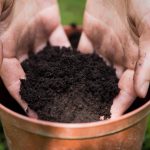
Compost is the soul of the garden, a living tapestry woven from kitchen peelings, fallen leaves, and the remnants of last season’s bounty. To begin, designate a quiet corner in your yard or garden—a sacred space where organic waste decomposes into humus, nature’s black gold. Start with a balance of greens (nitrogen-rich scraps like food scraps and fresh grass clippings) and browns (carbon-rich materials like dried leaves and cardboard). Turn the pile weekly with a pitchfork or shovel, infusing it with oxygen to guide its transformation.
Over time, heat will rise, indicating microbial activity. This warmth is the earth’s breath, a testament to life persisting even in decay. Layering compost into garden beds enhances soil structure, which enriches plants and reduces reliance on synthetic fertilizers.
Clay’s Gentle Embrace
Clay, with its ancient wisdom, connects us to the earth’s vitality. A pinch of clay-rich soil in your hands helps you gauge moisture levels: sticky and cool means hydration, while crumbly and warm signals readiness. Clay pots capture the essence of Eco Living—they regulate temperature, slow evaporation, and root in harmony with nature.
To make clay pots, gather natural clay from beneath the surface, mix with sand and straw for added resilience, and shape by hand. The process becomes a form of meditation, where imperfections mirror life’s beauty. Allow pots to dry slowly in the sun, and fire them in a kiln or simple outdoor burner.
Water Wisdom
Watering gardens with intention carries the ethos of Eco Living. Rainwater harvested in barrels provides a nourishing alternative to municipal supply, its minerals a gift for thirsty roots. Drip irrigation systems, hidden beneath mulch, mimic the slow release of a forest floor, ensuring plants receive just what they need.
In clay pots, water retention calls for less frequent watering, encouraging deeper root growth. This mirrors our own need to redirect energy toward resilience rather than surface-level survival.
Mindful Garden Design
A garden is not merely a plot of earth but a mirror of inner landscapes. Design with purpose: plant species that support local pollinators, leave space for wildflowers, and carve paths that meander like rivers. Use reclaimed wood for fences or trellises, letting weathered textures speak of durability.
When arranging plants, consider their relationships. Tall perennials protect delicate seedlings, while groundcover plants reduce evaporation, a silent collaboration that reflects communal strength.
Eco-Living in Daily Rituals
The alchemy of compost and clay extends beyond the garden. Morning coffee grounds join banana peels in the compost bin, while a clay watering can bridges tradition and sustainability. These acts become meditative, transforming chores into quiet rituals.
By integrating Eco Living into daily life, we find that sustainability is not sacrifice but celebration—a return to the rhythms that nourish both body and soul.
Design Ideas
Clay vessels and compost-rich soil open doors to aesthetic and functional harmony. Let us explore how to weave these elements into outdoor sanctuaries.
Sacred Spaces for Reflection
Design a quiet corner where a bench sits beneath a flowering tree. Fill pots with clay and compost blends, nurturing herbs like mint or rosemary. The scent of earth mingles with the promise of meals to come, creating a sensory signature of abundance.
Functional Artistry
Craft clay planters shaped like animals or celestial motifs, each one a storyteller. Place them along pathways, their surfaces etched with symbols of fertility or longevity. Let garden edges blur into wildness, where Eco Living thrives in unplanned beauty.
Water Features
A small pond or birdbath, lined with clay, becomes a haven for pollinators and birds. Add a solar-powered fountain to keep water in motion, its rhythm echoing the heartbeat of the earth. These features transform gardens into places of renewal.
In every design choice, Eco Living becomes visible—a reminder that beauty and sustainability are not opposites but partners.
Rituals
Creating routines around compost and clay amplifies their transformative power.
The Morning Compost Offering
Each day, carry kitchen scraps to the compost heap like an offering. As you add peels and stems, speak names of loved ones or gratitude for the day ahead. This ritual merges nourishment with mindfulness, grounding you in nature’s cycles.
Clay Fire Nights
On chilly autumn days, gather clay pots near a fire pit. As flames cast flickering shadows, you might journal or sip spiced cider, sharing stories of harvests past. The ash deposits minerals back into the soil, closing the loop of life.
The Occasion of Seed Saving
In autumn, gather seeds from favorite plants and store them in clay jars decorated with seasonal motifs. This act preserves biodiversity and connects generations, embodying the legacy of Eco Living.
These rituals thread intention into daily life, transforming mundane acts into sacred ones.
Soil & Water Care
Healthy soil is the foundation of Eco Living, a living organism that rewards care with resilience.
Building Compost Teas
Soak compost in rainwater for weeks to brew a nutrient-rich elixir. Strain the liquid and dilute it 1:10 before watering plants. This liquid gold strengthens roots while eliminating the need for chemical fertilizers, aligning with the principles of Eco Living.
Mulching as Meditation
Layer compost and straw around plants to retain moisture and simulate the forest floor. As rain falls, the mulch acts like a protective blanket, reducing erosion and nurturing microbes. This practice echoes the quiet protection a mother offers her child.
Soil Moisture Balance
Check soil moisture daily with your finger or a clay moisture meter. In summer, deep morning watering encourages roots to seek hydration beneath the surface, mirroring our own need to find strength within.
Wildlife & Habitat
A garden guided by Eco Living becomes a sanctuary for creatures great and small.
Building Clay Nesting Boxes
Carve clay to create nesting boxes for owls, martins, or bees. The natural texture of clay provides insulation and blends seamlessly into landscapes. Hang them in quiet corners, away from predators, and witness life unfold through wings and song.
Compost as a Food Source
Layer compost heaps with logs to attract insects, which then nourish birds and amphibians. This ecosystem of interdependence reflects our own reliance on community.
Inviting Pollinators
Plant milkweed, lavender, and coneflowers to welcome bees and butterflies. These gardens are not just for humans but for the buzzing threads of life that sustain Eco Living.
Seasonal Projects
Aligning actions with seasonal energy ensures Eco Living thrives year-round.
Spring Compost Kickstarter
Begin the composting cycle in spring with fresh organic waste. Add crushed eggshells for calcium or coffee grounds for nitrogen, then turn the pile with a melody.
Summer Clay Cooler
Place clay pots in shallow beds of wet sand to create a cooling effect. This technique allows plants to regenerate while conserving water.
Autumn Seedlings
In fall, plant bulbs in compost-rich soil. As winter winds howl, their roots deepen in anticipation of spring.
Winter Indoor Herb Garden
Grow herbs like parsley or thyme in clay pots indoors. Sunlight bathes them gently, and their scent anchors the soul in tranquility.
Indoor/Balcony Extensions
Even small spaces can embody Eco Living.
Vertical Compost Systems
Use stacked compost bins on balconies to turn coffee grounds and tea bags into rich soil. This practice turns waste into wonder, even in urban settings.
Clay Terrariums
Build glass terrariums with charcoal layers over compost to purify air. These tiny ecosystems breathe cleanly and remind us that life persists in balance.
Hanging Herb Planters
Cultivate mint, thyme, or rosemary in clay pots hung indoors or outdoors. Their fragrance soothes the mind, and their leaves flavor meals rooted in seasonal abundance.
Community & Sharing
Eco Living thrives through shared labor and joy.
Recipe Swap Gatherings
Host tea-and-compost gatherings where neighbors exchange recipes, seeds, and compost tips. This builds community while enriching the earth.
Clay Workshops
Teach others to mold pottery or planters, sharing knowledge as freely as seeds. Each creation becomes a testament to Eco Living’s spirit of generosity.
Seed Libraries
Establish a local seed library, offering heirloom varieties in clay packets. These swaps foster diversity and resilience, mirroring the soil’s own evolution.
Conclusion
The alchemy of Compost & Clay reveals that transformation begins in quiet acts of care. Eco Living, when woven into our daily rhythms, becomes both art and devotion—a dance with the land that nourishes body, mind, and soul. In every pot of clay, in every heap of compost, we find the wisdom of nature: that endings are beginnings, and that humanity’s role is to nurture rather than control. May your garden be a sanctuary, your hands a vessel of healing, and your life a tapestry woven with Eco Living and quiet joy.