
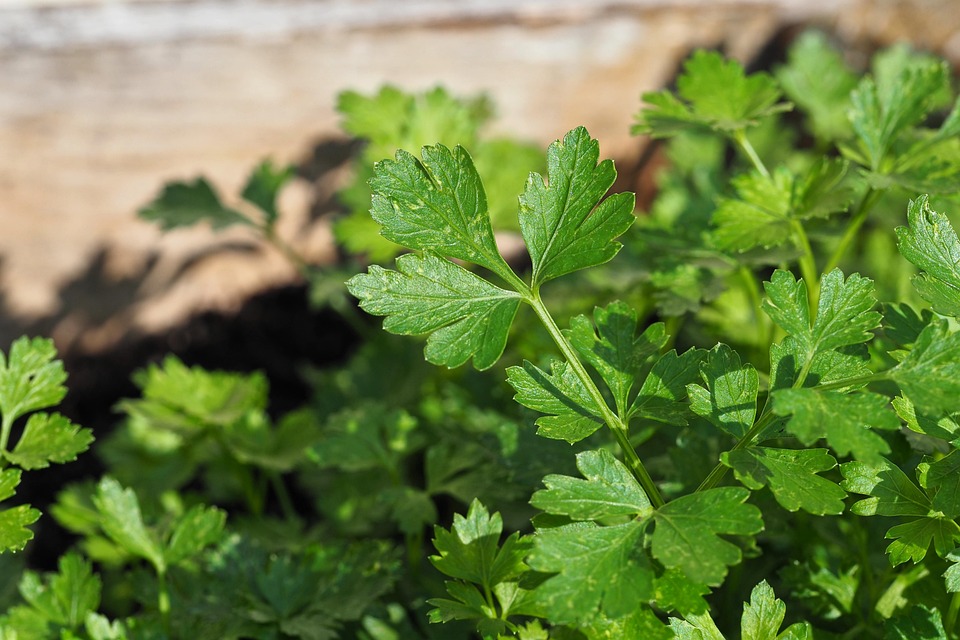
Clay pot ceremony — a quick note to anchor this piece for readers.
Clay pot ceremony: Quick notes
The Craft of a Clay Pot Ceremony invites us to reconnect with the primal simplicity of nurturing life, transforming a humble balcony into a microcosm of forest-woven magic. Each pot, textured with the memory of sun-baked clay, serves as a silent witness to seasons’ ebb and flow. It is a symbolic essay written in the language of leaves, where the act of planting mirrors the human need for rootedness, and the arid urban landscape softens into a haven of eco-serenity.
Why Clay Pots? The Alchemy of Earth and Fire
Clay pots are more than vessels; they are ancient mediators between human hands and the soil’s whispered wisdom. Unlike plastic or metal, clay breathes—its porous surface yielding to moisture while anchoring delicate roots. This duality mirrors the human condition: sturdy yet vulnerable, yielding yet resilient. To tend a Balcony Garden in clay is to participate in a ceremony older than cities, where each watering becomes a prayer, each harvest a testimony to patience.
Practical Steps for starting your Craft of a Clay Pot Ceremony begin with selecting the right vessels. Terracotta, raku, or unglazed stoneware—choose pots with wide rims for catching water, ensuring they cradle life without drowning it. Place them where sunlight kisses gently, perhaps near a window where morning light softens shadows. The arrangement should feel intuitive, not regimented: group pots uprights and slants, vary heights, let nature dictate symmetry.
Design Ideas: Texture Over Perfection
Eco-friendly design begins with embracing imperfection. Let moss drape from pot edges, or carve shallow grooves into the clay for personal markings. Pair pots with driftwood trellises, reclaimed wood shelves, or weathered stone tiles. These elements, sourced sustainably, mirror the quiet time found in forest ambiance, transforming the balcony into a tactile ode to nature’s cycles.
Seasonal Context: Aligning with Earth’s Breath
The Balcony Garden becomes a calendar of seasons, each offering unique gifts.
Spring: Awakening in Small Acts
As winter’s chill recedes, sow hardy seeds—lettuce, spinach, kale—in shallow clay pots. The act of scattering soil, a practical ritual, becomes symbolic: each grain a promise, each seedling a sign of renewal. Use compost harvested from autumn cleanup to nourish the soil, linking soil care to Seasonal Flow.
Summer: The Heat of Synchronicity
Summer demands dappled shade and mindful watering. Opt for drought-tolerant plants like nasturtiums or marigolds, their vibrant hues softening the urban glare. Offset heat with companion planting: basil among tomatoes repels pests, fostering biodiversity on a balcony scale.
Autumn: Harvest and Reflection
As leaves fall, celebrate with a soulful design idea—carve pumpkin containers for herbs or weave harvest garlands from dried lavender stalks. Transfer seedlings to insulated pots to retain warmth during October’s bite.
Winter: The Silence of Rest
Deciduous plants shed foliage; evergreens like rosemary endure. This season is for reflection: clean pots with chamomile tea, refill with rich, hand-made compost, and sketch planting plans for spring. The clarity of bare branches mirrors the emotional clarity sought through ritual.
Practical Steps: Building a Sustainable Sanctuary
1. Soil & Water Care
Use organic potting mixes blended with coir fiber and compost. Water deeply but sparingly, allowing soil to dry between sessions—a discipline that mirrors mindful tips for daily life. Collect rainwater in old buckets; its natural pH enhances plant vigor.
2. Wildlife & Habitat
Create micro-habitats: a shallow clay birdbath with stones for bees, a birch limb for perching insects. Plant native flowers like sage or coneflower to attract pollinators, turning the balcony into a thriving ecosystem.
3. Seasonal Projects
In spring, craft a “seed library” exchange with neighbors; in winter, dry harvested herbs to make sachets. These acts deepen community ties while honoring the solitude of individual growth.
Rituals: Weaving Mindfulness into Daily Tending
Begin each morning with a 5-minute ritual: lace fingers around the rim of a clay pot, inhale the scent of damp earth, and water plants with intentional slow circles. This practice, akin to forest ambiance meditation, grounds the mind. Similarly, mark solstices by planting light-colored flowers (white alyssum, moonflowers) to symbolize returning light.
Indoor/Balcony Extensions: Bringing Nature Inside
Repurpose clay pots as candle holders or succulent containers for indoor spaces. Tie natural jute ropes to pot handles to create a “living curtain” of herbs, blurring the line between interior and exterior. Hang dried lavender bundles as air fresheners, linking tactile design to sensory peace.
Community & Sharing: From Solitude to Kinship
Host a top 5 ideas exchange: “5 Easy Herbs for Urban Gardens.” Share cuttings, excess harvests, or DIY clay pot recipes. This transforms personal solitude into collective nourishment, echoing the essay’s theme of connection through cultivation.
Conclusion: The Eternal Language of Roots
The Balcony Garden is a sanctuary where Balcony Garden ideals crystallize into daily practice. Through the Rituals of planting, the quiet labor of soil care, and the poetic rhythm of seasonal shifts, solitude finds its antithesis—not loneliness, but a profound communion with life’s cycles. In clay and seeds, we discover the quiet strength to grow.
Symbolic Essay: Roots of Solitude in Clay Pot Ceremony reaches full bloom when every handful of soil becomes an act of reverence.














Quick thought · This is inspiring — I’m excited to try it out.
On a similar note — I appreciate the point about “Symbolic Essay: Roots of Solitude in Cla” — very helpful. Great share.
FYI: great take on “Symbolic Essay: Roots of Solitude in Cla” — I’ll try that soon. So cozy.
PS – So helpful — clear and practical, much appreciated. Love this!