
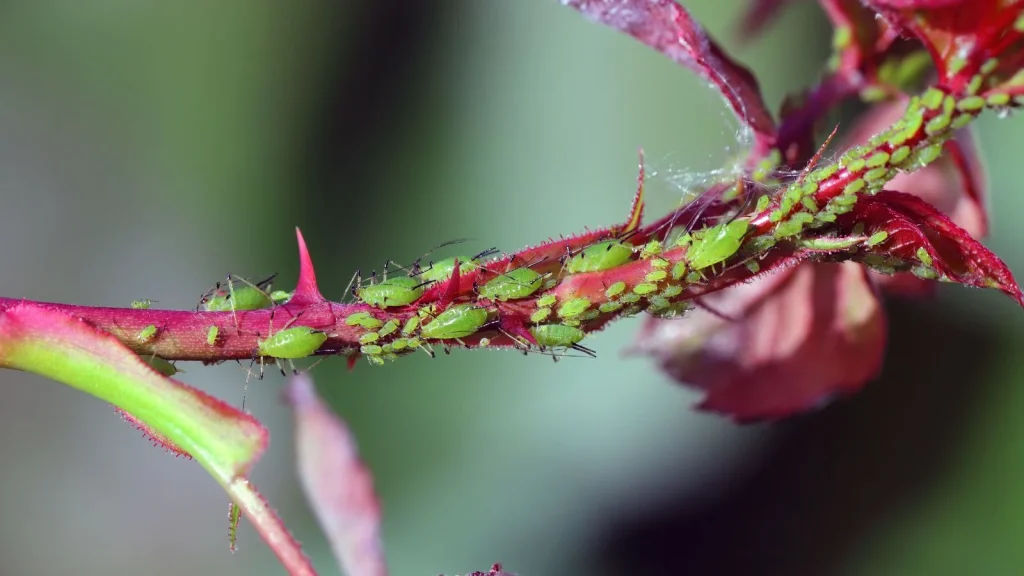
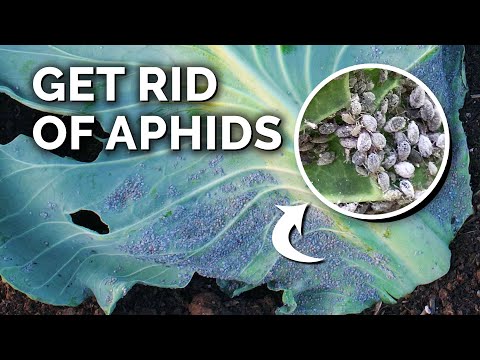
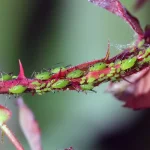
While seeing a ton of aphids crawling all over your garden plants in spring can be demoralizing, there are many ways to deal with aphids naturally. Using integrated approaches not only keeps pests at bay but also bolsters the beneficial insects that prey on pests and pollinate your garden.
Sprays may seem like the best route for controlling pests, but they’re sometimes detrimental to the good insects that live there. Get a good routine of cultural control going, and you may not need to use sprays at all in your garden. That has been my experience since I focused more on bolstering beneficial insect populations.
Not every strategy applies to every context, so it’s best to assess the environment you’re gardening in and weigh that along with plant needs before acting. We’ll touch on some of the particulars below to give you a heads up about which strategies are best employed.
Colorado Blend Yarrow
Colorado Blend Yarrow Seeds
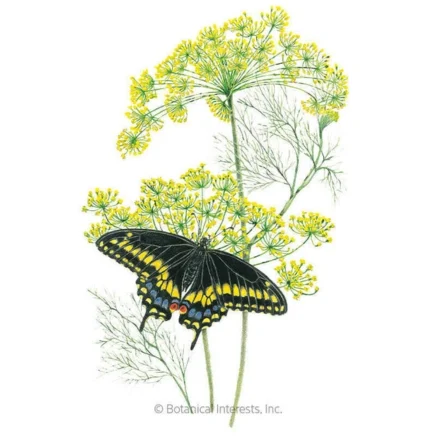
Bouquet Dill
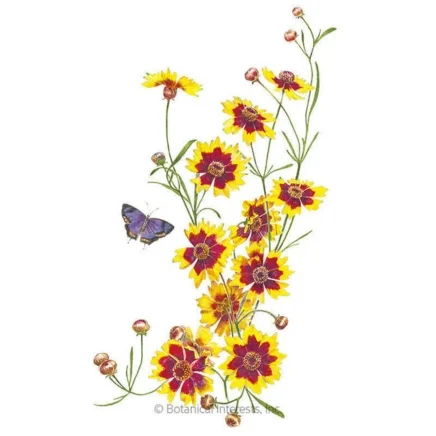
Plains Coreopsis
Step 1: Start With Water
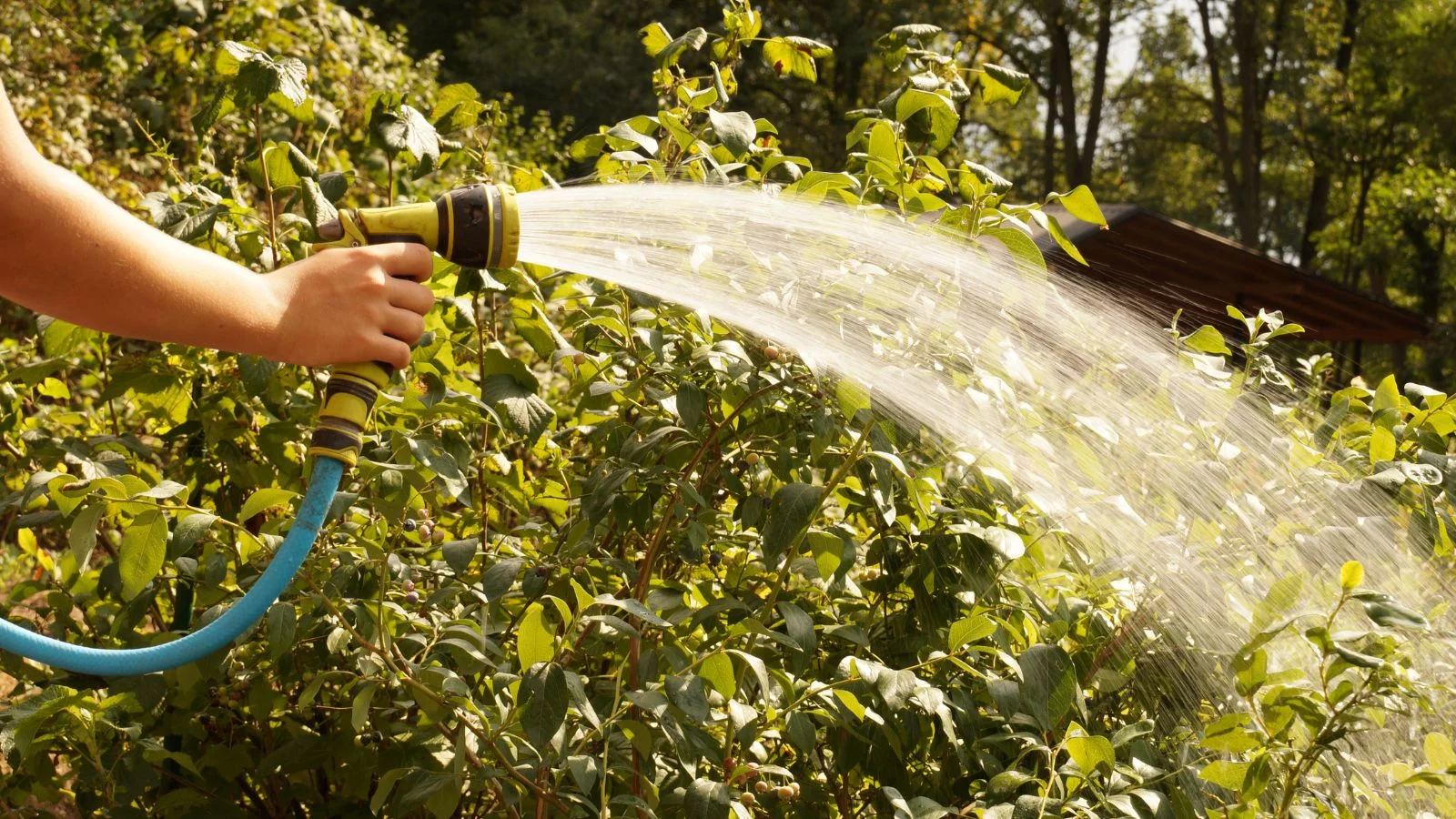 Spray aphids off of leaves and stems with a hose.
The easiest way to deal with aphids naturally is to take your hose and blast your plants with a strong stream of water. The force of the water rips the aphids off the plants, removing their mouthparts at the same time. This keeps them from feeding on your plants further and breaks up the colony.
Note that plants more susceptible to fungal or bacterial diseases, powdery mildew, or downy mildew need to be blasted in the morning shortly before the sun rises. Then the morning sun can dry the leaves slowly without any diseases building up.
Similarly, plants with stems prone to breaking aren’t good candidates for receiving a strong force of any kind. So use another method on this list for sensitive plants. This is also best for a small number of aphids, rather than an entire infestation.
Step 2: Plant for Beneficial Insects
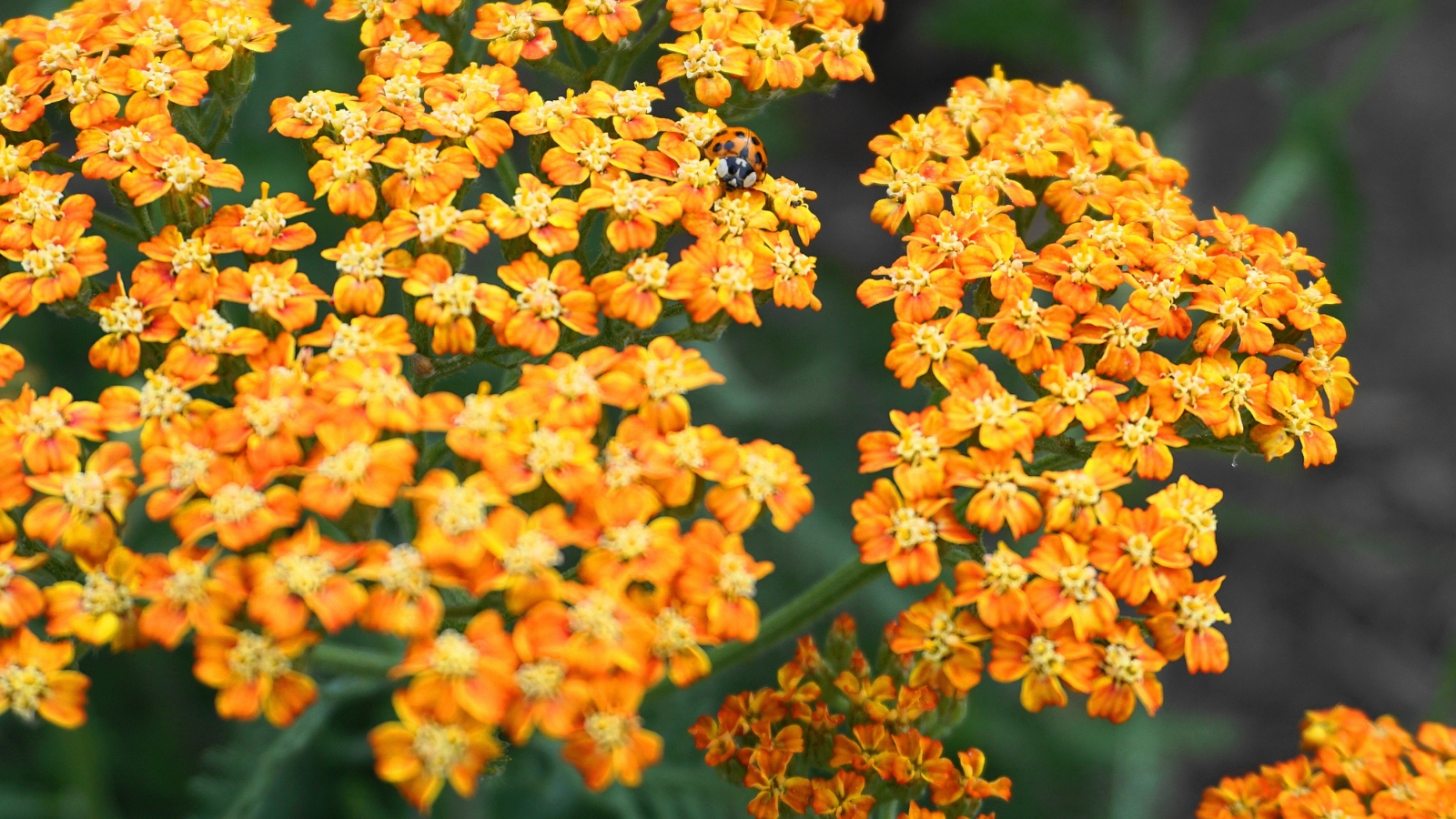 Encourage beneficial insects to deal with aphids naturally.
Including plants that beneficial insects love is one method to deal with aphids naturally that works for all plants. You can plant aphid-prone plants near perennial flowering ones to give predators a buffet to dine on. Green lacewings, ladybugs, midges, and parasitic wasps are just a few of the best aphid predators out there. There are many others.
Use this chart to determine which plants to include in your garden. Some of these plants are tough, North American natives, and others are more commonly annuals. Note that umbels (think carrot flowers) and aster family plants tend to attract the largest diversity of beneficial insects.
PlantBeneficial InsectsYarrow (Achillea millefolium)Lacewings, hoverflies, ladybugs, pirate bugs, parasitic waspsDill (Anethum graveolens)Tachinid flies, hoverflies, ladybugs, pirate bugs, parasitic waspsBlanketflower (Gaillardia spp.)Hoverflies, predatory waspsCoreopsis (Coreopsis spp.)Ladybugs, hoverflies, predatory beetlesMilkweed (Asclepias spp.)Ladybugs, hoverflies, parasitic wasps, pirate bugs
This is just a tiny portion of the plants that support aphid predators. There are so many more, and many of them are plants native to your ecoregion. If you don’t have room to add any of these to your garden, pop them in containers and place them near more sensitive plants.
Step 3: Provide Proper Care
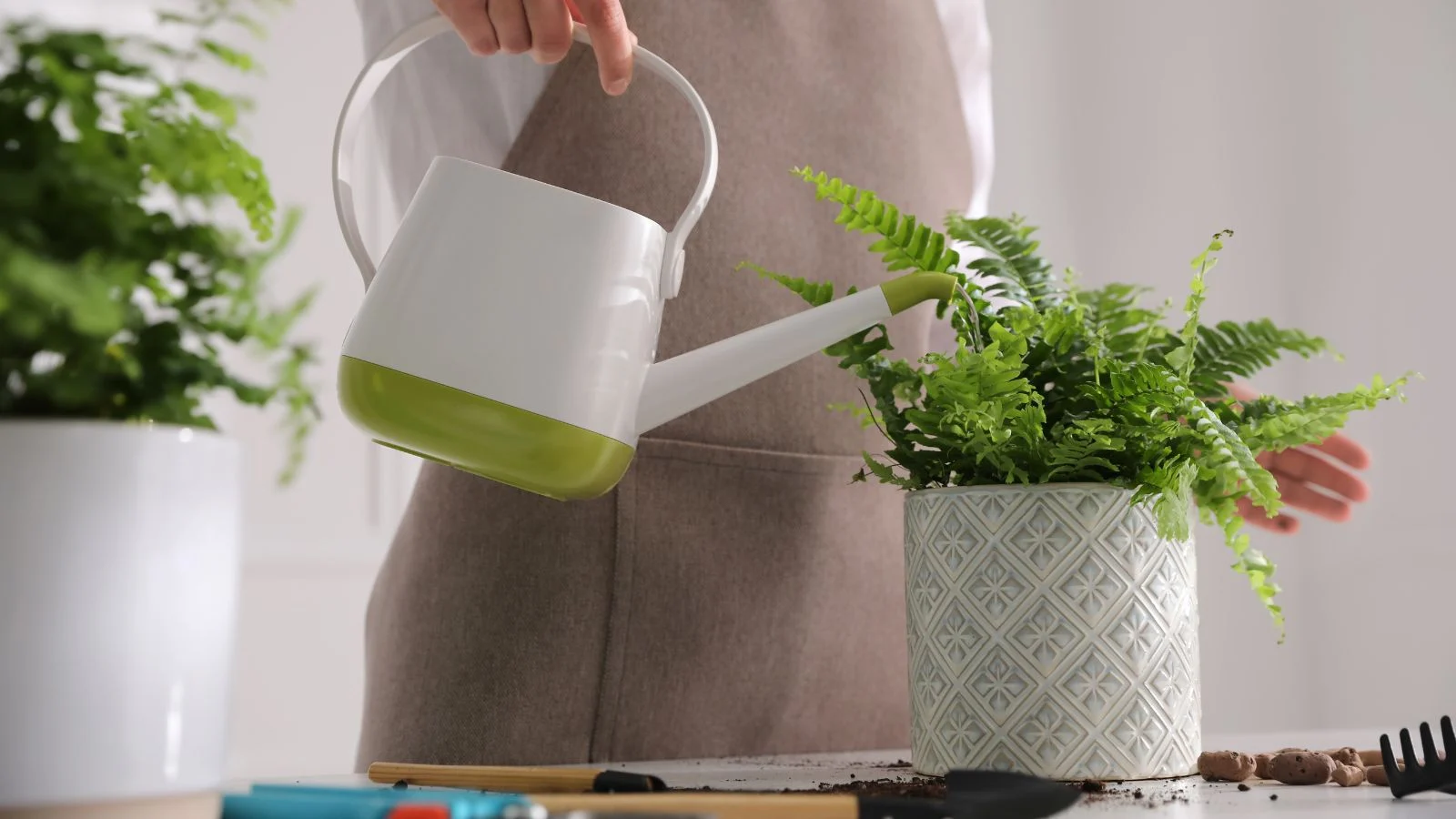 Healthy plants tend to resist pest pressure.
While aphids are voracious, and they’ll feed on just about any plant they can, they’re also looking for easy targets. Reduced plant vigor attracts them. Healthier plants have defense mechanisms that allow them to resist the negative effects of pest feeding. Therefore, they can stave off any problems related to aphids.
Set your plants up for success with proper soil that retains or drains appropriately. Add water as needed, as some water stress can attract aphids. The key is to tailor your care to the perennials and annuals you’re growing. Group plants that need similar care together to ensure they have uniform conditions to grow in.
You should always grow your plants in containers or planters that are most appropriate for them as well. Give them the care they need to thrive. This is one viable way to deal with aphids naturally.
Step 4: Don’t Overfertilize
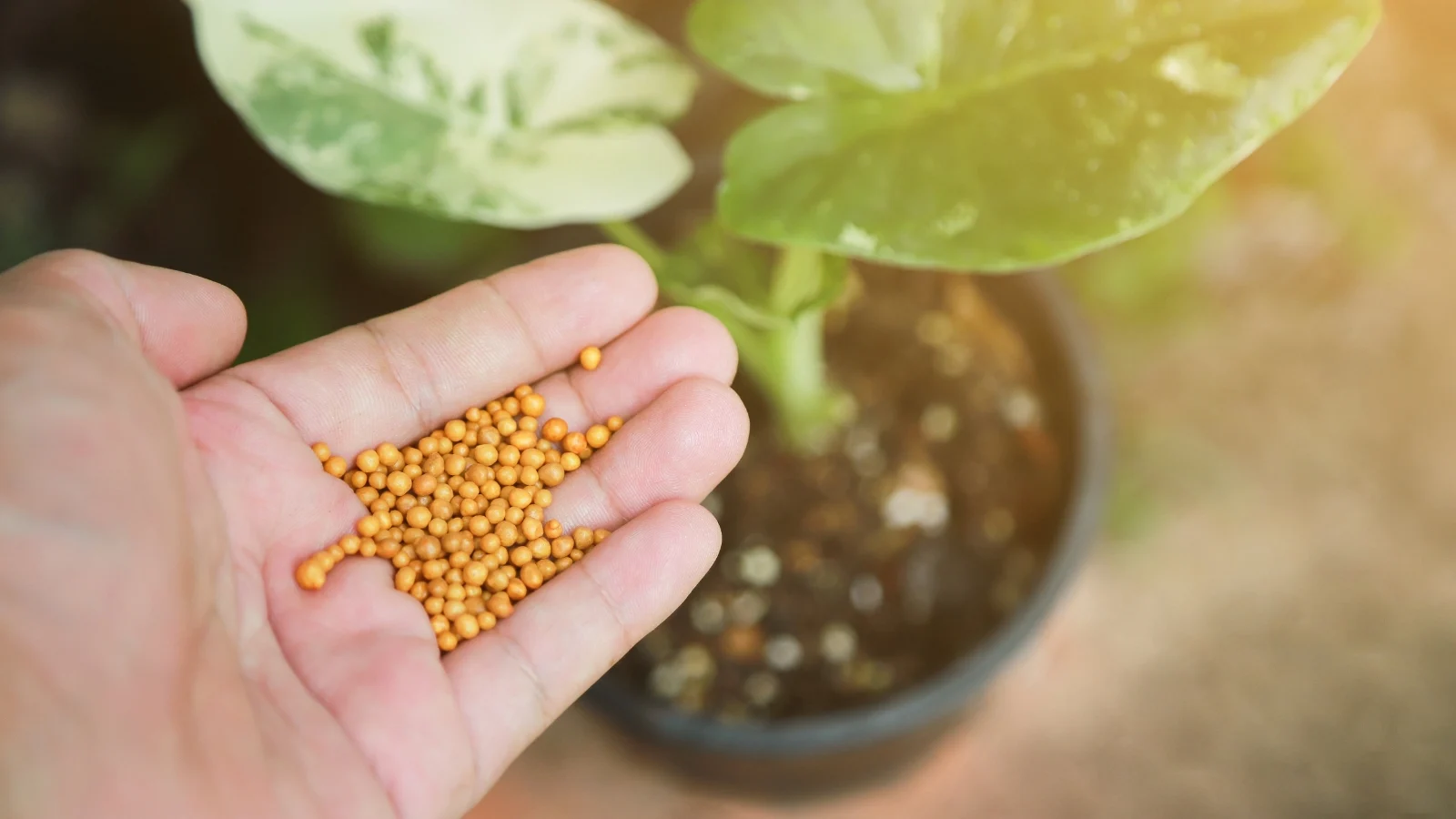 New growth is more vulnerable to damage.
When you overfertilize, your garden plantings produce more sugars, which are highly attractive to aphids. To prevent them, only fertilize as needed. For vigorous plants, provide side dressings of compost instead of granular, powdered, or liquid feeds.
Use organic fertilizers rather than synthetic ones. These slowly release nutrients into the soil in a bioavailable form. The nutrients provided by organic fertilizers are not as readily taken up, but they’re not likely to provide a burst of nutrients all at once that promote a much higher sugar production like synthetics.
Step 5: Prune Infestations
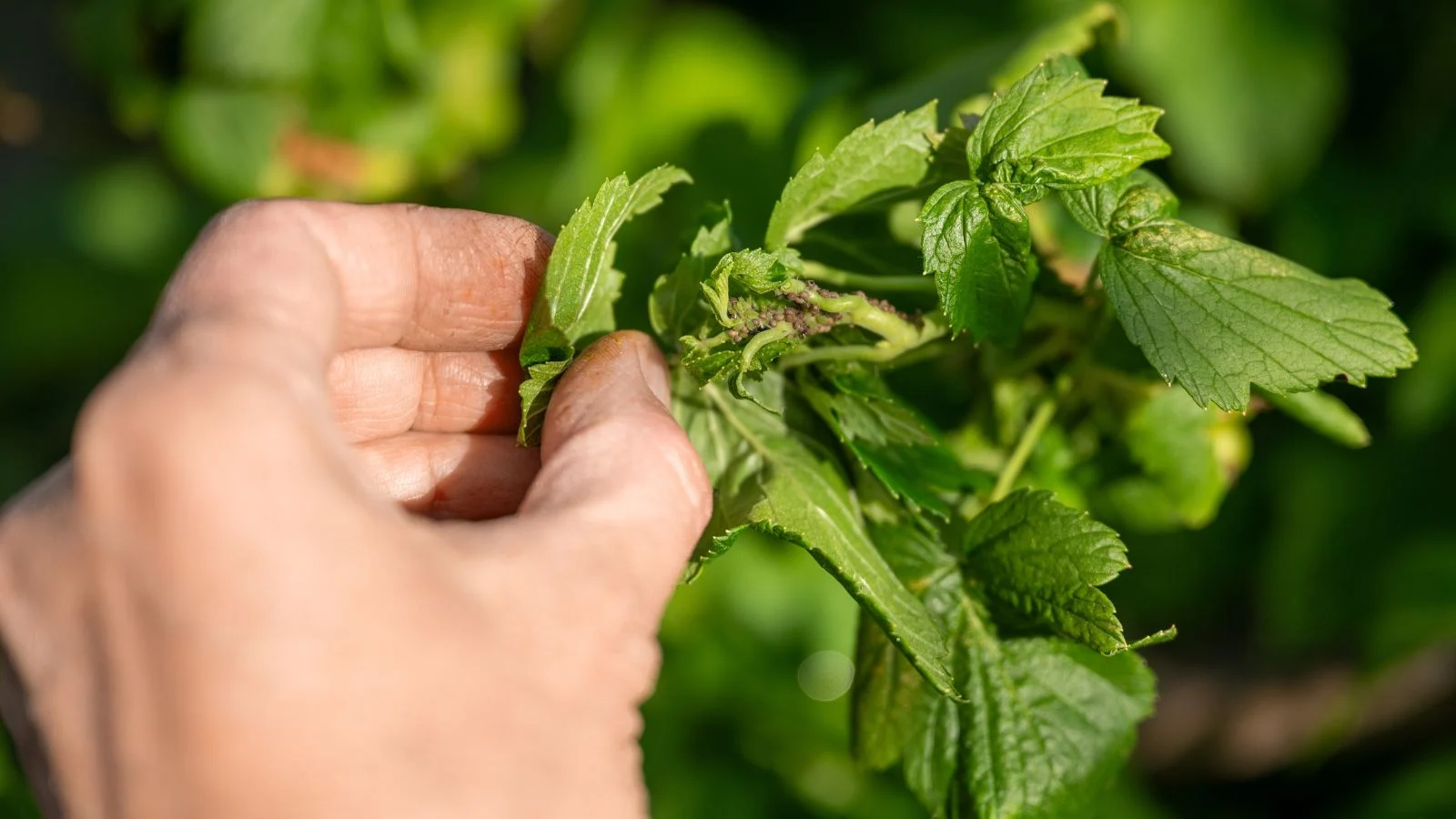 Remove large populations to limit spread.
Instead of spraying chemicals (even Organic Materials Research Institute-labeled ones), prune away leaves that have been infested by aphids and throw them away. Keep them out of the compost, where aphid colonies can proliferate. This is a mechanical way to deal with aphids naturally.
It’s one of the most effective ways to control them. Simply take them out of the garden. As long as what you’re growing is vigorous enough, it can handle a missing leaf. If there are multiple branches, and you can’t blast them with water, one missing branch among many won’t be an issue.
Step 6: Remove Entire Plants
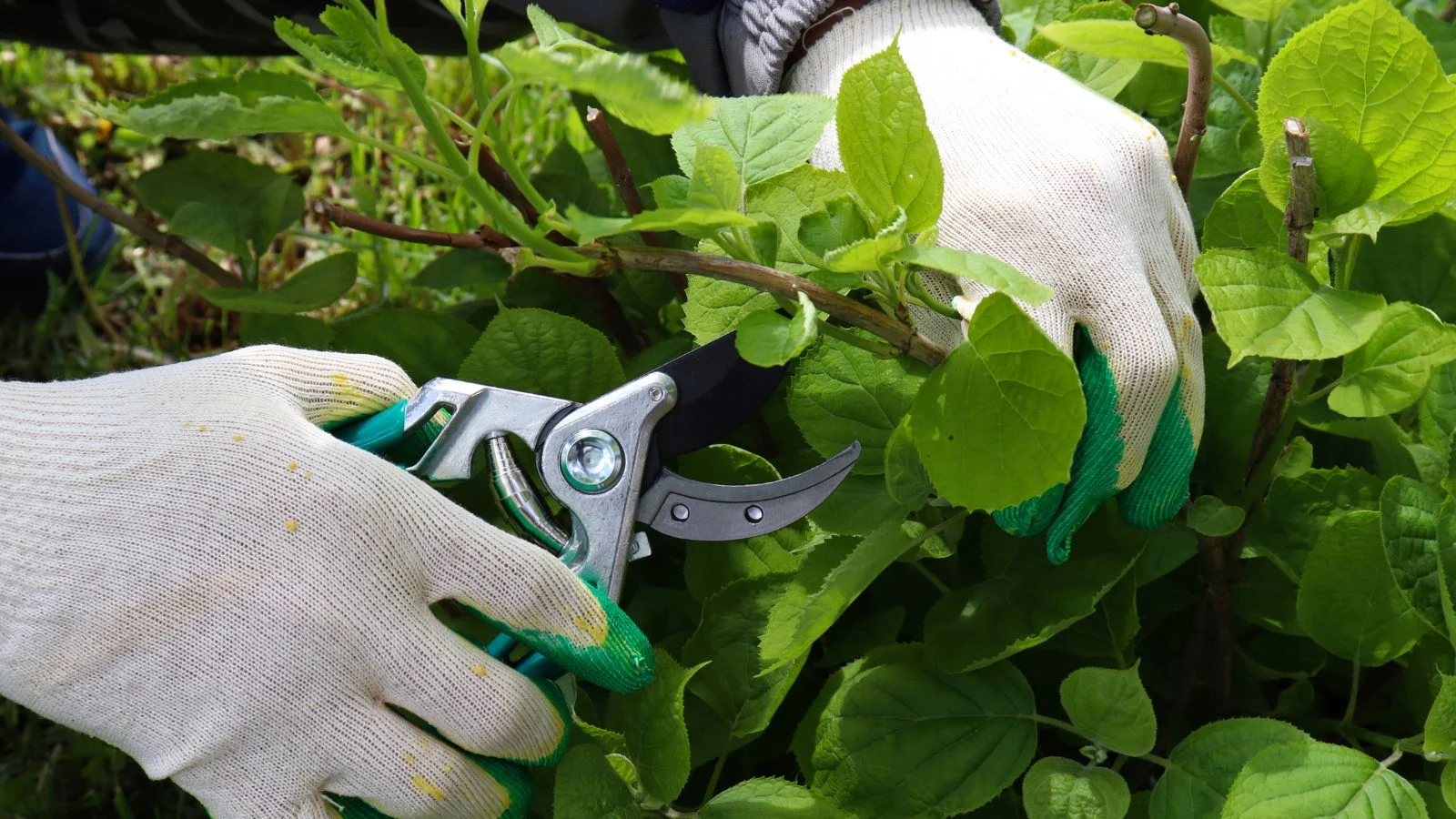 Treat heavily infested plants as trap crops.
But for those plants that are just getting started, sometimes an infestation is a problem waiting to get worse. There are times when the most appropriate way to deal with aphids naturally is simply to take out the plant where they’re having a party. If you’re dealing with foliar aphids, this is a very effective management tool. Use sterilized, sharp pruners to cut the plant at the base for foliar aphids.
For root-feeding aphids, it’s best to pull the plant, root and all. Plants in the carrot and allium family may be susceptible to root aphids. There are some beans and shrubs – among others, like lettuce – that have root aphid problems. Look out for signs of wilting, discoloration, and white or waxy buildup at the crown of your plants. If you see little pear-shaped guys down there, pull away.
Step 7: Limit Weeds
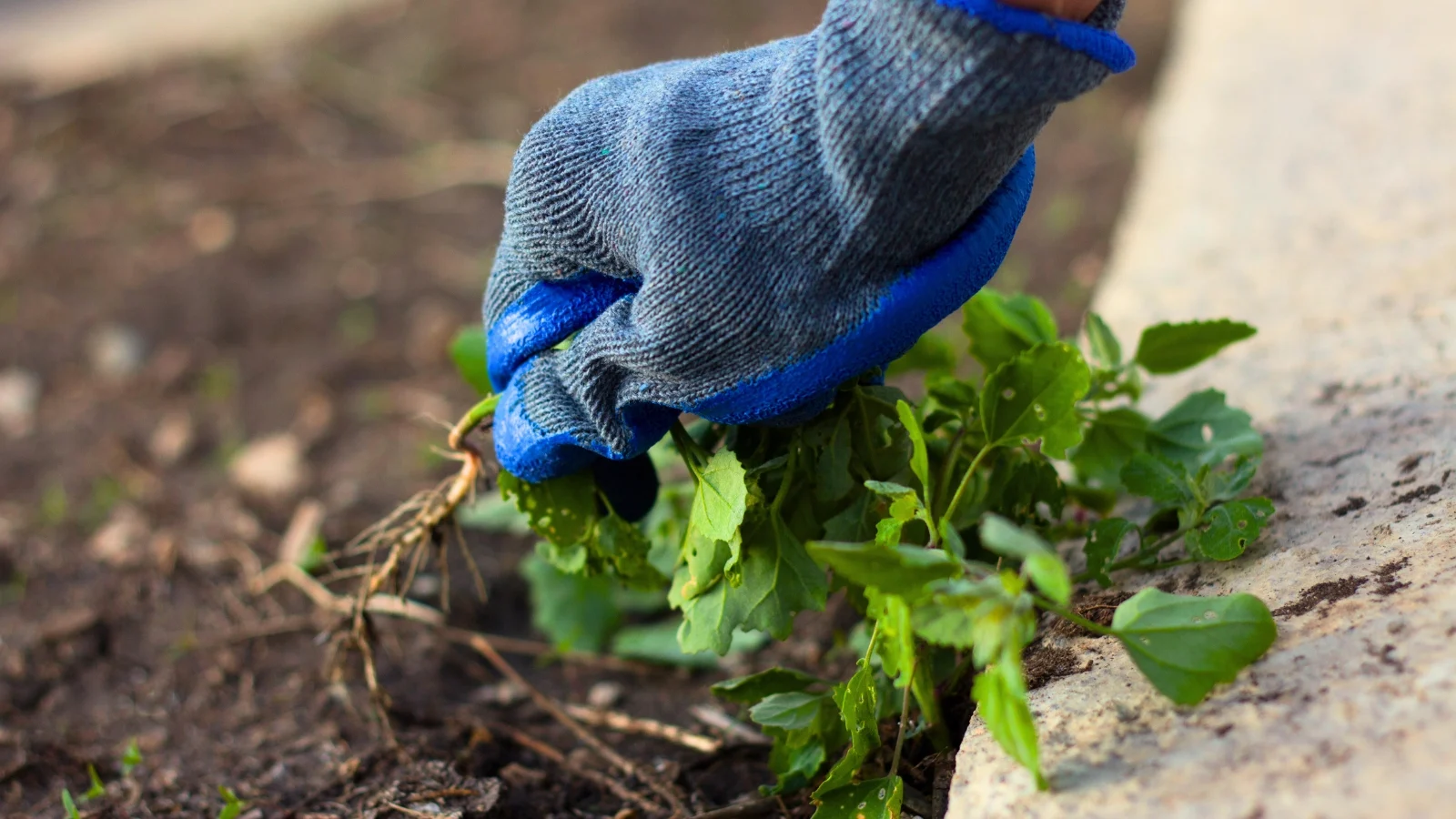 Pull weeds when they are young to reduce problems.
Like many pests, aphids have multiple weed hosts, where they can maintain colonies away from cultivated areas. If you have a nice stand of weeds near your raised beds and containers, this could promote aphids, which can spread to your veggie or ornamental garden. In areas where you don’t want to have to deal with aphids, limit weed growth to deal with aphids naturally.
Especially when it comes to flowering species, aphids and many other pests can hang out in weeds. These weeds can become bridges for aphid infestations that make it to your garden, which you took time and effort to grow. So keep them out of your cultivated areas, and let the aphids do their thing where weeds are plentiful.










FYI – Loved this about “How to Deal With Aphids Naturally Before” — such a nice idea.
Heads up – A gentle, thoughtful post — lifted my morning. Saving it.
Quick thought · This is a small change with a big impact — thanks! So cozy.