

The earth exhales in whispers of time, and within its pulse lies a quiet invitation: slow down, observe, and let stillness bloom. In the art of cultivating Mindful Spaces, gardens become more than pockets of greenery—they transform into living palimpsests of our inner landscapes. Each petal, stone, and trickling stream mirrors the rhythms of contemplation, patience, and clarity. This is not merely about growing plants; it is about tending to the soul’s quiet corners, where anxiety fades and the heartbeat of peace reverberates. Here, in the sacred soil of symbolic living, we learn that stillness is not absence but a fertile ground for the seeds of presence.
Mindful Spaces: The Essence of Presence
Mindful Spaces are the sanctuaries of intentional design, where every element—whether a cascading vine or a strategically placed stone—whispers of harmony. These are not mere gardens; they are mirrors reflecting the soul’s journey toward stillness. To walk among them is to trace the contours of one’s own breath, to pause in the dance of shadows and sunlight, and to remember that stillness is not silence but a language spoken in the rustle of leaves. They are cultivated ecosystems of awareness, where the act of gardening becomes a meditation on impermanence, resilience, and connection.
Seasonal Context: Aligning with Nature’s Cycles
In the rhythm of seasons, Mindful Spaces breathe in sync with the earth’s cadence. Spring, with its impatient energy, calls for renewal—planting seeds that symbolize hope and beginnings. Summer, in its full exuberance, teaches resilience, as gardens thrive amid heat and drought. Autumn’s descent into cool repose mirrors the soul’s reflection on cycles of loss and gratitude, while winter’s stark embrace invites inward contemplation. Each season threads a unique texture into the tapestry of a garden’s mirror, offering lessons in adaptability and surrender.
Let the soil guide your hands, the light shape your vision, and the wind carry your intentions. In this sacred exchange, stillness is not an escape from the world but a deepening of your relationship with it.
Practical Steps: Nurturing Calm Through Daily Acts
Creating Mindful Spaces begins with small, deliberate acts. Start by designating a corner of your garden as a "pause zone," adorned with a weathered bench, a wind chime, or a cluster of fragrant herbs. Feed the earth with compost, not only to nourish plants but to close the loop of waste and renewal. Harvest rainwater in barrels, letting it settle before use—this act mirrors the patience required to quiet the mind.
Embrace imperfection. Let a few wildflowers spill beyond curated rows; their untamed beauty is a reminder that chaos and clarity often coexist. Prune not only dead branches but also the mental clutter of modern life. Carry a hand tool like a trowel or a pruning shear as a tactile anchor during moments of overwhelm—its weight a physical reminder to root oneself again.
Design Ideas: Eco-Friendly Sanctuaries for Reflection
Design Mindful Spaces to invite interplay between nature and the human spirit. Use permeable paving stones to direct rainwater back into the earth, mirroring the flow of thoughts into stillness. Incorporate recycled materials—reclaimed wood, salvaged bricks, or broken ceramics buried beneath stepping stones—to honor impermanence and sustainability.
Layer textures and heights to create micro-climates for reflection. A tall lavender hedge can frame a meditative path, while a sun-drenched patch of bare earth offers space for barefoot grounding. Integrate native plants that attract pollinators, transforming your garden into a shared sanctuary of biodiversity and beauty.
Rituals: Sacred Practices for Contemplative Connection
Weave rituals into your Mindful Spaces to anchor presence. Each morning, spend five minutes observing the first horseshoe crab crawling toward the rising sun or tracing the morning dewdrops on spiderwebs. Brew a cup of herbal tea infused with mint or chamomile, sipped slowly as you watch sunlight ripple through leaves.
In the evenings, light a candle amidst wild grasses and record your thoughts in a journal. Let the flicker of flame mirror the firefly’s dance, teaching that stillness is often found in the flicker, not the flame. Bind these moments with a symbolic ribbon tied to a tree—a thread of your journey woven into the landscape.
Soil & Water Care: Sustaining Life’s Precious Rhythms
Healthy soil is the heart of any mindful space. Test your soil pH regularly, but avoid over-intervention—let the garden adapt to its native conditions. Bury crushed eggshells or coffee grounds to feed microbes, and water deeply but infrequently to encourage strong root systems. A rain chain or copper spout can transform rainwater collection into a meditative ritual, each droplet a call to stillness.
Wildlife & Habitat: Embracing the Web of Interbeing
Invite nature’s teachers into your sanctuary. Plant milkweed to welcome monarch butterflies, their fluttering wings a lesson in transformation. Create a shallow birdbath for thirsty creatures, and leave fallen logs as habitats for insects and amphibians. These micro-ecosystems remind us that stillness is not isolation but interconnection—a mirror of the delicate balance we seek within ourselves.
Seasonal Projects: Aligning with the Wheel of the Year
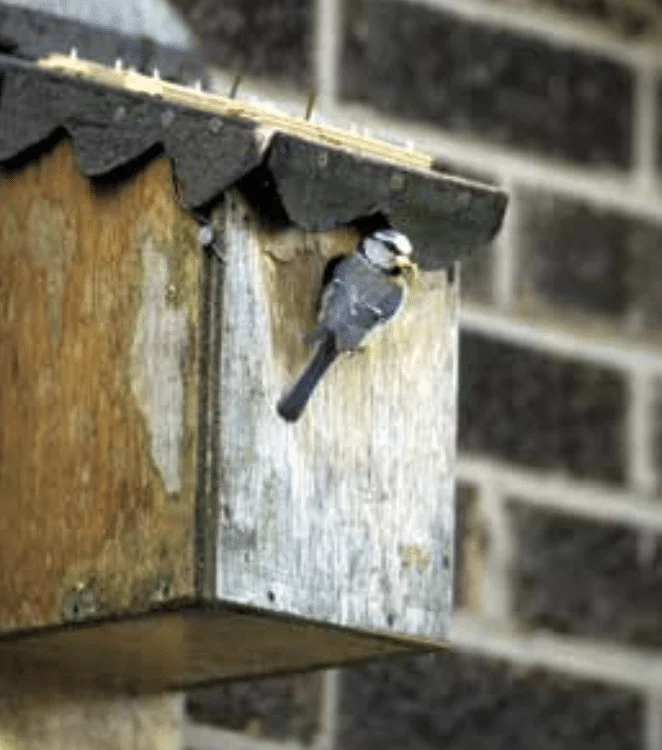
Celebrate the cycles of turning with seasonal projects. In spring, build a birdhouse from reclaimed wood. During summer, plant a pollinator-friendly meadow in a neglected corner. When autumn arrives, gather fallen leaves into a mandala for compost, honoring the beauty of decay. Each project ties your hands to the earth’s rhythm, grounding you in the art of presence.
Indoor/Balcony Extensions: Miniature Gardens for Urban Souls
Even small spaces can become mindful sanctuaries. On a balcony, grow potted herbs like basil or rosemary, their scents a portable breath of stillness. Indoors, place a small tray of river stones alongside a windowsill bloom—a living feng shui practice. Use woven baskets or macramé hangers to create vertical gardens, transforming walls into green tapestries of quietude.
Community & Sharing: Collectivizing Peace Through Collaboration
Mindful Spaces thrive when shared. Organize a seed swap with neighbors, exchanging herbs and heirloom seeds as tokens of solidarity. Host a forest bathing walk in your local wooded area, guided by the principles of mindful observation. Donate surplus herbs or vegetables to food insecure communities, linking your harvest to the greater web of care.
Conclusion: The Unending Journey of Stillness
In the mirror of Mindful Spaces, we find not perfection but process—a lifetime practice of returning to the breath of the earth. Let your garden reflect the soul’s unfolding, where each season’s whisper guides you toward deeper stillness. In the language of soil and song, you are ever learning to listen.
Symbolic Essay: Gardens as Mirrors of Inner Journeys Toward Stillness
Mindful Spaces must be wielded with patience, their creation an act of love both toward the earth and the self. By aligning our daily tending with the sacred flow of seasons, we carve out havens of peace amid life’s tempests. Now, let us turn to Mindful Spaces: Crafting Communities Rooted in Collective Stillness, where connection and care grow like ivy across a shared wall.
For deeper exploration of related themes, find inspiration in seasonal-mood or explore ideas tagged with green-thumbs.













Heads up – So handy — clear and practical, much appreciated. So cozy ☕
On a similar note • I appreciate the tips — super useful and friendly. Great share.
Quick thought · Nice thought — I’ll remember that.
Quick thought · Nice thought — I’ll remember that.
What a charming tip — I’m inspired to try it. So cozy.
PS · I appreciate the point about “Symbolic Essay: Gardens as Mirrors of In” — very helpful. Love this!
Tiny tip — Nice take on “Symbolic Essay: Gardens as Mirrors of In” — I’ll try that soon. Thanks for this!