
There’s something about sitting in a garden at dusk that makes you feel like you’re not entirely alone. Not in a spooky way, either; I actually mean that soft, almost imperceptible sense that the space is doing its own thing around you… and your birth month garden guardian is busy at work.
Oh yes. Long before we had pollinator guides and planting schemes, we had tales of tiny fairies tucked beneath petals, woodland spirits lingering at the edges of hedgerows, and household protectors who might, if treated kindly, keep everything quietly thriving.
While we know these creatures aren’t really tending to our borders (much as I’d personally love to outsource my weeding to an efficient elf workforce), there’s something undeniably lovely about the idea that your garden might be home to something a little more magical than you give it credit for. Especially if, much as we have done with our birth month animals, birth month birds, and birth month bugs, we can find a way to draw a special meaning from it all, too.
Article continues below
You may like
All 12 Birth Month Garden Guardians
Do you feel a shiver of anticipation whenever leaves start shifting, insects begin humming, and you catch a glimpse of something tiny moving just out of sight? Then you’ll absolutely understand why, for centuries, people have filled their gardens with stories.
In the spirit of leaning into that feeling, we’ve paired each birth month with a whimsical garden guardian, drawn from English, European and American folklore… along with a few plants and features said to make them feel right at home. Let’s dive on in, shall we?
January – The Brownie
(Image credit: Hanahstocks / Shutterstock)
If January is your birth month, you’re likely the steady, reliable type who keeps everything ticking along, often without recognition, which makes the Brownie your ideal garden guardian.
Practical, quietly industrious, and deeply loyal, the Brownie is said to help tend homes and gardens under the cover of night… provided it feels respected and undisturbed. As such, they tend to favor natural, slightly untamed spaces; think log piles, compost heaps, and dense ground cover (all of which are great for anyone who wants a year-round wildlife garden).
If you really want to lean into the magic, try planting hellebores and ivy to create year-round shelter for your garden guardian, along with all the other pollinators, songbirds and small mammals that like to visit from time to time.
Get Planting:
Nature Hills Nursery
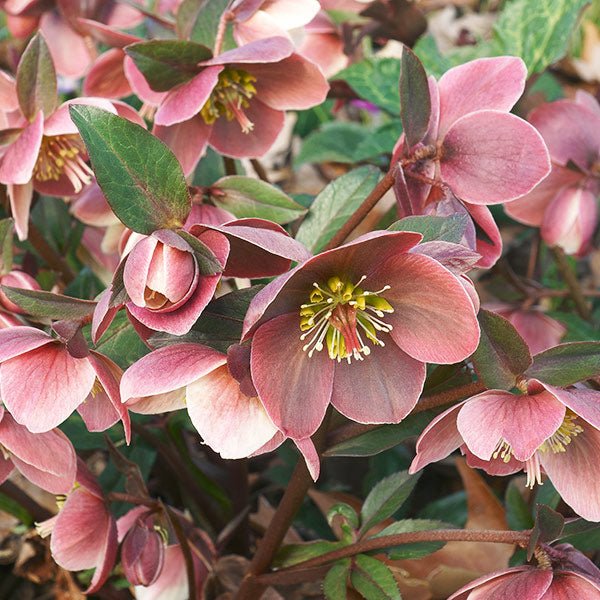
Gold Collection® Merlin Lenten Rose
These stunning, color-changing blooms start off a luminous pale-pink in the winter, but deepen to a bold cranberry-pink come springtime.

Nature Hills Nursery
English Ivy
Where it can be grown safely, there is nothing like the beautiful English Ivy. This ornamental plant will beautify your landscape, but should be used appropriately.
Nature Hills Nursery
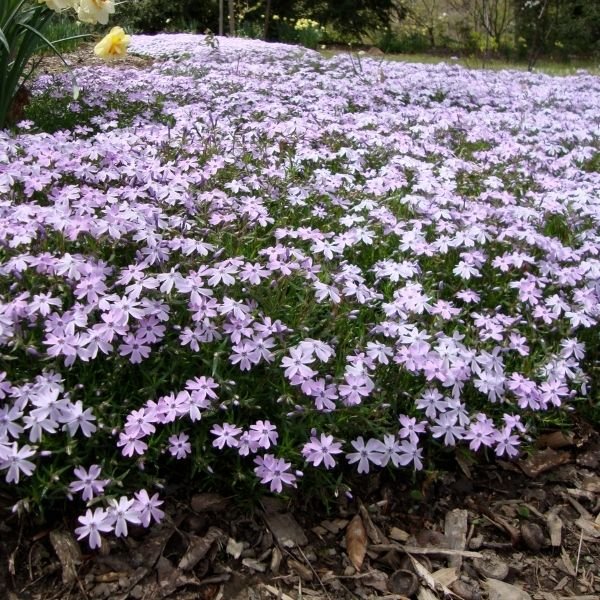
Emerald Blue Creeping Phlox
Blooming from April to May, the attractive lavender-blue blooms on this pretty groundcover plant are great for early emerging pollinators and visiting hummingbirds.
February – The Snow Fairy
(Image credit: Future Content Hub)
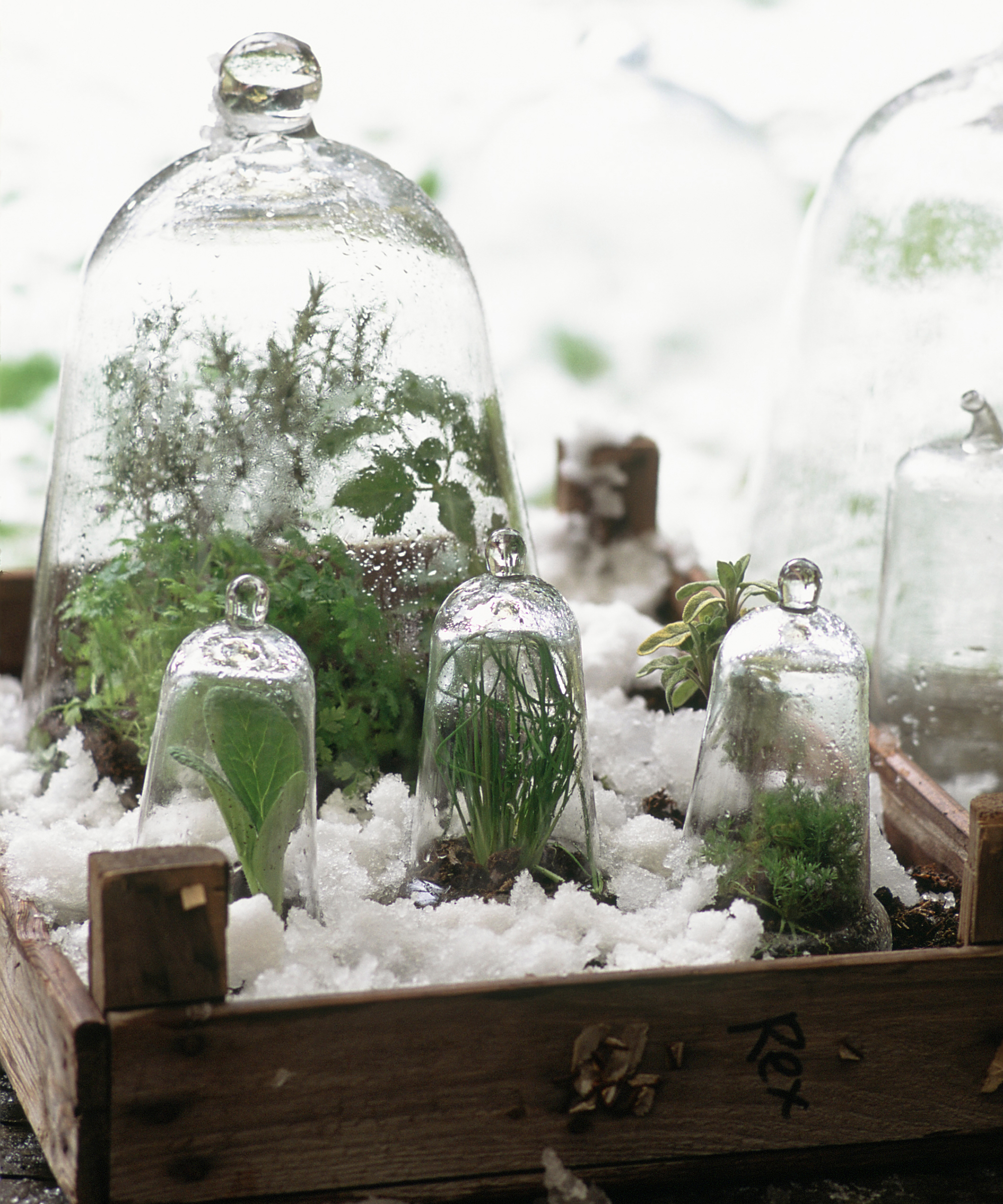
Delicate but resilient, snow fairies are tied to late winter’s quiet beauty – not just the frost and stillness, but the promise of change, too. February-borns often carry that same quiet strength, finding light in the colder, slower seasons, and lifting the spirits of those around them as they do so.
What to read next
To invoke the magic of your garden guardian, early bloomers are key. Winter bulbs like crocuses, snowdrops, and winter aconites bring that soft, ethereal feel these fairies are said to love (and they look seriously pretty to us non-fairies, too).
March – The Leprechaun
(Image credit: Sammyvision/Getty Images)
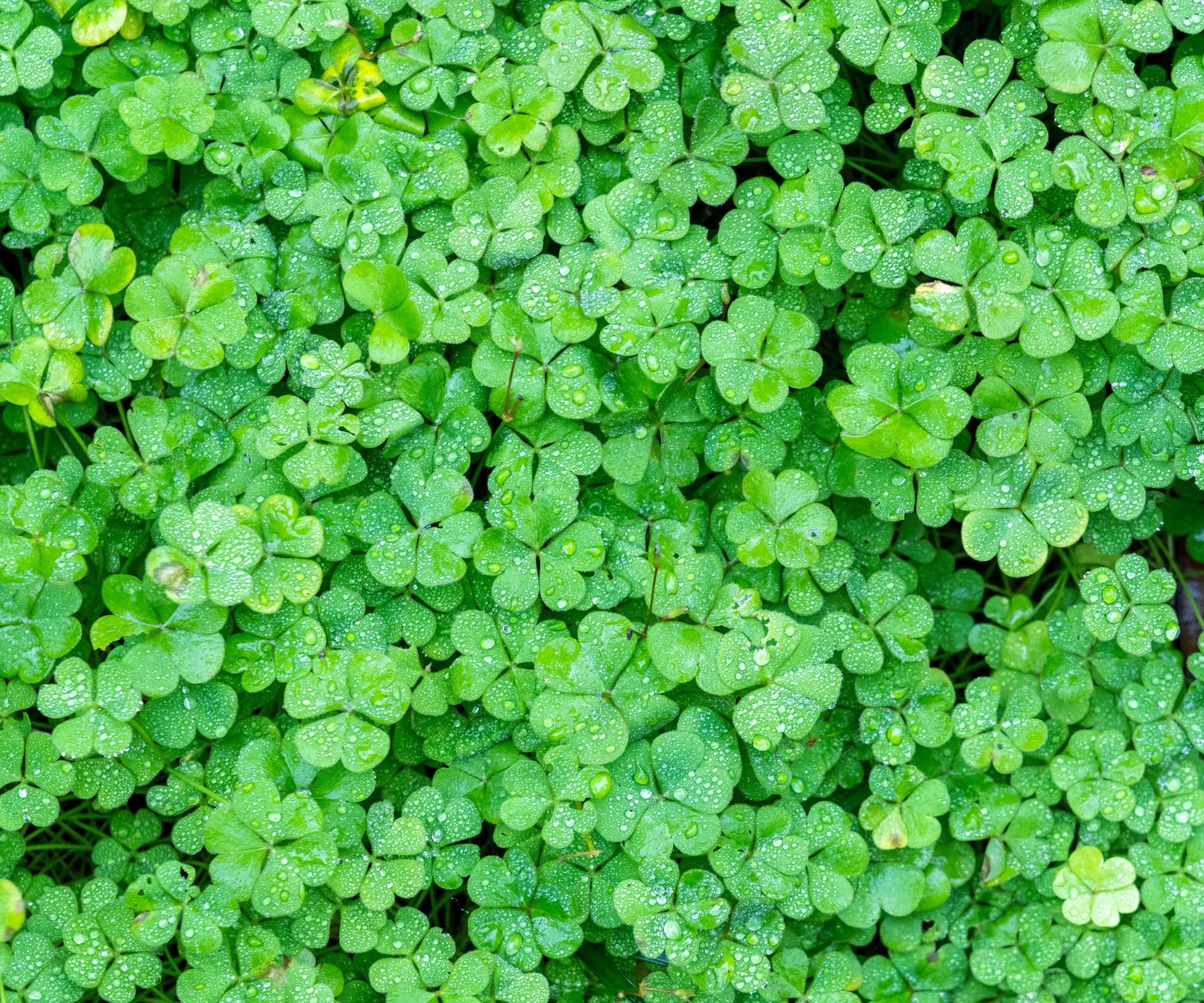
Mischievous, clever, and fiercely independent, the leprechaun promises more than just luck; these magical creatures are just as much about wit, resourcefulness, and a refusal to be pinned down. March babies tend to have that same spark, which means they are just as likely to fall for wild patches, clover, and native grasses.
SWEET YARDS
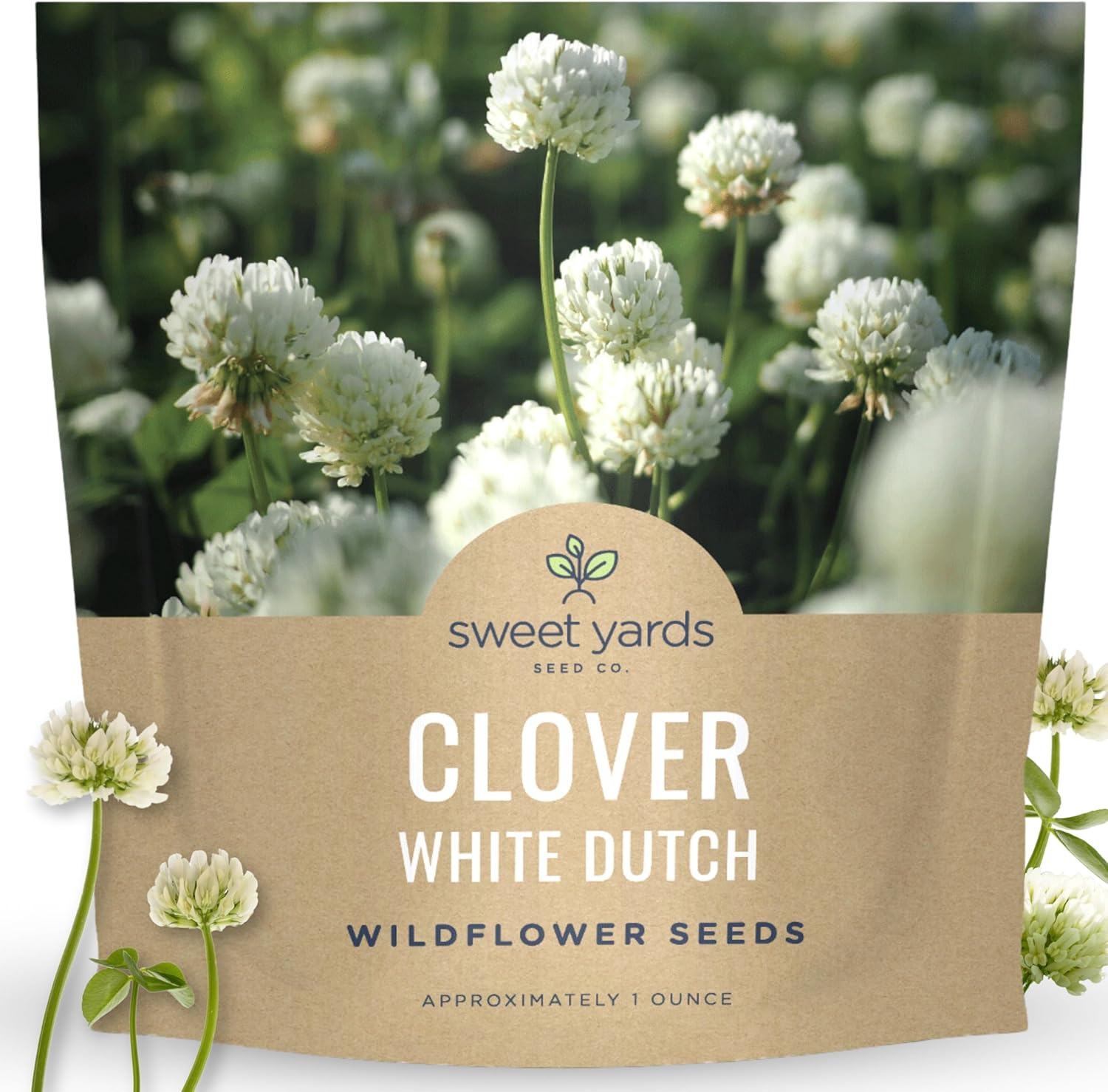
White Dutch Clover
Embrace the luck of the Irish with some bee-friendly white clover! Use it for meadowscaping or pot it up around your terrace.
A slightly chaotic lawn (good news for lazy gardeners everywhere) is exactly their kind of thing. Get rewilding, then, stat!
April – The Pixie
(Image credit: Jen Paul / Getty Images)
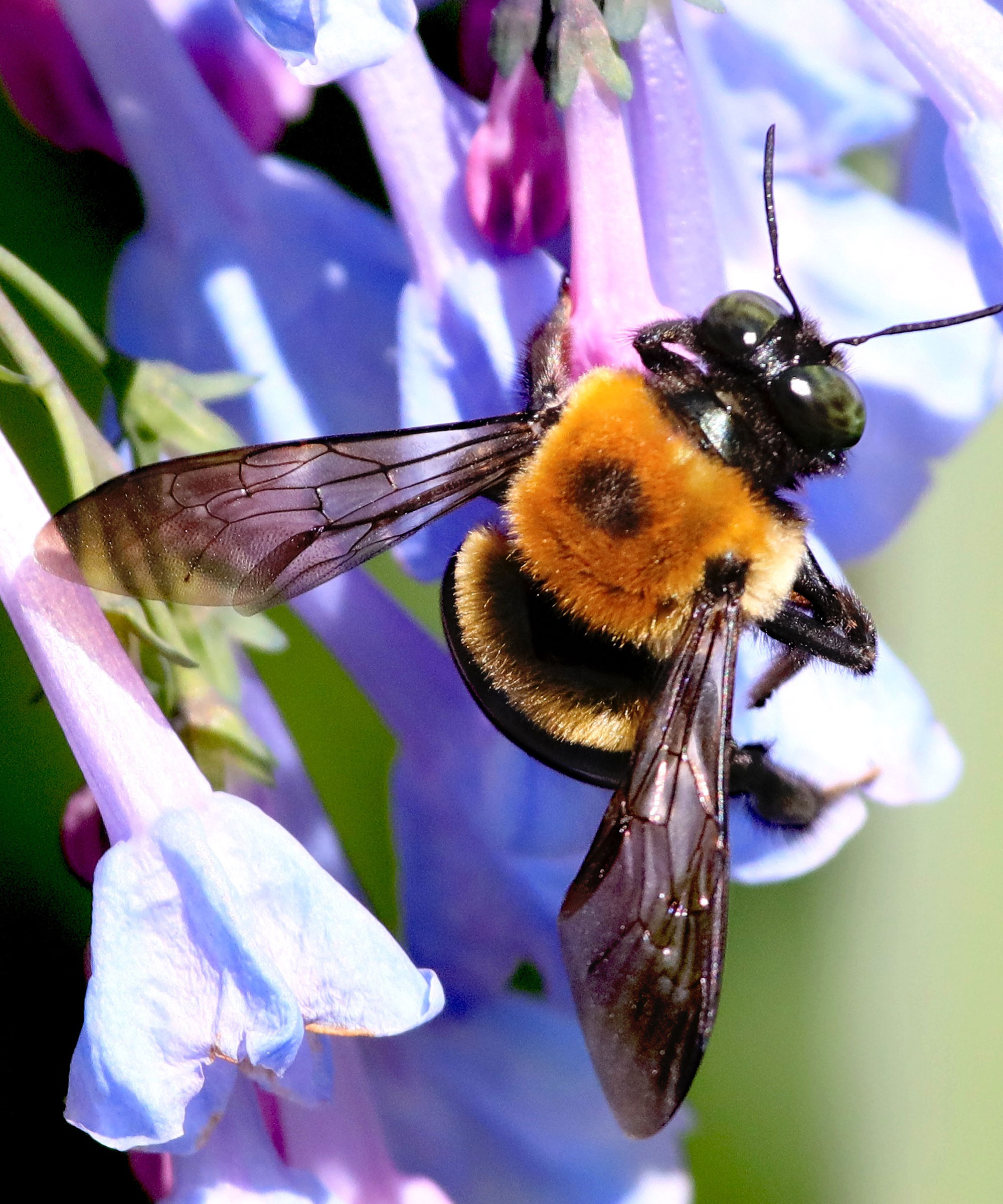
Playful, energetic, and a little unpredictable, pixies are said to delight in movement and mischief. If you’re an April baby, chances are you bring that same lightness into a space as your garden guardian, then, which means wind-tossed planting is ideal for your backyard.
American Beauties
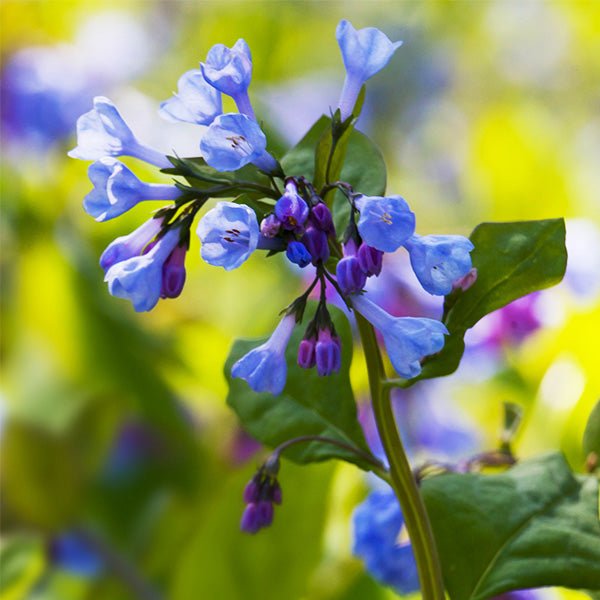
Virginia Bluebell
The Virginia Blue Bell is a native plant to the eastern United States, and can be grown throughout much of the country.
Bluebells, foxgloves, and anything that sways in the breeze will keep any wandering pixies (and yourself) more than entertained.
May – The Flower Fairy
(Image credit: Francesca Leslie / Shutterstock)
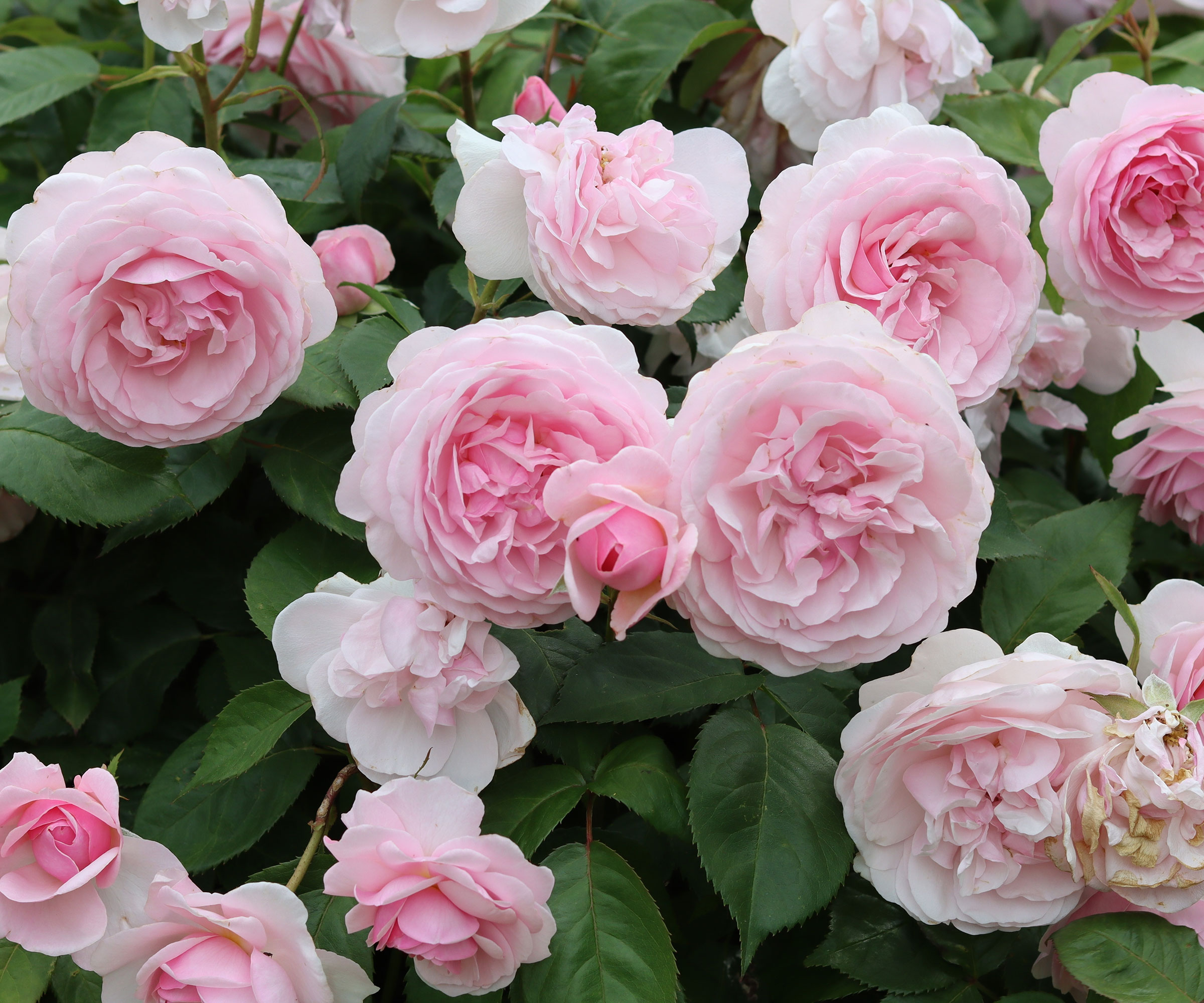
Gentle, nurturing, and deeply connected to growth, flower fairies are (no surprises here!) the caretakers of petals and blooms. Much like their birth month garden guardians, May babies possess that same warmth and ability to help things flourish, which makes them a dab hand at tending to pretty flowers.
This one’s simple, then: plant flowers, and lots of them. Roses, peonies, and cottage garden classics are said to be their favourites.
Get Planting:
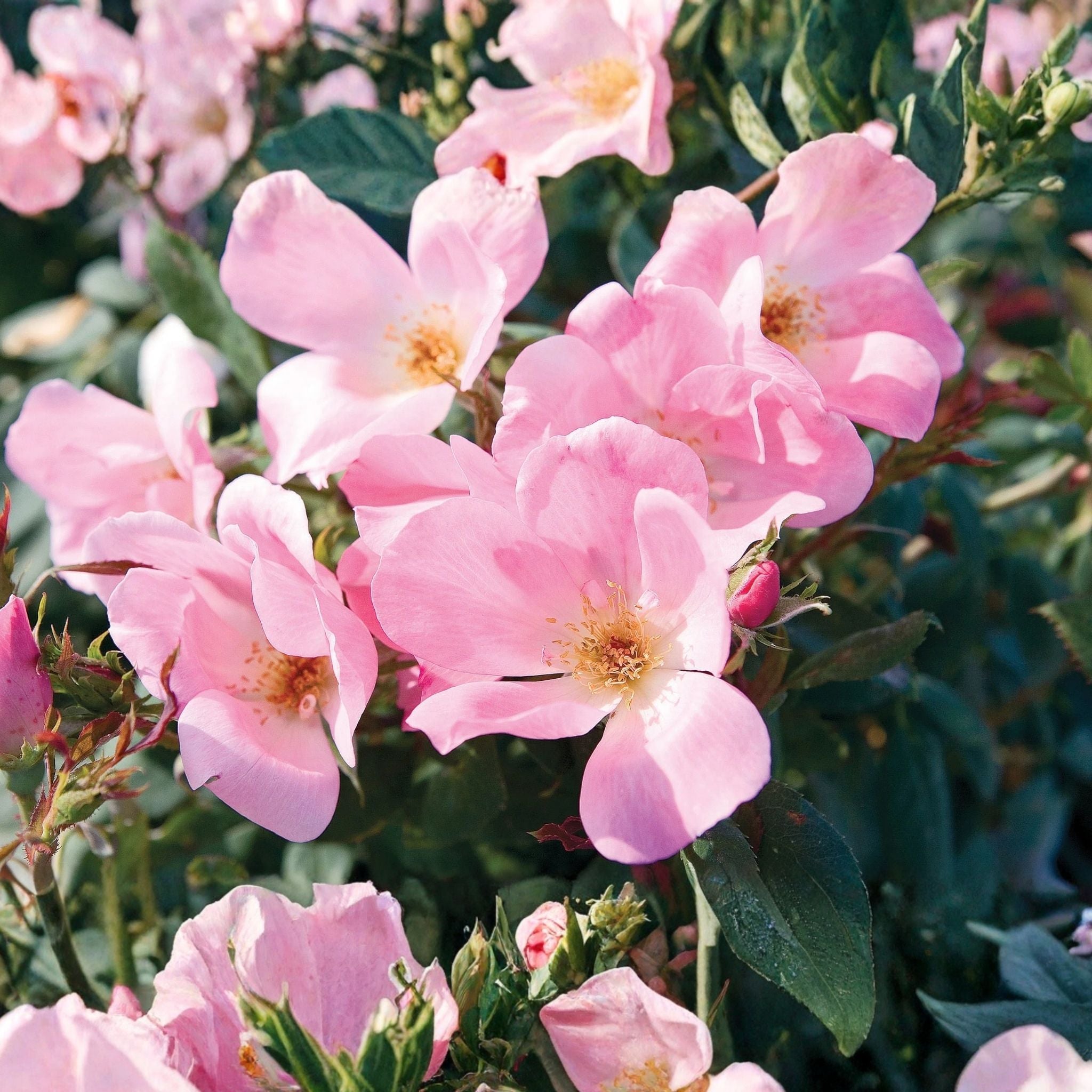
Knock Out® Roses
Blushing Knock Out® Shrub Rose
This (happily disease-resistant) rose has continuous blooms with light pink, single flowers that fade gracefully into a soft shell pink.
Nature Hills Nursery
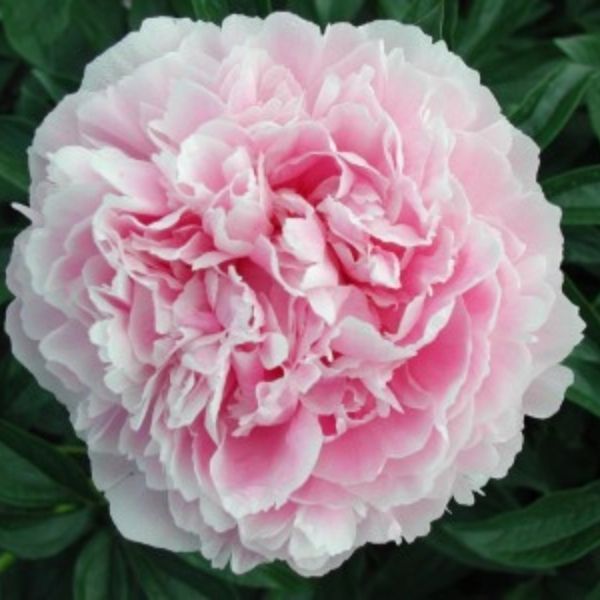
Sarah Bernhardt Peony
Butterflies and pollinators will adore these fluffy pink blooms every bit as much as you and your other garden visitors do.
Nature Hills Nursery
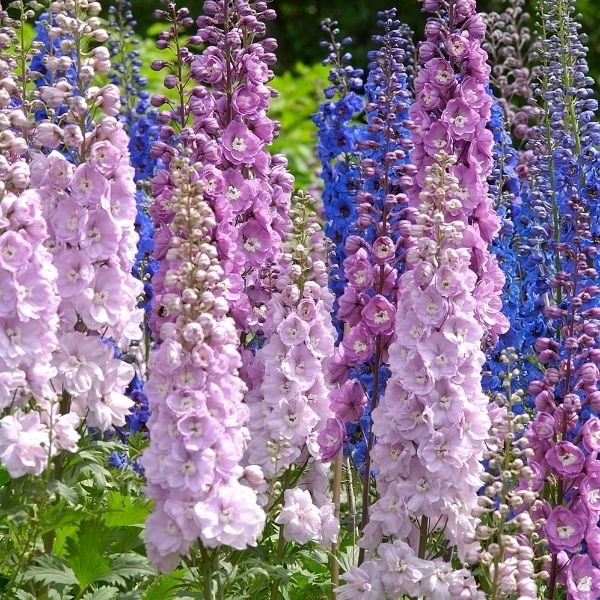
Guardian Mix Delphinium
A cottage garden bloom which promises whimsy and a uniform bloom time, cold-hardiness, and heat tolerance? We’re sold.
June – The Nymph
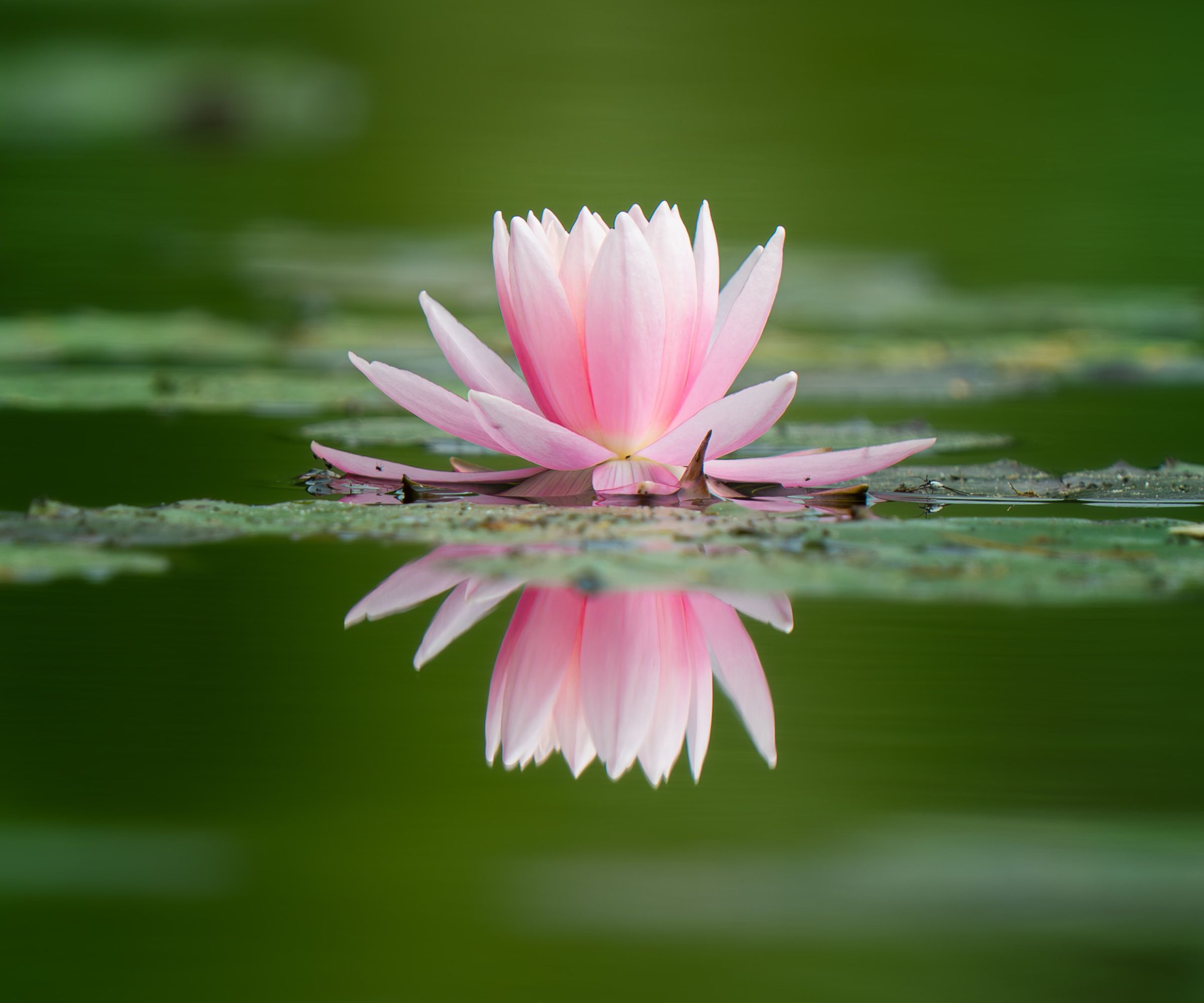
(Image credit: Ebin Jose / 500px / Getty Images)
The birth month garden guardians of natural spaces, nymphs are tied to water, trees, and fertile landscapes. Unsurprisingly, then, June babies tend to be intuitive, expressive, and deeply connected to their surroundings – so be sure to add water to your space if you can, even if it’s just a small bowl or pond (this Aquascape Pond and Waterfall Kit from Amazon is ideal).
Surround it with ferns, grasses, and soft planting, and voila! You and your magical nymph (should they pay a visit) should both be very happy.
July – The Firefly Spirit
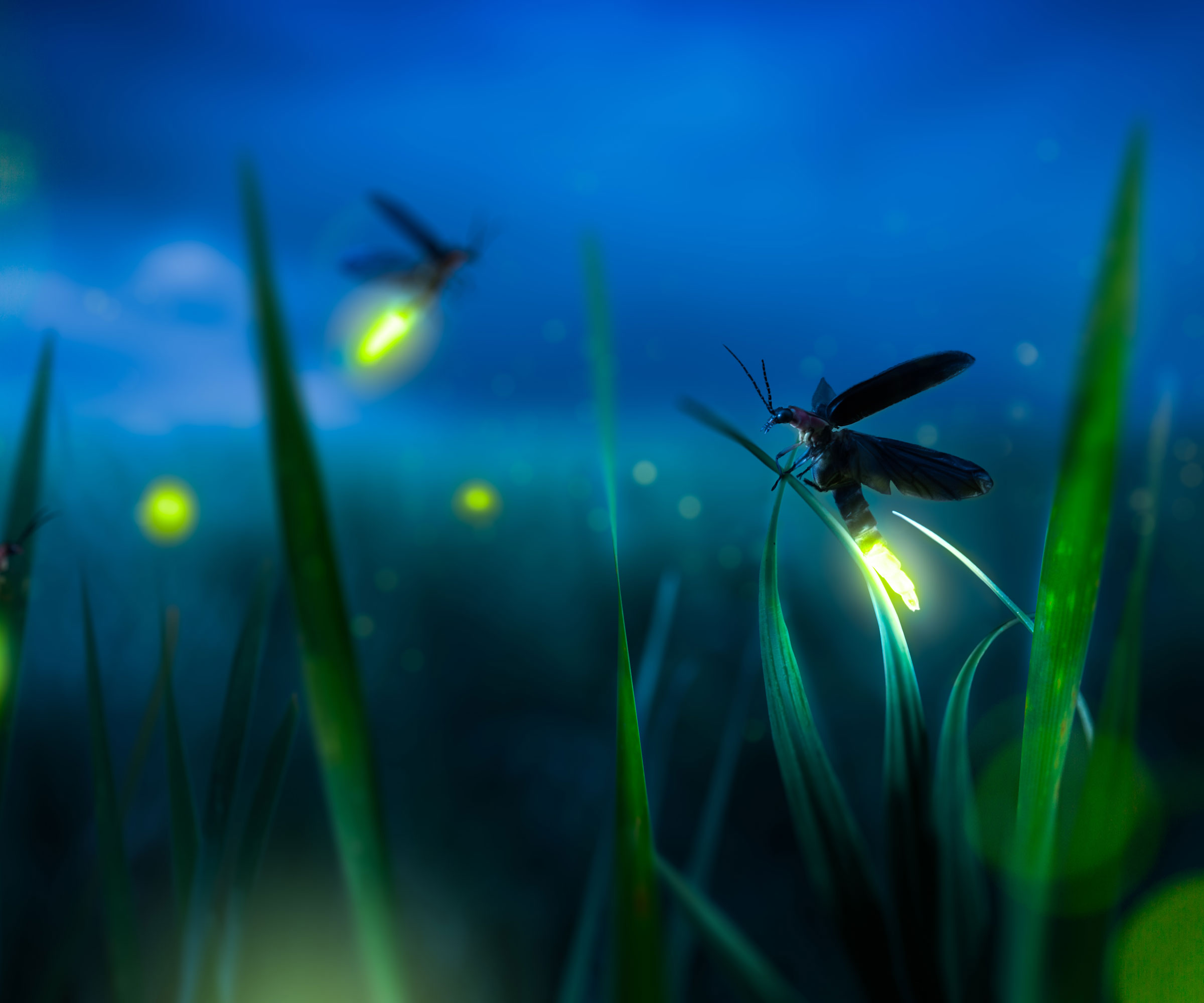
(Image credit: Fer Gregory / Shutterstock)
Is there any sight more magical than that of fireflies bobbing around the place? Bright, fleeting, and full of warmth, these gentle spirits are said to embody summer evenings and quiet wonder. July-borns, too, often bring light and energy wherever they go.
If this speaks to you, then be sure to grow plants that attract fireflies. Night-scented plants like jasmine and nicotiana, plus long grass or wild corners where insects can thrive, are the way forward.
Get Planting:
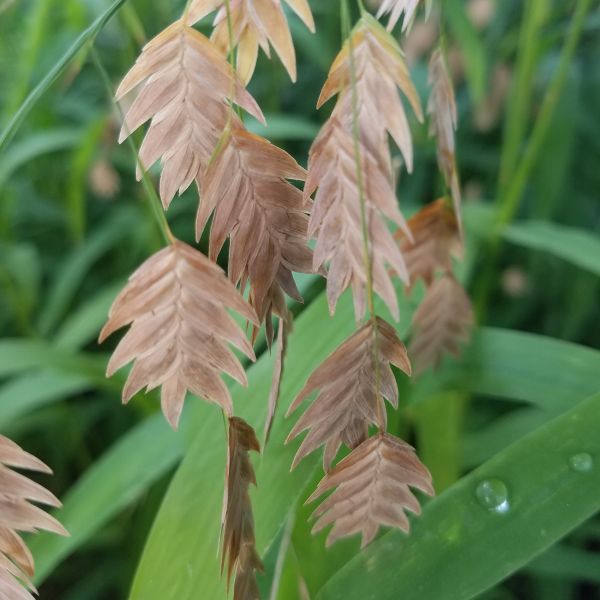
Graceful, airy seed heads provide shelter and vertical structure, perfect for fireflies to perch and hover around.
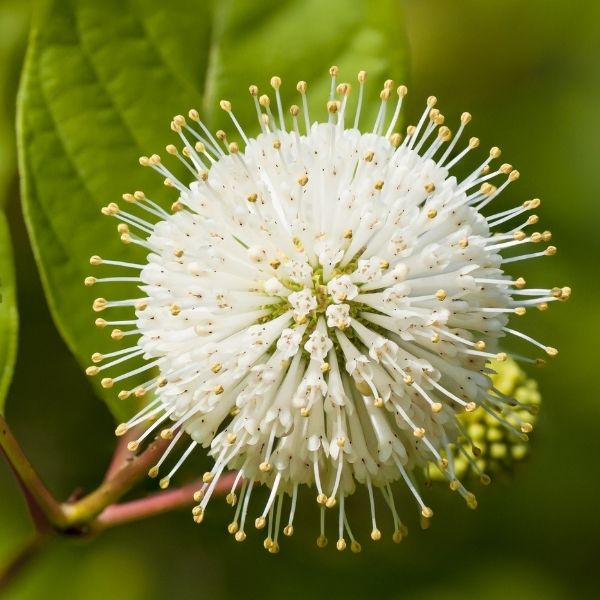
Crimson Comet Buttonbush – #3 Container
Round clusters of white blooms in wetlands or moist areas attract insects and create safe resting perches for fireflies.

Rosie Josie Joe – Pye Weed
These tall, airy, mauve flower clusters that bloom in mid-to-late summer, attracting pollinators and providing cover for fireflies.
August – The Dryad
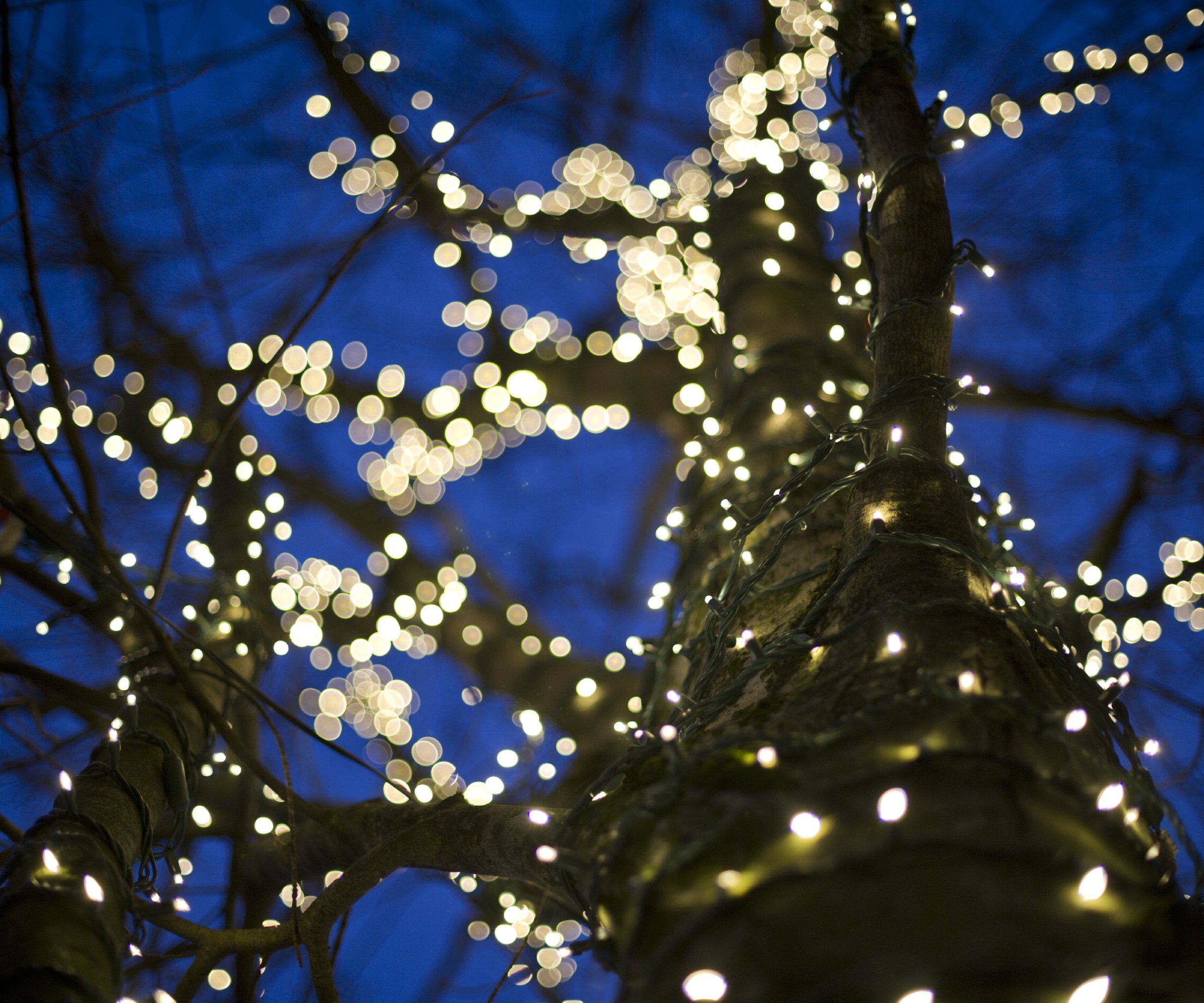
(Image credit: Matt McDonald / Getty Images)
Tree spirits through and through, dryads are strong, rooted, and protective of their surroundings. Much as you might find with your birth month tree, August personalities tend to have that same grounded, quietly powerful presence, watching over those they love with care and attentiveness always.
Guess what? The best thing to do here is plant a native tree, or at the very least lean into the world of shrubs and structure. Hawthorn, oak, or even a small ornamental tree will do, and they’re not just great for whimsy; they’re all ideal for gardeners thinking about climate-smart planting, too.
September – The Sidhe
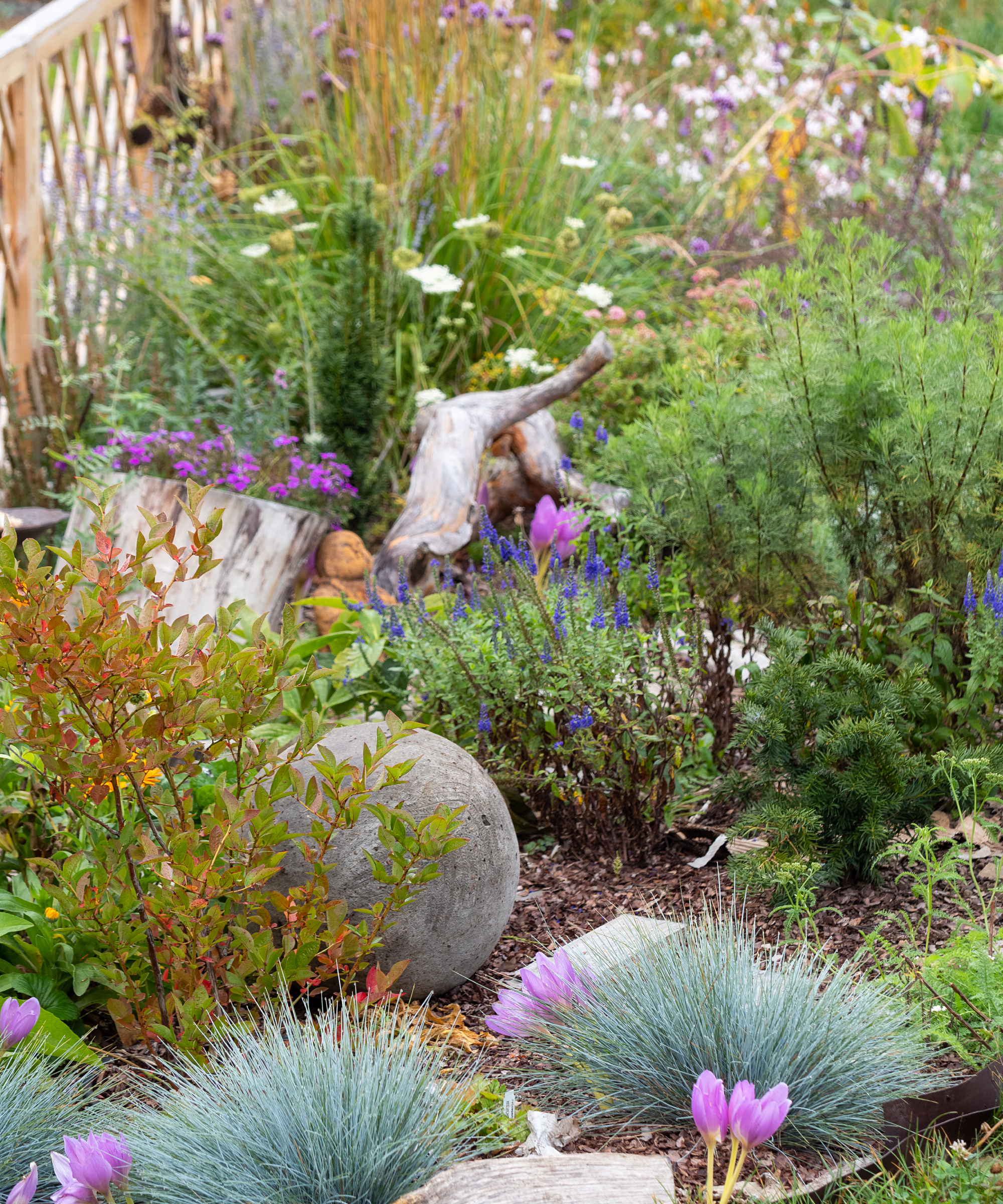
(Image credit: TorriPhoto / Getty Images)
Wondering which birth month garden guardian is aligned with those born in September? Why, it’s the Sidhe. Often viewed as descendants of the Tuatha Dé Danann, these supernatural beings are elegant, mysterious, and deeply tied to the land, which is why they’re said to inhabit ancient landscapes.
Much like them, September-borns tend to possess wonderful depth, sensitivity, and a love of beauty. Ornamental grasses, soft planting, and slightly wild edges, then, are the order of the day for a backyard that speaks to your soul; be sure to avoid anything too rigid or over-manicured.
You could even try planting your own fairy ring of spring bulbs, if you wish,
Introduce Some Whimsy:
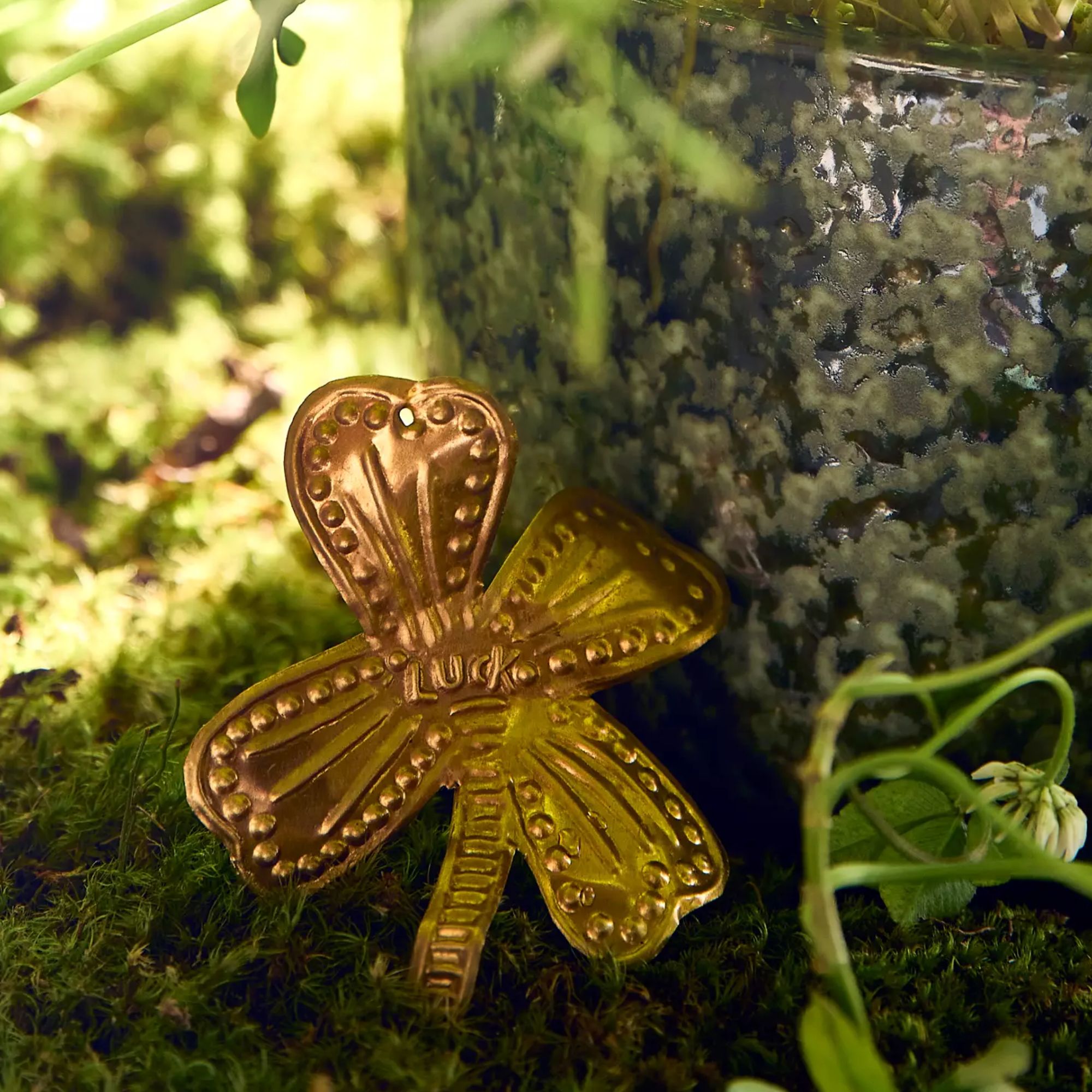
Terrain
Lucky Clover Embossed Brass Charms, Set of 4
Everyone could use a little extra luck in the garden, right? Especially when it’s as faeriecore-coded as this.
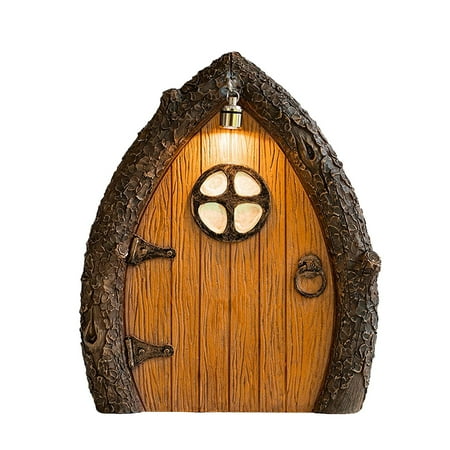
Xoiie
Fairy Door for Trees
Try adding a beautiful little fairy door to a quiet corner of your garden, and see who might wind up using it.
Bgliely
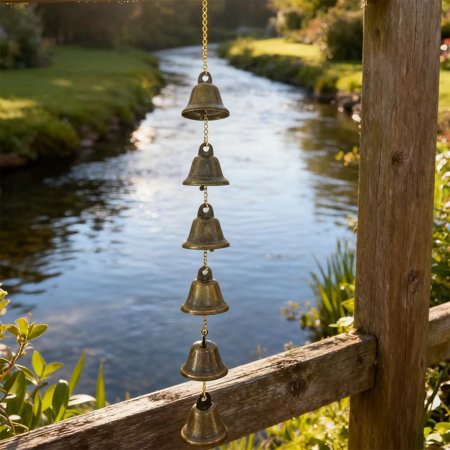
Metal Wind Chime 19”
Is there anything more enchanting than the sound of bells and chimes floating by on the breeze?
October – The Hedge Witch’s Familiar
(Image credit: Stellacollection / Shutterstock)
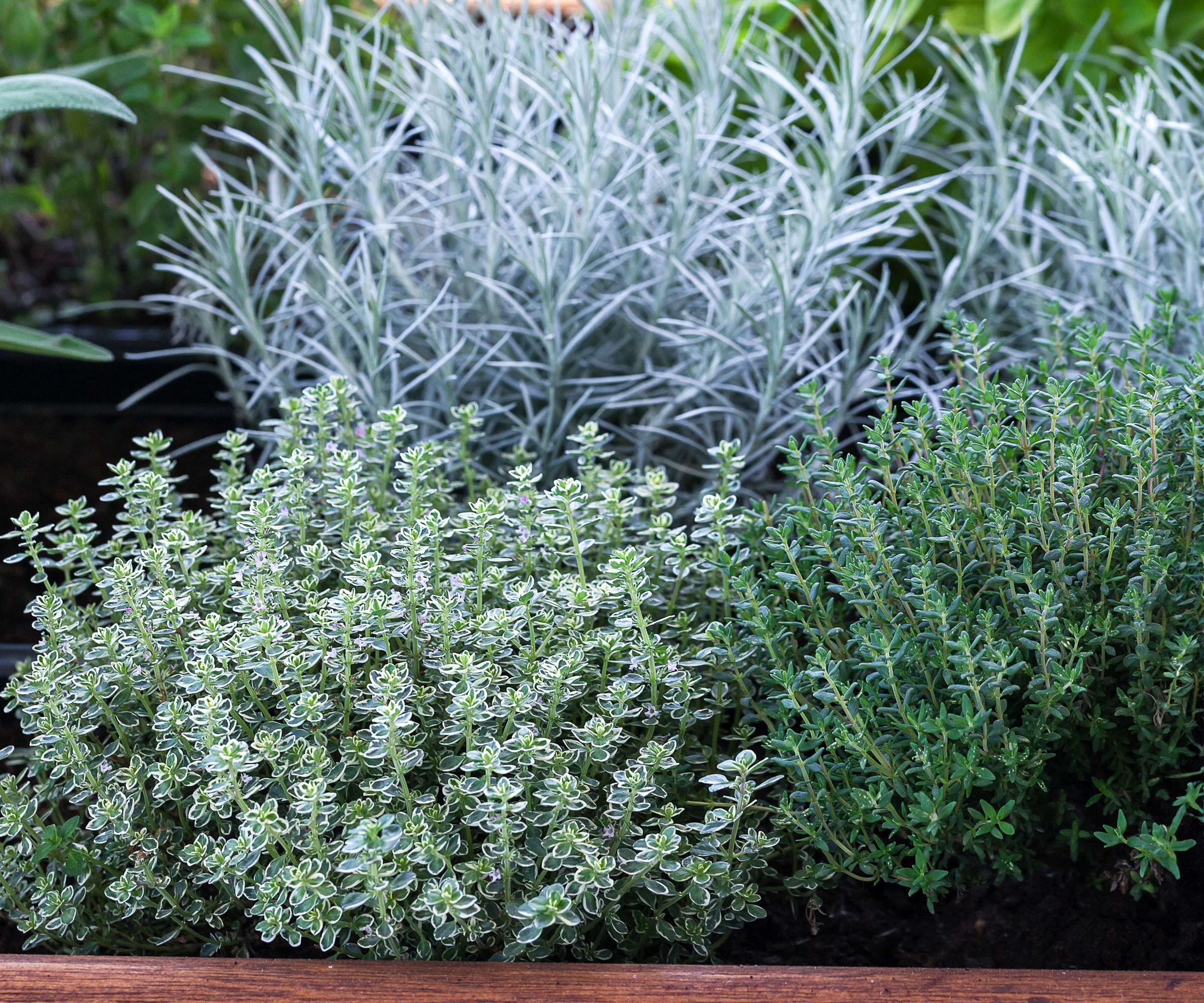
Protective, intuitive, and a little enigmatic, the birth month garden guardian for October is the hedge witch’s familiar. These garden-bound spirits are said to watch over thresholds and boundaries, which means those of us born in the spookiest month of all are a little mysterious, passionate about those we love, and driven by instinct and intuition (which very rarely steers us wrong).
Want to make them feel at home? Herbs are key , particularly rosemary, sage, thyme. A small herb border or corner, or even a few pots on a sunny sill, is keen to tapping into that energy.
November – The Boggart
(Image credit: Oleksandrum / Shutterstock)
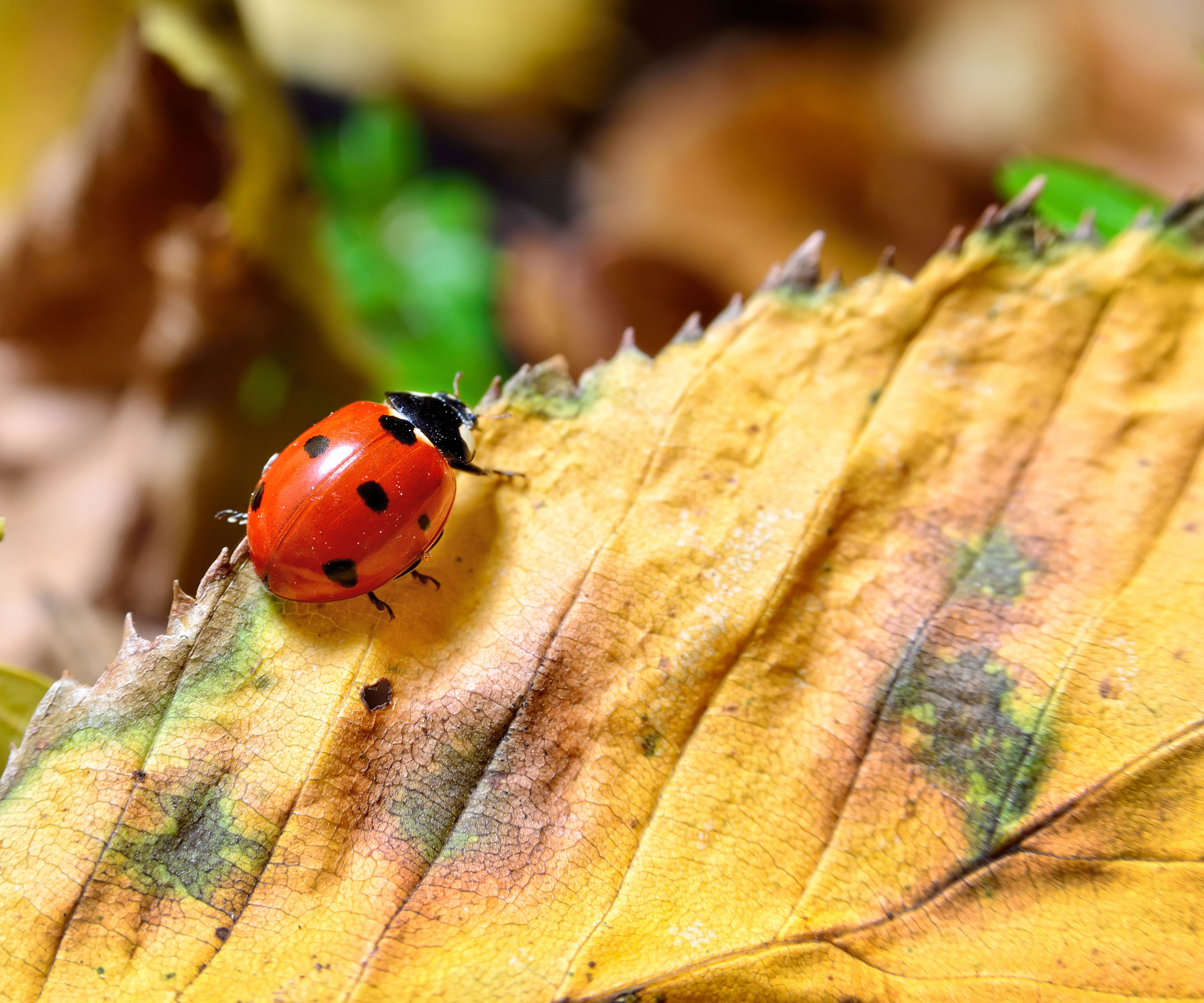
We know what you’re thinking, but don’t let the boggarts of Harry Potter color your views on these fantastical creatures. A slightly chaotic energy (in the best way), boggarts are said to thrive in overlooked corners and untidy spaces. Much like their birth month garden guardians, November-borns often embrace complexity and aren’t afraid of the messier parts of life (which is why we love them so).
Leave a wild corner for you and your inner boggart, we say. Leaf piles, logs, and undisturbed spaces are essential for the natural world and your spirit to thrive.
December – The Yule Elf
(Image credit: Kamila Koziol / Shutterstock)
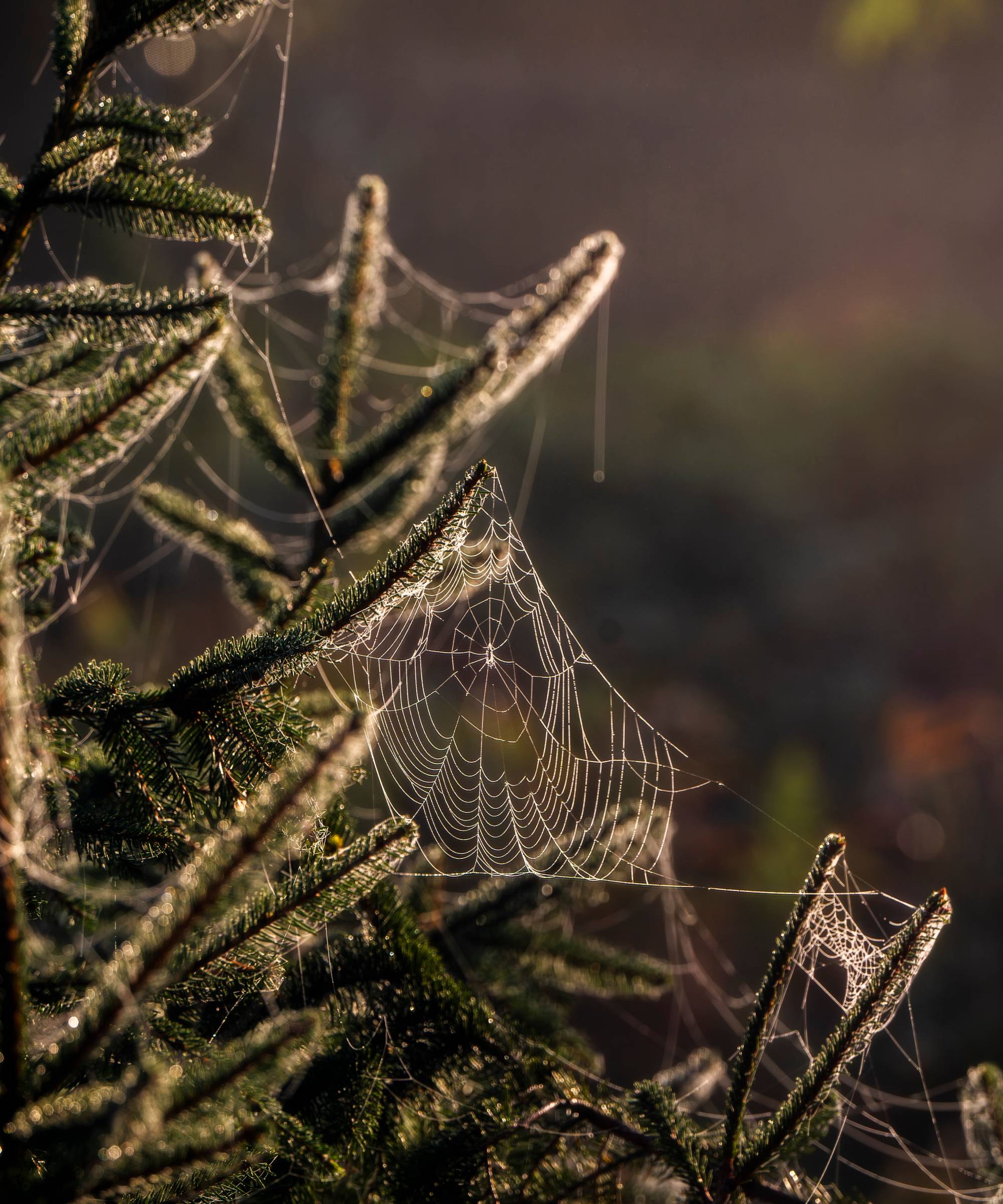
Last but by no means least, the birth month garden guardian for December is the yule elf. Busy, creative, and quietly magical, yule elves are tied to winter warmth and making things behind the scenes. December personalities, as a result, often bring comfort and creativity to others – and more than a little magic, too.
If you wish to pay homage to your yule elf energy, then, plant evergreens, holly (we love this Blue Princess Holly from Nature Hills, if you’re interested), and plants with plenty of winter interest. And be sure to add soft lighting for that cozy glow, too.
Of course, I hasten to point out there’s no scientific proof that planting foxgloves will attract a pixie, or that leaving a log pile will encourage a brownie to quietly tidy your borders overnight. Still, that’s not really the point; gardening has always been about more than just what we can measure. It’s about how a space feels – the stories we attach to it, the small rituals we build into it, and the sense that, in tending to something living, we’re part of something a little bigger.
Honestly, if imagining a tiny guardian tucked beneath your plants makes you linger outside just a little longer? Well, that sounds like a good reason to plant something new. Time to get to work in earnest…










Practical and pretty — bookmarking this 🙂
Absolutely — that’s a lovely detail. Great share.
Also • Loved this about “Meet Your Birth Month Garden Guardian (A” — such a lovely idea. Great share.
Also — Well said — couldn’t agree more.
Also — Well said — couldn’t agree more.
Also — Well said — couldn’t agree more.
Also — Well said — couldn’t agree more.