How to Attract Lacewings and Keep Them Around
And how attract — a quick note to anchor this piece for readers.
And how attract: Quick notes
Creating a home for them in our gardens is rather straightforward, with a great deal coming down to the same elements as for all beneficial insects: food, water, shelter, and avoiding chemicals.
Food: Keep Some Aphids Around
Wipe off aphids occasionally or use a bit of water from the hose if you need to keep them in check, but otherwise allow them to exist. We cannot have beneficial insects show up if there is no food for them to eat.
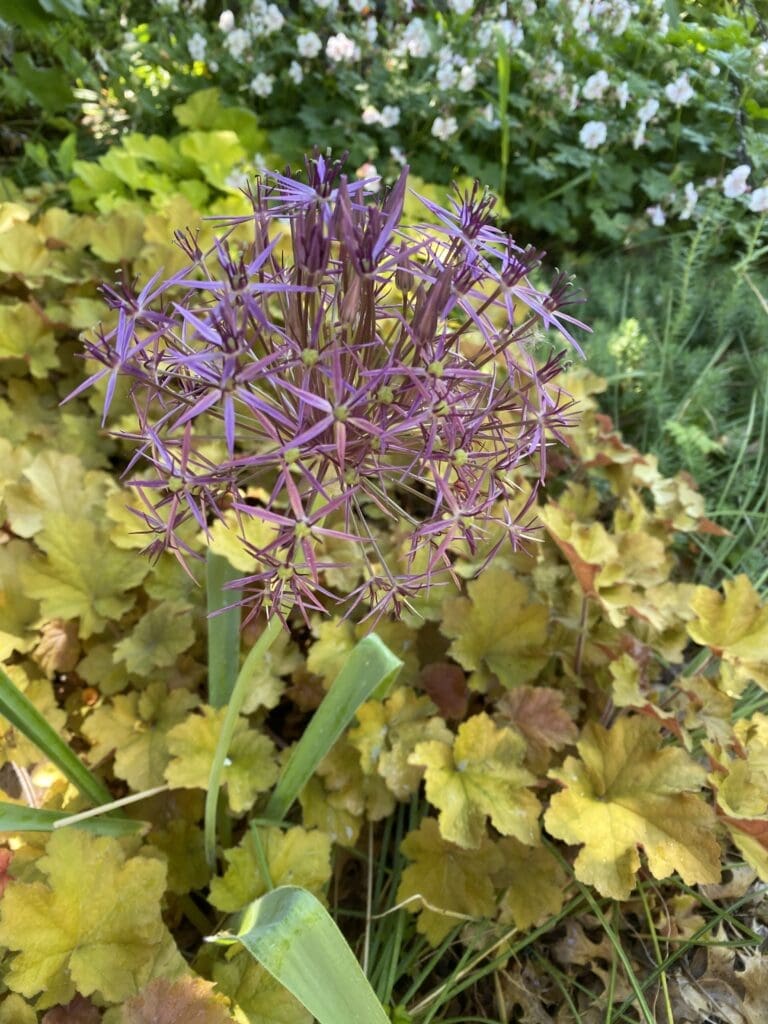
At this point, I have not found any particular plant to be essential for attracting lacewing adults. Desert willow, yellow bells, and Mexican olive have all proven to be just as effective as dill and yarrow. Milkweed has provided a great deal of food for the larvae by attracting aphids, but other plants have also attracted thrips and spider mites, which have been eagerly consumed by the lacewing larvae. For more on which plants bring in the most beneficials, this guide to plants that attract beneficial insects and pollinators is a good starting point.
Take advantage of the rare gift we have in the low desert of being able to have various things blooming most of the year in order to attract adults. Many of the same plants that attract lacewings will also bring in butterflies and other beneficial visitors. This Arizona butterfly garden guide is a good companion resource if you are thinking about your garden as a whole habitat.
Water and Shelter
There is less need for water in terms of a specific setup for lacewings. They do need shelter, though. Adults need spaces to hide from birds and other predators during the day.
Occasionally, you can find the larvae resting
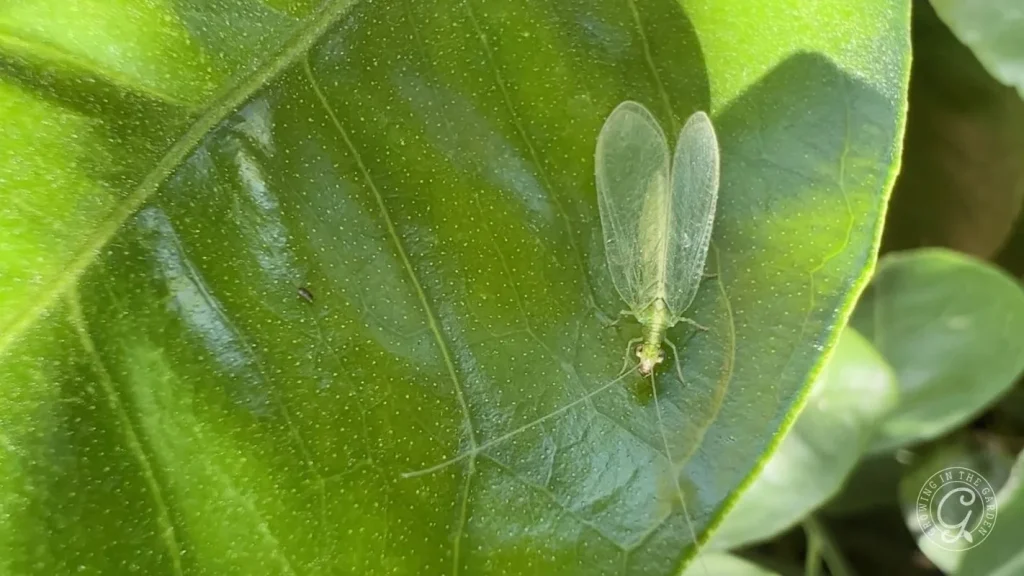
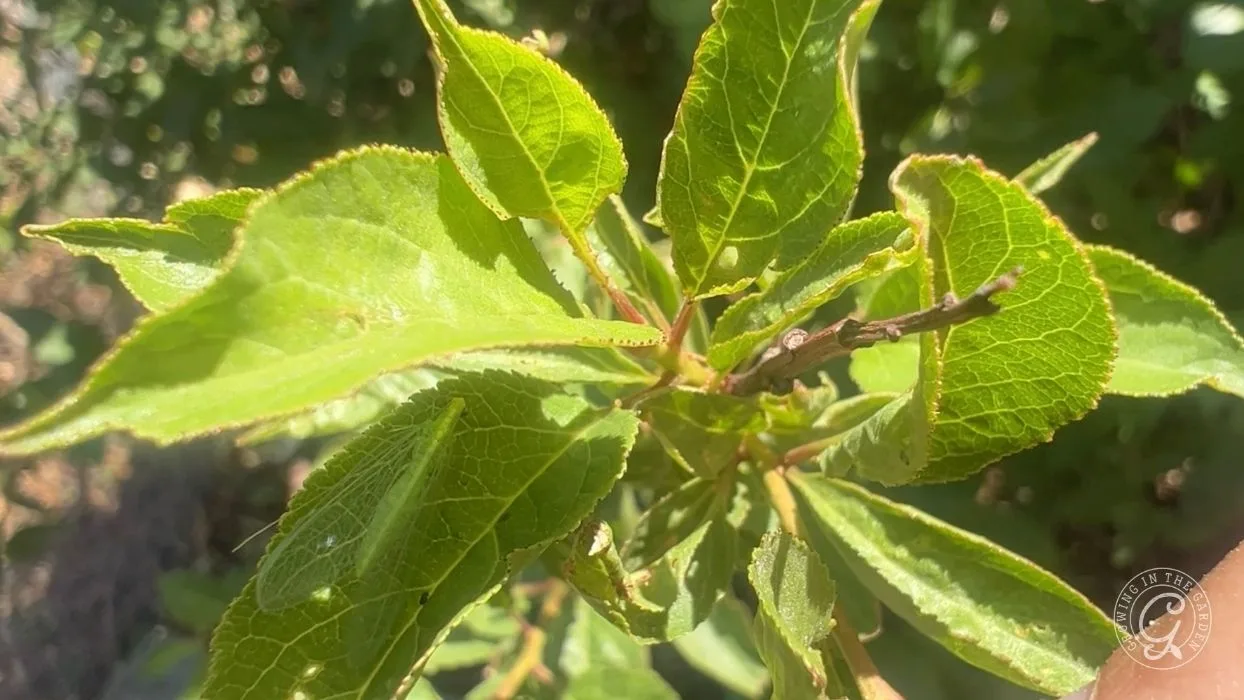
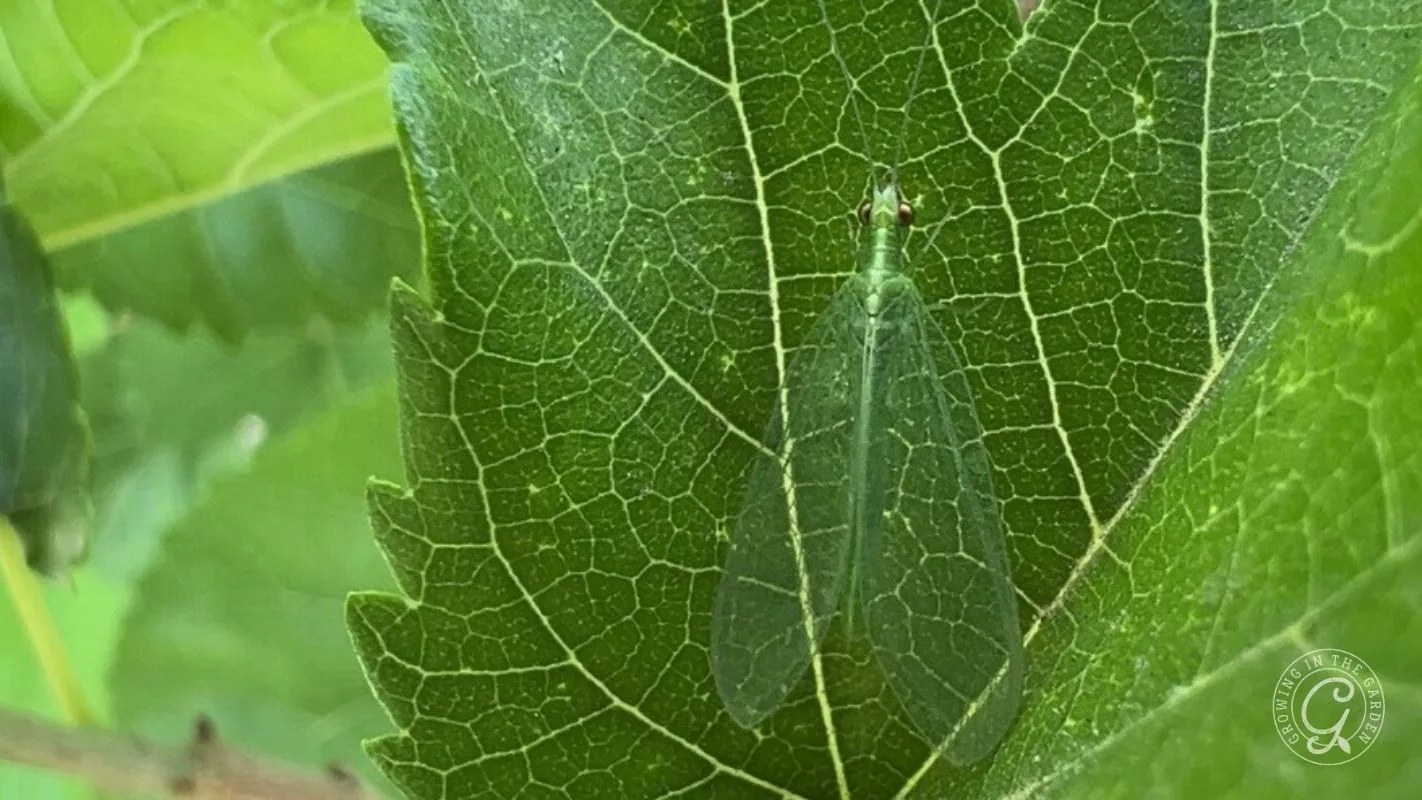 Blending in with the leaves is a great way for the adults to avoid predators
The larvae seem largely unconcerned about shelter during their feeding period, but will want less-disturbed spaces once it is time to spin their cocoon. Leaf litter and mulching your garden well create exactly the kind of layered habitat both adults and larvae can use.
No Broad-Spectrum Insecticides
 Larvae looking for aphids on the dill
I realize that avoiding chemicals is a difficult approach. But we have to think about the consequences of our actions. We are trying to create a space that allows not just the adults to show up, but for the larvae to thrive. When we spray chemicals — even ones listed as organic — we are often causing harm to the very insects we strive to encourage.
This is not a fast or quick solution. This is about long-term planning to create a healthy growing space that will produce abundance. For a broader look at building that kind of garden, preventing garden pests organically covers the full picture well. Keep the aphids and other soft-bodied insects around at a level that does not destroy your plants, and the lacewings will have a reason to stay.
It will not happen overnight, and there will be challenges, but ultimately it will pay off, and the space will thrive.
And how attract comes up here to connect ideas for clarity.
We reference And how attract briefly to keep the thread coherent.