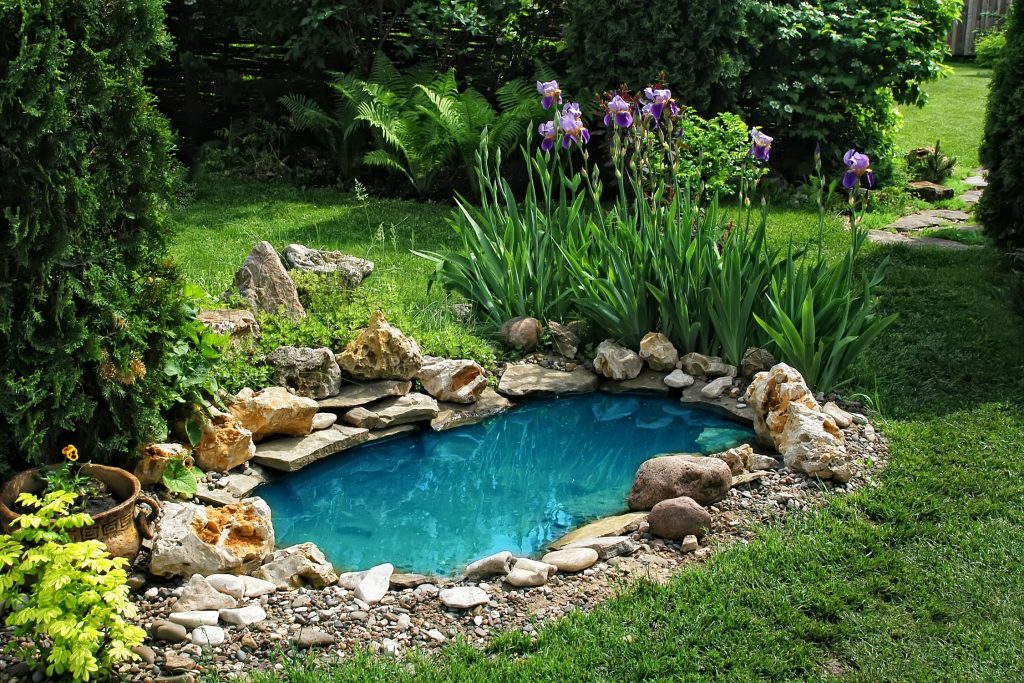
A garden pond offers more than visual charm, as it supports diverse ecological processes that enrich soil, water, and surrounding plant life. Water features create balanced habitats that promote resilience within natural systems.
Ponds serve as small yet powerful ecosystems that reflect broader environmental relationships, connecting water, plants, animals, and microorganisms into one dynamic system. Understanding the ecological benefits of adding a pond to your garden will help you create environments that thrive without excessive intervention or artificial support.
Enhanced Biodiversity
A pond attracts different insects and mammals that depend on water sources for survival, rest, and reproduction within gardens. These visitors introduce new interactions that enrich ecological balance and support pollination.
Native plants around the pond provide shelter and food, encouraging species to settle and contribute to ecosystem stability across seasons. Each new organism strengthens ecological resilience through complex relationships that reduce vulnerability to sudden environmental shifts or disturbances.
Natural Pest Control
A healthy pond supports predators such as frogs and dragonflies that reduce insect populations without chemical treatments or external interventions. These species feed on pests that damage plants, helping maintain plant health while preserving ecological integrity across the entire garden.
Balanced ecosystems rely on predator and prey relationships that keep populations within sustainable limits, preventing harmful outbreaks that threaten plant vitality. Water attracts insects that serve as food sources, creating a chain of interactions that regulate populations naturally.
Water Conservation
A pond captures rainwater and reduces runoff, allowing water to remain within the garden rather than draining away into external systems. This conservation supports sustainable water use and reduces dependence on external irrigation sources for maintaining plant health.
Recycled water within the pond supports aquatic plants and wildlife while contributing to moisture levels that benefit surrounding vegetation naturally. This efficient use of water promotes environmental responsibility and aligns with sustainable gardening practices that protect natural resources.
Nutrient Cycling
Ponds facilitate nutrient cycles through decomposition and biological processes that convert organic material into usable forms for plants and organisms. These cycles maintain balance within the ecosystem and prevent the accumulation of waste that could disrupt ecological stability.
Learning how to keep your pond’s ecosystem healthy will help maintain proper nutrient balance and prevent excess buildup that leads to ecological imbalance. This awareness supports a thriving ecosystem that remains stable over time with minimal intervention.
Aesthetic and Ecological Harmony
Adding a pond to your garden introduces movement, reflection, and sound that contribute to a calming and engaging outdoor environment. These qualities complement ecological benefits and create a harmonious space that encourages interaction with nature.
Beauty and function coexist within pond ecosystems, demonstrating how design can align with environmental responsibility and sustainability principles. Thoughtful integration ensures that aesthetic elements do not compromise ecological balance or long-term health.
Adding a pond to a garden transforms the space into a thriving ecosystem that supports biodiversity and enhances sustainability. Each ecological benefit contributes to a system that operates efficiently, requiring minimal intervention while delivering lasting environmental value. The pond becomes more than a feature, serving as a living network that connects soil, water, plants, and wildlife.