Happy Monday GPODers!
We’ve been enjoying some incredible photos of the first spring blooms slowly emerging in northern gardens this week, but today we’re heading south to see a spring garden that starts off vibrant and bursting with blooms. These photos come courtesy of Susan in Greenville, North Carolina (Zone 8A), and showcase the many flowers that fill her garden early in the season, beating the heat and allowing her to enjoy beautiful displays before mosquitos take over. If you have been in need of a vibrant garden fix, Susan’s garden is exactly what the doctor ordered.
I have been gardening here for about 30 years. Over time, I have moved from a planned, perfectly spaced group of plants to only planting what I love and planting where it works for the plant. I find that there is always room for one more! My appreciation for flowering shrubs and shrubby perennials has grown over the years. I have been inspired by other gardeners and plant more things in containers which really helps since the soil is a bit on the sandy side here. Spring is the best time in my garden before it gets so very hot and humid and the mosquitoes become unbearable. I have stopped fighting the shade and learned to go with it. Many of the plants in my garden bloom in the early spring just as the trees are becoming fully leaved. The plants spend the rest of the summer showing off their foliage in the shade. It seems to work.
The sweet scent of mock orange (Philadelphus coronarius, Zones 4–8) is always welcome.
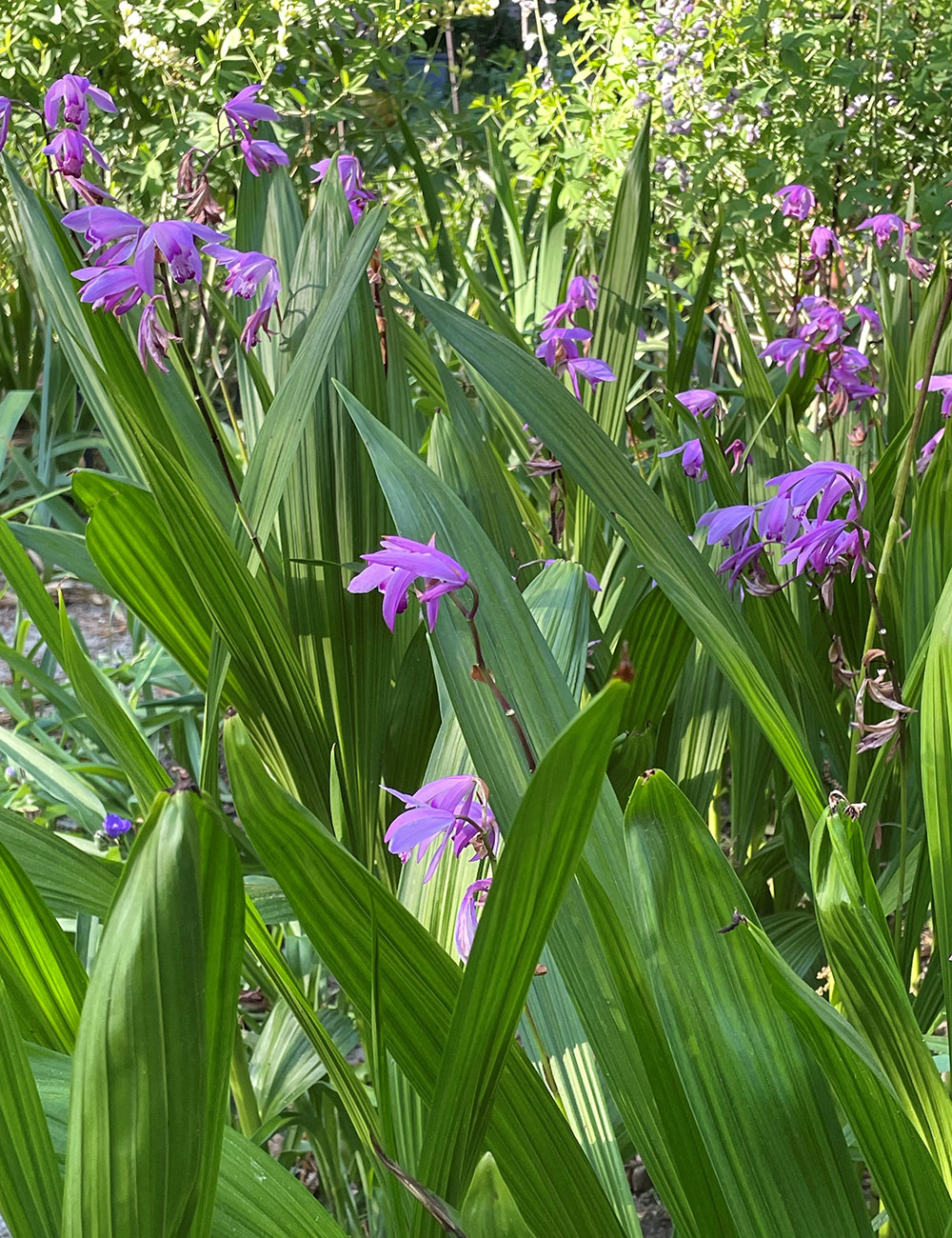 Bletilla bulbs (Bletilla striata, Zones 5–9) spread readily and the color is just vibrant. Fortunately, we did not have a late freeze this spring.
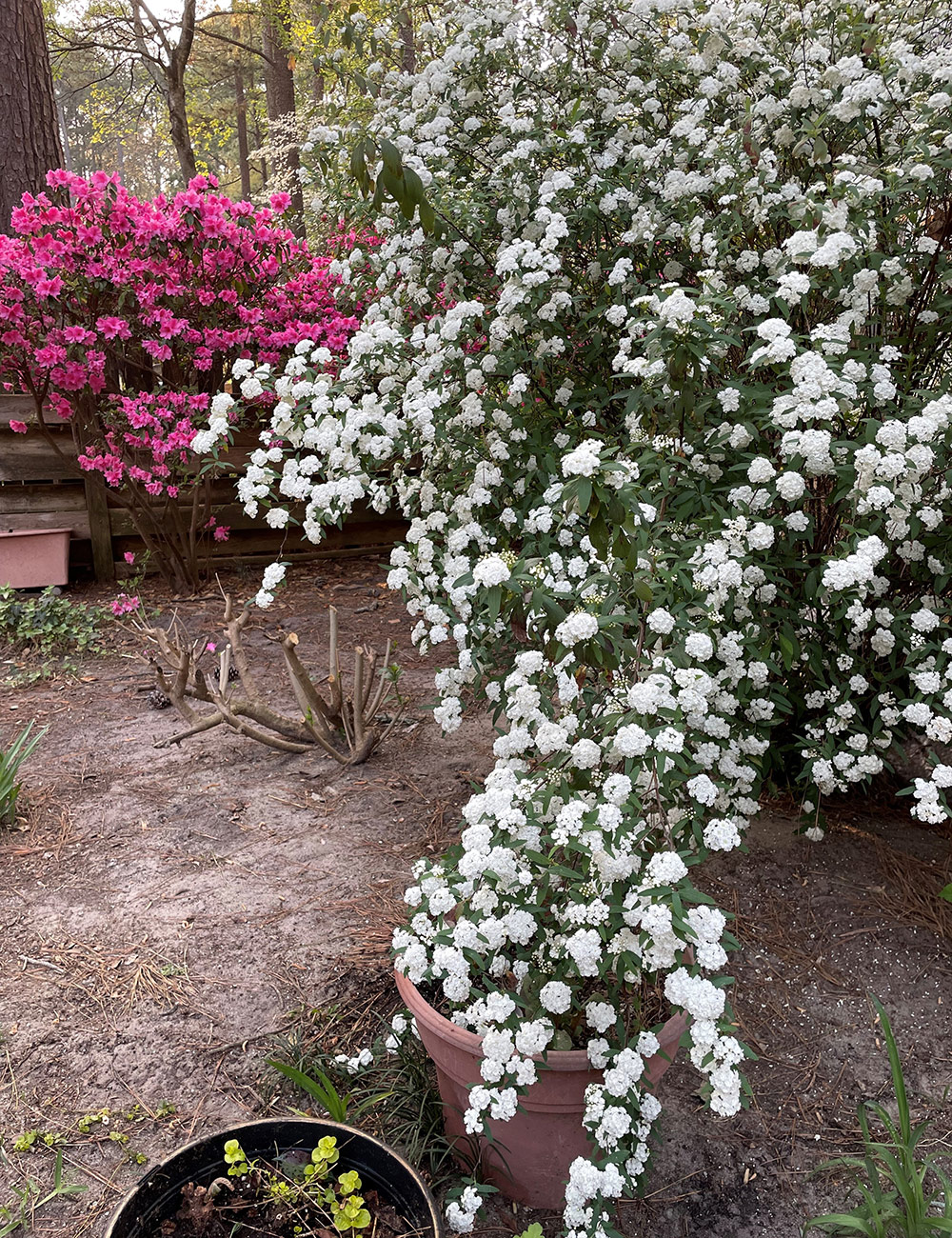 The bridalwreath spirea (Spiraea prunifolia, Zones 5–8) outdid itself this year.
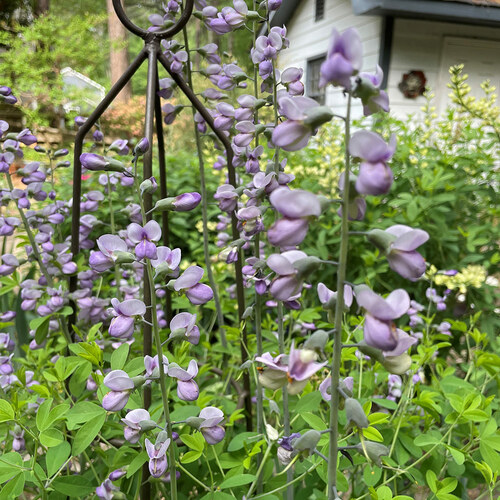
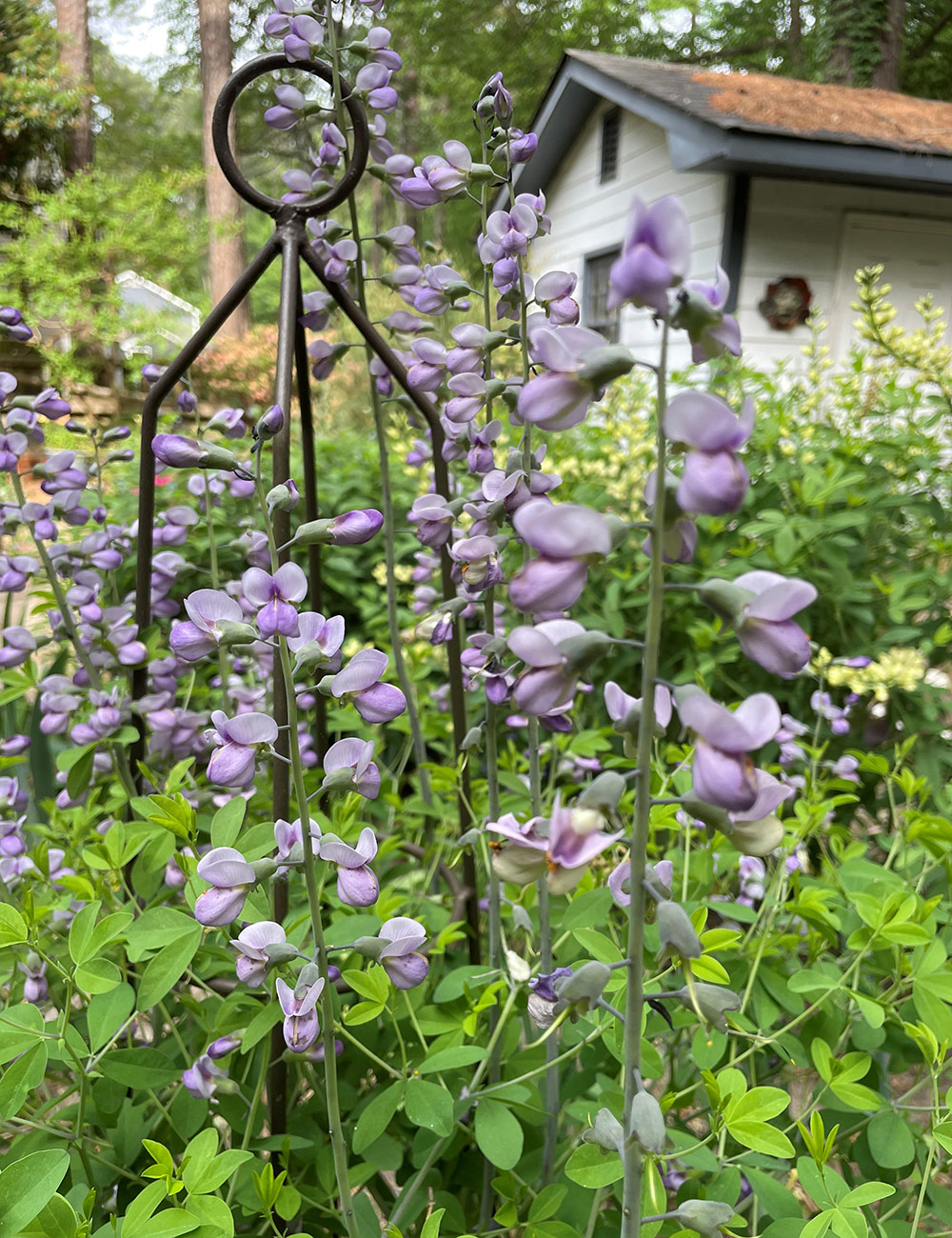 Baptisias are my favorite.
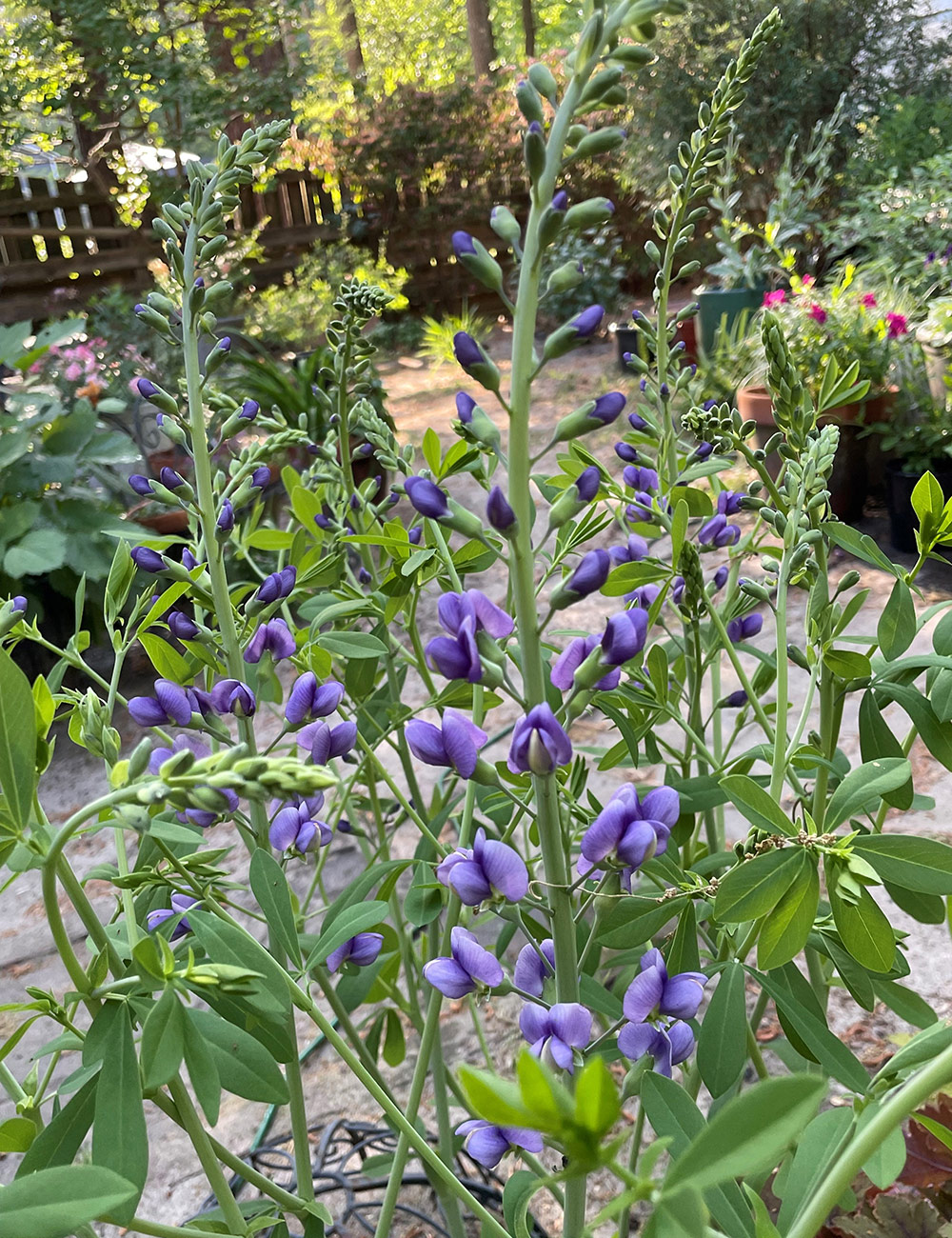 The color on this baptisia is so lovely.
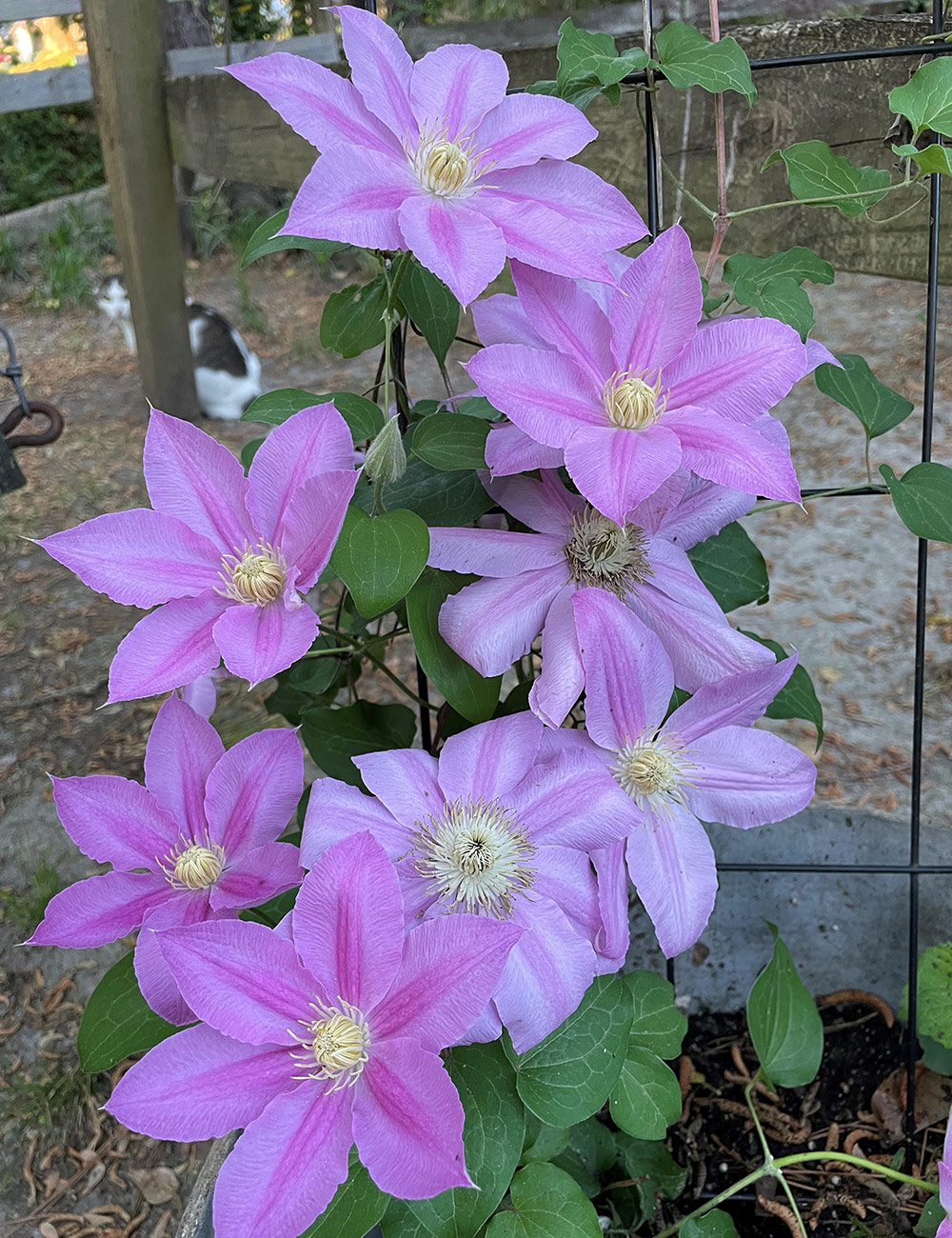 Clematis add height and brighten up the corners of the garden.
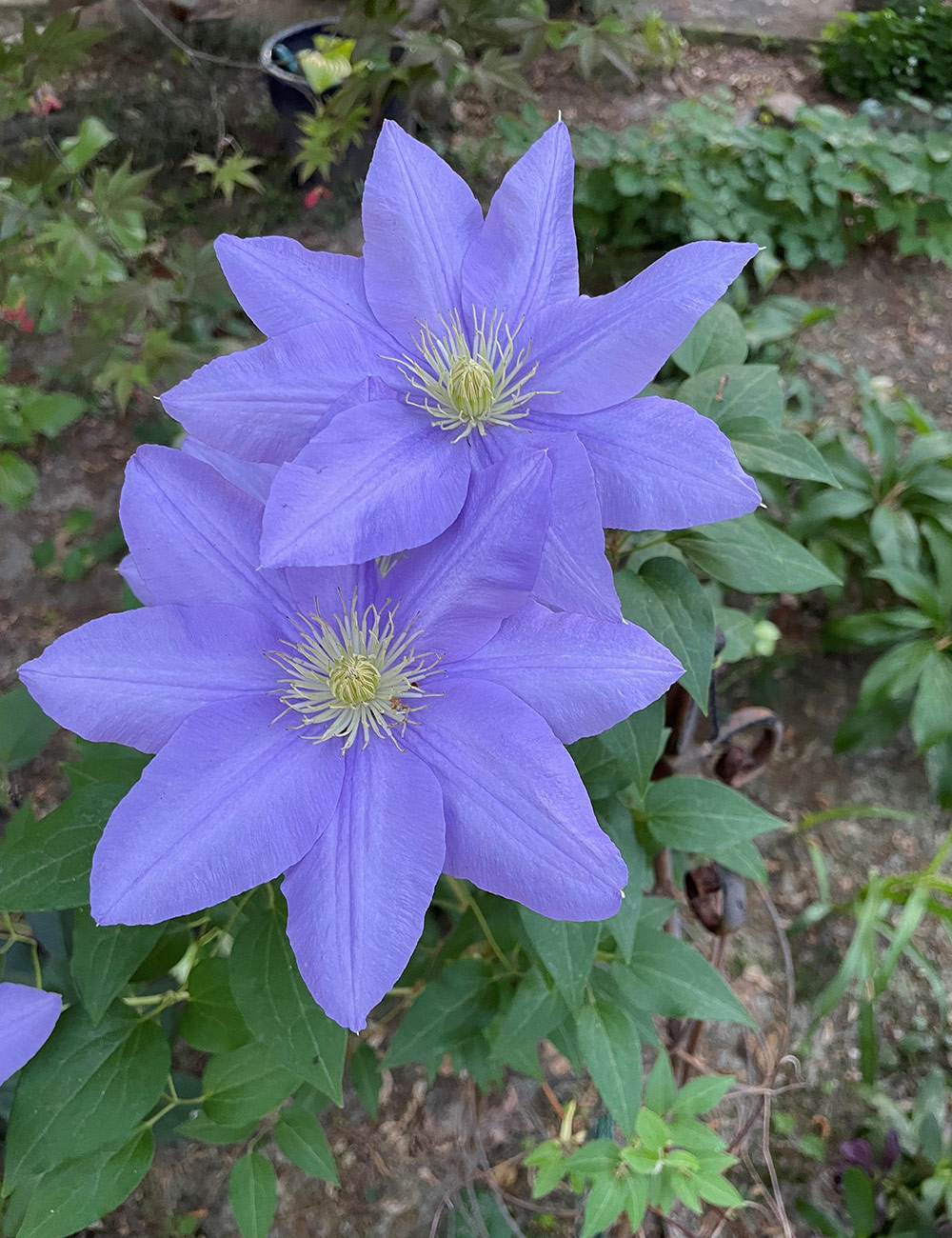 More clematis. As you can tell, I am a pink and purple gardener!
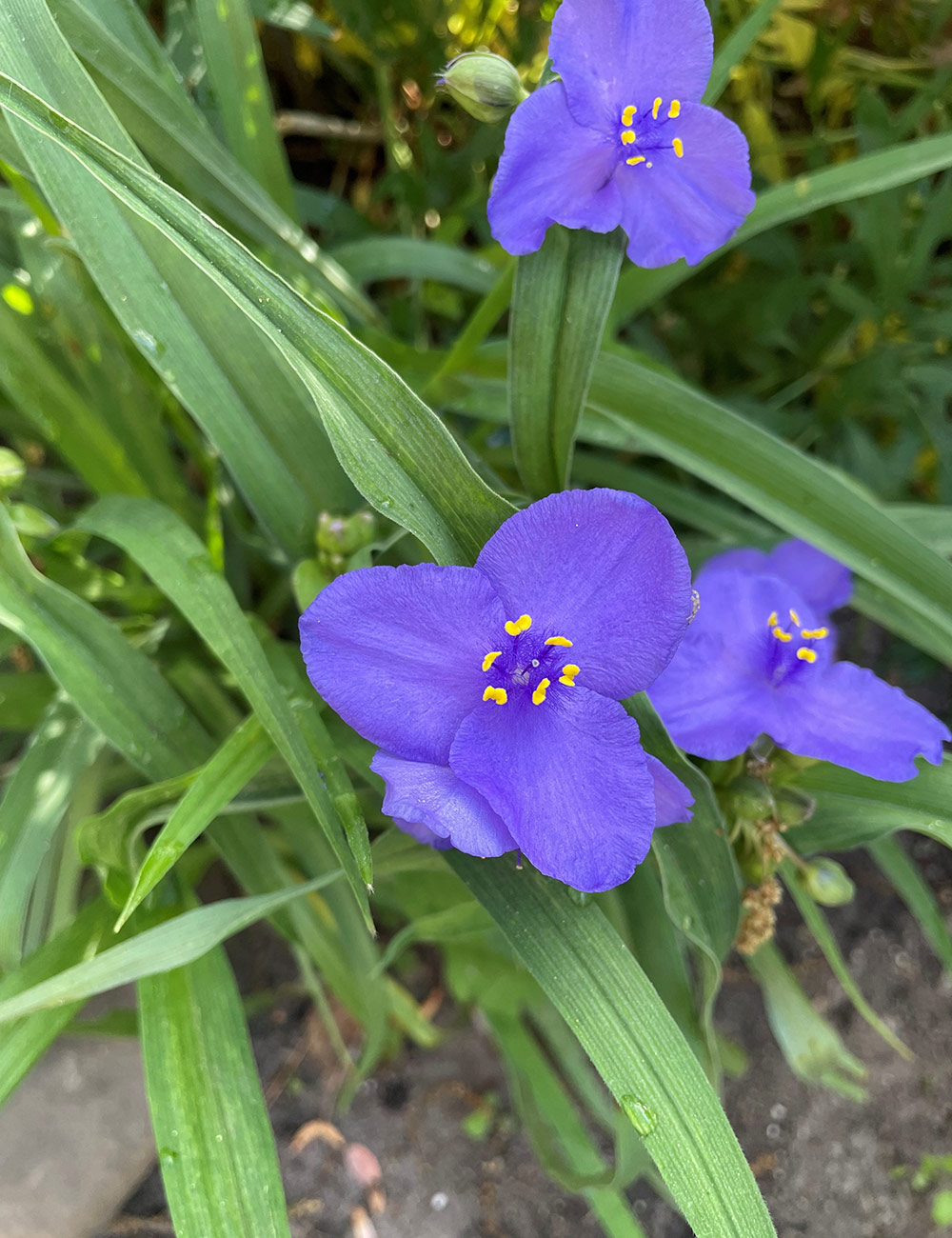 Some consider spiderwort to be a weed. These were brought to me…I consider them a gift. (I believe this particular plant is a Virginia spiderwort [Tradescantia virginiana, Zones 4–9].)
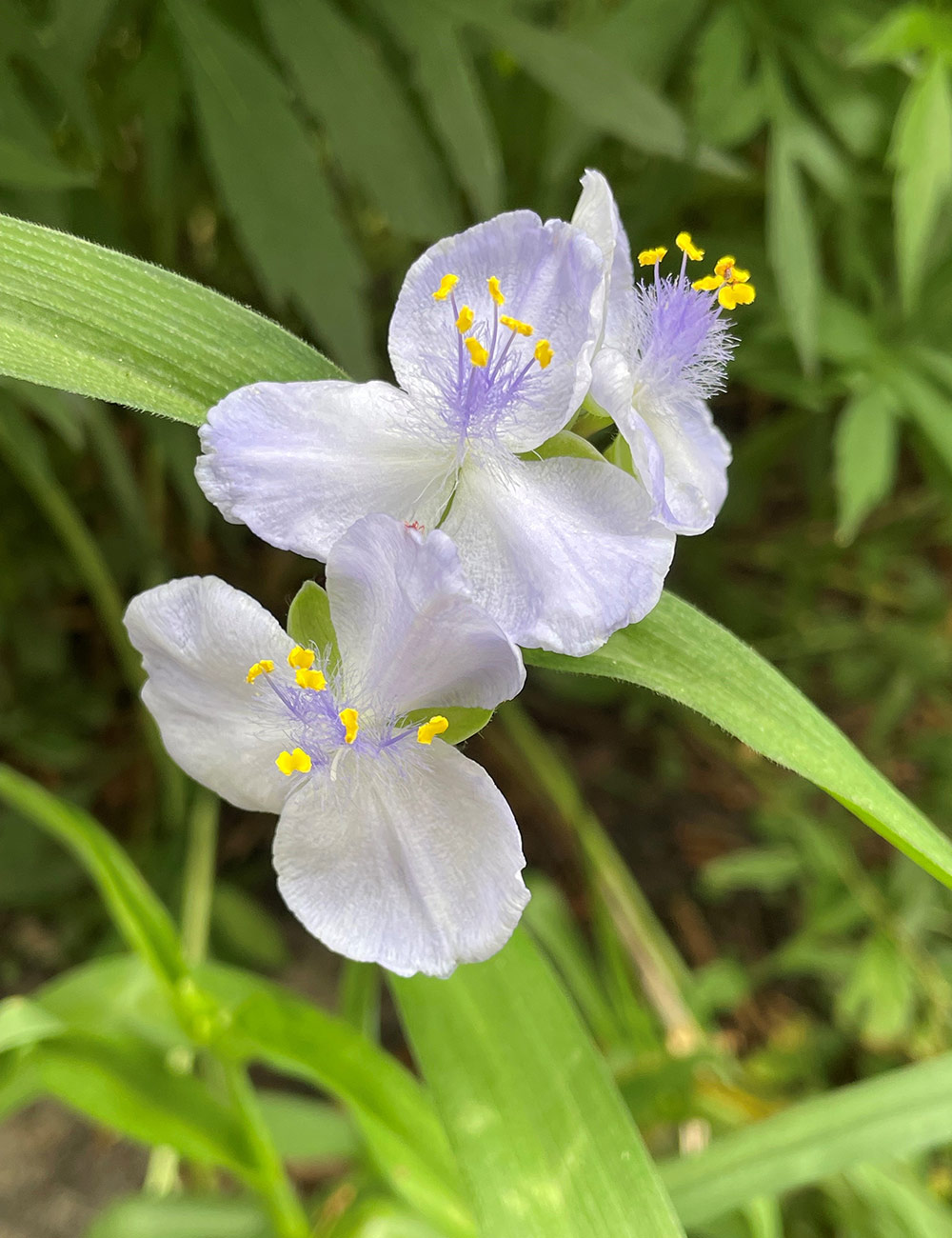 The delicate colors on this spiderwort are lovely.
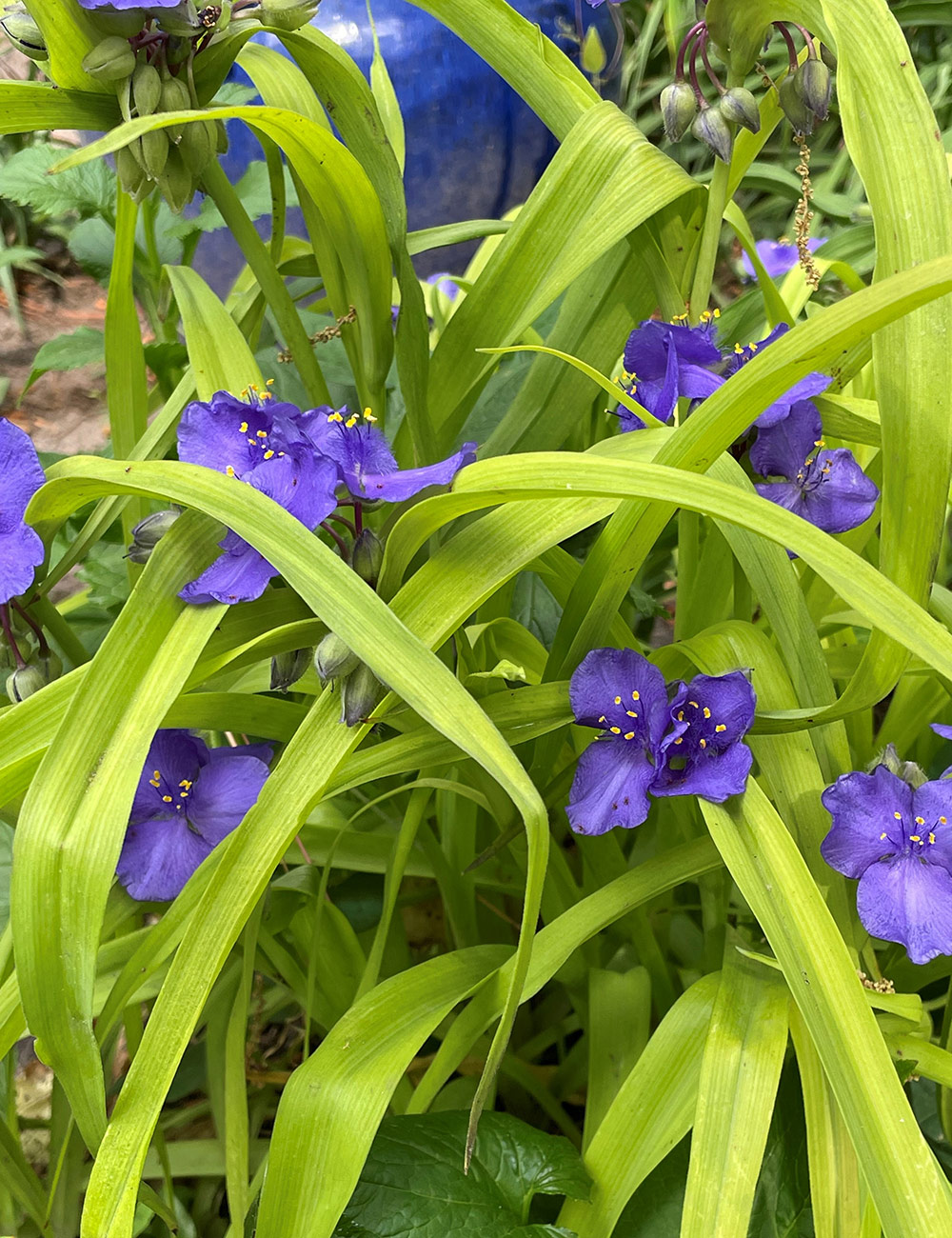 This is the only spiderwort that I have ever purchased and planted. Its name is Sweet Kate (Tradescantia ‘Sweet Kate’, Zones 4–9), and the green foliage is striking against the purple flowers.
Thank you so much for sharing these glorious spring flowers with us, Susan! As other regions of North America patiently wait for their most vibrant time in the garden, this submission of blooms is sure to be a needed treat.
If you’re experiencing peak garden color before an onslaught of heat arrives this year, please consider sharing photos of your brilliant blooms with Garden Photo of the Day. As spring takes its time heating up in some gardens, it would be much appreciated if other gardeners can scratch our spring color itch with their lively landscapes. Follow the directions below to submit your photos to Garden Photo of the Day!
We want to see YOUR garden!
Have photos to share? We’d love to see your garden, a particular collection of plants you love, or a wonderful garden you had the chance to visit!
To submit, fill out the Garden Photo of the Day Submission Form.
You can also send 5–10 photos to [email protected] along with some information about the plants in the pictures and where you took the photos. We’d love to hear where you are located, how long you’ve been gardening, successes you are proud of, failures you learned from, hopes for the future, favorite plants, or funny stories from your garden.
Do you receive the GPOD by email yet? Sign up here
Fine Gardening Recommended Products

The Regenerative Landscaper: Design and Build Landscapes That Repair the Environment
Fine Gardening receives a commission for items purchased through links on this site, including Amazon Associates and other affiliate advertising programs.
2024 Nautilus Award Gold Medal Winner! This awe-inspiring guide weaves together permaculture design, food resiliency, climate adaptation, community organizing, and indigenous wisdom that you can implement in your own backyard.
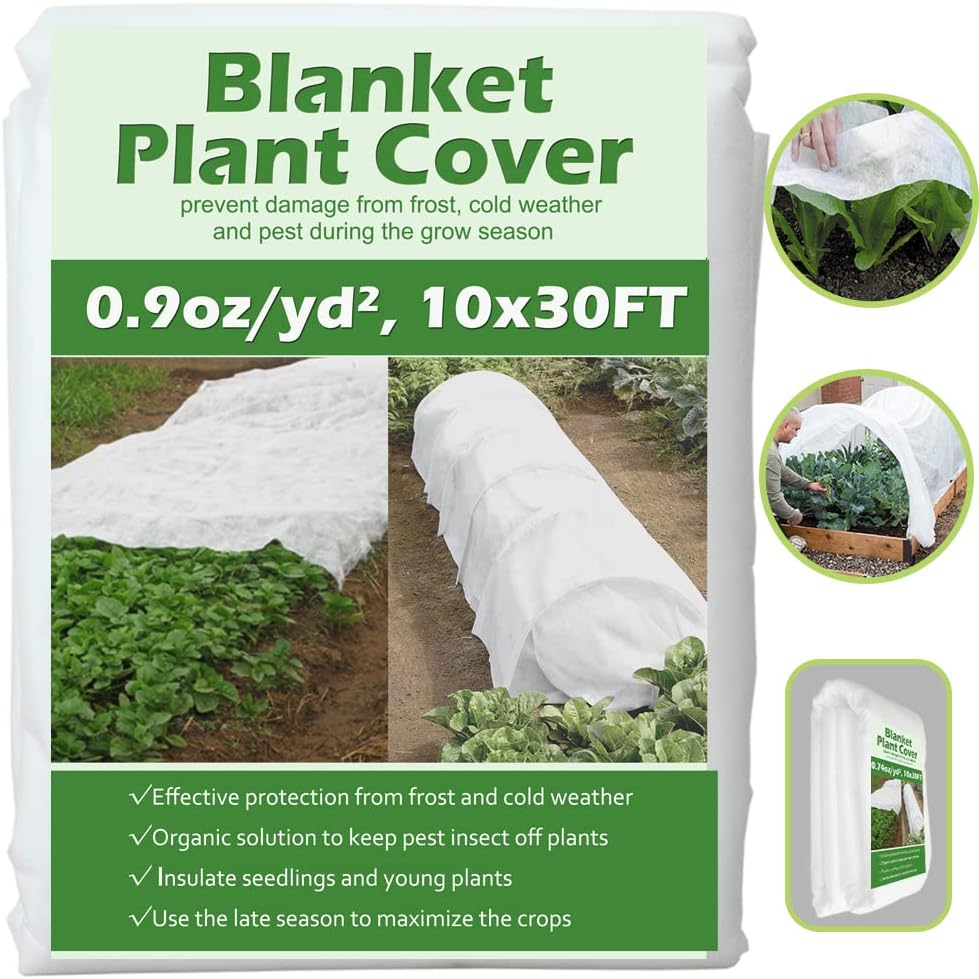
Plant Covers Freeze Protection 10 ft x 30 ft Floating Row Cover 0.9oz/yd²
Fine Gardening receives a commission for items purchased through links on this site, including Amazon Associates and other affiliate advertising programs.
Lightweight and Breathable MATERIAL Good for protecting Plant: the plant frost cover material is 0.74 oz/sq non-woven polypropylene fabric, which is lightweight, breathable, and durable. The plant blanket frost protection allows sunlight reach the plants, perfect for protecting plants from the damage of freeze or frost. Wide Application In your Garden Work. The plant row cover not only can work as a barrier against frost, but also can be a great tool for germination and good for rapid seedling growth. By using the fabric plant covers over your plant, you can start the plant earlier in the spring and extending the growing season of your plants. How to Use the Plant Covers: you can cover the plant covers for freeze over your the plants loosely directly and then secure the plant frost blanket with soil, stones or staples. You can also support the floating row covers with a hoop, make enough room for plants to breath and grow. You could also cut the plant covers into different sizes for different purposes.
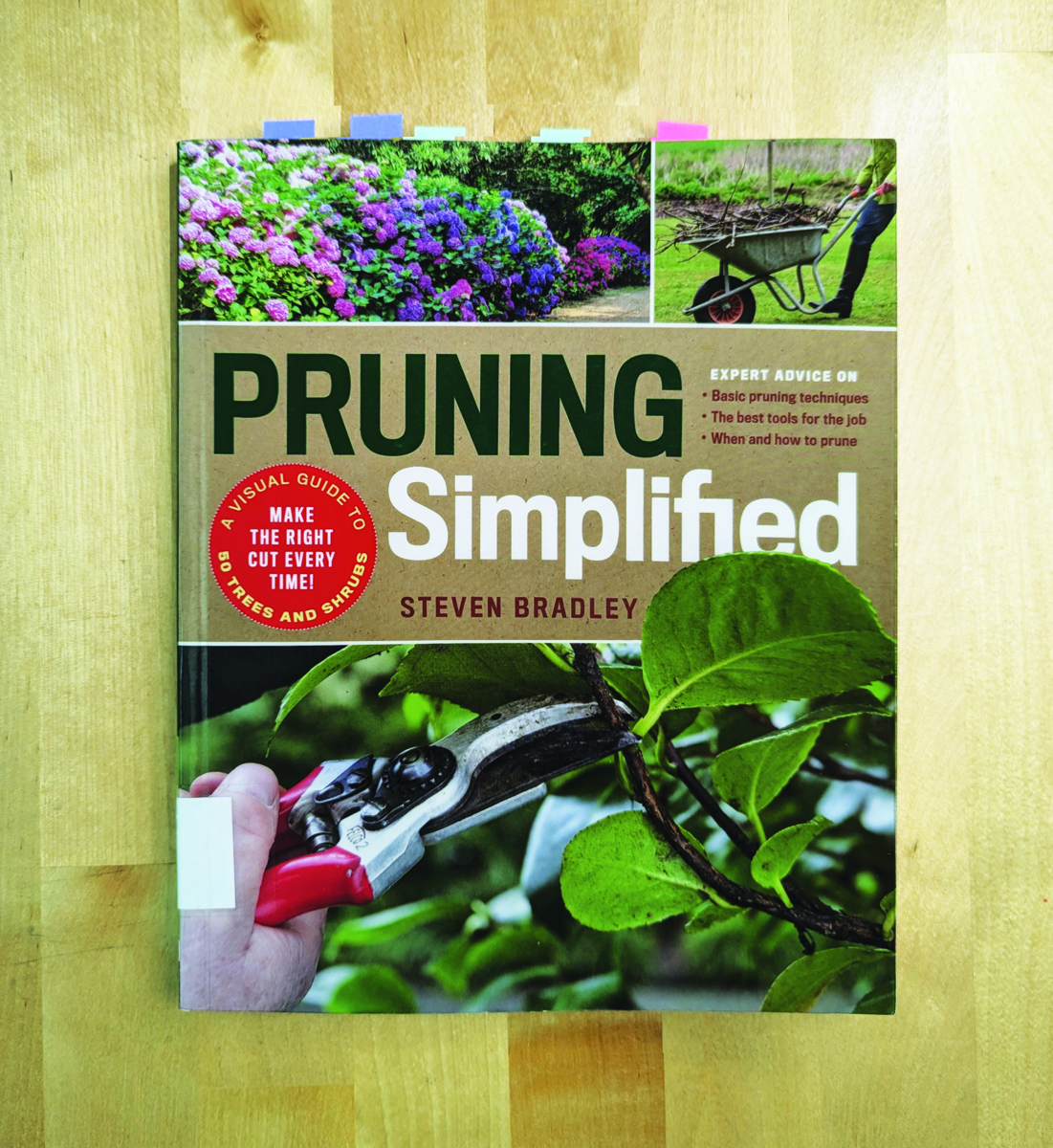
Pruning Simplified: A Step-by-Step Guide to 50 Popular Trees and Shrubs
Fine Gardening receives a commission for items purchased through links on this site, including Amazon Associates and other affiliate advertising programs.
Pruning Simplified shows you exactly how to do it. This must-have guide offers expert advice on the best tools for the job, specific details on when to prune, and clear instructions on how to prune. Profiles of the 50 most popular trees and shrubs—including azaleas, camellias, clematis, hydrangeas, and more—include illustrated, easy-to-follow instructions that will ensure you make the right cut the first time.