
Introduction
The air carries the hush of transition, a delicate shift from the fiery glow of autumn to the soft, mysterious embrace of winter. In this liminal space, where the earth holds its breath and the stars seem closer than ever, the ritual of Ash in Amber emerges as a sacred offering. It is a celebration of endings and beginnings, a reminder that what falls from the sky—those fleeting stars, once bright and distant—now gathers in the soil, nourishing the roots of new life. This practice, rooted in Eco Living, invites us to slow down, reflect, and connect with the rhythms of the natural world. As we gather fallen leaves, extinguish hearths, and prepare for the stillness of winter, we honor the cycle of decay and renewal. Let this guide lead you through the gentle art of embracing seasonal change, where every action is a quiet act of harmony.
Seasonal Context
The season of fall is a time of release, when the vibrant hues of summer yield to the muted tones of earth and sky. The trees, once cloaked in green, now shimmer with amber, gold, and crimson, their leaves whispering secrets of transformation. This is the season of letting go, of shedding what no longer serves us, and of preparing for the quiet of winter. In this context, the ritual of Ash in Amber becomes a profound metaphor. The ash from a fire, once a symbol of destruction, now becomes a vessel for renewal, blending into the earth and fueling the growth of unseen roots. Similarly, the stars that fall from the sky—whether through fire, light, or memory—find their place in the winter’s womb, nurturing the seeds of future life. To engage with this ritual is to witness the beauty of impermanence and the quiet power of nature’s cycles.
Practical Steps
Eco Living begins with small, intentional choices that align with the rhythms of the earth. Start by gathering fallen leaves, twigs, and dried branches from your garden or a nearby forest. Instead of discarding them in a landfill, use them to create a mulch bed, nurturing the soil and providing shelter for small creatures. If you have a fireplace or wood stove, collect the ash from burnt wood and spread it around your garden. This natural fertilizer is rich in potassium and phosphorus, enhancing the vitality of your plants. For those without access to wood, consider kerosene or oil lamps that use renewable resources, ensuring minimal environmental impact.
Another practical step is to minimize waste during the colder months. Replace single-use items with reusable alternatives—think glass jars for storing spices, cloth napkins for meals, and woolen blankets for warmth. These choices not only reduce waste but also deepen our connection to the tactile joys of simple living. Additionally, embrace the art of preservation. Dry herbs, fruits, and flowers to enjoy throughout winter, creating a sense of continuity and gratitude. By aligning with the season’s natural rhythms, we cultivate a life that feels both grounded and expansive.
Design Ideas
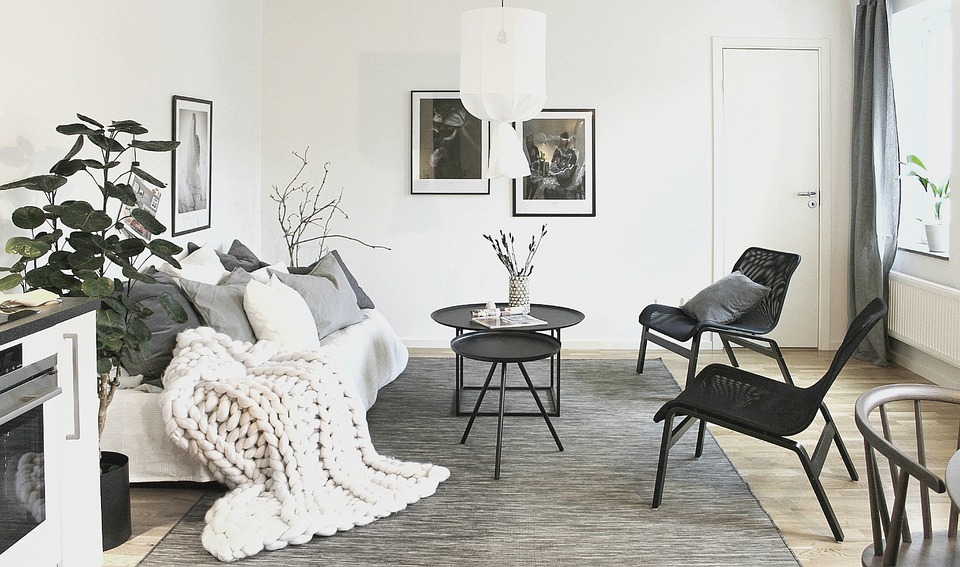
A home infused with Eco Living principles becomes a sanctuary of calm and sustainability. Begin by incorporating natural materials into your space. Use reclaimed wood for furniture, woven jute rugs, and stone accents to ground your design in the earth. These textures evoke the forest ambiance of autumn, creating a sense of warmth and harmony.
For a seasonal ritual, design a quiet corner dedicated to reflection. Place a small fire pit or candle in the center, surrounded by a circular arrangement of stones or driftwood. This space becomes a focal point for meditative practices, where you can sip herbal tea, journal thoughts, or simply breathe deeply. Add dried flowers, pinecones, and amber-lit candles to enhance the atmosphere.
In the garden, create a “winter womb” by planting cold-hardy perennials like kale, spinach, or garlic. Mulch these plants with straw or dried leaves to protect them from the frost, while also enriching the soil. This act of care mirrors the ritual of Ash in Amber, where what is discarded becomes a gift for the earth.
Rituals
The heart of Ash in Amber lies in its ritualistic simplicity. Begin by gathering your tools: a bowl of ash, a handful of dried leaves, and a handcrafted candle. As you collect these items, pause to reflect on the season’s transitions. Light the candle, letting its flame dance in the stillness, and watch as the wax melts into a pool of gold. This light becomes a symbol of warmth and hope, a reminder that even in the darkest times, there is a spark waiting to ignite.
Next, sprinkle the ash into the soil, whispering words of gratitude for the forest’s gifts. As you do so, imagine the fallen stars—those that once blazed brightly in the night sky—now settling into the earth, nourishing the roots of the trees. This act is not just a gesture but a meditation, a way to honor the cycle of life and death.
As the candle burns, take a moment to journal your thoughts. What have you let go of this season? What dreams are you nurturing for the coming year? Write them down, then place your notes into a jar or beneath a tree, trusting that they will return to the earth in time.
Soil & Water Care
The soil is the foundation of any thriving ecosystem, and winter is the season to tend it with care. Begin by testing your soil’s pH and nutrient levels, ensuring it is prepared for the challenges of the cold. Add compost made from kitchen scraps or garden waste to enrich the earth, and mulch your beds with straw, leaves, or wood chips to retain moisture and regulate temperature.
Water conservation is equally vital. Install a rain barrel to collect and store water for use in the spring. This practice reduces reliance on municipal supplies and supports the natural cycle of precipitation. When watering plants, do so in the early morning or late evening to minimize evaporation and ensure the roots absorb the nourishment.
If you grow vegetables or herbs, consider companion planting. Pair plants like carrots and tomatoes, which benefit from each other’s presence, or use marigolds to deter pests. These techniques not only reduce the need for chemical fertilizers but also create a balanced, thriving habitat.
Wildlife & Habitat
Winter is a time of vulnerability for many creatures, making habitat creation an essential act of Eco Living. Set up a bird feeder filled with sunflower seeds, millet, or suet to provide sustenance for avian visitors. Add a small pond or water dish to offer hydration for birds and insects.
Create shelter for small animals by placing logs or brush piles in your garden. These structures provide refuge for beetles, spiders, and other beneficial creatures, maintaining the delicate balance of the ecosystem. For a more interactive project, build a simple nesting box for birds, using untreated wood and a waterproof sealant.
In the spirit of Ash in Amber, remember that every action—no matter how small—contributes to the health of the planet. By nurturing wildlife, we honor the interconnectedness of all living things.
Seasonal Projects
Embrace the creativity of the season with eco-friendly projects that celebrate the transition from fall to winter. Craft a wreath from pinecones, dried flowers, and seed pods, celebrating the natural beauty of the forest. For a more ambitious endeavor, build a small compost bin using recycled materials, ensuring that organic waste becomes a resource for your garden.
Another idea is to create a seasonal journal, documenting your observations of the changing landscape. Record the colors of the leaves, the sounds of the wind, and the subtle shifts in temperature. This practice fosters mindfulness and deepens your connection to the land.
If you have a green thumb, plant garlic or spring-flowering bulbs in the fall. These plants will thrive through the winter, emerging in the spring with vibrant blooms. This act of planning ahead reflects the patience and foresight inherent in Eco Living.
Indoor/Balcony Extensions
Even in urban settings, the essence of Ash in Amber can be embraced. Transform your balcony or indoor space into a sanctuary of calm by adding houseplants, such as succulents or ferns, which purify the air and bring a touch of greenery inside. Use natural materials like clay pots, woven baskets, and bamboo planters to create a cohesive aesthetic.
For a ritual, set up a small altar with a candle, a bundle of dried herbs, and a bowl of stones. Light the candle and take a moment to breathe deeply, grounding yourself in the present. This practice brings the tranquility of the forest into your home, reminding you of the quiet beauty of seasonal change.
If you have a fireplace, replace it with a small, sustainable fire pit or a ceramic stove. These alternatives reduce emissions while maintaining the warmth and comfort of a fire.
Community & Sharing
The spirit of Ash in Amber extends beyond individual practice to the collective. Share your harvests with neighbors, exchanging seeds, herbs, and preserved foods. Organize a community gathering where participants share recipes, stories, or tips for sustainable living. This act of collaboration fosters a sense of belonging and reinforces the idea that Eco Living is a shared journey.
Create a local garden club focused on winter gardening, where members can exchange knowledge and support one another. Host a workshop on composting or seed saving, and invite others to join in the celebration of seasonal cycles.
By building community, we amplify the impact of Eco Living, turning small gestures into a powerful movement.
Conclusion
As the season turns and the forest prepares for rest, the ritual of Ash in Amber reminds us that every ending holds the potential for renewal. Through Eco Living, we learn to embrace the quiet wisdom of nature, finding peace in the simplicity of the present moment. Let this practice guide you through the winter’s womb, where the ashes of the past nourish the seeds of the future, and where the warmth of the earth remains ever-present.
This is the essence of Seasonal Flow, the harmony of eco serenity, and the quiet joy of living in alignment with the world around us.












Heads up – Practical and pretty — bookmarking this. So cozy.
Quick thought · Such a warm post; this made me smile. Love this!
Heads up • Good eye — that detail stands out. Will try it.
Heads up • Good eye — that detail stands out. Will try it.
Heads up • Good eye — that detail stands out. Will try it.
Heads up • Good eye — that detail stands out. Will try it.
Heads up · Exactly what I needed to see today, thanks. Great share.