
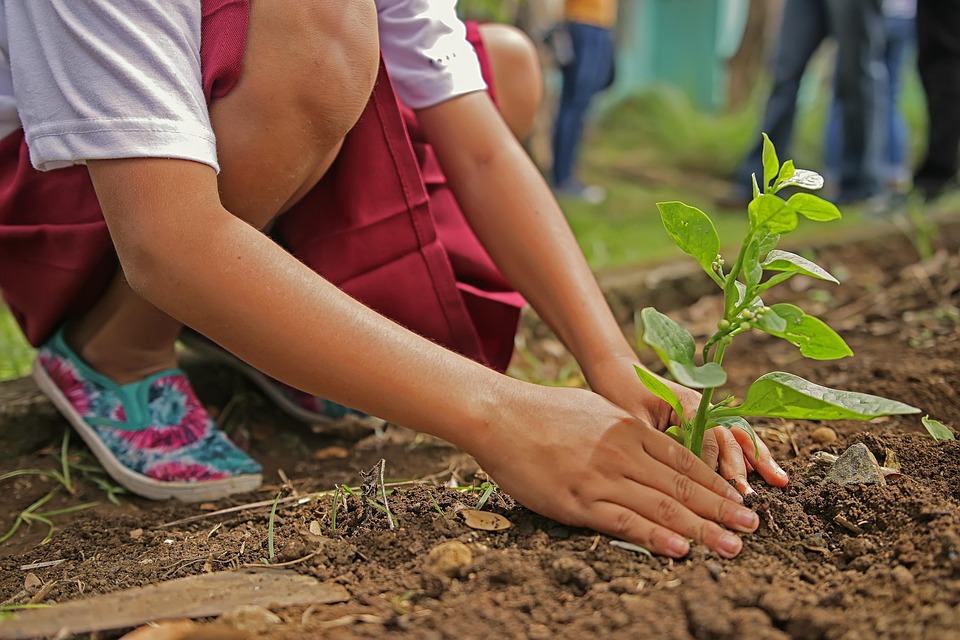
The Quiet Language of Green
The garden breathes in whispers and exhales in rustling leaves. Here, in the fold of a fern or the curl of a beetroot leaf, lies a calligraphy of nature—a script written not in ink, but in light, water, and time. To read this daily parchment is to walk through a forest of possibility, where every season etches its lesson upon the soil. Eco Living is not merely a practice; it is a dialogue with the land, a participation in its endless story.
When we pause to observe the garden’s rhythms, we learn that growth is not linear. It is mess. It is magic. It is the way spring germinates in defiance of winter’s bones, the way autumn sheds what no longer serves, and winter sleeps, cradling the seeds of renewal. The garden’s calligraphy teaches us to write our own lives in this language of release and rebirth.
This guide invites you to trace the letters of the natural world—not as a passive observer, but as an active scribe, crafting rituals, designs, and habits that honor the cycles of land and sky. Let us immerse ourselves in the forest’s ancient script, where every leaf imprint and dew-kissed stone holds a lesson.
The Turning of Seasons: A Garden’s Lexicon
The garden is a living lexicon, each season a chapter written in ink and leaf. Spring begins with the tentative script of seed leaves pushing through frost-kissed soil, their fragile veils whispering of renewal. By day’s end, the air hums with the fragrant calligraphy of blooms unfurling, their petals curling like calligraphic brushstrokes. This season teaches us the art of beginnings—forests do not rush; they unfold.
As summer deepens, the garden’s script darkens into richer hues. Sunflowers stain the horizon with golden signatures, and beans climb trellises like flowing cursive. Here, we learn the calligraphy of patience, of letting roots plunge deep while we tend the surface. Rain, too, becomes part of this script—sudden, sweeping strokes that wash away the dryness and ink in the dust.
Autumn arrives as the garden folds its pages. Leaves turn to amber and crimson, their edges frayed like manuscript borders. The calligraphy of decay begins, turning fallen foliage into leaf mold, compost, and fertile bedding for next year’s growth. We learn to let go, to release what has served its purpose, just as the forest sheds what is no longer needed.
Winter, then, becomes the quiet pause between chapters. The garden sleeps, its script dormant but not dead. Beneath the frost’s delicate lacework, roots strengthen, seeds wait their turn, and the soil rests in its silent language of conservation. To walk barefoot through winter’s stillness is to feel the garden’s breath held—not in grief, but in grace.
Practical Steps to Write Your Garden’s Script
To co-author the garden’s calligraphy, we must first listen to its cues. Eco Living demands attentiveness:
Listen to the Soil’s Pulse
The earth is alive with stories, its rhythm echoing the seasonal turn. Pack your hands into the soil to feel its texture: clay’s dense friction, sandy lightness, loam’s velvet embrace. Each type calls for a different writing hand—clay snacks for herbs, sandy loam for root vegetables, loam’s balance for deep-rooted perennials. Amend the script as needed: add compost as a clarifying stroke, or mulch as a protective margin.
Harvest Rainwater’s Ink
Rainwater, pure and unfiltered, is the garden’s preferred ink. Install barrels beneath downspouts to catch this liquid script. Fill watering cans with its collected wisdom, using it to nourish leafy greens and thirsty tomatoes. Add a drop of seaweed extract to the solution—a sea-foam flourish that deepens the soil’s calligraphy.
Plant in Conversation
Gardens speak in companionship. Pair basil with tomatoes to repel pests; let marigolds fringe vegetable beds like living calligraphy. Plant nitrogen-fixing legumes near corn, their roots gifting the soil with green manure. This symbiosis is the forest’s way of writing prosperity into the land.
Design Ideas: The Forest’s Blueprint for Peace
Wildwood Pathways
Carve meandering paths through your garden using reclaimed stone or gravel. Let them wander like the forest’s own hand-lettered trails, inviting the observer to slow and savor each turn. Edge paths with low-growing herbs or moss, creating a living carpet that softens the footprints left in the soil.
Living Walls and Vertical Calligraphy
Transform fences or trellises into vertical calligraphy with cascading vines, ivy, and climbing beans. Let nasturtiums drip like floral script, or train wisteria to drape in lace-like letters. These living tapestries blur the boundary between architecture and wild margin.
Repurposed Scripts
Forage old books, weathered doors, or broken ceramics to craft garden markers. Etch seed names in chalk on stones, or hang wooden chalkboards to record the garden’s daily lessons. Let broken pots cradle seedlings, their rough edges softened by emerging roots.
Rituals to Honor the Garden’s Calligraphy
Morning Leaf Impressions
Each dawn, press a leaf onto damp paper, its veins revealing a secret calligraphy. Place it in a sunlit window, letting light bleed color into the imprint. These frozen labels of the plant world remind us that beauty lives in every detail, no matter how fleeting.
The Forest’s Tea Ceremony
Steep a cup of nettle tea at dawn, infusing the brew with the essence of green. Sip slowly while journaling about the garden’s whispers, the birds’ cadences, the wind’s sigh. This ritual anchors the day in dampness and humility, a quiet communion with the forest’s ongoing script.
Seed Ball Poetry
Craft seed balls from local clay and native seeds, embedding them with intention. Write a single word—"growth," "balance," "abundance"—on each ball before embedding the seeds. When scattered, they become mobile letters, scattering poetry across barren soil.
Nurturing the Forest’s Skin: Soil & Water Care
Compost as Living Corpus
Turn kitchen scraps into compost manure, a living ink that nourishes the soil. Layer greens and browns, turning the pile with a pitchfork like a scribe mixing ink. As it matures, it becomes rich humus—a foundational text for the garden’s calligraphy.
Water mindfully, and water Eco Living becomes second nature. Use drip irrigation or soaker hoses to direct moisture to roots, avoiding the wasteful brushstrokes of sprinklers. Gather rainwater in jars, their levels rising like the garden’s own inkwell.
Welcoming the Wild: Habitat & Serendipity
The Unkempt Paragraph
Allow sections of your garden to self-seed like a journal left open to the wind. Let dandelions dot the lawn like wild asterisks, let clover weave through grass as patchy lettering. These “imperfections” offer habitat for bees, butterflies, and birds, turning the garden into a polyphonic manuscript.
Hang suet bags in tree branches, offering sustenance to feathered scribes. Add a piled stone habitat for ladybugs, or plant elderberries to open a berry-thick margin for robins and thrushes. The forest thrives on layered narratives, and the garden is its smallest echo.
Seasonal Projects: A Year of Living Scripts
Spring’s Seed Guild
In early spring, gather seeds from your dill, sunflowers, and foxgloves. Create a seed guild by scattering them in companionship—lettuce with radishes, beans with squash. Let the calligraphy of nature unfold without rigid rows.
Autumn’s Leaf Journal
Each fall, collect a handful of leaves and place them in a sealed jar. Label it with the date and a brief note on the season’s spirit. By next spring, these leaves will have written their own text in decay, ready to fertilize the next year’s growth.
Winter’s Bare-Branched Dance
When frosts paint the garden white, prune bold shrubs like ivy and hydrangeas, shaping their limbs into living sculptures. Tie willow saplings into arches, creating temporary latticework that frames the sky in pale gold.
Echoes from the Home: Indoor Calligraphy
Herbal Scribes on the Balcony
Grow thyme and oregano in terracotta pots, their creeping stems spilling over edges like frenzied calligraphic flourishes. Place a small mirror at their base to reflect sunlight, creating the illusion of a larger than life garden passage.
Indoor peace lilies or snake plants become subtle stenographers of air quality, their waxy leaves filtering toxins. Let them ink the room with life, their presence a quiet testament to the garden’s calligraphy transcending walls.
The Collective Manuscript: Sharing the Garden’s Voice
Swap seeds with neighbors as if passing a stack of handwritten letters. Offer cuttings of your most vigorous chives, or mail lavender buds in a recycled envelope like pressed poetry. Share the garden’s lessons at community harvest festivals, where the collective voice of Eco Living swells into a chorus.
The Art of Unfolding
The garden’s calligraphy teaches us that life is not written in permanence. Every script fades, and every page turns. Yet in this impermanence lies the art of quiet resilience. Let your garden be a living manuscript, where Eco Living is the ink, the forest its syllabary, and peace the rhythm of every stroke.
As autumn’s leaves fall like stacked pages and spring’s seeds awaken as new glyphs, remember: the forest writes in circles, and within its script, we find our own unfolding.
Word count: 2,180












Heads up: I appreciate the point about “Best Of: Calligraphy of Leaves: Lessons” — very practical. Will try it.
Small note – Yes, that makes a lot of sense.
Heads up — Practical and pretty — bookmarking this. Great share.
Great addition — thanks for pointing it out. Love this!
Great addition — thanks for pointing it out. Love this!
Great addition — thanks for pointing it out. Love this!
Great addition — thanks for pointing it out. Love this!
PS: This is a small change with a big impact — thanks! So snug.
PS — I agree — that’s a helpful perspective. So cozy.
PS — I agree — that’s a helpful perspective. So cozy.