

The gentle scent of damp earth and the soft rustle of wind through trees are reminders that Nature Crafts bloom quietly in the spaces between seasons. Foraged blossoms, kissed by dew or cradled in moonlit repose, invite us to pause and weave quiet magic into daily life. This guide is an ode to the tender art of creating with what the land freely offers, blending practical wisdom with the timeless rhythm of the natural world.
Introduction: The Heartbeat of Nature Crafts
Nature Crafts are the art of transforming humble gifts—wildflowers, twigs, and fallen petals—into vessels of quiet wonder. They ask us to slow down, to listen to the whispers of the forest, and to find joy in simplicity. Whether you gather moonlit blossoms at midnight or craft seasonal bundles at dawn, these creations are more than decorations; they are invitations to reconnect with the earth’s gentle pulse. Let us explore how to honor the cycles of growth and decay through hands that give back as much as they take.
Seasonal Context: Blossoms as Earth’s Calendar
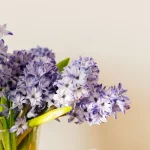
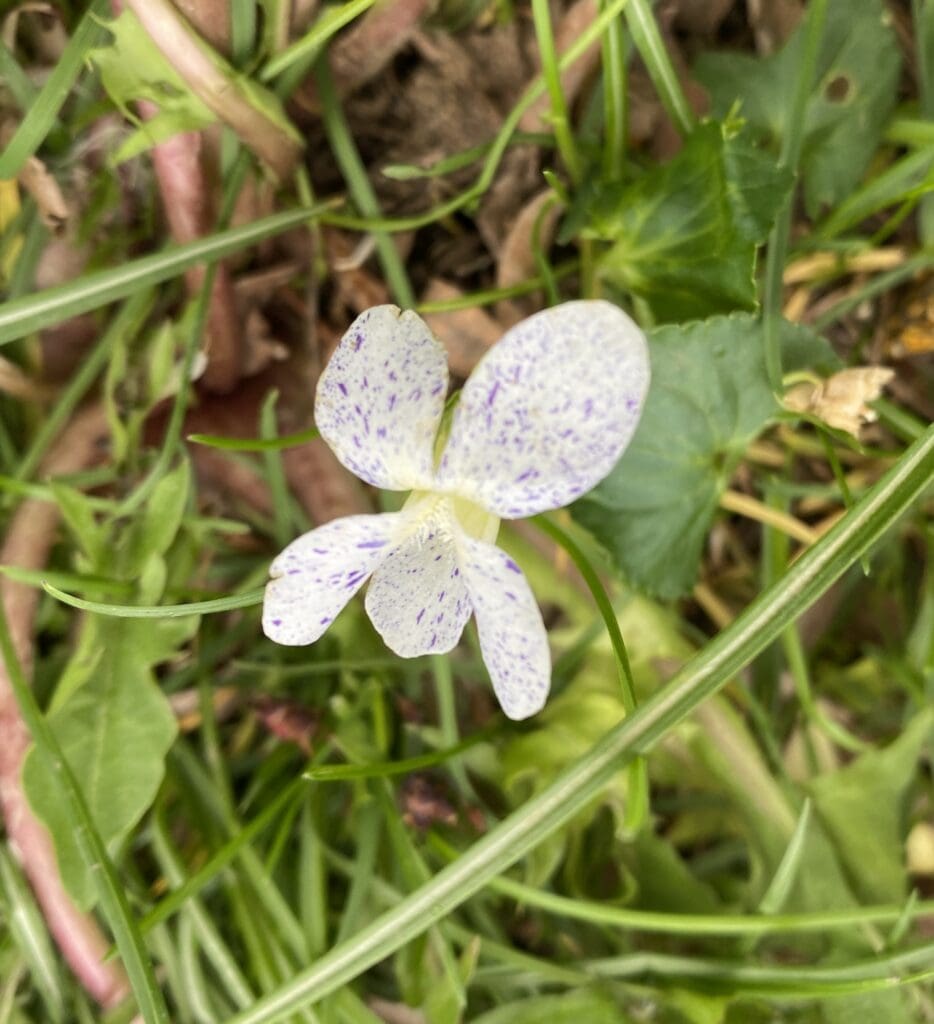
Each season gifts unique companions for Nature Crafts. In spring, cherry blossoms and wild violets bloom in brief, fleeting splendor. Summers offer thistle, lavender, and daisy blooms that dry into fragrant keepsakes. Autumn bestows golden leaves and seed pods, while winter’s evergreens and mosses whisper of renewal beneath the snow. Foraging is most rewarding when done with reverence and awareness—take only what you need, and always leave enough for the creatures that depend on these plants.
Autumn’s golden hues soften the edges of human haste, guiding us toward Nature Crafts that celebrate abundance and release. Crisp leaves, fallen acorns, and damp earth become tools for reflection, bridging the gap between light and shadow.
Practical Steps: Harvesting with Gratitude
Begin with ethical foraging. Avoid protected areas, and ask permission if working in private spaces like gardens. Use pruning shears or scissors to avoid damaging plants. Collect fallen flowers and materials rather than picking live blooms, unless you intend to replant them. Always wash hands afterward, and store foraged items in breathable containers lined with old paper or cheesecloth to preserve freshness.
For all-season projects, incorporate foraged blossoms into beeswax wraps, or create delicate flower crowns for seasonal celebrations. In autumn, gather seed pods to nestle into stonework or weave wreaths that honor the quiet beauty of decay.
Design Ideas: From Leeches to Living Wreaths
Infuse your space with Nature Crafts that reflect the seasons. Dried lavender and eucalyptus can crown jars, while holly berries and cinnamon sticks form subtle garlands. In winter, bundle evergreen boughs with twine to frame mirrors, a gesture that mirrors the earth’s dormancy. For a soulful touch, press foraged blossoms into beeswax or clay—melted wax reveals intricate petal imprints, while air-dry clay casts ethereal reliefs.
Rituals: Moonlit Offerings and Quiet Light
Subjecting your rituals to the rhythm of the moon deepens their resonance. During a waxing moon, plant seeds in gratitude for growth to come; during a waning moon, bury foraged blossoms in the soil as an offering to the earth’s cycles. A Nature Crafts ritual might involve arranging fresh flowers by candlelight, their soft glow mirroring the moon’s embrace.
At twilight, create a small shrine for moonlit repose. Place a cluster of dried lavender at the center, whispering thanks to the spirits of the wild. Light a candle, and let its flame flicker in quiet communion with the shadows.
Soil & Water Care: Honoring the Source
Healthy soil and water are the roots of ethical Nature Crafts. Practice companion planting to nourish pollinators, and use compostable ties to support climbing vines. When crafting with flowers, collect rainwater in copper vessels to honor the element of water. After using foraged materials, return unused blooms to the soil—compost them to feed the cycle anew.
Keep water receptacles for birds or butterflies nearby. A shallow dish with smooth stones offers respite for tiny travelers, completing the circle of care.
Wildlife & Habitat: Art That Sustains
Nature Crafts thrive when they honor the web of life. Leave some flowers uncut to sustain bees, or bundle extra blossoms as offerings for birds’ nests. Avoid synthetic dyes or artificial preservatives—let the natural pigments of foraged blooms tell their own stories.
When crafting with living materials, ensure no harm comes to insects or animals dwelling within. A bundle of trust, held gently, reflects the balance between human care and wild integrity.
Seasonal Projects: Threads of the Year
Create a “wreath of the year” by weaving seasonal blooms into a spiral pattern. Spring may feature fresh daffodils, summer could intertwine mint and chamomile, while autumn’s oak leaves and chestnuts nestle into woven hay. Hang the wreath on your door, a testament to the ever-turning wheel of seasons.
In winter, craft beeswax wraps adorned with sprigs of cinnamon and citrus rinds. These become kitchen companions that remind us to move through life with warmth and intention.
Indoor/Balcony Extensions: Bringing the Wild Inside
Even small spaces become canvases for Nature Crafts. Grow a windowsill herb garden of mint, thyme, and oregano, their scents bridging indoor and outdoor realms. Press dried blossoms into clay pots, or hang macramé plant holders woven from jute twine.
On balconies, cultivate a “mood nook”—a cozy bench draped with eucalyptus and trailing ivy. At dusk, light a fire pit ring, its glow echoing the warmth of shared rituals.
Community & Sharing: Weaving Together
Share your Nature Crafts through seed exchanges or workshops on foraging ethics. Organize a “blossom swap” where neighbors trade seasonal creations—lavender sachets for rose petals, fall leaves arranged into communal garlands. Strengthen bonds by teaching others to mend torn fabrics with foraged dyes or craft wreaths from garden scraps.
Record your journey in a journal, drawing sketches of your foraged treasures. Each entry becomes a bridge between solitary creation and communal joy, a record of peace cultivated through hands and heart.
Conclusion: The Quiet Power of Intentional Living
Nature Crafts is more than a practice—it is a way of seeing the world. By embracing the shimmer of foraged blossoms and the stillness of moonlit repose, we align with earth’s rhythms and find clarity amid chaos. Let each craft be a reminder: in every petal, every breath of breeze, there is an invitation to slow down and bloom anew.











Small note • Nice timing — I’ve been thinking about something like this.
On a similar note — A charming idea for the season — perfect timing. So cozy.
This is a keeper — saving for later. So cozy 😊
On a similar note — Such a warm post; this made me smile. Thanks for this!
FYI — This is inspiring — I’m excited to try it out. Saving it.
PS • Exactly what I needed to see today, thanks. Saving it.
On a similar note – Beautifully done; the instructions are easy to follow. Love this!
Small note – Nice take on “Best Of: Foraged Blossoms and Moonlit Re” — I’ll try that soon. Thanks for this!