
Top 5 Ideas for Zen Balconies & Floating Butterfly Habitats
Imagine a sanctuary suspended above the city’s roar, where the rustle of leaves becomes a symphony, and the flutter of delicate wings reminds you to breathe. A Balcony Garden is more than a collection of potted plants; it’s a floating oasis, a canvas for serenity, and a trembling invitation to butterflies seeking refuge. In the rhythm of urban life, these elevated retreats offer solace—a moment to pause, reflect, and reconnect with the quiet pulse of nature. Through thoughtful design, mindful practices, and sustainability, a Balcony Garden transforms cramped spaces into living sanctuaries. Here, we explore five intentional ways to craft a Zen balcony and nurture floating habitats for butterflies, blending practicality with poetic wonder.
Let the Balcony Garden become a meditation—a bridge between the earth and sky, where every sip of herbal tea and fluttering wing becomes a reminder that tranquility is a choice, not a compromise.
The Seasons’ Whisper
The heartbeat of a Balcony Garden flows with the seasons, each phase offering lessons in resilience and renewal. Spring arrives with tentative shoots pushing through soil, demanding patience as roots awaken. Summer’s warmth demands vigilance—watering at dawn, offering shade, and cultivating nectar-rich blooms to sustain fluttering visitors. Autumn whispers change, as leaves curl and petals fade, signaling a return to earth. Winter, though dormant, teaches stillness; dormant plants await rebirth, and frost-kissed balconies mirror the quiet beauty of rest. To nurture a Balcony Garden, one must dance with these rhythms, adapting care to each season’s unique call and honoring the natural cycle that binds all living things.
Crafting the Sanctuary
Designing a Balcony Garden is an act of curating harmony. Vertical gardens cascade with ferns, transforming walls into living tapestries. Hanging planters cradle succulents, their plump leaves catching sunlight like tiny droplets of the rainforest. Compact yet profound, containers become micro-habitats, nurturing dill and parsley for swallowtails or lavender for hot summer days. Wind chimes tinkle softly, echoing the rustle of distant forests, while string lights draped in twilight merge human warmth with nature’s glow. Every plant, every choice becomes a thread in a tapestry of Zen—peaceful, intentional, alive.
A Path to Serenity
Practicality guides the life of a Balcony Garden, yet it need not sacrifice soul. Lightweight soils, self-watering pots, and clever space solutions like foldable tables ensure adaptability. Drought-tolerant plants like sedum and sedge thrive in lean conditions, teaching flexibility. A trellis becomes both structure and poetry, supporting ivy that sways with night breezes, its tendrils forming a green canopy over favorite reading spots. Here, every decision—from layout to plant selection—becomes an act of mindfulness, blending function with the quiet prayers of sustainable living.
Seasonal Context: Embracing the Rhythm of Change
In the life of a Balcony Garden, the year unfolds like a slow dance, each season offering a unique choreography for growth and reflection. Spring emerges with a whisper of possibility, the air carrying the first hints of renewal. Delicate seedlings brave the uncertainty of frost, their tiny leaves unfurling in the warming sun. It’s a time to awaken the soil, turning rich compost as you whisper to the earth, “Remember what it means to live.” Butterflies, too, stir from winter’s hold, their wings trembling as they seek her nectar-rich blooms. Planting sunflowers or milkweed becomes an offering to these ephemeral visitors, a bridge between the first whispers of spring and the vibrant abundance that follows.
As summer stretches its golden arms, the Balcony Garden becomes a stage for resilience. The sun’s intensity demands care—watering at dawn, shielding tender greens with shade cloth, and pruning wilting blooms to encourage new growth. Bees and butterflies thrive in this season’s bounty, drawn to vibrant marigolds and fragrant lavender. Their visits are fleeting, yet each moment is a reminder of the symbiotic dance between flora and fauna. Let the space breathe; let pots lower slightly, scales filled with water like tiny mirrors reflecting the blue, and structures sway gently in the breeze. Summer teaches adaptation, urging hands to work with nature’s demands rather than against them.
Autumn arrives not with a splash, but a sigh, a gentle reminder that endings are part of the rhythm. Leaves curl at the edges, petals fade to earth tones, and the air grows crisp with the promise of rest. The Balcony Garden becomes a place of gratitude, where you harvest what remains—tomatoes still clinging to summer’s warmth, herbs waxing aromatic as frost approaches. Butterflies, now in search of hollow stems for overwintering, find safe haven in tall grasses or unmanicured corners. Scatter seeds like offerings from the season’s last breath, trusting the soil to cradle them until spring’s return.
Winter’s hush sets in, a pause in the cycle, a chance to reflect. Vines drape listlessly over railings, spiderwebs glisten in the frosty morning light, and the balance platform grows still. Yet within this dormancy, roots deepen, seeds settle into the soil, and dreams of green take root. The balcony becomes a sanctuary of quietude, a place where tea spills on floorboards like a silent prayer, and the absence of movement becomes its own kind of poetry. Here, in the stillness, you find that even silence is not empty—it holds the promise of what is yet to bloom.
A Balcony Garden thrives not only in growth but in surrender, in learning when to hold and when to let go. Each season etches its mark, teaching patience, celebration, and the sacredness of transition.
Crafting the Zen Balcony: Design Ideas for Serenity
To shape a Balcony Garden into a haven of calm, begin by framing the space as an extension of nature’s quiet embrace. Start with simplicity: a folded garden table becomes a perch for morning coffee or evening reading, draped in soft linen covers that flutter like leaves in a breeze. Nearby, a potted olive tree stands as a timeless sentinel, its silvery-green leaves catching the light like armor forged by the sun. Beneath it, a cluster of Echinacea purpurea (coneflowers) invites butterflies with their nectar-laden petals, colors deepening to gold in the afternoon sun.
Verticality offers infinite possibility. A wall-mounted grid of cascading pothos or String of Pearls spills green from every corner, transforming blank surfaces into living tapestries. For added dimension, suspended terracotta pots cradle jade plants, their rounded leaves trembling with the slightest movement. Nearby, a trellis draped in climbing jasmine becomes a fragrant lattice, its scent a reminder of summer’s last warm nights. These layers of greenery create depth, turning the balcony into a sanctuary that feels both expansive and intimate.
Incorporate movement to evoke the gentle pulse of nature. Wind chimes forged from recycled silver or bamboo tinkle softly, their melodies syncing with the rustle of leaves. A small fountain—polished stone basin or repurposed ceramic bowl—trickles water in a rhythm as old as rivers, its sound weaving a meditative backdrop. Let the Balcony Garden breathe, however, and allow imperfection to thrive. Let ivy creep onto railings, chrysanthemums bow under their own weight, and spiderwebs glisten as tiny sculptures of their own design. These unplanned details become part of the space’s soul, whispering that beauty arises not from control, but from trust.
Finally, design with symbolism. A Buddha statue sits near a nest box, a silent guardian of peace. Birdbaths double as resting spots for bees, their rippling water a trine of life. A single ranunculus peeking from a mismatched tin can becomes a note of color in an otherwise muted landscape. These touches turn the Balcony Garden into more than a garden—it becomes a ritual, a living altar to the beauty of small, sustainable miracles.
Nurturing Soil and Water: The Heart of a Balcony Garden
The foundation of every thriving Balcony Garden lies in understanding the delicate balance of soil and water. Unlike the earth-bound depths of a forest floor, balcony soil is confined, requiring careful management to mimic nature’s nurturing cycle. Begin with a light, aerated mix—combine compost, coconut coir, and perlite in equal parts to create a medium that breathes like a forest floor. This blend retains moisture without suffocating roots, allowing plants to feed and grow with ease. Top dress with crushed eggshells or a sprinkling of biochar to replenish minerals and encourage microbial life, the hidden architects of soil fertility.
Watering becomes an art of attentiveness. A drip irrigation system or self-watering planter ensures consistency, yet nothing replaces the mindful act of hand-watering. Let fingertips gauge the soil’s thirst—stick a finger two inches deep; if it’s dry, pour slowly until water trickles from the pot’s base, then wait. Avoid routine, as plants, like humans, thrive on irregular rhythms. For butterflies, fill a shallow tray with water and stones, creating a micro-habitat where they can sip safely, undisturbed by the chaos of the world beyond.
Seasonal shifts demand adaptation. In summer’s heat, shade cloth and misting fans preserve vitality, while autumn’s chill calls for insulation—wrap pots in recycled bubble wrap or group them close to reduce heat loss. Above all, let the Balcony Garden become a dialogue between human intent and natural resilience, where water and soil work together in harmony, nurturing both flora and the fragile souls that seek refuge among the leaves.
Rituals: Blending Mindfulness and Nature on the Balcony
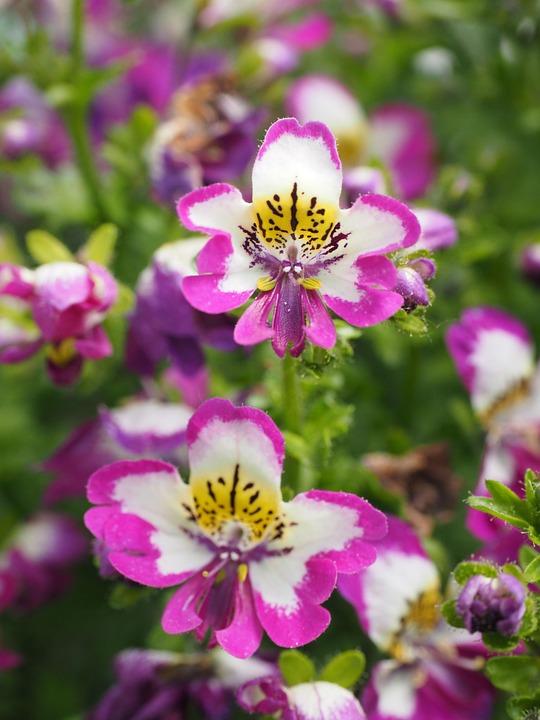
Transform your Balcony Garden into a sanctuary of mindfulness, where each moment becomes a meditation. Begin with the morning ritual of waking with the garden. Rise with the first light, light a soy candle infused with lavender, and sit in quiet observation as mist clings to the plant leaves. Inhale deeply, letting the citrus zests of Pansy blossoms awaken your senses. This is a space to breathe, to center, to let the rhythm of nature ground your chaos.
As evening falls, participate in the “Tea with Tadpoles” ceremony. Fill a glass teapot with herbal infusions—chamomile for calm, hibiscus for joy—and sip slowly on the folded table. Brew in the kettle’s whistle, a reminder that delays are part of the journey. Later, as butterflies flock to the fragrant butterfly bush, take a moment to watch them linger over milkweed blooms. Gently brush a finger against their wings, a silent exchange of energy, a reminder of symbiosis.
Create a timeless ritual of reflection: at dusk, shake the dry leaves from the ivy-lined trellis, letting them swirl in the wind like confetti. Gather scattered petals into a small bowl, a token of gratitude. These acts, small yet profound, turn the Balcony Garden into more than a space—it becomes a temple of intentional living, where every gesture is sacred.
Fostering Wildlife: Building a Floating Butterfly Haven
In a Balcony Garden, even the smallest gesture can anchor life. Butterflies, delicate messengers of transformation, seek refuge in spaces that offer both sustenance and sanctuary. To invite them, plant a mosaic of host and nectar plants. Milkweed (Asclepias) becomes a cradle for monarchs, its sap a lifeline for larvae; nearby, vibrant coneflowers (Echinacea) and lantana spill nectar in vibrant hues. Let these flowers bloom freely, their petals open to the afternoon sun, offering sustenance to wings that flicker in the heat.
Create a mineral mud bath by filling a shallow dish with damp sand and fine particles, a haven where butterflies replenish vital nutrients. Tuck in a few flat rocks beneath wind-drenched foliage, where heat-loving species bask to raise their internal temperatures. For shelter, nest a small terracotta pipe in the corner, its hollow interior offering refuge for flightless moments.
Soil becomes an unseen ally. Sprinkle organic fertilizer lightly around host plants in spring, particularly milkweed, ensuring strong growth. Avoid chemical pesticides; instead, build a balanced ecosystem with companion plants like marigolds, which deter pests naturally. Let aphids on kale become a lesson in acceptance—letting nature take its course, a quiet reminder that struggle is part of the web of Life.
The Balcony Garden becomes more than a garden—it’s a pact with nature, a floating ecosystem where every design choice, every choice of seed or stone, breathes life into the world above.
Practical Steps for Cultivating a Thriving Balcony Garden
Cultivating a Balcony Garden begins with understanding your space’s unique microclimate. Measure sunlight exposure and airflow, then tailor your plant choices accordingly. South-facing rails bathe in golden afternoon light, calling for drought-tolerant species like sedum or desert rose. North-facing corners favor shade-loving geraniums or hostas, their leaves whispering secrets in the cool shade. Orient pots strategically—hanging baskets for cascading greenery, shelves for compact herbs, and rail planters for structural symmetry.
Soil preparation is next. For a shallow container garden, opt for a low-density mix of compost and vermiculite, allowing roots room to breathe without waterlogging. For deep pots, layer soil with a drainage blend of perlite and bark chips, mimicking forest floor aeration. Above all, choose chemical-free nutrients—seaweed extract, worm tea, or diluted compost tea—to sustain growth without synthetic residue.
Planting should be both intentional and playful. Cluster flat-shaped flowering plants like phlox or zinnia at the edges to attract pollinators, while tucking taller varieties in the back. Consider a native meadow aesthetic with goldenrod, blanket flower, and sweet grass. As spring melts into summer, prune spent blooms to extend flowering, and mulch containers lightly with straw to retain moisture.
Finally, embrace imperfection. Let vines crawl unchecked, allow herbs to flower, and let rainwater dictate watering rhythms. In this space, a Balcony Garden thrives not from control, but from surrender—to seasons, to insects, to the quiet joy of a living, evolving ecosystem.
Seasonal Projects: Growing with the Turning of the Year
Each season brings new opportunities to refresh and renew your Balcony Garden. In spring, sow wildflower medleys in shallow trays, then transplant them into windowsill boxes as the frosts retreat. Let marigolds streak across the floor in vivid strokes of orange, their pungent scent deterring pests while their blooms nour
















Quick thought · nice idea; I might try this in my garden 🌿. Great share.
Heads up — Good eye — that detail stands out.
Heads up — Good eye — that detail stands out.
Heads up — Good eye — that detail stands out.
Quick thought • I appreciate the tips — super useful and friendly.
Also — This tip on “Top 5 Ideas for Zen Balconies & Floating” is so useful — thanks for sharing. Will try it.
Also — This tip on “Top 5 Ideas for Zen Balconies & Floating” is so useful — thanks for sharing. Will try it.