

Seasonal Ritual: Autumn’s Embrace with Charred Branches
With charred branches: a concise orientation before we get practical.
As the air grows crisp and the golden hues of autumn paint the world, the ritual of embracing charred branches becomes an act of connection—not only with the land but with the deep rhythms of nature itself. This seasonal practice, rooted in ancestral traditions and modern eco-conscious living, offers a powerful way to honor the transition from warmth to cool, from abundance to dormancy. Charred wood, once a symbol of destruction, transforms under the patient breath of time into something rich with history and meaning. Its darkened surfaces hold the memory of fire, yet in their stillness, they whisper of renewal and rebirth.
In the heart of autumn, when the earth exhales its last breaths of summer, charred branches become more than mere remnants of fire. They are fragments of a story—a bridge between the energetic fervor of past flames and the slow, quiet patience of the season to come. This ritual is not only an artistic expression but a sustainable practice that reveres natural cycles. By repurposing charred wood, we align ourselves with the principles of eco-living, embracing simplicity and resourcefulness. The act of gathering, charring, and incorporating these elements into our surroundings fosters a mindful relationship with the environment, where waste is seen not as an end but as a beginning.
This guide will explore how charred branches can be woven into seasonal rituals, design choices, and sustainable practices. From crafting meaningful symbols to nurturing landscapes, the journey of autumn’s embrace invites us to slow down, reflect, and find peace in the beauty of impermanence.
The Essence of Autumn and the Language of Charred Wood
Autumn is a season of transition, a time when the world gracefully surrenders its summer vibrancy to embrace the quiet anticipation of winter. As daylight wanes and the chill of the air grows more pronounced, trees shed their leaves in a final release of energy, preparing for the dormant slumber of the coming months. This natural cycle of letting go and renewal is mirrored in the presence of charred branches—remnants of fire’s destruction, yet bearing the quiet beauty of transformation. The darkened remains of wood become sculptural testaments to the power of change, their blackened surfaces softened by exposure to the elements, their edges smoothed by the passage of time.
In many cultures, charred branches have long held symbolic significance, representing both upheaval and resilience. They speak of past fires, of storms weathered and endured, and of the slow reclamation of ash and soil that follows. When incorporated into seasonal rituals, these elements become more than mere remnants; they serve as meditative anchors, reminding us of the impermanence of life and the enduring strength found in surrender. The ritual of handling charred wood is not one of sorrow but of reverence, an acknowledgment that from endings comes new beginnings.
For those seeking a deeper connection to nature, charred branches offer a tactile and atmospheric way to engage with the season’s essence. Their woody textures contrast with the crispness of autumn air, their smoky scents mingle with the scent of damp earth, and their presence in a space transforms it into a sanctuary of reflection. Whether placed as artistic embellishments in home decor or used in mindful practices, charred branches act as a bridge between the elements, grounding us in the season’s natural flow. This autumn, let us honor the quiet poetry of charred wood and embrace the beauty of what remains.
Embracing Autumn’s Cycles: Practical Steps for Connecting with Charred Branches
To integrate charred branches into your seasonal practices, begin by sourcing them responsibly. Collect only branches that have naturally fallen or been cleared from safe areas, ensuring that you disturb the natural environment as little as possible. Avoid taking wood from protected lands or areas where wildlife may depend on it for shelter. Instead, seek out wood from managed forests, tree services, or personal properties where branches have been pruned. Once obtained, clean the wood thoroughly, removing any debris or residual moisture before proceeding.
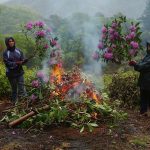
To safely char branches, use a controlled environment such as a fire pit or a metal drum. Start by placing dry, untreated branches on a flat surface over the heat source. As they ignite, allow the flames to consume the wood gradually, monitoring the process to prevent overexposure. Once the burning phase is complete, extinguish the fire completely, ensuring no embers remain. The resulting charred wood should be blackened and brittle, with a hollowed texture that reveals the wood’s transformation.
Once charred, these branches can be artfully incorporated into your surroundings. For a rustic home aesthetic, hang them in doorways or arrange them on mantles as symbolic reminders of seasonal change. Alternatively, place them in outdoor spaces such as fire pits, garden beds, or walkways to infuse your landscape with a meditative presence. If you wish to create an interactive ritual, consider collecting and arranging charred branches in a communal area, inviting family or friends to contribute their own collected remnants. This shared experience fosters a sense of connection to the land and to one another.
By engaging in this practice, you not only embrace the beauty of autumn but also contribute to sustainable living. The act of repurposing charred wood aligns with eco-conscious values, transforming what might otherwise be discarded into a meaningful resource. Through mindful gathering, safe charring, and thoughtful placement, this ritual becomes a meditative way to honor nature’s cycles, reinforcing your commitment to living in harmony with the earth.
Designing with Charred Wood: Minimalist and Eco-Inspired Aesthetics
Incorporating charred branches into interior and outdoor spaces creates a powerful connection to nature, grounding your environment in the quiet strength of autumn’s embrace. These darkened, textured elements serve as striking focal points, their raw beauty a testament to transformation and resilience. When thoughtfully integrated into your living space, charred wood can enhance both minimalist and organic design aesthetics, offering a sense of warmth and depth without overwhelming the senses.
For interior spaces, consider placing charred branches in areas where they can serve as subtle yet impactful decor. A carefully arranged collection in a fireplace, hung on a wall as art, or placed in a vase alongside seasonal foliage can evoke a sense of hearth and stillness. Pair them with soft textiles, earth-toned ceramics, or woven baskets to amplify the hygge-inspired atmosphere of your home. If using them as structural elements, incorporate reclaimed charred wood into shelving, tables, or backsplashes, ensuring that the organic beauty of the material remains the centerpiece of your design.
Outdoor spaces benefit equally from the presence of charred branches, particularly in gardens and communal areas. Arranging them along pathways or within planters can guide movement and add visual interest, while integrating them into raised beds or fire pits reinforces their natural origins. When using them in garden design, pair them with low-maintenance plants such as ornamental grasses, succulents, or wildflowers, allowing the wood’s rugged texture to contrast with softer greenery.
To ensure sustainability, always source charred wood responsibly, avoiding treated or chemically altered materials. By embracing this element in your home and garden, you not only celebrate the beauty of autumn but also practice mindful, eco-conscious living, aligning with the principles of eco-living that honor both nature and self.
Seasonal Rituals: Honoring Autumn’s Embrace Through Charred Wood
Incorporating charred branches into seasonal rituals fosters a deeper connection to nature and enhances emotional clarity. One meaningful practice is a meditative branch burning ceremony, where charred wood is placed in a fire pit or safe outdoor container to symbolize the release of past burdens. As the wood smolders, its earthy scent mingles with the crisp autumn air, creating a sensory experience that calms the mind and invites reflection. This ritual, rooted in ancient traditions, encourages participants to let go of what no longer serves them, embracing the season’s natural cycle of shedding and renewal.
Another way to engage with charred branches is through storytelling and journaling. Gather with family or friends to share memories of past fires, lost moments, or personal transformations, using the charred remnants as tactile focal points. Writing these reflections in a nature journal allows for deeper introspection, grounding thoughts in the physicality of the season. Pairing this practice with a nature walk to collect fallen wood or observe the changing landscape enhances the ritual’s connection to the earth, reinforcing a sense of belonging to the cycles of life.
Charred branches can also be incorporated into gratitude circles, where individuals place small pieces on a communal altar or fire pit while expressing appreciation for the season’s gifts. This act of intention-setting fosters mindfulness and strengthens communal bonds, reinforcing the values of sustainability and shared experience. By weaving charred branches into these mindful practices, you not only honor the beauty of autumn but also cultivate a deeper understanding of eco-living, where harmony between people and nature is at the heart of every ritual.
Nurturing Soil and Water: The Eco-Living Benefits of Charred Wood
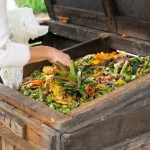
Charred wood, when used thoughtfully, can play a significant role in enhancing soil health and conserving water, making it a valuable asset for eco-living practices. When incorporated into garden beds or compost, charred wood acts as a slow-release nutrient source, enriching the soil with beneficial minerals. As organic matter breaks down over time, it retains moisture, reduces soil erosion, and supports microbial activity crucial for plant growth. This natural addition aligns with sustainable living principles, minimizing waste while promoting long-term soil fertility.
One practical application is using charred wood ash as a soil amendment, particularly for gardens that benefit from increased potassium content. However, it is important to ensure that the wood used was free from chemical treatments or preservatives before burning. The resulting ash, when applied in moderation, contributes essential minerals like calcium, magnesium, and potassium, which support plant resilience and improve soil structure.
Beyond soil enrichment, charred wood can also aid in water conservation. Strategically placed around garden beds, it helps regulate soil temperature and reduce evaporation, ensuring that plants retain moisture for longer. This is especially beneficial in late autumn, when preparing garden beds for winter dormancy. Additionally, integrating charred branches into fire pit designs can promote sustainable use, as controlled burns can contribute to land management and prevent excessive undergrowth, reducing the risk of wildfires.
By incorporating charred wood into gardening and land stewardship, you not only enhance your connection to the earth but also support ecological balance. This practice exemplifies eco-living, where simple, intentional actions contribute to the well-being of both soil and water, fostering a deeper harmony with the environment.
Supporting Wildlife and Habitat Preservation Through Charred Wood
Incorporating charred branches into your seasonal rituals and outdoor spaces can also support local wildlife and promote ecological balance. Charred wood offers a unique habitat for insects, small mammals, and birds, providing shelter and nesting opportunities that contribute to biodiversity. When left in garden beds or forest floors, charred branches create small cavities and crevices that attract beetles, spiders, and other beneficial insects, which in turn support pollinators and food sources for birds and amphibians. By intentionally placing these elements in your outdoor environment, you enhance the resilience of local ecosystems, fostering a thriving web of life.
In addition to their role in promoting biodiversity, charred branches can be used thoughtfully to support fire-safe landscapes. In areas prone to wildfires, strategic placement of charred wood piles can serve as controlled fuel breaks, reducing the risk of uncontrolled fires spreading. However, it is essential to follow local fire safety regulations and ensure that any use of firewood is done in cleared, approved areas. Beyond fire prevention, integrating charred wood into garden design can also aid in natural pest control. As the wood decomposes, it releases minerals that strengthen plant health, making them more resistant to pests and disease.
To align with eco-living values, avoid using treated or chemically altered wood, which can introduce harmful substances into the environment. Instead, source naturally fallen branches and incorporate them into your landscape in a way that benefits both wildlife and soil health. By embracing the ecological role of charred wood, you not only deepen your connection to nature but also contribute to a more sustainable and balanced ecosystem.
Autumnal Creations: Charred Wood Projects for Seasonal Living
Engaging in seasonal projects that incorporate charred branches fosters creativity while reinforcing eco-living principles. These handcrafted undertakings allow you to transform nature’s remnants into meaningful, sustainable decor and community experiences. One idea is to craft charred wood sculptures or art pieces that celebrate the beauty of autumn. By carefully arranging and mounting charred branches, you can create wall hangings, wind chimes, or textured lanterns that evoke the essence of the season. These artistic expressions not only enhance your living space but also serve as a tangible reminder of nature’s cyclical rhythms.
Another enriching project is organizing a communal charred wood gathering, where friends, family, or neighbors come together to collect, char, and arrange wood in a shared space. This ritualistic activity invites collaboration and storytelling, deepening connections to both nature and one another. You might also consider hosting a seasonal workshop where participants learn about the ecological significance of charred wood, its benefits for soil health, and safe handling practices. These gatherings not only spread eco-living principles but also encourage collective responsibility toward the environment.
For those seeking smaller, everyday projects, consider integrating charred wood fragments into DIY gift-making. Handmade charred wood pendants, rustic candle holders, or nature journals featuring pressed autumn leaves and charred wood accents offer a personal touch while promoting sustainable craftsmanship. Whether through artistic expression, communal gatherings, or personal projects, working with charred branches deepens your engagement with the season while upholding the values of eco-conscious living.
Extending the Ritual Indoors and on the Balcony
Incorporating charred wood into indoor spaces and balconies allows you to carry the essence of autumn’s embrace into everyday environments while maintaining the principles of eco-living. By thoughtfully arranging charred branches, you can create serene, nature-inspired spaces that promote mindfulness, calm, and a deep connection to the season. One approach is to integrate charred wood elements into balcony or patio arrangements, using them as natural dividers, artistic accents, or structural supports for seasonal decor.
For indoor installations, consider placing charred branches in vases, fire pits, or as part of rustic wall art. Their dark, textured surfaces contrast beautifully with soft fabrics, wooden surfaces, and natural materials like jute or woven baskets, enhancing the hygge-inspired ambiance of your home. If you enjoy crafting, charred wood fragments can be incorporated into seasonal home decor, such as handmade pendants, subtle signage, or textured centerpieces. These elements not only reflect the beauty of autumn but also serve as tactile reminders of nature’s enduring presence.
Balcony spaces benefit from charred wood in both practical and aesthetic ways. Arranging small pieces along railing edges or threading them through woven planters creates a sense of depth and visual interest. Additionally, charred wood can be used to build small, fire-safe structures like mini windbreaks or decorative frames for hanging string lights, adding warmth and ambiance. By embracing these eco-living-inspired design choices, you bring the grounding energy of autumn into your home, fostering a peaceful and harmonious living space.
Community and Shared Practices: Strengthening Ties Through Charred Branch Rituals
Engaging in charred branch rituals within your community fosters connection, resilience, and a shared commitment to eco-living. When practiced collectively, these rituals become more than personal gestures of appreciation for autumn—they create opportunities for mutual support, storytelling, and environmental stewardship. Whether through community gatherings, workshops, or shared outdoor installations, collaborating on charred wood projects reinforces the values of sustainability and mindfulness.
One way to deepen these connections is by organizing a communal charred wood ceremony, where participants gather to share memories, reflect on past experiences, and create a collective art piece using collected branches. This act of shared intention strengthens social bonds while deepening appreciation for natural cycles. Additionally, hosting seasonal workshops on sustainable practices, such as responsible wood collection and composting with charred wood ash, can educate and inspire others to adopt eco-living principles in their own spaces.
Online platforms and local groups can also play a role in spreading these practices. Sharing photos, recipes using charred wood elements, or storytelling circles centered around nature’s cycles encourages a broader conversation about sustainability. By exchanging ideas tagged with seasonal-mood, green-thumbs, and other nature-inspired themes, communities can amplify their impact and celebrate the beauty of Autumn’s Embrace with Charred Branches in meaningful, interconnected ways.
A Final Reflection on Autumn’s Embrace and Eco-Living
As the season turns and the earth settles into the quiet stillness of autumn, the ritual of des fevereiro21e is more than a symbolic gesture—it is a practice of presence, transformation, and connection. Through the careful gathering, charring, and placement of branches, we engage in a mindful dialogue with nature, acknowledging the cycles of growth, decay, and rebirth that shape the world around us. This approach, rooted in both tradition and modern environmental consciousness, invites us to live more intentionally, embracing the beauty of what remains while honoring the delicate balance of life.
By integrating eco-living into these seasonal practices, we reinforce our commitment to sustainability in both tangible and symbolic ways. Whether through the retention of charred wood in gardens, its use in mindful design, or its role in fostering communal harmony, each action reflects a deeper understanding of ecological stewardship. The warmth of charred wood, once exposed to the elements, becomes a gentle reminder that change is not something to fear but something to embrace with awareness and gratitude.
As you move forward in your own journey, may the values of eco-living continue to guide your choices, grounding you in a way of life that honors the land, the seasons, and the people with whom we share this world.









Small note — A gentle, thoughtful post — warmed my morning. Saving it 🌸
Also • Great addition — thanks for pointing it out. Thanks for this!
🙂 Also – So cozy — makes me want a cup of tea and a quiet afternoon ☕. Love this!
FYI: This is a small change with a big impact — thanks! Saving it.
Small note: Nice follow-up — that adds clarity. Great share.
Loved this about “Seasonal Ritual: Autumn’s Embrace with C” — such a nice idea. Thanks for this!
👍 Tiny tip — Great addition — thanks for pointing it out. Saving it.