

The garden breathes with us, a ceaseless rhythm threading through soil, leaf, and water. To tend it is to align with a primal cadence—a pause for reflection, a blooming in abandonment, a shedding in decay. This essay explores how cultivating Mindful Spaces through intentional design and seasonal attunement can mirror our own inner cycles, transforming gardens into sanctuaries of peace and sustainable harmony.
The garden breath: Quick notes
The Breath of Mindful Spaces
A Mindful Space is more than a tranquil enclosure; it is an intentional ecosystem where every leaf, stone, and breeze-carried petal participates in a silent conversation. Here, the garden becomes a mirror for our inner landscapes—a place to pause, to observe, and to align with the natural ebb and flow of life.
By breathing deeply with our gardens, we honor the quiet wisdom of seasons. Each planting becomes a meditation, each pruning a release. When we slow to match the garden’s tempo, we reclaim a sacred rhythm often lost in the hurried cadence of modern life.
Seasonal Context: The Ebb and Flow of Vegetation
Seasons mirror the breath of the earth. In spring, the garden awakens with a shudder of green; by summer, it swells into verdant abundance; autumn ushers in a rustling exhale as leaves turn amber and gold; and winter brings stillness, a resting heartbeat beneath frost.
Each phase holds its own cadence. A spring garden demands patience—nurturing seedlings with gentle water, offering space for roots to find their grounding. Summer calls for vigilance, ensuring that no single plant monopolizes sunlight or water. Autumn invites gratitude, harvesting ripened bounty before turning soil back to the earth. Winter, though dormant, is not idle; it prepares the soil for rebirth, a lesson in surrender and renewal.
To cultivate Mindful Spaces, we must learn to read these rhythms. Planting a tree on a solstice, scattering seeds at equinox, or simply sitting with a cup of tea beneath a cherry blossom’s pink cascade—these acts anchor us to the earth’s pulse. They remind us that growth is not linear but cyclical, a dance between expansion and contraction.
Practical Steps: Cultivating Breath in Brick and Soil
Turning theory into practice begins with small, deliberate acts. Consider transforming a corner of your garden into a Mindful Space by designing it to respond to the seasons. Here are key steps:
- Anchor with Perennials: Sedum, lavender, and coneflower return year after year, their roots a testament to resilience. Their presence creates a sanctuary of stability amid seasonal change.
- Embrace Negative Space: Leave gaps between plants for light and airflow, mimicking the pauses in human breathing. These voids become meditative voids, where fireflies flutter and moonlight pools.
- Create Microhabitats: A shallow birdbath, a bundle of hollow reeds, or a stack of logs invites wildlife into your garden. Dragonflies, beetles, and bees become companions in your breathwork.
- Use Water Wisely: Install rain barrels to collect runoff, or design a swale that channels water to thirsty plants. Every drop becomes a conscious choice, a meditation on conservation.
These steps do not merely beautify—they cultivate connection. When you plant a pollinator garden, you are not just supporting bees; you are aligning with a web of life that nourishes the world.
Design Ideas: Mirroring Breath in Architecture
Designing Mindful Spaces begins with intention. Let the garden’s layout reflect cycles of breath:
- Stone and Wood Pathways: Arrange stones in winding patterns that mimic footsteps—each turn a subtle invitation to pause. Use reclaimed wood for benches, their weathered surfaces bearing the marks of time and tides.
- Water Features: A slow-dripping faucet or recirculating fountain creates white noise, a sonic hum that soothes the mind. Add water plants like water lilies—a nod to the quiet pulse beneath the surface.
- Vertical Gardens: Train climbing plants like wisteria or ivy to frame doorways or walls. As they ascend, they mirror the act of stretching upward into light, a silent metaphor for aspiration.
Balance hard materials with soft, living textures. Interlocking paving stones bordered by moss create a tactile contrast—rough and smooth, structured and wild. This duality mirrors our own union of order and chaos.
Rituals: Breathing with the Seasons
Incorporate rituals that tether you to the garden’s heartbeat. Consider these seasonal practices:
- Spring Seed Sowing: On the day of the vernal equinox, plant three seeds in a pot while speaking their names aloud. This ritual transforms gardening into a meditation on hope and new beginnings.
- Autumn Gratitude Burning: In early fall, collect dried herbs like rosemary and sage. Bundle them loosely and tie with jute twine. On a full moon, blow smoke into the wind while naming one thing you’re grateful for.
- Winter Barefoot Walk: Stomp through frost-laced grass barefoot, feeling the chill seep into your soles. This grounding ritual reminds us that stillness is not dormancy but vital rest.
These rituals pair effortlessly with Mindful Spaces—each becomes a way to breathe with intention, to exhale old habits and inhale fresh ones.
Soil and Water Care: The Earth’s Alchemy
Healthy soil is the garden’s heartbeat, the source of nourishment and memory. Mindful Spaces prioritize regenerative practices that mirror the earth’s own cycles:
- Compost Mindfully: Turn kitchen scraps into black gold, but do so with attention. Keep a compost journal, noting what thrives and what rots. This practice deepens your bond with the soil’s living tapestry.
- Water with Intention: Water deeply and infrequently, allowing roots to dig for moisture. Use a watering can with a narrow spout, guiding droplets like prayers onto the soil.
- Avoid Chemicals: Pesticides and synthetic fertilizers disrupt the delicate balance of ecosystems. Instead, invite predatory insects and create organic barriers of marigolds and garlic.
When we treat soil and water with reverence, the garden becomes a living alchemy—a place where waste becomes fertility, where decay becomes genesis.
Wildlife and Habitat: Co-Creating Sanctuary
A Mindful Space is never a solo project; it is a collaboration with the unseen. Designing for wildlife fosters a deeper understanding of interdependence:
- Native Plants: Milkweed for monarchs, sunflowers for bees, coneflowers for goldfinches. Native species require less care and provide essential sustenance.
- Bee Hotels: Wooden blocks with drilled holes mimic the nests of solitary bees. Place them near lemon balm or lavender to create irresistible foraging spots.
- Insect Havens: Build a simple shelter from bamboo sticks and logs, leaving gaps for crickets, spiders, and ladybugs. These creatures keep pests in check, reducing the need for intervention.
By welcoming wildlife into your Mindful Space, you become a steward of biodiversity, a guardian of delicate balances that sustain life beyond your garden’s edge.
Seasonal Projects: Engaging with Time’s Wheel
Each season offers an opportunity to deepen your bond with the garden. Consider these projects:
- Spring: Create a Pollinator Path: Line a fence or pathway with a succession of native flowers, ensuring blooms from March through November. Observe how bees and butterflies trace the trail, their movements a living choreography.
- Summer: Host a Firefly Soirée: At dusk, dim lights and gather LED candles. Sit in lawn chairs, listening to crickets and watching fireflies blink like tiny lanterns. This ritual slows time, making the moment feel eternal.
- Fall: Host a Cider Pressing Party: Crush apples into juice, filtering the liquid through cheesecloth. Sip the result while recalling summer’s heat and the promise of coming snows.
- Winter: Plant Cover Crops: Sow clover or rye in bare garden beds, their roots shielding soil from erosion. This act is a pledge to the future, a trust in cycles beyond your own control.
These projects do more than beautify—they anchor us to the earth’s pulse, reminding us that we are both part of nature and part of its rhythm.
Indoor and Balcony Extensions: Miniature Breaths
You need not own acreage to cultivate Mindful Spaces. Even a windowsill or balcony becomes a sacred corner when treated with intention:
- Potted Citrus Trees: Their spring blossoms and summer fruits bring the promise of abundance, their thick waxy leaves offering a tactile counterpoint to stress.
- Indoor Herb Gardens: Basil, mint, and thyme grow happily on shelves or hanging rails. Snip a sprig mindfully, savoring the scent before adding it to a warm meal.
- Terrariums: Encapsulate a tiny world of moss, stones, and air plants in glass. These microcosms demand patience to thrive, teaching the art of delayed gratification.
Balance open spaces with layered textures. A balcony planter with trailing ivy and upright marigolds creates a vertical breath—reaching upward, yet grounded.
Community and Sharing: Expanding the Breath
Mindful Spaces thrive when shared. Involve neighbors, children, or friends in seasonal rituals:
- Seed Swaps: Bring a handful of dried seeds—tomatoes, nasturtium, cosmos—and exchange them with others. Pass along stories of past harvests and failures alike.
- Garden Meditation Circles: Gather weekly to tend plants in silence, sharing observations about growth and decay. No speaking required.
- Donate Harvests: Plant extra squash or carrots and donate to local food banks. Teaching children to grow surplus transforms their pockets into portals of generosity.
By sharing resources, we extend the breath of our Mindful Spaces beyond our walls. Gratitude multiplies, as does ecological resilience.
Conclusion: The Inhale and Exhale of a Lived Garden
A garden designed as Mindful Space is a continual exercise in breathing—deep inhales of spring planting, slow exhales of autumn decay, pauses in winter’s hush. It teaches us to live with the seasons, not against them, and to embrace imperfection as part of life’s grand design.
In cultivating these spaces, we remember that breath is the first act of embodiment. When we garden with awareness, we hear a deeper truth: that we are nested within nature, savoring its sweetness with every breeze, every rainstorm, every bloom.
Let the garden be your breath. Let it remind you that growth begins with care, and that every fall carries the promise of spring.
A moment of stillness invites us to lean into the garden’s wisdom. Let the soil hold your hands, and let its breath remind you: you are alive, you are connected, you are part of a rhythm older than time.
We reference The garden breath briefly to keep the thread coherent.

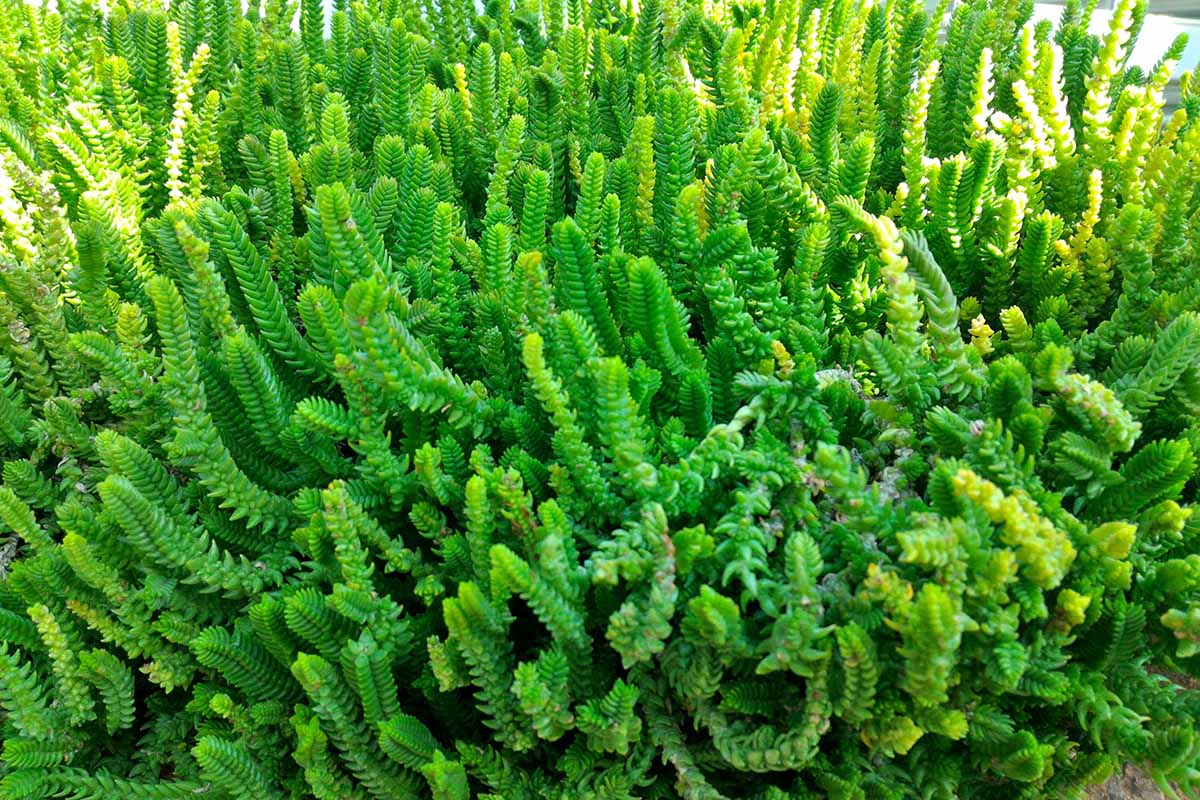












Heads up: Lovely idea; I might try this in my garden 🌿. Will try it.
On a similar note — This tip on “Symbolic Essay: The Garden as Breath” is so useful — thanks for sharing. Thanks for this!
On a similar note — This tip on “Symbolic Essay: The Garden as Breath” is so useful — thanks for sharing. Thanks for this!
On a similar note — This tip on “Symbolic Essay: The Garden as Breath” is so useful — thanks for sharing. Thanks for this!
On a similar note — This tip on “Symbolic Essay: The Garden as Breath” is so useful — thanks for sharing. Thanks for this!
On a similar note — This tip on “Symbolic Essay: The Garden as Breath” is so useful — thanks for sharing. Thanks for this!
So homey — makes me want a cup of tea and a quiet afternoon ☕.
FYI • Such a warm post; this made me smile. Saving it.
Practical and pretty — bookmarking this.
Nice take on “Symbolic Essay: The Garden as Breath” — I’ll try that soon. Thanks for this!
Nice take on “Symbolic Essay: The Garden as Breath” — I’ll try that soon. Thanks for this!
Nice take on “Symbolic Essay: The Garden as Breath” — I’ll try that soon. Thanks for this!