Introduction
Imagine a space where every raindrop finds purpose, where breezes whisper through metal sheets crafted to catch their song, and where stone and earth converge to cradle nature’s gifts. This is the heart of terraces that cradle water & wind—an ode to mindful design and serene living. These are not mere platforms for plants or pots; they are living ecosystems, sculpted by intent to harmonize with the seasons. Whether perched high on a mountain escape or nested in a suburban nook, such terraces become sanctuaries of peace, where eco-friendly practices meet emotional clarity.
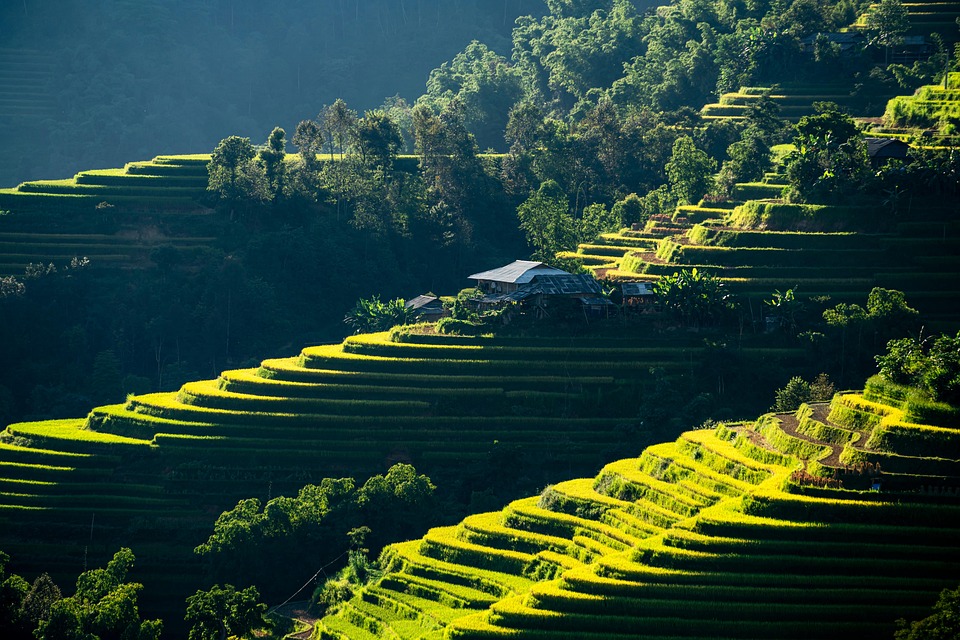
The concept draws deeply from Mountain Escapes, those high-altitude realms where human ingenuity bends to nurture the land’s rhythms. Here, terracing transforms slopes into symphonies of sustainability, guiding water back to the soil and coaxing wind to hum melodies on corrugated roofs. It’s a practice that could just as easily grace a rooftop in Seattle as a hillside in Nepal—spaces where every drop is treasured, every gust revered.
Seasonal Context
To design terraces that cradle water & wind, one must first understand the dance of the seasons. Spring awakens the thirst of parched roots; summer’s heat bakes the earth, demanding shade and moisture retention. Autumn spills rain into gutters and drains, while winter stillness calls for structures that harvest lingering showers. A terrace aligned with these rhythms becomes more than a deck or patio—it becomes a steward of the land’s heartbeat.
In mountainous regions, where snowmelt and monsoons reign, terraces take on sacred roles. Stone walls lined with wild thyme retain water like the folds of a mountain paw, while woven reed panels flutter to temper gusts. These are the lessons of Mountain Escapes: adapt to the wild, let the environment shape your hand.
Practical Steps
1. Harnessing Water’s Journey
Begin by mapping your terrace’s water flow. Where does rain fall first? Does wind sweep through a specific corridor? Use this knowledge to create depressions, channels, or barriers that slow water’s descent. A terracotta-lined edge can catch roof runoff, funneling it into a garden bed below. Permeable pavers, carved like miniature mountains, let droplets seep back into the earth instead of pooling in concrete.
Incorporate swales—shallow, grassy trenches that redirect flow. In humid climates, these can double as pollinator habitats, their banks dotted with native species. The goal is not control but collaboration, letting water nourish rather than waste.
2. Crafting Wind-Friendly Architecture
Wind shapes terraces as much as water does. Install modular windbreaks using bamboo or recycled wood, their slats angled to deflect gusts into gentle breezes. A corrugated metal roof angled steeply can double as a rain catchment, while vertical gardens soften its industrial edge.
Consider the Japanese engawa—a veranda designed to be caressed by wind. Its slatted floor and open sides invite connection with the air, making terraces spaces for quiet contemplation. Even small transitions, like placing a wind chime in a strategic corner, can transform how energy moves through your space.
3. Earth-to-Sky Layering
Layer materials and textures to create microhabitats. A gravel step bordered by moss serves as a rain garden, while a horizontal wooden bench doubles as a wind-resistant seat. Use reclaimed timber for edging or seating, honoring both durability and history.
Incorporate kinetic elements: a willow curtain dances in the breeze, while a rain chain made of recycled copper directs water into a copper trough. These details turn terraces into interactive stage sets, where nature performs nightly.
Design Ideas
1. The Living Rooftop Sanctuary
A roof terrace becomes a mountain escape in miniature. Use modular planters filled with sedum and other drought-tolerant species, their shallow roots sipping runoff from a sloped eave. A recycled concrete wheelbarrow, repurposed as a rain barrel, sits nearby—a testament to adaptive reuse.
Here, the roof’s angle becomes an asset. A shallow dip carved into the pavement leads water to sedum beds, while wind turbines or mini solar panels harness breezes to power small features like a fountain. The terrace becomes a self-sustaining ecosystem, a crown jewel of your terraces that cradle water & wind.
2. The Contoured Vegetable Garden
Mountainous inspiration meets suburban practicality in a terraced vegetable garden. Build stone retaining walls in staggered layers, each cradling a row of heirloom tomatoes or fragrant herbs. Add a nested series of terracotta pots along the edges, their glazed surfaces collecting rainwater pooled from a drip irrigation system.
Include a rain garden at the base of the terrace, where sedum and yarrow filter runoff. This design not only grows food but tells the story of resourcefulness—how even urban land can honor Mountain Escapes by slowing erosion and celebrating cycles.
3. The Resonant Seating Area
Create a seating nook where wind and water compose music. A circular bench made of reclaimed teak faces a rain chain that spills into a ceramic basin, its collected water home to a floating lotus flower. Behind it, a wind harp—a series of metal rods tuned to ambient breezes—hangs from the railing, chiming softly with each gust.
This is the essence of Mountain Escapes: crafting experiences, not just spaces. The terrace becomes a sanctuary where emotional clarity blooms through sensory immersion.
Rituals
Morning Offerings to the Elements
Begin your day with a cup of herbal tea, sipping slowly as you sit on a moss-cushioned stool, watching the first light catch on a terraced wall. Use the moment to refuel with gratitude for the water that nourishes your plants and the wind that carries seeds of new life.
Seasonal Cleansing
In autumn, sweep fallen leaves into a compost bin lined with straw. Alternatively, build a ritual around releasing them into a symbolic “gutter garden,” where they decompose into fertile soil. Let this act remind you that endings feed beginnings.
Wind Whispering
Hang a bundle of dried lavender and eucalyptus near your terrace’s windbreak. As breezes pass, their scent diffuses into the air, creating a living diffuser. This simple act marries practical utility with emotional serenity.
Soil & Water Care
A terrace’s vitality hinges on its soil. Build raised beds with a mix of compost, coir, and vermiculite to ensure channels for excess water to escape while retaining nutrients. Install soaker hoses beneath gravel pathways, directing moisture to plant roots instead of washing them away.
For water collection, line gutters with sand or install rock-filled bioswales. These natural purifiers prevent contaminants from reaching water tables while enriching the terrace’s edge habitats.
Wildlife & Habitat
Encourage biodiversity by leaving untreated wood in small piles, offering shelter for insects. Install birdbaths with moving chains, their motion attractants to hummingbirds and bees. Let grasses and clover thrive at terrace edges—their swaying forms act as wind sanctuaries, slowing gusts and providing refuge for small birds.
A Solitary Bee Haven
Carve wooden bee towers in geometric mountain-inspired shapes, filling hollow stems with reeds. These become microhabitats, supporting pollinators while enriching your terrace’s ecosystem.
Seasonal Projects
Winterizing Your Wind Sanctuary
In colder climates, line terracotta pots with insulating bubble wrap. Plant hardy bamboos in large containers, their rhizomes protected by a layer of straw. A tall, curved rusted gate can shield the terrace from icy winds, while a low wall of recycled bricks forms a “wind funnel” to channel warmth.
Summer Wind-Soaked Retreats
Add climbing nasturtiums to pergolas in early summer. Their edible flowers offer respite from heat, while their cascades of color create dynamic windbreak patterns. At dusk, place shallow bowls of water near seating areas—they cool the air slightly and attract dragonflies, nature’s mosquito warriors.
Indoor/Balcony Extensions
Bring the terrace’s spirit indoors. A wall-mounted planter with succulents trails onto a metal ledge, catching raindrops as they drip from the eave. Hang wind-responding mobiles—chains with varying lengths of shells that chime as indoor fans circulate air.
For apartments, shorten the terrace’s principles: use self-watering bulbs to sustain tomatoes on a balcony, or create a “water chain” from a coffee cup to a saucer below. Even the smallest space can honor Mountain Escapes by valuing resourcefulness.
Community & Sharing
Host a seed swap where neighbors exchange herbs, vegetables, and native plants suited to your region. Build a shared windbreak using reclaimed pallets, each family adding a section painted in earthy tones. Plant a community herb spiral in a common terrace garden, its tiers labeled with stories of the hands that nurtured it.
Conclusion
When you craft terraces that cradle water & wind, you build more than a structure—you cultivate a mountain escape, a place where every element teaches gratitude. Let your terrace’s curves and curves mimic the land’s own erosions, its materials recycled, its rhythms in sync with the wider world. Here, in the poetic dance of stone and storm, you find not just shelter, but a mirror to the earth’s ancient wisdom.
Top 5 Ideas: Terraces That Cradle Water & Wind
Mountain Escapes