

Mindful Spaces Anchored in Nature’s Embrace
Mindful Spaces unfold where earth hums softly in the background, where breath stitches itself to the rhythm of green and stone. To craft these havens is to cradle the soul in the folds of quiet joy, a practice as ancient as moss clinging to a forgotten stone. Here, the heartlands of home dissolve around impressions—not noise, not haste, but the hush of something deeper. The goal? To carve nourishment from the ordinary, to transform the mundane into the sacred.
Autumn’s Whisper: Seasonal Context
Seasonal shifts carve their own poetry into spaces, each one offering a palette of quiet reinvention. Autumn, for instance, invites a return to slow gathering: raking fallen leaves that hum with decomposition’s promise, or carving out moments to sip tea as light marbles across your windowsill like wind-scattered honey. In winter, spaces deepen into stillness—by banks of flickering candles, or the low murmur of a wood stove channeling you back to the first warmth of a cold dawn. Spring breathes open crevices left dormant by snow, urging you to kneel in damp soil and plant seeds with trembling hands. Summer, relentless and sun-drenched, becomes a season of patience: lingering in shade, fanning coolness over sweating skin, and tasting wild herbs wet from recent rain.
Practical Steps Toward Mindful Creation
Begin with what feels worn but familiar. A shelf stripped bare to reveal the grain of old wood becomes a small act of reverence. Replace it with flat stones lined with lichen, or a fragment of lace stitched into a napkin tree. Small decisions ripple outward. Swap harsh synthetic fabrics for unbleached cotton; let wool rugs breathe like meadow grass. When emotions feel unanchored, return to a place where nature’s outlines are visible: a wallpapered space might become a canvas for hand-painted clouds; a window ledge becomes a perch for a potted evergreen to snake its tendrils.
Designing Sanctuaries with Emotional Resonance
Design need not lean on bulk or grandeur. A hearth-lit alcove corner can hold a single branch of foraged roses, their thorns softened by time. Let jars filled with water nourish fresh-cut branches, their stems trembling like harp strings. In bedrooms, replace sharp angles with rounded mirrors reflecting light in ambered shards. In kitchens, hang copper cookware not just for show but as a reminder of fired clay and slow-burning stoves. These choices whisper: live gently, decay gracefully, return what you borrow.
Rituals Aligned to the Pulse of Earth
Rituals are the bones of Mindful Spaces, binding intention to routine. In the emptying of teacups, dip each one into a bowl of damp moss before setting it on the tray. Before leaving the house, place a handful of pinecones and one acorn in a small dish at the doorstep as a vow to carry warmth outdoors. At dusk, trace shadows across walls with a finger, naming the shifting shapes. These acts ground you in the living world, aligning your breath with the earth’s quiet cadence.
Nurturing Soil & Water with Care
The earth beneath our feet holds stories. In gardens, prioritize compost over chemical fixes; the scent of breaking down leaves becomes a perfume for growth. Collect rainwater in half-buried jars, letting it settle before use to quench thirsty roots. Plant choices matter: native perennials require less tending, their root systems stabilizing the soil while cradling visiting insects. Even in drought, let mulch act as skin for the land, releasing moisture slowly as life recovers.
Cultivating Wildlife & Habitat Harmony
A mindful space invites creatures as co-stewards. Build a small insect hotel from reclaimed wood, its tunnels sheltering beetles and bees. Set out clay bowls shallow enough for birds to drink without fear, refilled daily with fresh pebbles for perching. Let ivy climb walls to mimic the cooling effect of forest canopy; its greenery muffles sound, weaving a living shield of peace. In winter, scatter birdseeds along pathways to sustain feathered travelers. Each gesture remembers: we are part of an unbroken web.
Seasonal Projects to Renew Connection
Craft spaces become sacred when they bridge hand and heart. In the weeks of harvest, carve pumpkins not for carving but for drying, stringing them with cedar beads into hangs-for-winter garlands. Press snow-dusted twigs into blocks of beeswax, letting the scent deepen as the block melts come spring. Knit a blanket of recycled wool, its texture a counterbalance to fraying nerves. These projects anchor creativity to the seasonal cycle, transforming function into art.
Maximizing Indoor & Balcony Sanctuaries
Even narrow ledges or postage-stamp balconies can breathe into mindful havens. Cluster plants with chimes of differing heights—pothos trailing like ivy, basil tucked between woolly sage—to create vertical harmony. Hang macramé hangers from a ceiling or pergola, their patterned knots anchoring the eye. Window boxes become border crossings: sunflowers lean inward toward windows, while trailing petunias spill outward like liquid silver. Let curtains sway in breezes like closed eyes caught mid-dream.
Building Community Through Shared Spaces
No sanctuary exists alone. Swap homegrown herbs with neighbors, tying stems with raffia into certificate bundles. Host candlelit gatherings where each guest contributes a dish made with ingredients from a communal garden. Create a “gratitude tree” in a public park or garden club space, its branches bearing paper notes folded like origami birds. To mind, that these connections ripple outward, stitching isolated havens into a quilt of mutual healing.
Closing Circle: Sustaining the Joy of Mindful Living
In the end, Mindful Spaces are not destinations but rhythms you embody. The hearth-lit sanctuary, born of careful choice and seasonal listening, remains lit not solely by flame or fanciful decor but by the glow of intention. Let it follow you into the market, the kitchen, the walk to your letterbox. The invisible gardener within knows these truths: to bloom, you need soil; to sing, you need breath; to be, you need time. Breathe out now, and invite the quiet joy already beside you.
Hearth-lit sanctuaries thrive in pockets both large and small. To breathe in quiet joy is to notice where the wild things are—not distant, but always near, if you only pause to open eyes.


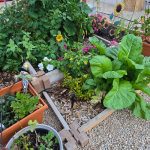











nice composition; the colors work so well together. Thanks for this!
Tiny tip · This tip on “Poetic Guide: Hearth-Lit Sanctuaries, Br” is so useful — thanks for sharing.