What “home and garden” really means
“Home and garden” is more than a category on a website or a section in a store. It’s the relationship between:
Interior spaces (rooms, decor, furniture, light)
Outdoor spaces (balcony, patio, yard, tiny retreats)
Living elements (plants, natural materials, textures)
Your lifestyle (how you rest, work, host, and recharge)
A beautiful home and garden is not about perfection. It’s about alignment—making your spaces support the way you actually live.
Why home and garden matters
Emotional health: Calm spaces reduce stress and support clarity.
Functionality: Good layout and storage make daily life easier.
Connection to nature: Plants, natural light, and outdoor corners ground you.
Identity: Your home quietly tells your story—through colors, objects, and atmosphere.
This guide will help you shape that story with intention.
How to plan your space (any size, any budget)
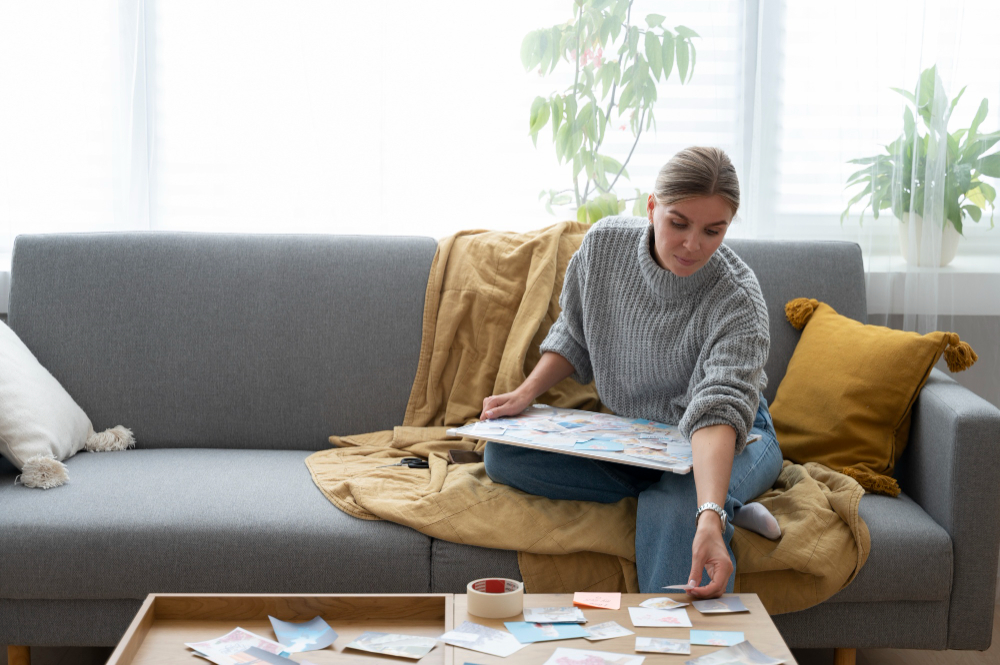
Before you buy anything or move furniture, you need a simple plan. Planning doesn’t have to be complicated—it just needs to be honest.
Understand your space
Walk through your home and ask:
Where do I feel good? (light, air, comfort)
Where feels heavy or cluttered?
Which corners are completely unused?
Where do I naturally sit, read, work, or rest?
Do the same for your outdoor space—balcony, patio, yard, or even a window ledge.
Define your priorities
You don’t need to fix everything at once. Choose 1–3 priorities:
A cozy reading corner
A functional kitchen
A calm bedroom
A green balcony
A simple herb garden
Write them down. These become your guiding goals.
Choose a simple style direction
You don’t need a perfect label, but a direction helps:
Forest‑inspired / nature‑inspired (earth tones, wood, plants)
Minimal and calm (neutral colors, clean lines, few objects)
Cozy and layered (textiles, warm light, soft textures)
Your style will evolve—but starting with a direction keeps you from buying random things.
Indoor home decor basics
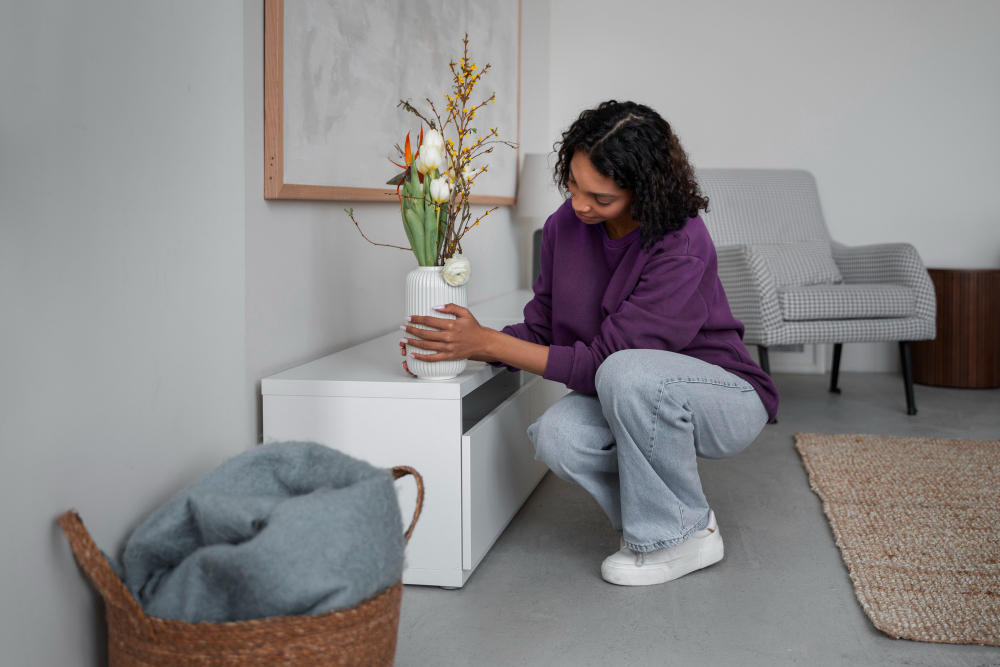
Your home interior is the base of your daily experience. You don’t need a full renovation to improve it—small, intentional changes can transform how a room feels.
Start with light
Light is the most powerful design tool.
Use sheer curtains to soften harsh light.
Avoid blocking windows with tall furniture.
Add warm lamps in corners instead of relying only on ceiling lights.
Use mirrors to reflect natural light into darker areas.
Choose a simple color palette
Pick:
1–2 main colors (walls, big furniture)
2–3 accent colors (pillows, art, decor)
Nature‑inspired palettes work beautifully:
Greens, browns, creams, soft whites, muted blues.
This creates visual calm and makes your home feel intentional.
Use natural materials
Whenever possible, choose:
Wood
Cotton
Linen
Jute
Clay
Stone
These materials age well, feel grounded, and connect your home to the garden outside.
Create “zones” instead of perfect rooms
Even in a small space, you can create zones:
A reading corner with a chair + lamp
A plant corner near a window
A work corner with a small desk
A tea/coffee corner in the kitchen
Zones help your home support your routines.
Outdoor spaces: balcony, patio, and garden
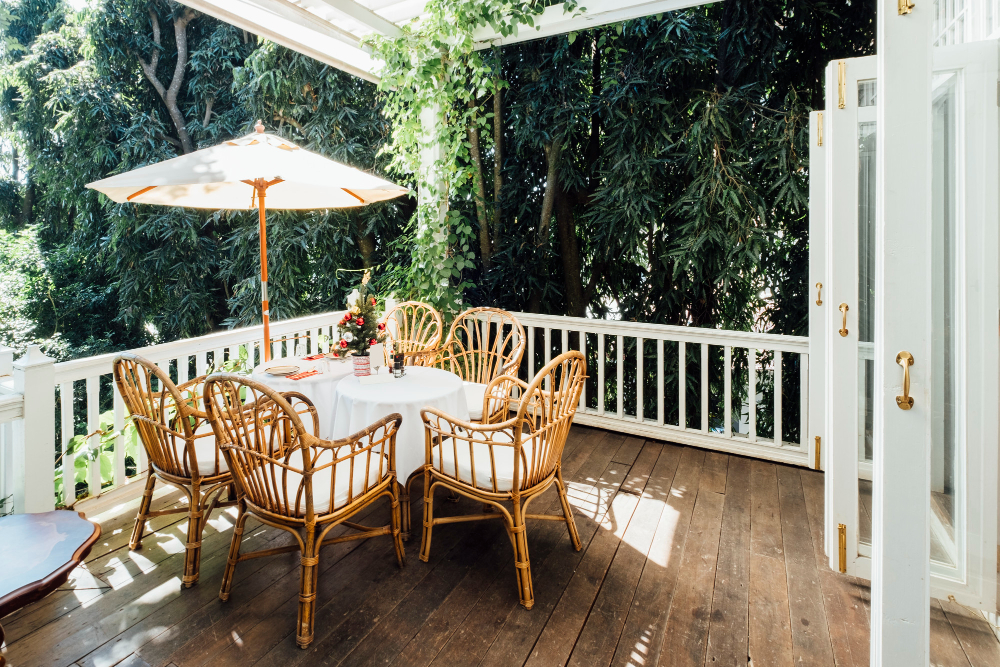
You don’t need a big yard to have a garden. A balcony, a small patio, or even a window ledge can become a tiny retreat.
Balcony garden basics
For a balcony:
Use containers and pots instead of planting in the ground.
Choose lightweight pots if your balcony is small.
Mix plants of different heights to create depth.
Add a small chair or cushion to make it a place you actually sit.
Good beginner balcony plants:
Herbs (basil, mint, rosemary)
Geraniums
Petunias
Lavender (if sunny)
Tiny retreats and small outdoor corners
Even a small outdoor space can feel like a sanctuary:
Add a rug or mat to define the area.
Use string lights or lanterns for evening atmosphere.
Add one or two plants in large pots instead of many tiny ones.
Include a small table for tea, books, or a candle.
Larger gardens and yards
If you have more space:
Start with one area, not the whole yard.
Define simple zones: seating, planting, path.
Use curved lines for a softer, natural feel.
Mix evergreen plants (structure) with seasonal flowers (color).
Plants and gardening basics for beginners

You don’t need to be an expert to start gardening. You just need a few core principles.
Light, water, soil: the three essentials
Every plant needs:
Light: full sun, partial shade, or shade
Water: consistent but not excessive
Soil: well‑draining, with organic matter
If a plant is struggling, check these three first.
Easy plants for beginners
Indoor:
Snake plant
Pothos
ZZ plant
Spider plant
Outdoor:
Lavender
Marigold
Mint (in a pot)
Basil
Tomatoes (sunny spot)
Start with plants that forgive mistakes.
Containers vs ground
Containers: great for balconies, patios, and renters.
Ground: better for larger gardens and long‑term planting.
Always ensure drainage holes in pots. Use potting mix, not heavy garden soil, for containers.
Simple planting steps
Choose the right plant for your light.
Use good soil (potting mix or improved garden soil).
Plant at the same depth as in the nursery pot.
Water thoroughly after planting.
Check soil moisture regularly.
Seasonal home and garden care
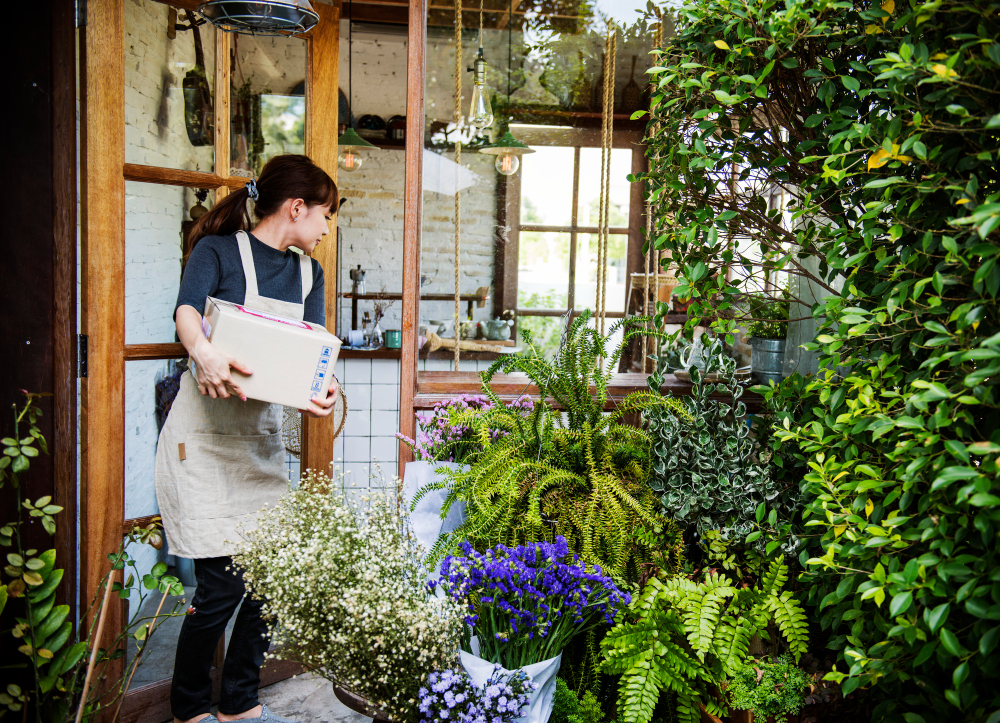
Your home and garden change with the seasons. Working with the seasons instead of against them makes everything easier.
Spring
Clean and declutter rooms.
Refresh textiles (lighter fabrics, fresh colors).
Start planting: herbs, flowers, vegetables.
Prune dead branches and old growth.
Summer
Focus on watering and shade for plants.
Use outdoor spaces more: dinners, reading, resting.
Add fans or light curtains indoors to keep air moving.
Autumn
Prepare the garden for rest: remove dead plants, add mulch.
Bring sensitive plants indoors.
Add warm textiles: blankets, rugs, cushions.
Use warmer lighting indoors.
Winter
Focus on indoor plants and cozy corners.
Plan next year’s garden.
Use candles, warm lamps, and layered textiles.
Keep windows clean to maximize winter light.
Eco‑friendly and mindful living at home
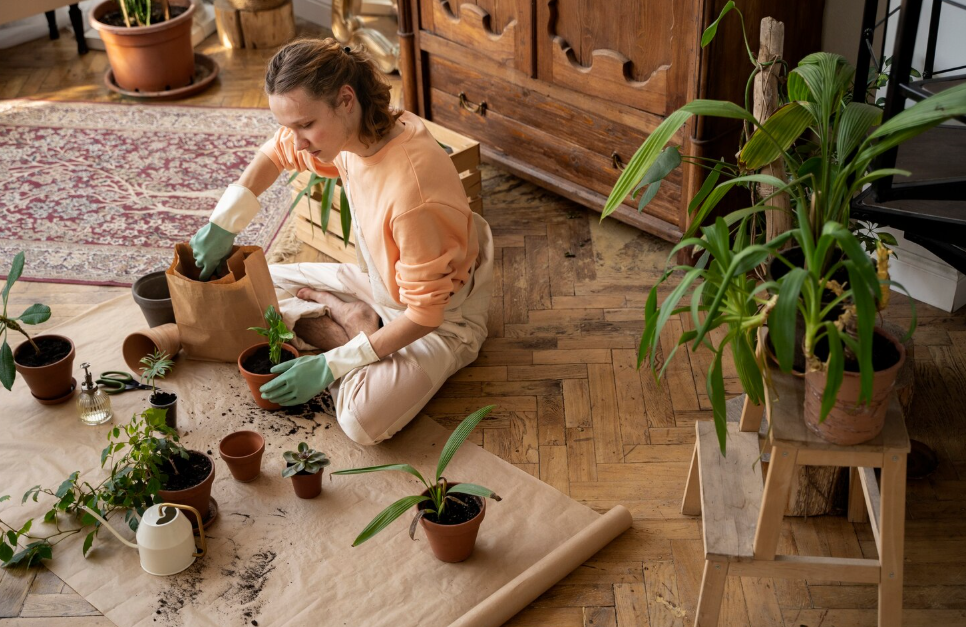
A home and garden can be beautiful and gentle on the planet at the same time.
Simple eco habits
Use LED bulbs to reduce energy use.
Choose reusable items over disposable ones.
Repair instead of replacing when possible.
Use natural cleaning products where you can.
Eco‑friendly gardening
Make simple compost from kitchen scraps (where possible).
Use mulch to reduce water loss.
Collect rainwater if allowed.
Avoid harsh chemicals—use natural pest control methods.
Mindful spaces
Keep at least one corner clutter‑free as a visual rest point.
Use scents (herbs, candles, essential oils) intentionally.
Create a small ritual space: a chair, a plant, a book, a cup of tea.
Quick home and garden projects you can start this week
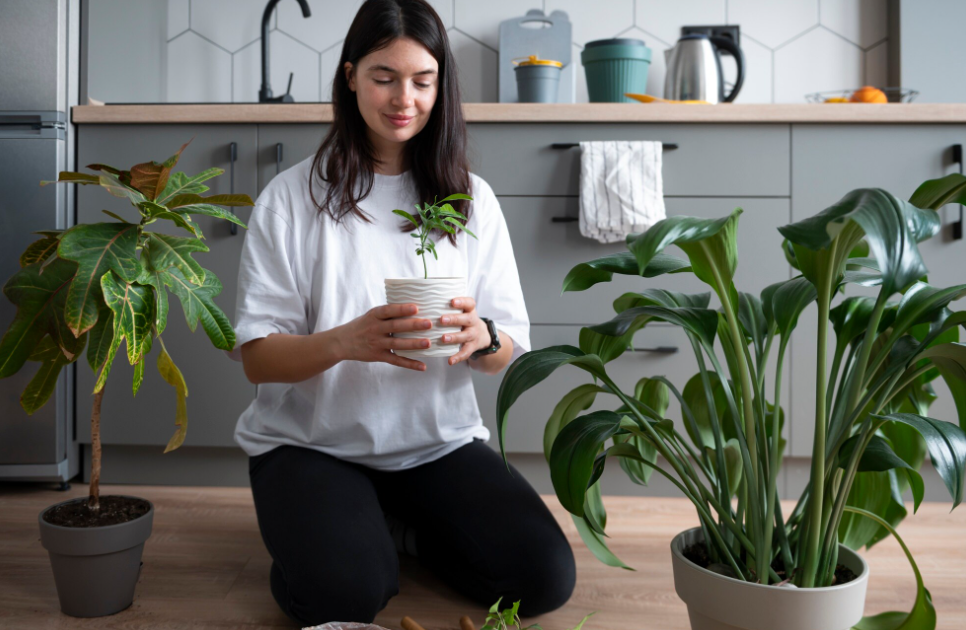
You don’t need a full makeover. Start with one small project.
For your home
Rearrange furniture to open up space.
Create a reading corner with a chair, lamp, and small table.
Add 2–3 plants to one room.
Replace harsh white bulbs with warm light.
For your garden or balcony
Plant a herb pot with basil, mint, or parsley.
Add a string of lights to your balcony or patio.
Create a mini plant shelf near a window.
Start a single container with flowers or salad greens.
Small wins build momentum.
Common mistakes and how to avoid them
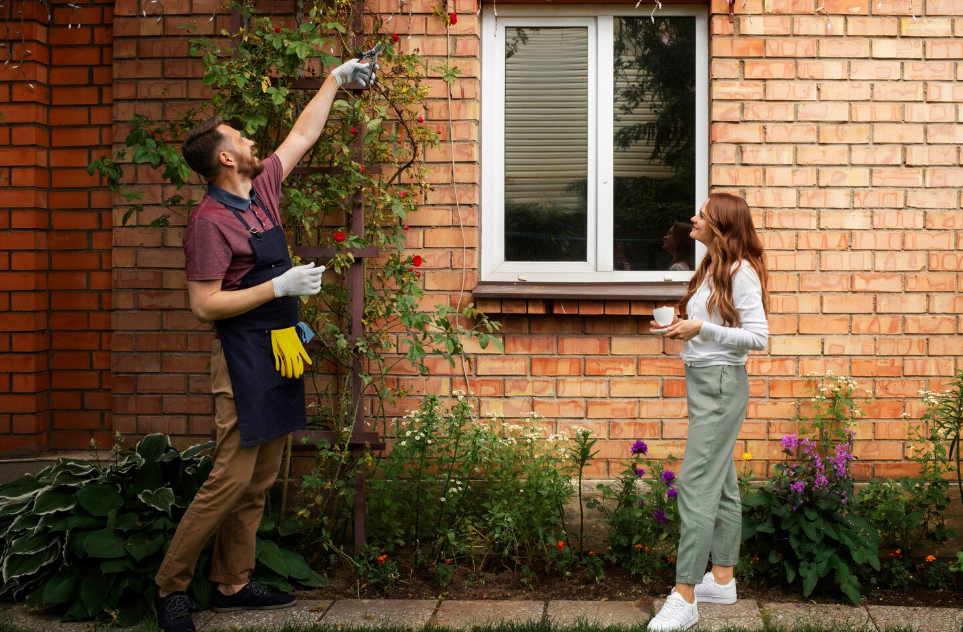
Everyone makes mistakes. The goal is to make better mistakes over time.
Home mistakes
Buying decor without a plan → leads to clutter.
Too many colors → visual noise and stress.
Ignoring light → rooms feel flat or harsh.
Fix: Start with a simple palette, use fewer objects, and prioritize light.
Garden mistakes
Overwatering plants.
Choosing plants that don’t match your light or climate.
Planting too many things at once.
Fix: Start small, learn your light, and check soil before watering.
Final thoughts and next steps
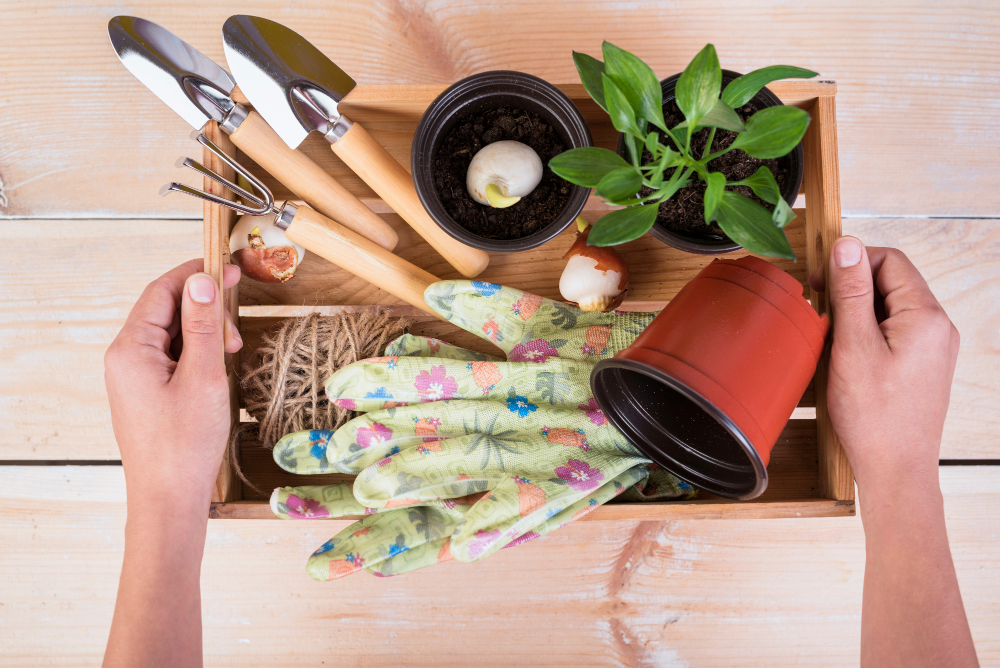
Home and garden are not projects you “finish”—they are living, changing companions to your life. You don’t need a big budget, a huge space, or perfect taste. You only need:
A clear intention
A few simple principles
The courage to start small
From here, your next steps can be:
Choose one room to improve.
Choose one outdoor corner to soften.
Choose one plant to care for.
Over time, these small decisions will turn your home and garden into a place that truly feels like you.