

Introduction
There’s a quiet magic in the way seasons turn, a rhythm written not in words but in the unfolding of blossoms, the rustle of fallen leaves, and the whisper of snow. These labyrinthine paths, winding through gardens and through time, are more than mere trails—they are invitations to move through life with grace, blending the wisdom of the earth with the stillness of the soul. Entering a labyrinth is to embrace a journey, where every step becomes a meditation on the cycle of growth, decay, and renewal. Here, Garden Wisdom is not just a concept but a lived language, a way to cultivate harmony between body, spirit, and land. Whether you walk barefoot on damp soil or trace patterns in frost, these paths teach us to slow down, to listen, and to find meaning in the turning wheel of seasons.
Seasonal Context
Each season breathes its own song into the landscape, shaping the character of the land and the soul’s connection to it. In spring, paths meander past awakening buds, their surfaces softened by moss and the first dews of rebirth. Summer paths blaze in sunlight, flanked by towering ferns and ripe berries, where the air hums with the buzz of bees. Autumn transforms trails into ribbons of russet and gold, their edges lined with fallen leaves that whisper of decay and new beginnings. Winter cloaks everything in silver, turning paths into silent corridors where frost glints like scattered stars. Understanding this seasonal interplay is key: a garden labyrinth is not static but alive, shifting with each gust of wind and drop of rain. To walk these paths is to witness the ebb and flow of nature’s cycle, a lesson in patience and impermanence.
Practical Steps
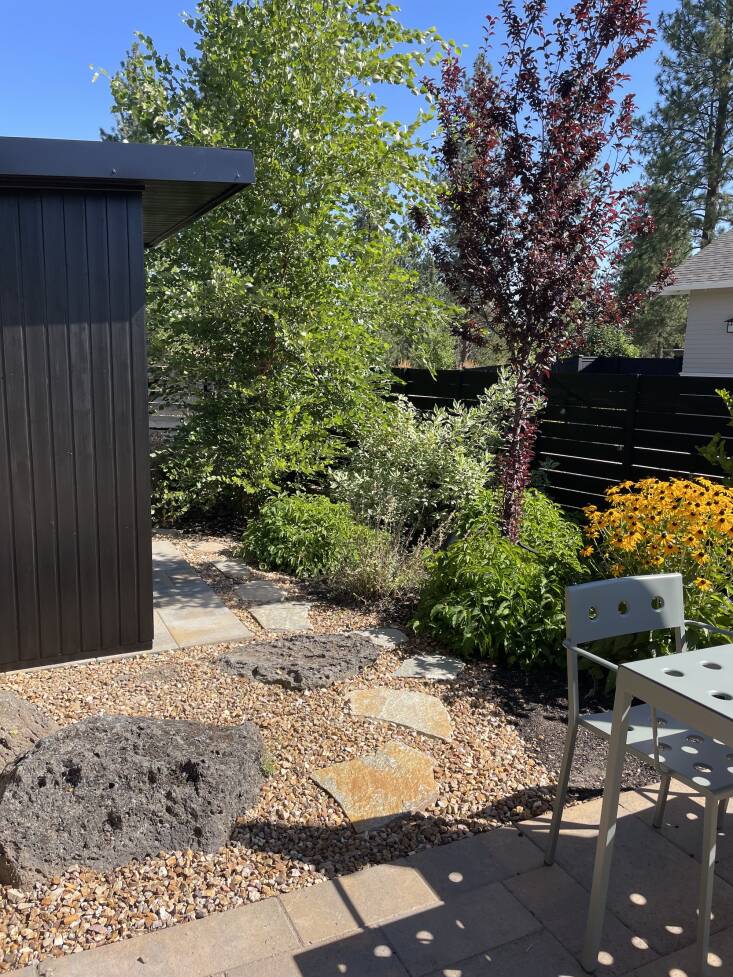
Begin by observing your space: where does the wind whisper secrets? Where do shadows fall at dawn? These are the clues that guide the first steps of your labyrinth. For eco-friendly construction, use reclaimed wood or stones collected from your garden itself—let the land guide your design. Tread gently when shaping soil paths; avoid compacting it too deeply so roots can breathe, and mimic natural erosion patterns with careful raking. Consider adding sensory layers: plant thyme or mint along edges to release fragrances when brushed, or nestle smooth river stones along routes to create a tactile rhythm. Nature-inspired design also means inviting wildlife: carve shallow indentations for small creatures to nest or scatter seed heads that sway in the breeze. Remember, the goal is not precision but harmony—a living path that mirrors the garden’s evolving heartbeat.
Design Ideas
Take inspiration from ancient labyrinths, where each turn invites reflection, but adapt them to your landscape’s unique spirit. In a temperate forest setting, for example, carve a spiral design symbolizing growth toward the center, mirroring the way ferns unfurl. In a coastal garden, mimic the curves of tide pools with sandy paths bordered by sea grass. For urban spaces, use recycled bricks to create geometric patterns that echo the rhythm of brickwork found in traditional courtyards. Pale hues like dove gray or whitewashed gravel can mimic frosty winter mornings, while mosses and dappled shade bring a forest’s cool serenity. Whether you carve soft curves or sharp angles, let the design speak to the soul’s need for structure within the wild embrace of nature.
Rituals
Walking a labyrinth becomes a meditation in motion, where each turn and pause is a chance to reconnect with the present. On the summer solstice, lay a wreath of wildflowers at its center and sit as the sun traces its longest arc. In autumn, light a candle and walk the path backward, releasing what no longer serves you into a nearby stream. During winter, dust the paths with snow and use the act of sweeping frost away as a ritual of letting go. In spring, sow seeds of herbs or flowers along the labyrinth’s borders, watching their growth mirror your own. For symbolic depth, craft a "gratitude bowl" filled with offerings of earth, water, and flower petals, placing it at the center. These acts transform the labyrinth from a mere path into a bridge between the tangible and the sacred, grounding you in the timeless dance of seasons.
Soil & Water Care
A thriving labyrinth begins with nourished soil. Enrich your path borders with compost made from garden and kitchen scraps, turning waste into nourishment. Mulch with chopped leaves or straw to retain moisture and suppress weeds, creating a low-maintenance yet vibrant surface. For water conservation, dig shallow depressions at the path’s edges to capture rainwater, redirecting it to thirsty plants. Install a drip irrigation system along borders, targeting roots without wasting water on foliage. Remember, runoff is a gift—carve channels that guide water to nearby streams or into rain gardens, where it becomes part of the land’s self-sustaining rhythm. By caring for the soil, you ensure the labyrinth thrives as a living testament to interdependence.
Wildlife & Habitat
Invite feathered visitors, buzzing insects, and crawling critters into your labyrinth’s embrace. Plant a row of berries at the edges for robins and thrushes, or let ivy climb gently along walls to shelter pollinators. Stick hollow reeds in the ground to house solitary bees, their walls pierced for nesting. Add a small pond or birdbath near the path, its surface reflecting the sky’s ever-changing hues. Let fallen flowers decompose undisturbed to feed beetles and fungi, completing the circle of life. Even the humblest nook can become a sanctuary when designed with intention—a log for owls, a tree stump for squirrels, or a patch of clover for butterflies. In this way, the labyrinth becomes a microcosm of the wild, a testament to the beauty of coexistence.
Seasonal Projects
Spring brings opportunity: build a bee hotel from stacked bamboo tubes, place it near your labyrinth’s center to attract pollinators. Tie ribbons to bare branches in autumn, letting the wind set them in motion as a seasonal dance. In winter, paint the labyrinth’s outline with chalk or frost-resistant dye as a quiet reminder that change is always near. For children or newcomers, create a sensory walk by burying aromatic herbs like rosemary and lavender in shallow pits along the path. Summer offers a chance to craft “sun wheels”—spinning sun discs made of painted sticks—as a celebration of light and life. These projects honor the season’s spirit while deepening your connection to the land’s rhythms.
Indoor/Balcony Extensions
Make peace with urban living by bringing labyrinthine principles indoors. In a small space, create a floor maze using tapestry or rugs patterned with labyrinth designs, guiding bare feet in quiet contemplation. Hang dried herbs or woven willow balls on walls to echo the natural textures of your outdoor path. Place a pot of sprouting seeds, tracing their upward growth as a mirror to the garden. For balconies, string copper wire in serpentine shapes alongside climbing vines, creating a tactile map of movement. Even a potted plant on a windowsill can become part of the journey—its green tendrils a reminder that growth finds way through every barrier. Let the indoors become an extension of the labyrinth’s spirit, quiet and ever-unfolding.
Community & Sharing
Walk the path with others or invite them to join your ritual, transforming solitude into storytelling. Organize seasonal gatherings where guests contribute offerings to the center—a stone, a poem, a seedling—to add layers of collective memory. Share bushels of foraged herbs or homemade preserves made from garden fruits, tying them with twine from your designated trees. Host a “walk and talk” event, guiding neighbors through your labyrinth while discussing themes of resilience and renewal. For a deeper connection, create a “wisdom well”—a shared journal where visitors leave notes inspired by their journey. In this way, the labyrinth becomes a vessel for community gratitude, resilience, and the timeless exchange of Garden Wisdom.
Conclusion
As the seasons turn and the labyrinth shifts beneath your feet, remember that the journey is not about reaching the center but about embracing the path itself. Each step, each pause, each whispered breath in the dappled light is a moment of alignment with the world. Garden Wisdom teaches us that endings are not terminations but invitations to begin anew, just as the fallen leaf becomes compost, the dark soil cradles new seeds. In walking these paths, we find not only the garden’s secrets but our own—rooted in peace, resilient in change, alive in the quiet rhythm of seasons. Let this be your meditation, your map, and your vow: to tend the earth with care, to listen in every season, and to walk always with open heart and steady spirit.
Garden Wisdom lives here, in the soil beneath your shoes, the wind in your hair, and the quiet pulse of photons and chlorophyll—a dance as ancient as the earth itself.














FYI · I love how honest and practical this is. Great share ☕
PS — Nice follow-up — that adds clarity. Great share.
Small note: This feels very homey and real — love it.
Heads up · Nice take on “Eco How-To: Labyrinthine Paths Through S” — I’ll try that soon.