

Introduction
Garden Wisdom whispers through the rustle of leaves and the drowsy hum of amber sunlight on dew-kissed grass. To cultivate a garden that cradles pollinators is to weave a tapestry of connection—one that honors the delicate balance of life in our own backyards. This guide is a tender invitation to grow homes for bees, butterflies, and other winged stewards, rooted in the soft rhythms of nature and the quiet wisdom of the earth. With every petal, seed, and stone, we become co-creators of a sanctuary where even the smallest creatures thrive. The path to these gardens is paved with simplicity, patience, and the gentle understanding that our homes can mirror the vibrant ecosystems of wild meadows. Let us begin by listening to the seasons, preparing the soil with care, and designing spaces that invite wonder.
Seasonal Context
The seasons are the chorus of a living symphony, each note shaping the rhythm of pollinator life. Spring unfurls with urgency as colonies awaken and nectar flows; summer thrums with abundance, its golden light sustaining fragile bodies; autumn whispers of migration, offering final feasts before the hive’s winter hush; and winter sleeps, conserving energy for the cycle’s rebirth. Garden Wisdom teaches us to align our efforts with these cycles, ensuring our gardens become reliable havens. In spring, plant early bloomers like crocuses and lungworts to signal renewal. Summer demands bold, drought-tolerant perennials and shallow water sources, while autumn’s goldenrod and aster set the stage for late-season pollinators. Winter, meanwhile, calls for fallen logs and headless stems that shelter larvae and bumblebees underground. By mirroring these rhythms, our gardens become more than landscapes—they become lifelines.
Practical Steps
Garden Wisdom begins with the soil, a living canvas where roots meet mineral and memory. Begin by observing your land’s light, moisture, and shelter patterns. Does your garden drink from rainwater, or does it thirst from thirst? Test the earth for pH and texture, and amend it with compost rich in humus. Then, choose plants that offer nectar and pollen across seasons, favoring native species over exotic hybrids. Milkweed for monarchs. Coneflowers for bees. A wildflower mix with cosmos, black-eyed Susans, and goldenrod. Leave some bare earth and twigs for ground-nesting bees and decay-dependent beetles. Avoid pesticides, even the gentle ones, as they disrupt the invisible web of life. Instead, plant trap crops like nasturtiums or marigolds to deter pests naturally. A few dead branches in the corner become nurseries for woolly aphids, which lacewings adore. Every detail counts.
Design Ideas
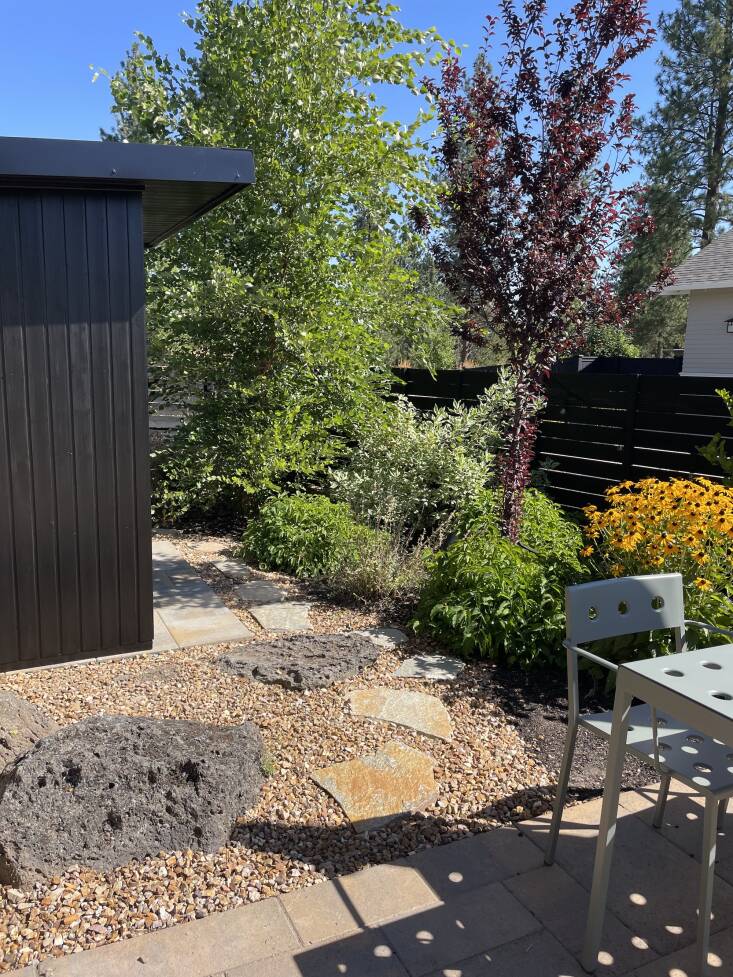
Garden Wisdom in design means creating layers of refuge. Tall sunflowers crown a bed of low-growing thyme, their heights guiding the gaze upward. A dry-stone wall becomes a perch for ladybugs. A shallow puddling dish with river stones quenched with rainwater invites bees. Group plants in bold, uninterrupted blocks of color—blues, purples, yellows—to let pollinators find their way. Incorporate “nectar corridors” by planning plant beds in flowing, organic shapes. Let vines weave up trellises, offering shade and secluded feeding spots. Creative gardeners might weave woven planters from bamboo or repurpose old watering cans as bee baths, their curved edges guiding tiny feet to water’s edge. Use warm, earthy tones in pots—ochre, terracotta, moss green—to blend with the landscape and host beneficial insects. Even small patios can host a single planter of lavender or a hanging basket of mint, offering sanctuary in unexpected corners.
Rituals
Garden Wisdom thrives in ritual. Begin each morning by walking your garden at dawn, noticing dew on stems and the first bees stirring. Carry a basket and prune gently, shaping plants to offer more blooms. In spring, scatter seeds like wishes into turned earth, whispering thanks to the soil. In summer, sit beneath your favorite pollinator-attracting tree, reading by the dappled light and sipping homemade elderflower lemonade. In autumn, gather fallen leaves and compost them in a spiral heap, burying a small clay jar containing seeds to sprout next year. Let rituals be acts of gratitude, not obligation. Blow dandelion seeds on the breeze and watch them swirl. This practice not only sows new life but deepens our bond with the fragile, persistent cycles that bind us.
Soil & Water Care
Soil is the canvas of Garden Wisdom. Pollinators begin their lives in the earth, so nurture it as you would a fragile bond. Avoid synthetic fertilizers, which acidify the soil and deter earthworms. Instead, use organic matter—chopped leaves, coffee grounds, crushed eggshells—to feed its life. Rainwater harvesting benefits both plants and pollinators: set up barrels to collect runoff, and use a diverter to keep organic debris out. Water deeply but infrequently, encouraging roots to grow deep and resilient. Mulch with straw or bark to suppress weeds without smothering soil life. If watering manually, do so in the early morning when humidity is high—this mimics morning dew and benefits night-active moths too.
Wildlife & Habitat
A garden is not a garden without shelter. Garden Wisdom teaches us that pollinators need more than nectar—they crave safety. Build bee hotels from untreated wood with hollow stems and drilled holes, placing them facing southeast to catch the morning sun. Leave a patch of bare ground or cloth dyed in soft brown tones to support ground-dwelling bees. Offer a shallow birdbath with a floating piece of cork or stone so bees can drink safely. Add decayed wood to create microhabitats for beetles and wasps. Even a rotting stump or a pile of logs becomes a realm of its own, sheltering beetles that pollinate night-blooming flowers. By layering these elements, your garden becomes a microcosm of wilderness.
Seasonal Projects
Seasonal Projects keep hands busy and hearts lighter. In early spring, plant a “bee rescue” bouquet in a pot: marigolds, lavender, and rosemary in a honeycomb-patterned garden bed. In summer, build a butterfly puddler by filling a shallow dish with damp sand and slices of rotten banana. In autumn, create a seed bomb scatterers kit using roller pens dipped in native grass seed and clay. In winter, craft a “bee-friendly craft” afternoon by rolls of beeswax soaked in lavender, hung outside to melt and scent the air. Each project ties us closer to the land’s rhythm, turning labor into legacy.
Indoor/Balcony Extensions
Even the smallest spaces can channel Garden Wisdom. Grow herbs in window boxes—sage, thyme, and oregano—to attract hoverflies. Hang baskets of ivy geraniums and sweet alyssum to feed bumblebees. Use terracotta pots filled with pollinator-friendly bulbs like crocus and iris. In tiny apartments, a shelf with flowering succulents (real or faux) can mimic a pollinator-friendly zone. Balconies become retreats for winged creatures in warm months; in cities, these efforts combat heat islands and fragmentation, stitching together green corridors across buildings.
Community & Sharing
Garden Wisdom thrives when shared. Host a “Pollinator Tea Party” featuring edible flowers like nasturtium and borage, served beneath a trellis. Organize a community seed swap, labeling each packet with its origin story and ideal pollinator match. Start a “Bee Hotel Build” event at a local park, teaching kids to drill bee tubes with gentle hands. Collaborate with schools to plant meadows in vacant lots, transforming barren spaces into scent-saturated havens. Collaborate online—share photos of blooms with hashtags like #PollinatorGardens and tag local nurseries in success stories. When communities unite under the canopy of shared purpose, the ripple of stewardship spreads farther than any fence.
Conclusion
Garden Wisdom is not a destination but a journey—a dance with soil, sun, and the unseen lives we steward. By growing homes for pollinators, we embody the ancient partnership between humans and nature, nurturing beauty and resilience in equal measure. Our gardens become love letters to the earth, inviting bees to buzz past our windows and butterflies to linger in morning dew. Let each garden decision reflect this wisdom: plant with intention, observe with wonder, and share the joy of a world where even our windowsills echo with the language of life. Let us tend these homes together, breath by breath, bloom by bloom.












Tiny tip – This is a small change with a big impact — thanks! Will try it.
Tiny tip: I adore the colors here; feels really cozy. Thanks for this!
Heads up: So helpful — thanks for pointing it out. So cozy.
This tip on “Eco-How-To Growing Homes for Pollinators” is so useful — thanks for sharing.
Also • lovely take on “Eco-How-To Growing Homes for Pollinators” — I’ll try that soon. Great share.
Also · Nice and clear — thanks for the step-by-step. Great share.
PS: Such a warm note about “Eco-How-To Growing Homes for Pollinators” — lovely. Thanks for this!
PS: Such a warm note about “Eco-How-To Growing Homes for Pollinators” — lovely. Thanks for this!
PS: Such a warm note about “Eco-How-To Growing Homes for Pollinators” — lovely. Thanks for this!
Small note: Loved this about “Eco-How-To Growing Homes for Pollinators” — such a nice idea. Great share.
Small note: I appreciate the point about “Eco-How-To Growing Homes for Pollinators” — very helpful. So cozy.