
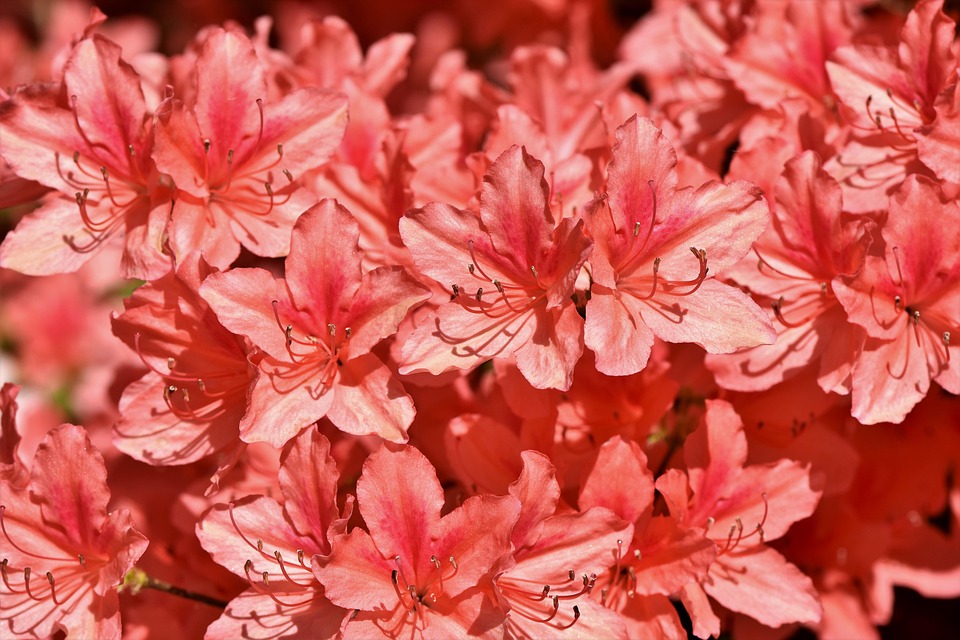
Cultivating wildflower meadows: a concise orientation before we get practical.
Cultivating wildflower meadows: Quick notes
In the gentle embrace of spring, where the Earth unfurls her verdant tapestry, lies the art of nurturing wildflower meadows—a practice woven deep into the fabric of Garden Wisdom. This Eco How-To: Cultivating Wildflower Meadows invites you to step into a world where the hum of pollinators harmonizes with the rustle of native grasses, and every seed sown is a whispered prayer to the cycles of renewal.
Introduction: The Whisper of Ancestral Seeds
Few acts of stewardship nourish the spirit quite like coaxing a wildflower meadow from barren soil. Here, intertwinement of ecology and emotion embodies the timeless practice of Garden Wisdom, where human hands become humble channels for the wild’s unyielding creativity. Unlike manicured lawns that demand relentless tending, a meadow flourishes with a light touch, offering endless lessons in resilience, harmony, and the quiet magic of natural rhythms.
A wildflower meadow is not merely a garden—it is a living archive of plant heritage, a sanctuary for pollinators, and a mirror reflecting the vitality of untamed landscapes. Its blooms sway in a language older than spoken words, reminding us that beauty often lies in surrender, not control. This guide walks you through cultivating a meadow that cradles both biodiversity and serenity, transforming your outdoor space into a haven of eco serenity.
Seasonal Context: Planting According to Nature’s Pulse
The Earth’s breath shifts through seasons, whispering when to begin this journey. Spring awakens dormant seeds, summer fuels their growth, and autumn’s chill teaches how to release. Starting a meadow aligns with these rhythms:
- Early Spring (March–April): Sow frost-tolerant seeds like California poppy or larkspur as the soil thaws. Their dark roots dig deep while morning dew acts as a nurturing caress.
- Summer: Focus on moisture-depth awareness. Established meadows may need no watering, but newly planted species could thirst for occasional hand watering.
- Late Summer–Fall: Collect seeds as milkweeds and black-eyed Susans sway. Store them in burlap sacks alongside fallen autumn leaves for winter sowing.
Each season teaches a layer of Garden Wisdom. Just as oak trees know how to hoard acorns for winter, you’ll learn to time your interventions.
Practical Steps: Honoring the Earth’s Blueprint
Creating a wildflower meadow is less about labor and more about partnership. Follow these steps to awaken the soil’s hidden potential:
1. Prepare the Blank Canvas
Strip grass or weeds without chemicals. Embrace organic methods like smothering with cardboard, or tilling sparingly to avoid disturbing fungi and critters. Eco-conscious gardeners avoid herbicides, knowing they poison both soil and skies.
2. Select Seeds Borne of Conservation
Choose native species adapted to your region. Check local botanical gardens for recommendations—perhaps milkweed, coneflower, or purple prairie clover. Mix in annuals like calendula for quick color.
3. Sow with Patience
Scatter seeds evenly, mimicking how breezes disperse them. Press gently with a rake to ensure contact—not too deep, not too shallow. Water sparingly at first, letting seedlings find their thirst in the soil’s embrace.
4. Nurture Through Growth
Trim once to half the height early in the season to encourage robust blooms. Avoid fertilizers; wildflowers thrive on lean soil.
Design Ideas: Weaving the Web of Life
Let Garden Wisdom inspire your layout. Instead of rigid borders, let plants bleed gently into the edges. Cluster color in patches—blues for serenity, yellows for sunlit joy—to guide pollinators like honeybees toward nectar-rich havens.
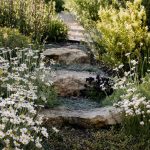
Pathways made of crushed gravel or native gravel inspire quiet footsteps. Consider benches where you sit amid the whispering blooms, hands pressing against the earth in gratitude. Wildlife-friendly design means leaving deadwood for insects and log piles for nests. Even small spaces thrive; plant in galvanized buckets or let ivy climb partitions to bring meadow essence indoors.
Rituals: Slowing Time Among the Blooms
Nurturing a meadow becomes a slow alchemy. Dedicate mornings to dawn watering, or host moonlit seed scattering. A summer ritual might be simply sitting with a notebook, sketching the dance of a bumblebee. Autumn calls for sharing seeds—craft a clay wind chime holding herbs like sage, gifted to a neighbor.
These rituals turn care into communion. A meadow is not just planted; it’s lived.
Soil & Water Care: The Alchemy of Richness and Restraint
Wildflowers demand fertile, well-drained soil but spurn excess fussing. Amend earth with compost before sowing—think of it as a “cheat meal” for hungry meadow grasses. Mulch paths with straw or gravel to deter weeds, allowing blooms to rule freely.
Water deeply but infrequently. Drought-tolerant varieties like black-eyed Susan or goldenrod teach us that endurance is its own reward. If rainfall falters, use a soaker hose, directing moisture to the roots, not the petals.
Wildlife & Habitat: Feeding Nature’s Crowd
Your meadow becomes a feast for the wild. Milkweed shelters monarch caterpillars, while coreopsis and verbena bloom for butterflies. Add a small water source—a terra cotta bowl left in the grass—for bees smitten with your fragrant offerings.
Avoid pesticides, and let snails and spiders become tiny garden guardians. Even a hanging insect hotel crafted from bamboo stalks can harbor beneficial wasps. Every creature here champions your success.
Seasonal Projects: Moving Through the Year’s Story
- Spring: Host a “seed swap” where neighbors exchange rare bloom varieties.
- Summer: Create a pollinator diary, tracking visits with sketches.
- Fall: Host a harvest festival, exchanging seeds over mugs of elderflower tea.
- Winter: Prune tall stalks to 8 inches to protect seeds from mice, dusting them with dried herbs before leaving them alone.
Each project intertwines Garden Wisdom with community joy, turning solitude into shared stewardship.
Indoor/Balcony Extensions: Mini Meadows in City Spaces
Even terracotta pots can whisper meadow scents. Plant strawflower in window boxes or tuck sedum in hanging baskets. A “meadow mix” pot—combining black-eyed Susan, yarrow, and baby’s breath—brings sunshine indoors. For frost-prone areas, pot milkweed or coneflower and bring them inside during winter.
These small acts of eco serenity connect you to larger habitats, reminding that “meadow” is an attitude, not an acreage.
Community & Sharing: A Shared Language of Green
Share seeds of sage or calendula. Host “weed-free” workshops, teaching neighbors to smile at knotweed as it fills its role. A meadow thrives when others feel its pull—a shared Garden Wisdom that binds hearts to the land.
Conclusion: A Tapestry of Blooming Intentions
Cultivating wildflower meadows is a pilgrimage—a daily return to the body’s green heartbeat. Here, every bloom is a stanza in nature’s song, and every hand turned in the soil becomes a verse. As frost retreats and petals peek, remember: Garden Wisdom asks nothing but presence, offering back a landscape woven with threads of peace, resilience, and the unhurried grace of a wild soul.
Explore seasonal inspiration in wildflower vibrant.
Cultivating wildflower meadows comes up here to connect ideas for clarity.









Also: Neat idea — simple and effective.
Tiny tip – Nice reminder — I’ll keep that in mind. Thanks for this!
Tiny tip – Nice reminder — I’ll keep that in mind. Thanks for this!
Heads up · Loved this about “Eco How-To: Cultivating Wildflower Meado” — such a nice idea. Thanks for this!