Final mowing tips — a short introduction to this piece.
Final mowing tips: Quick Notes
Lawns enter dormancy at different times across the country. Not only is the weather different, but the grass species are, too. Different grasses grow under various temperatures according to whether they prefer warm or cool weather.
You’ll likely have warm-season grasses if you live in a southern state with warm weather. Northern states are more likely to have cool-season types, while the states in between host a range of the two.
No matter where you live, it’s a good idea to care for the lawn in November to ensure it survives the oncoming winter.
Microclover and Fescue Mix
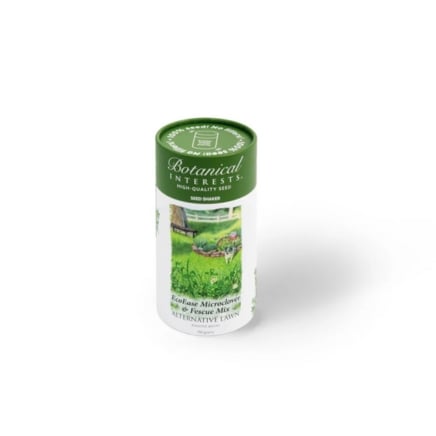
EcoEase Microclover and Fescue Mix Seed Shaker
White Clover
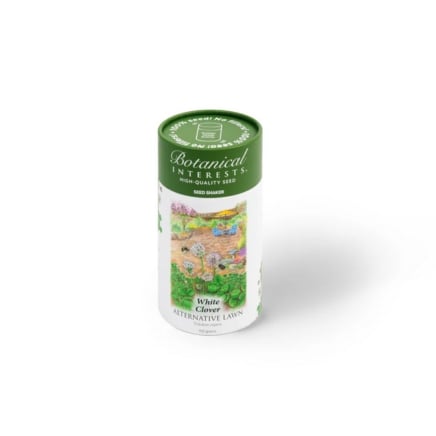
White Clover Alternative Lawn Seed Shaker
Flowering Mix
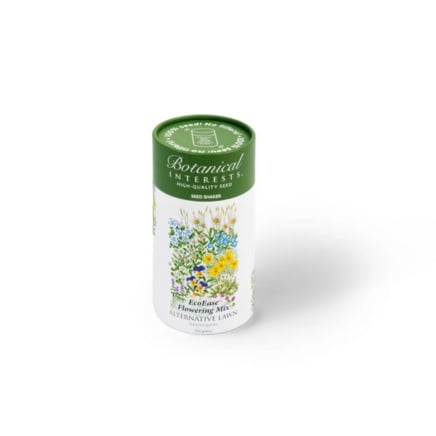
EcoEase Flowering Mix Alternative Lawn Seed Shaker
When to Do the Final Mow
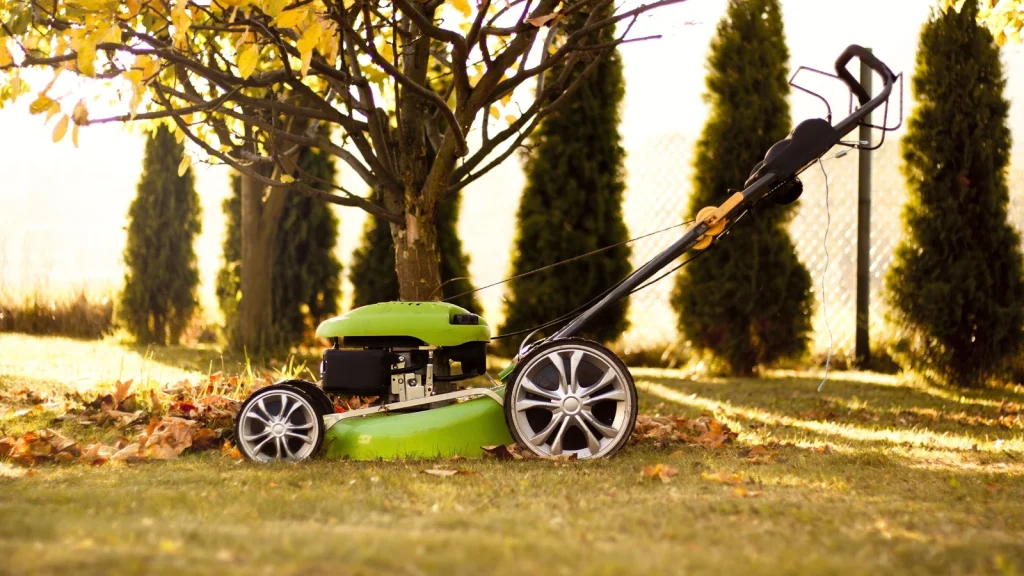
When to do the final mowing varies by region. November is an ideal month for most gardens, as both cool and warm-season species enter dormancy when temperatures drop below freezing. Mow your grass before a freeze arrives to avoid frost damage this season.
Cool-Season Grasses
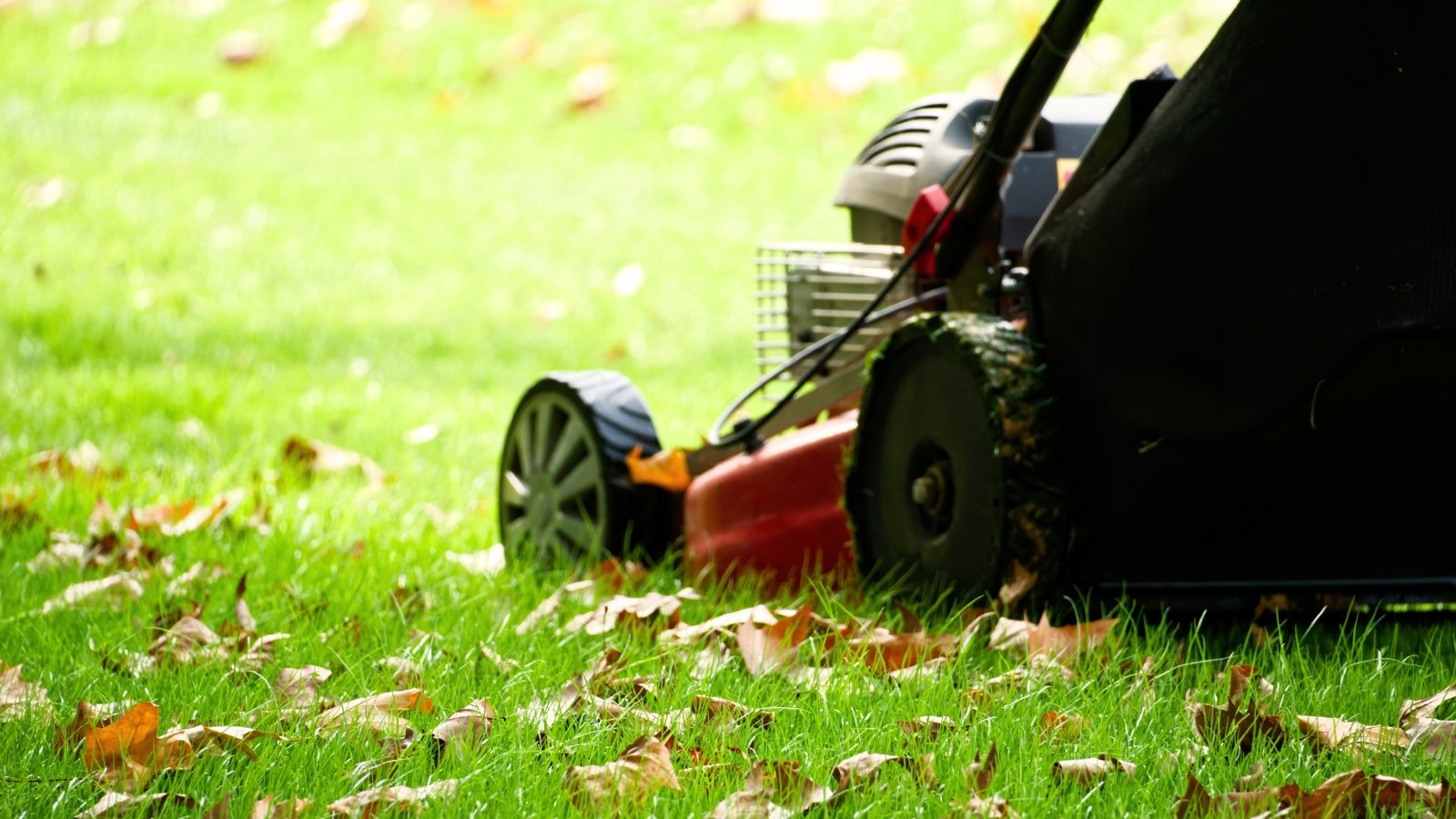
Cool-season grasses create a green lawn from fall through spring. They enter dormancy in the summer when temperatures rise and light levels increase. They’ll put out a spurt of new growth in autumn through November, and they’ll stop growing if the ground freezes.
As part of your November lawn care, mow a cool-season lawn early in the month if your first average frost date occurs in early December or late November. You want to mow the lawn a week or two before the first frost arrives to ensure the crowns have time to heal after the mowing.
Set your mower blade higher than normal to give the lawn extra protection. A higher height will give the grass crowns insulation from cold weather. Modify the height to two or three inches or higher for best results.
Warm-Season Grasses

Warm-season grasses grow during the year’s hottest months, from spring through the fall. They are often drought-tolerant and love full sun. These species will enter winter dormancy earlier than cool-season grasses.
Mow warm-season grasses before they enter dormancy, beginning in the fall. Cut them back to two inches or higher for cold protection, and avoid walking on the area after the grasses die back.
If you live in the in-between states where both cool and warm-loving lawns exist, use your best judgment to determine when to mow. November is often ideal, as both types of lawns are preparing for the cool months to come. Mow after vigorous fall growth occurs but before the first frost date arrives.
Winterize the Lawn
Winterization is a fancy term for modifying a thing to endure the winter. For November lawn care, winterization refers to mowing, weeding, and mulching methods that help grasses survive the cold months. Give the lawn what it needs, and it’ll reward you with lush growth when the weather warms in spring.
Pull Weeds

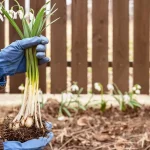
Moist soil and cool weather create the ideal conditions for weeding. Young weeds pull right out of the ground, and perennial weeds will lift easily without resistance. Use your hands to pull them, or try using a tool to make it easier.
The CobraHead weeder is a multipurpose tool that’s perfect for both weeding and planting seeds. A garden hoe also works well, and you can use it without having to bend down to the ground. It’ll save your back from stress!
Some lawn weeds aren’t all that bad. Leave dandelions, clovers, and other perennial plants for a drought-resilient lawn. The more diversity the lawn has, the more resistant it’ll be to stressors. Never leave invasive plants, though, as they’ll quickly spread out of control.
Fertilize

After mowing during November lawn care, give it a regular helping of fertilizer to ensure it greens up properly next year. Use a well-balanced organic type with equal or nearly equal amounts of nitrogen, phosphorus, and potassium. Water it in well, and keep the site moist while it seeps in.
The grasses use the nutrients to grow strong roots and frost-resistant crowns. They’ll put nitrogen to use in late winter and early spring when they begin growing leaves again.
Add Mulch
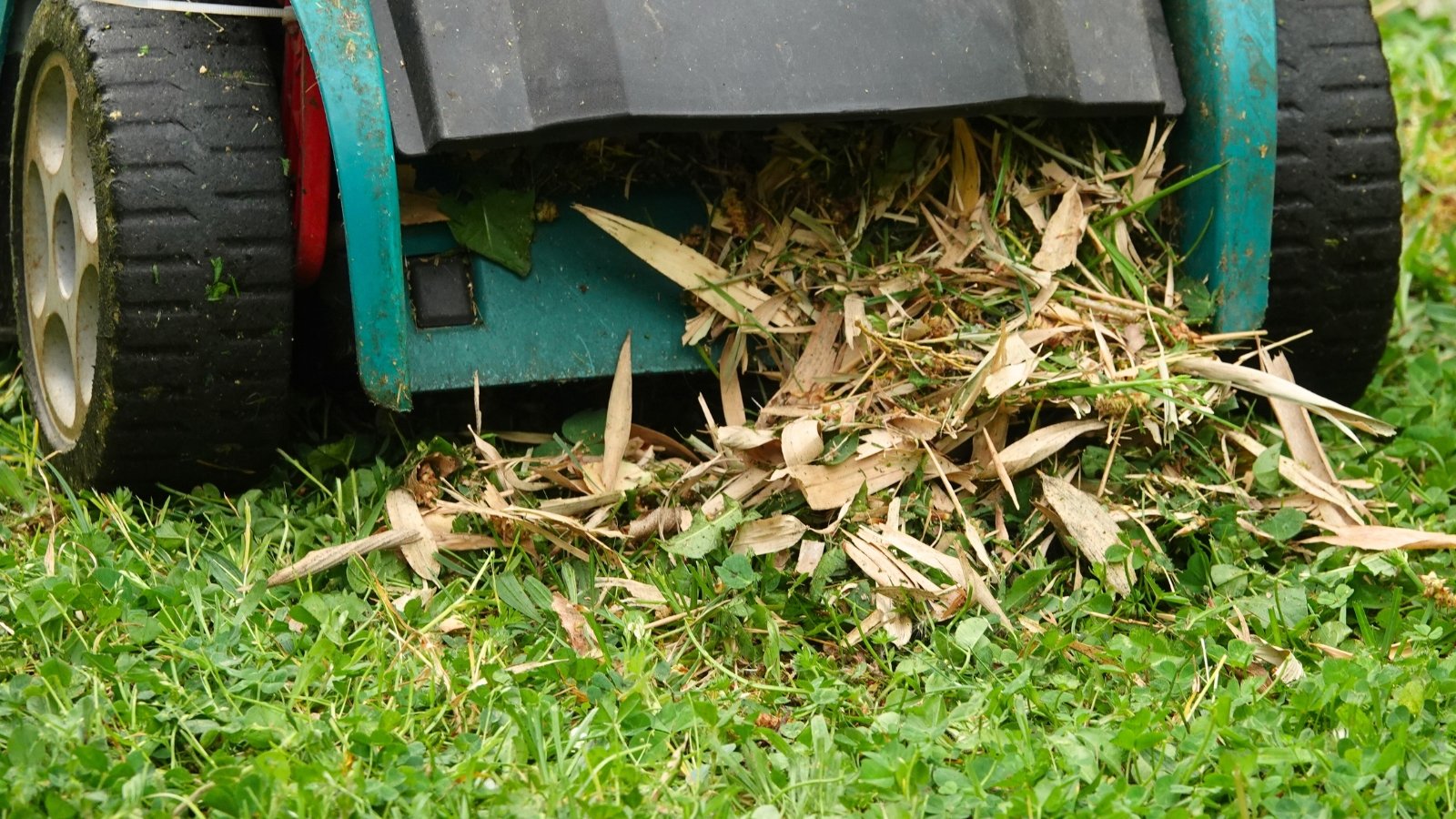
Mulching lawns is a great way to care for lawns in November! Mulch insulates, feeds, and protects the soil. A healthy soil is a major building block in creating a vigorous green lawn. The mulch breaks down into nutrients, and it warms the soil on cold nights.
Lay down mulch using a spreader. A lawn mulch spreader consists of a mesh barrel connected to rollers and a handle. The mulch falls between the mesh as you walk with the tool, creating an even layer of mulch that doesn’t smother the lawn.
Use compost or leaf mold, or a mix of manure and compost. If any piles or rivets form, use a fine-toothed rake to evenly distribute the mulch. Press gently to avoid pulling on the cut grass.
Water, If Necessary

Watering the lawn may be necessary in dry regions. If your November lacks natural rainfall, you’ll want to continue irrigating the area until the ground freezes. Cold won’t kill the grass, but dry and cold conditions will!
Consistent irrigation is important for new lawns, whether they’re seeded or sodded. Water regularly when the weather is dry to make the site moist, but not soggy. If you’re unsure, stick your finger in the ground to test the moisture levels.
Close your irrigation system before the first frost arrives. Flush out the water inside the pipes, and put insulating covers over your hose spigots. In frost-free mild climates, you don’t need to winterize your irrigation system.
Final mowing tips appears here to highlight key ideas for readers.
Key Takeaways
- November lawn care isn’t difficult! All it takes is a little care and maintenance.
- Weed weeds, mow the area, and give nutrient-depleted soils a dose of fertilizer.
- To both protect and feed the site, use compost as mulch on the soil. Leaf mold works well, too.
- Don’t forget to water! Dry, winter weather can permanently damage existing and new lawns. Then, close the pipes before the first frost arrives.