
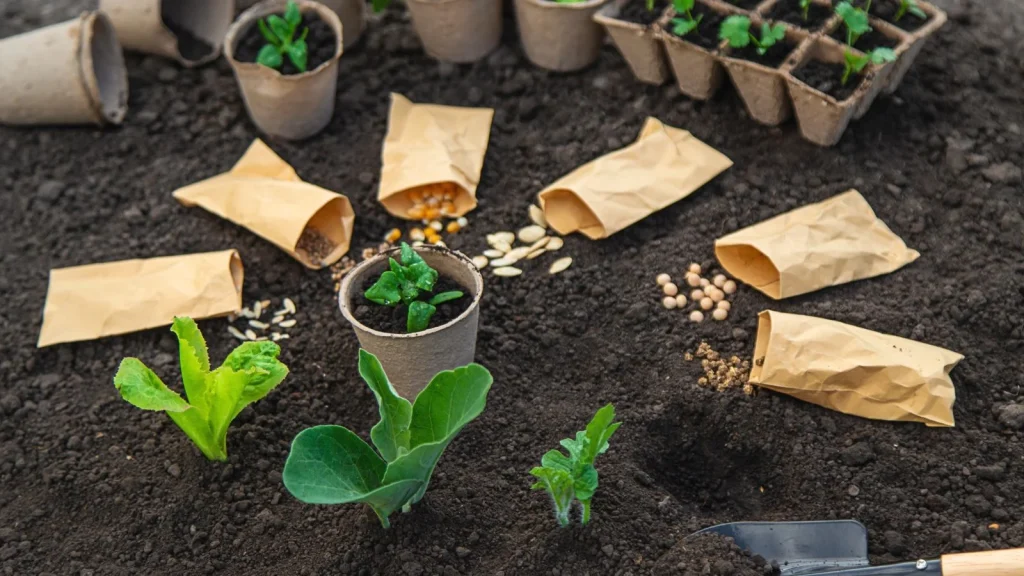
Seeds don germinate: a concise orientation before we get practical.
Seeds don germinate: Quick notes
Winter sowing sounds almost too good to be true. After you sow seeds in containers in winter, just set them outside, and let nature handle the stratification and germination while you stay warm indoors? And the seedlings simply emerge when conditions are right.
Except sometimes they don’t emerge at all. You might check your containers week after week through late winter and early spring, watching for those first green shoots, but the soil stays stubbornly empty.
Winter sowing does work reliably, but seeds still need proper conditions to germinate, and the closed environment of a winter-sowing container (like a milk jug) can create problems as easily as it solves them. To avoid winter sowing failures, troubleshoot your poor germination and adjust your technique for the batches you’ll start next season.
Overwatering
Soggy conditions quickly kill early seedlings.
Winter sowing containers are usually sealed quite tightly. Moisture can’t escape except through ventilation holes, which means any water you add stays in the system much longer than it would in open containers or outdoor beds.
Too much water at the start creates persistently soggy conditions that rot seeds before they germinate. Seeds need moisture to trigger germination, but they also need oxygen, and waterlogged soil provides neither adequate oxygen nor the conditions that many seeds require. The seeds essentially drown before they have a chance to sprout.
The condensation you see on the inside of milk jugs indicates moisture is cycling through the system. This is good and normal. But if containers are dripping wet constantly with water pooling on the soil surface, you’ve added too much moisture initially, or your drainage isn’t adequate.
If you suspect overwatering is the cause of your winter sowing failures, you can add additional drainage holes in the bottom or add more ventilation holes in the top to encourage faster moisture cycling. Just don’t go overboard and create so much ventilation that you lose the moisture-trapping effect entirely.
Lack of Drainage
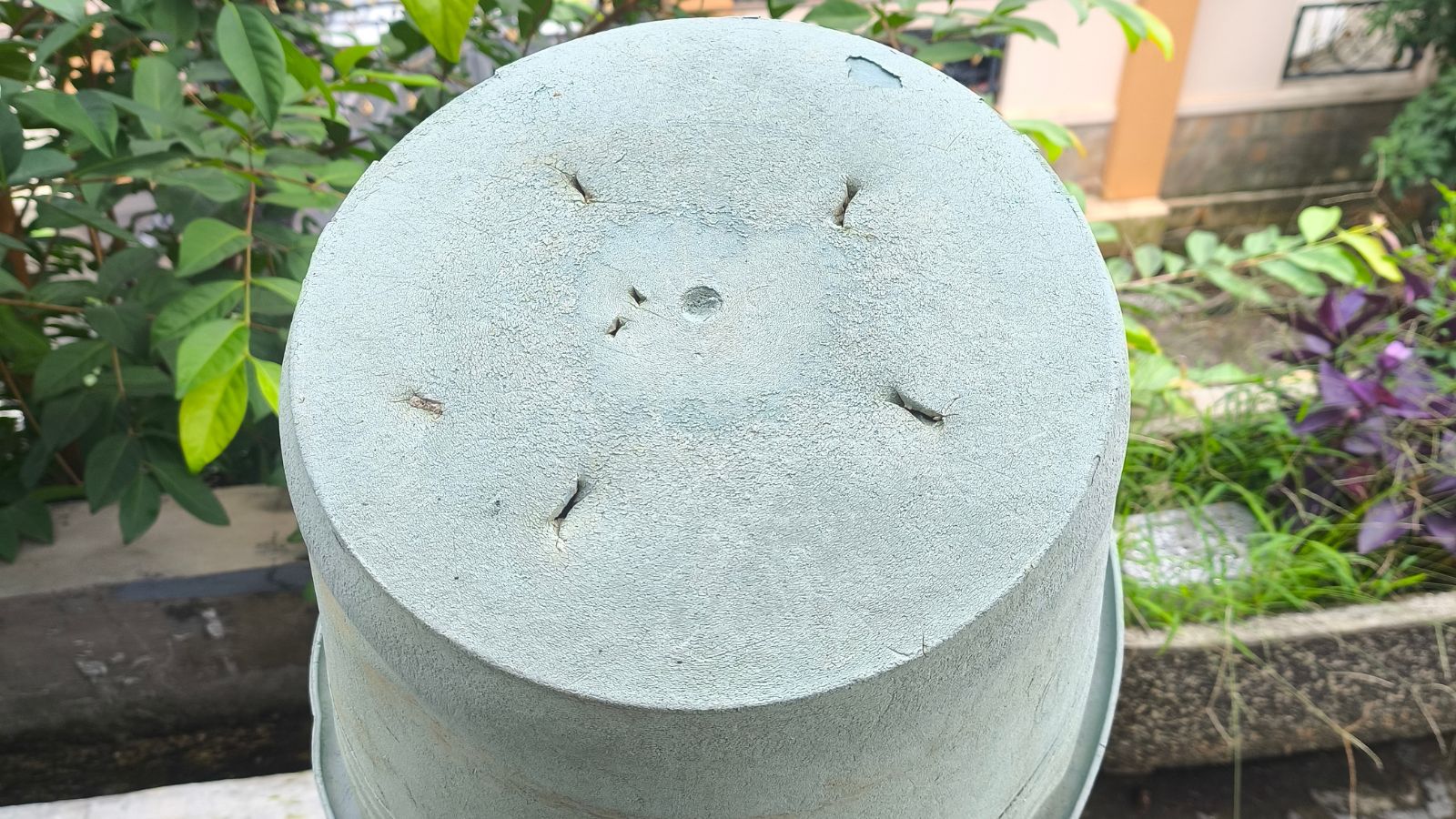 Excess water encourages fungal growth.
Without adequate drainage, water has nowhere to go, even if you didn’t overwater initially. Rain and snow accumulate, creating the soggy conditions that prevent germination and lead to winter sowing failures.
Milk jugs and similar winter-sowing containers need multiple drainage holes in the bottom. Use a knife or drill to create several holes, making them at least a quarter inch in diameter. Smaller holes clog easily with soil particles, while fewer holes can’t move water out fast enough during heavy rain or snow.
The holes need to be truly open, not just scoring the plastic. Test your drainage before adding soil by filling the container with water and watching how quickly it empties. Water should flow out steadily through the holes. If it’s trickling slowly or pooling instead of draining, you need more or larger holes.
Position containers outside on surfaces that allow water to drain away rather than sitting in puddles. Setting jugs directly on flat concrete or in areas where water pools means the drainage holes sit underwater, which defeats their purpose. Milk crates are a great option and make all your containers easier to move as needed.
Misunderstanding Seed Packet Instructions
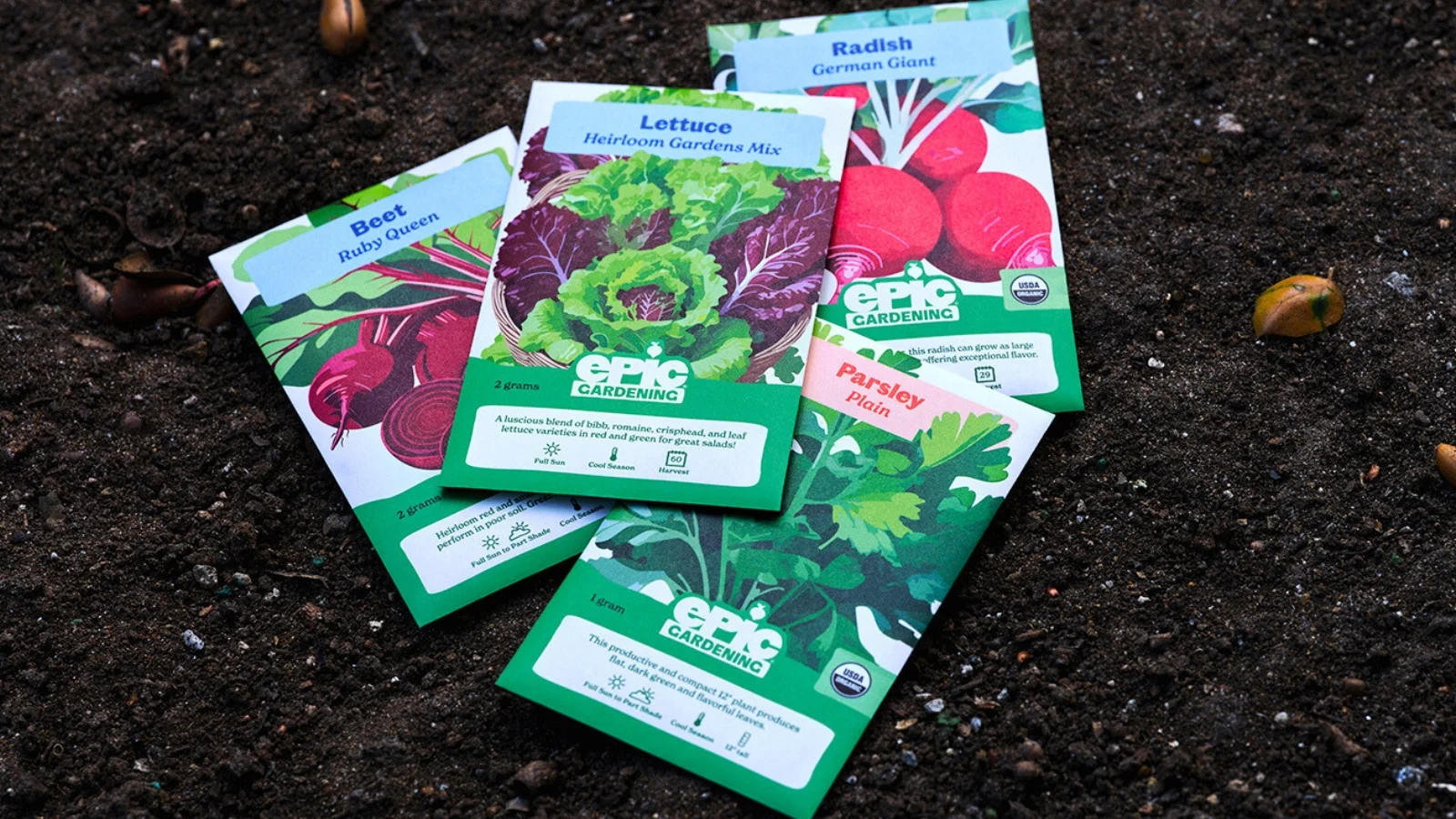 Incorrect sowing can lead to a range of issues.
This one isn’t exclusive to winter sowing, but rather applies to all seed sowing.
Seed packet instructions specify planting depth for good reason. If you plant too deeply, seeds exhaust their energy reserves trying to reach the surface, while seeds left too shallow might not have adequate moisture contact or soil coverage to germinate properly.
Some seeds need light to germinate and should be left on the soil surface entirely, just pressed in for contact. Others need full coverage to germinate properly. Check your seed packets or research specific varieties to understand their germination requirements before planting.
Mark your containers with variety names and planting dates so you know what to expect and when. Different species germinate at different rates, and you don’t want to make adjustments for assumed winter sowing failures too early when your seeds just need a little more time.
Using the Wrong Soil
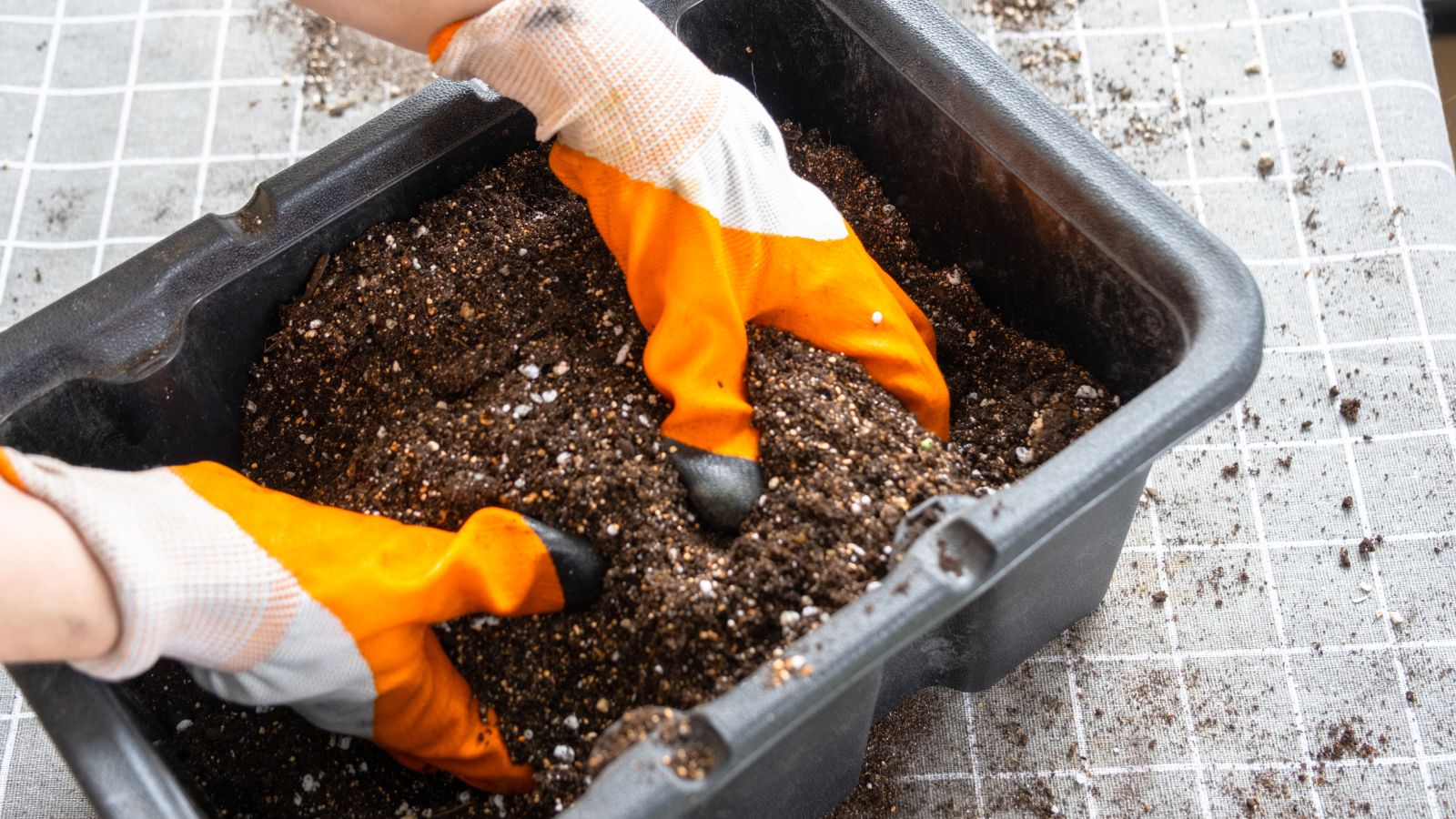 Although less damaging, the wrong soil gives seeds a bad start.
Winter sowing requires different soil than established plants need. Garden soil or dense potting mix is often too heavy for seed germination, staying wet too long and compacting in ways that prevent tiny seedlings from pushing through to the surface.
Seed starting mix or a high-quality potting mix is specifically formulated to be light and fine-textured. It holds moisture without becoming waterlogged and allows delicate seedlings to emerge easily. Using this instead of regular soil improves germination rates in winter sowing containers.
If you’re mixing your own medium, aim for a blend that’s primarily peat moss or coir with perlite for drainage. The texture should be fine and fluffy. Quality seed starting mix balanced for drainage and retention solves many issues that cause winter sowing failures.
Incorrect Temperatures
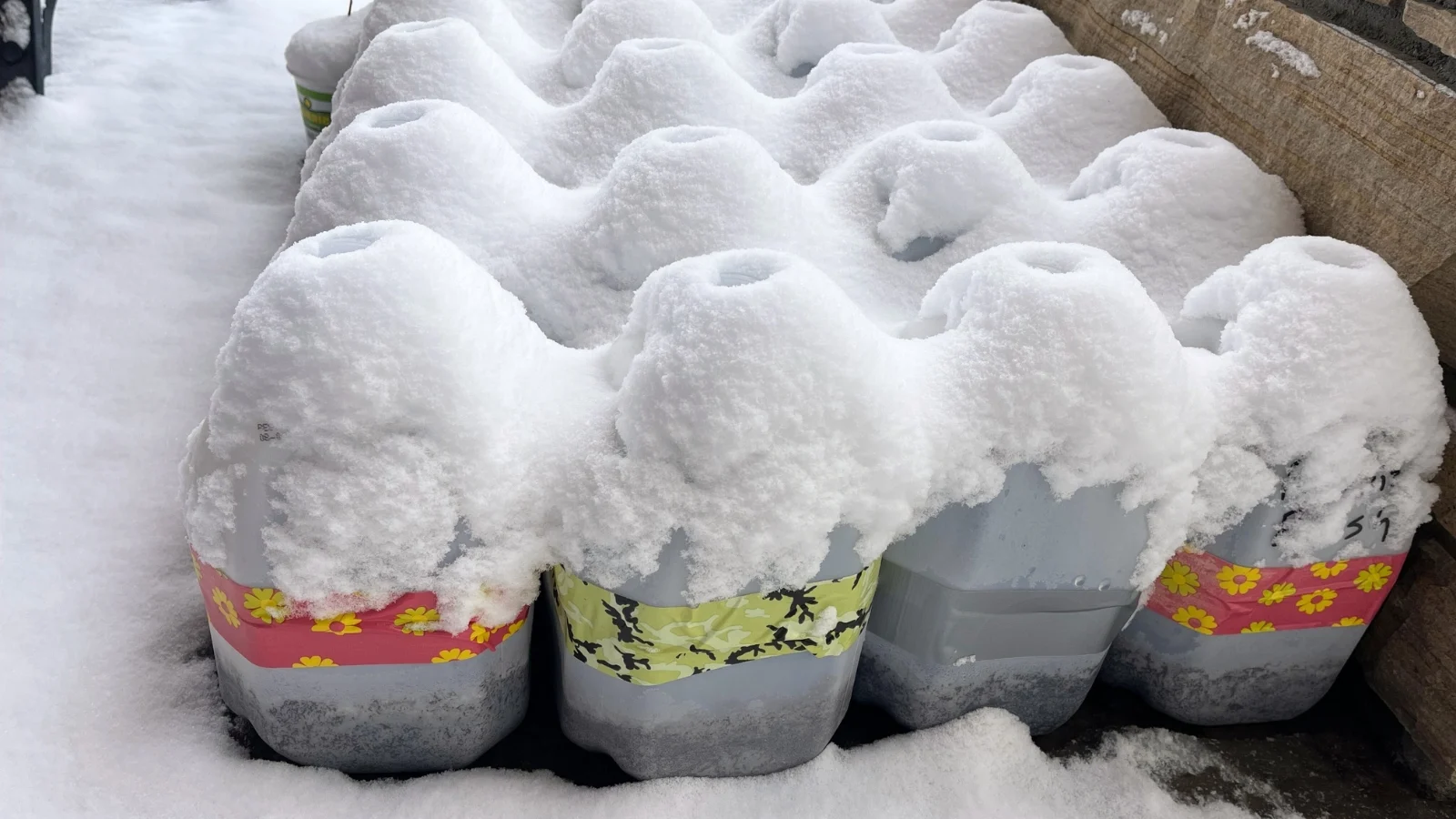 Some climates are too warm for winter sowing, which uses cold to trigger germination.
Winter sowing works because outdoor temperature fluctuations provide the cold stratification many seeds need while eventually warming enough to trigger germination.
Containers sitting in full sun on south-facing surfaces can overheat dramatically even on cold days. The interior temperatures of winter sowing containers soar when the sun hits the plastic, potentially killing seedlings or preventing germination by creating conditions that are too warm. This is particularly problematic in late winter and early spring when outside temperatures are still cool, but sun intensity increases.
Monitor container temperatures on sunny days once spring approaches. Increase ventilation as needed, move containers to locations with afternoon shade, or remove tops entirely once consistent germination begins and overnight freezing is unlikely.
Some seeds need specific temperature ranges to germinate and won’t sprout outside those ranges, no matter how long you wait. Cool-season crops like lettuce germinate poorly when soil temperatures exceed 70 to 75°F (21-24°C), which can happen inside sealed containers on warm late-winter days. Warm-season crops won’t germinate at all if the soil stays too cold for too long.
Research the specific germination temperature requirements for what you’re sowing. Winter sowing works brilliantly for plants that want cool conditions and cold stratification, but it’s not appropriate for everything. Tomatoes, peppers, and other heat-loving plants do better with indoor starting where you control temperatures precisely.
Using Old Seeds
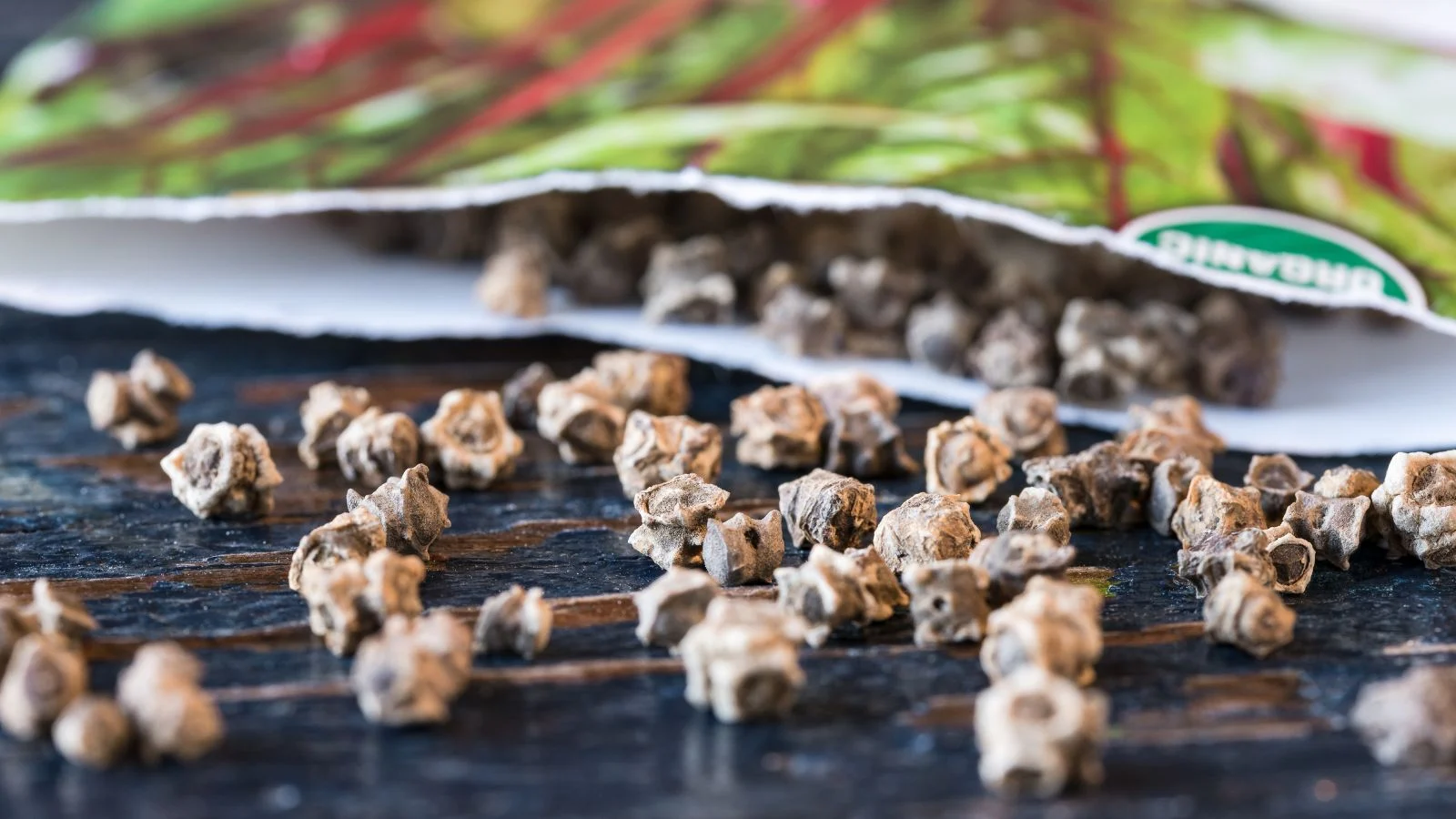 Age reduces the viability of some seeds.
Seed viability decreases with age, and old seeds simply won’t germinate as reliably as fresh ones, regardless of your technique. Winter sowing failures might just be old seeds finally reaching the end of their viable life.
Most seeds remain viable for several years when stored properly, but germination rates drop over time. Fresh seeds might have 95% germination while three-year-old seeds of the same variety might only achieve 50%.
Storage conditions affect seed longevity dramatically. Seeds kept cool, dry, and dark maintain viability much longer than those stored in warm, humid, or light-exposed conditions. If your seeds have been sitting in an area where temperatures fluctuate wildly, they might be essentially dead even if they’re technically only a year or two old.
Date your seed packets when you purchase them so you know exactly how old they are. It’s easy to lose track when you have partially used packets from multiple seasons all mixed together. A simple date on the packet or envelope removes guesswork and helps you prioritize using older seeds first.
When germination does fail with old seeds, it’s not necessarily your technique. Even a perfect winter sowing setup can’t make unviable seeds sprout. Starting fresh with new seeds often solves mysterious germination failures that no amount of technique adjustment would fix.
We reference Seeds don germinate briefly to keep the thread coherent.
Seeds don germinate comes up here to connect ideas for clarity.








On a similar note – This is a keeper — saving for later. So cozy.
Small note • I appreciate the detail — very handy indeed.
Heads up — Loved this about “Why Seeds Don’t Germinate and How to Fix” — such a nice idea. Great share.
PS • Lovely idea; I might try this in my garden 🌿. Thanks for this!
Quick thought — This brightened my day — thank you for sharing. So cozy 🌿
Tiny tip: Nice take on “Why Seeds Don’t Germinate and How to Fix” — I’ll try that soon. So cozy.
Tiny tip: Loved this about “Why Seeds Don’t Germinate and How to Fix” — such a nice idea. Will try it.
Also: I appreciate the point about “Why Seeds Don’t Germinate and How to Fix” — very helpful. Will try it.
Also: I appreciate the point about “Why Seeds Don’t Germinate and How to Fix” — very helpful. Will try it.
Also: I appreciate the point about “Why Seeds Don’t Germinate and How to Fix” — very helpful. Will try it.
Also: I appreciate the point about “Why Seeds Don’t Germinate and How to Fix” — very helpful. Will try it.
On a similar note · This is a keeper — saving for later. Thanks for this!