

Garden diagnose soil: a concise orientation before we get practical.
Garden diagnose soil: Quick notes
After publishing our recent article on what weeds reveal about your garden soil, we decided to put our research to the test in the field. We collected images of various weeds growing around the garden and ran them through Garden AI, which quickly identified each plant. With accurate identification in hand, we could determine the specific soil conditions that allowed each weed to thrive. Understanding these conditions is essential for correcting soil imbalances that encourage weed growth and hinder healthy crop production. Here are our findings.
Lapsana communis/ Nipplewort
Moist, fertile, and shaded soils — often rich in nitrogen.
Loamy or silty soils with good organic matter.
Low soil disturbance areas (like under shrubs, near fences, or shaded beds).
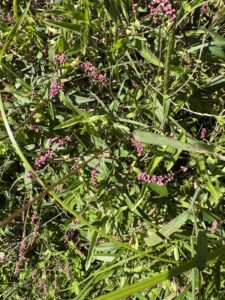
Lady’s Thumb / Smartweed / Redshank
Moist, compact soil.
However, this plant can grow just about anywhere.
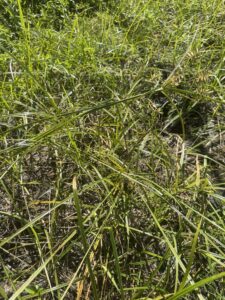
Yellow Nutsedge / Nutgrass
Poor drainage or wet soil.
compact.
high fertility.
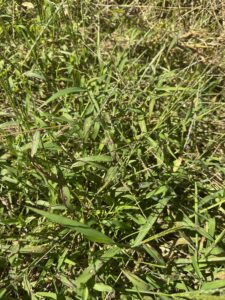
Crab grass
Compact soil / low fertility.
Bare or thin turf.
dry and hot areas.
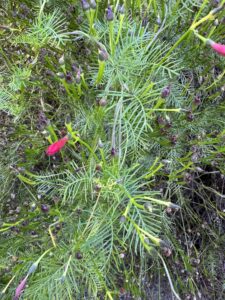
Cypress Vine / Cardinal Climber
Although it’s not technically a weed (it’s often grown intentionally for its attractive red trumpet-shaped flowers and fernlike foliage), it can behave like one if it self-seeds and spreads aggressively.
This vine suggests healthy, moderately fertile soil.
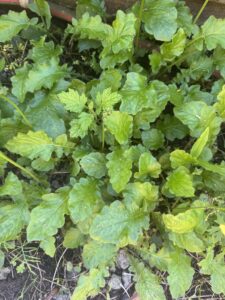
Wild arugula / Wall rocket
Fertile and nutrient-rich, moist soil.
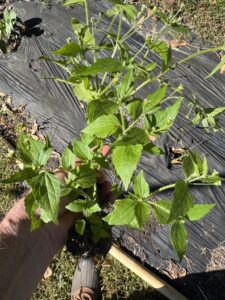
Hairy Galinsoga
You may be over-feeding with nitrogen-rich amendments (compost or manure).
Cut back slightly next season and focus on balanced fertility.
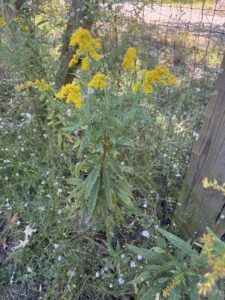
Golden Rod
This is a native perennial wildflower in the Aster family (Asteraceae), often mislabeled as a “weed” because it spreads aggressively in gardens, fields, and edges.
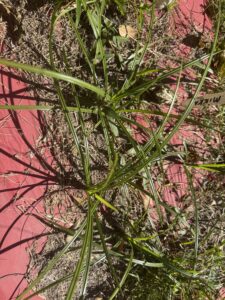
Yellow Nutsedge
It’s a perennial grass-like weed in the Cyperaceae family, one of the toughest garden weeds due to underground tubers.
This spot is too wet, possibly compacted, and warm—ideal for tomatoes or peppers, but a nutsedge factory if drainage isn’t improved.
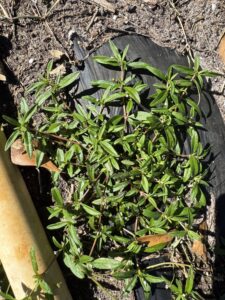
Common Chickweed
This spot is cool, moist, nitrogen-rich, and partially shaded — perfect for lettuce, spinach, or brassicas, but also a chickweed nursery.
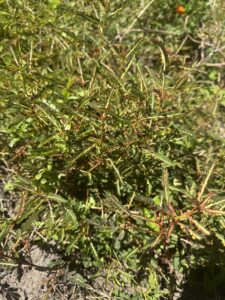
Spurge
Hot, dry, compacted, and low fertility soil.
Most likely found in a path, row edge, or stressed area.
Garden diagnose soil comes up here to connect ideas for clarity.
We reference Garden diagnose soil briefly to keep the thread coherent.















Quick thought: Such a gentle approach — I really like it. Will try it.
FYI — This tip on “What Weeds Reveal: Using Garden AI to Di” is so useful — thanks for sharing. Thanks for this!