
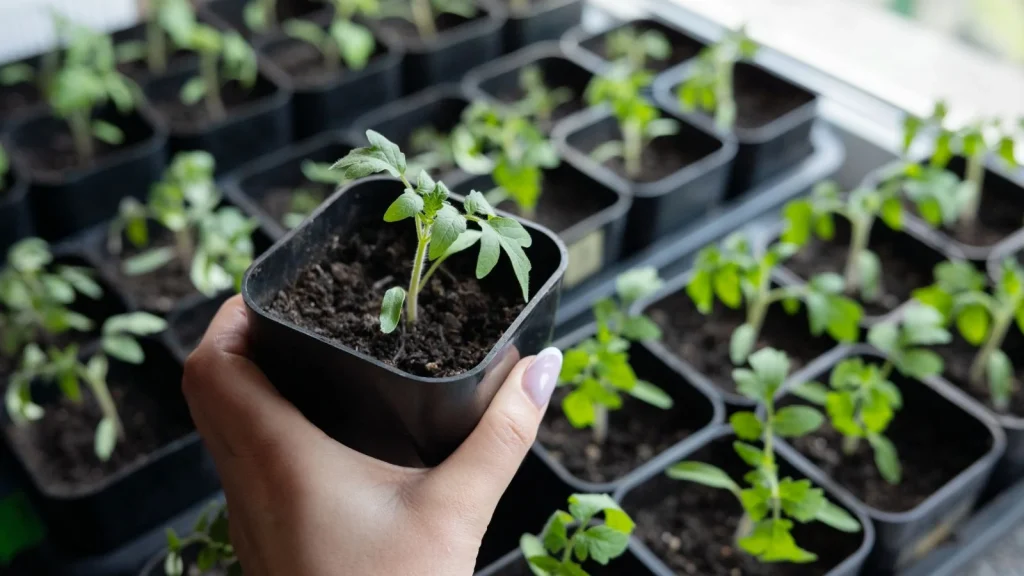
Failed germination happens to everyone eventually, including experienced gardeners. It’s one of those things you just can’t always avoid. Sometimes it’s user error, sometimes it’s the seeds themselves, or maybe environmental conditions that weren’t quite right.
Luckily, if your seeds don’t sprout, most germination problems fall into a handful of categories with predictable solutions.
Most of these can’t be resolved with the seeds that have already failed, so you’ll have to sow another round to resolve the problem. You can try a few quick fixes, but it’s generally best to try again.
Epic 6-Cell Seed Starting Trays
Epic 6-Cell Seed Starting Trays
Epic Grow Light with Tray
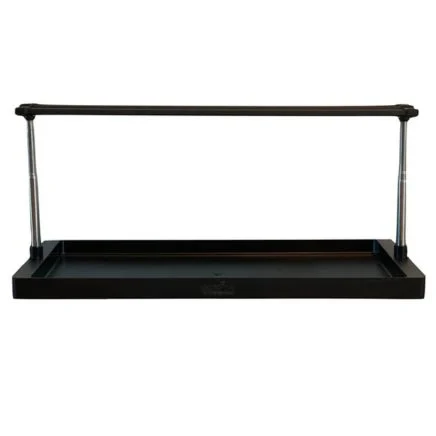
Epic Grow Light with Tray
Epic Seed Starting Heat Mat
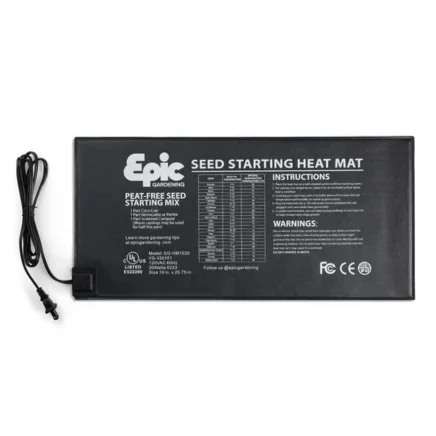
Epic Seed Starting Heat Mat
Incorrect Moisture Levels
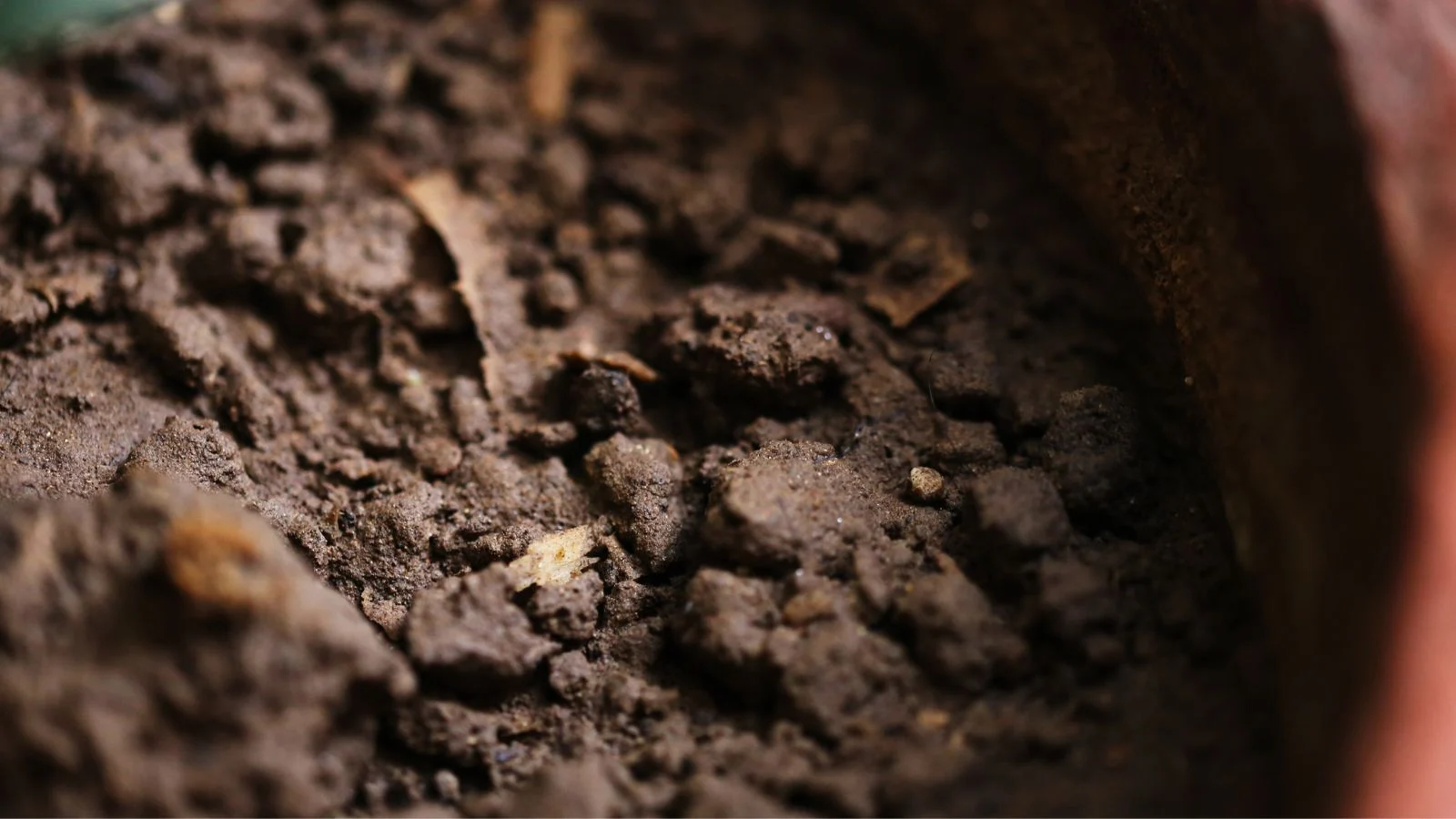 Underwatering is a common concern.
Seeds need consistent moisture to germinate, but determining what that actually means is a little tricky. Soil that dries out completely will mean your seeds don’t sprout. On the other hand, waterlogged soil drowns them and stops any new growth in its tracks.
Using visual cues only can quickly lead to moisture issues, and by extension, seeds not sprouting. The soil surface might look dry while staying wet underneath, or vice versa, depending on your watering methods. Seeds sitting in the top layer dry out faster than those planted deeper, and different seed-starting mixes hold water differently, adding to the complexity.
Most germination failures from moisture issues come from soil drying out. You water thoroughly at planting, then forget to check back for a few days, and by the time you remember, the top inch has dried completely. The seeds start the germination process when conditions are moist, then stop when moisture disappears.
Overwatering kills seeds too, though it’s typically less common than underwatering in seed-starting situations. Soil that stays soggy encourages fungal growth and prevents oxygen from reaching seeds. Seeds that have been waterlogged often turn mushy or develop visible mold.
The Fix
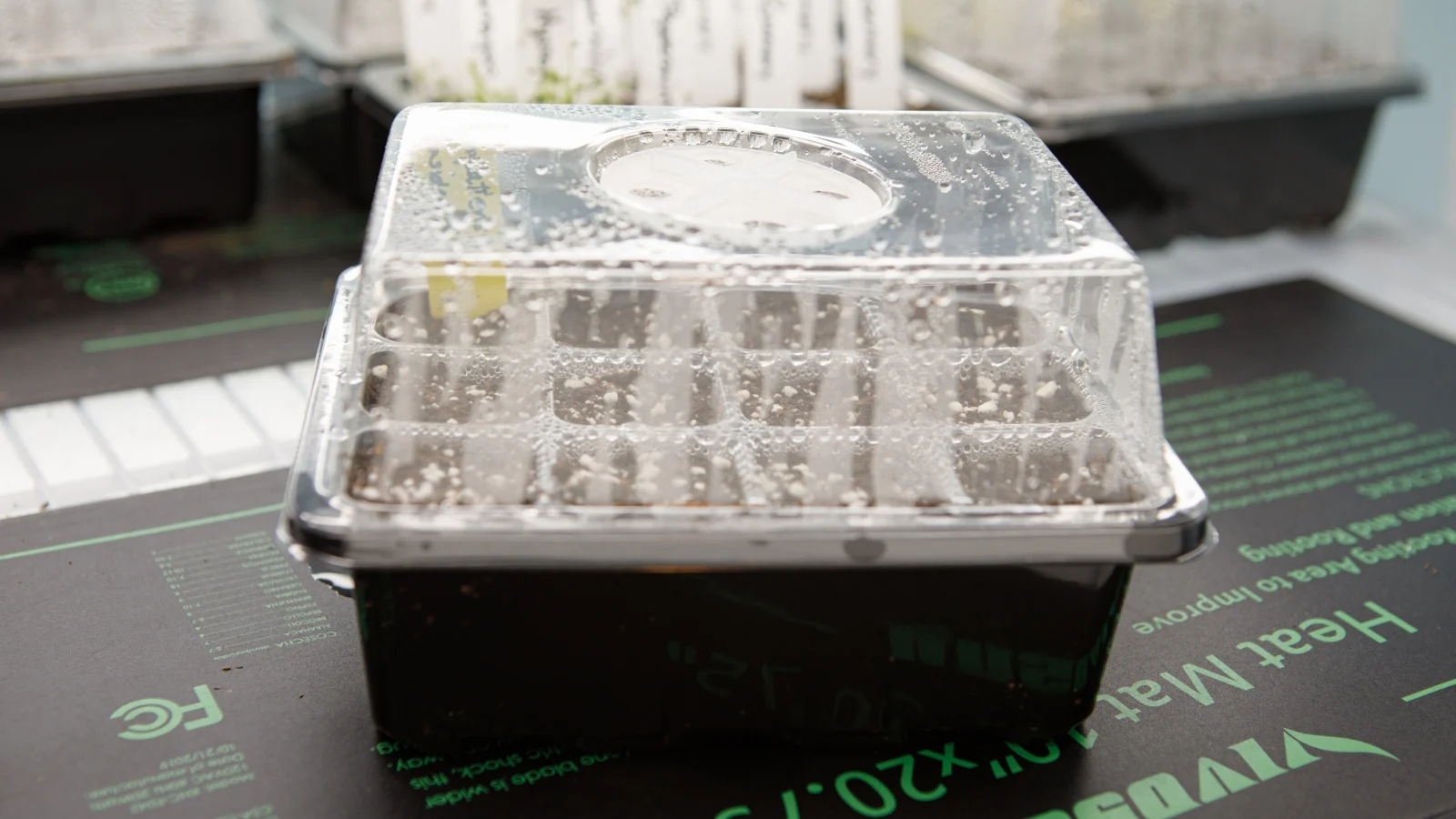 Check drainage and water regularly.
Check soil moisture daily by sticking your finger into the surface. It should be moist, but not wet. If the top feels dry, water gently with a spray bottle or from underneath so moisture appears at the surface but doesn’t pool.
Bottom watering works well for maintaining consistent moisture without disturbing seeds. Set trays in a shallow bottom tray and let the soil wick up moisture from below. Just don’t leave them sitting in there for too long, or you’ll have overwatering issues to deal with.
Covering seed trays with plastic domes or plastic wrap helps retain moisture during germination. Just make sure to remove the covering as soon as seedlings emerge so they don’t get too humid and develop damping off.
Incorrect Temperatures
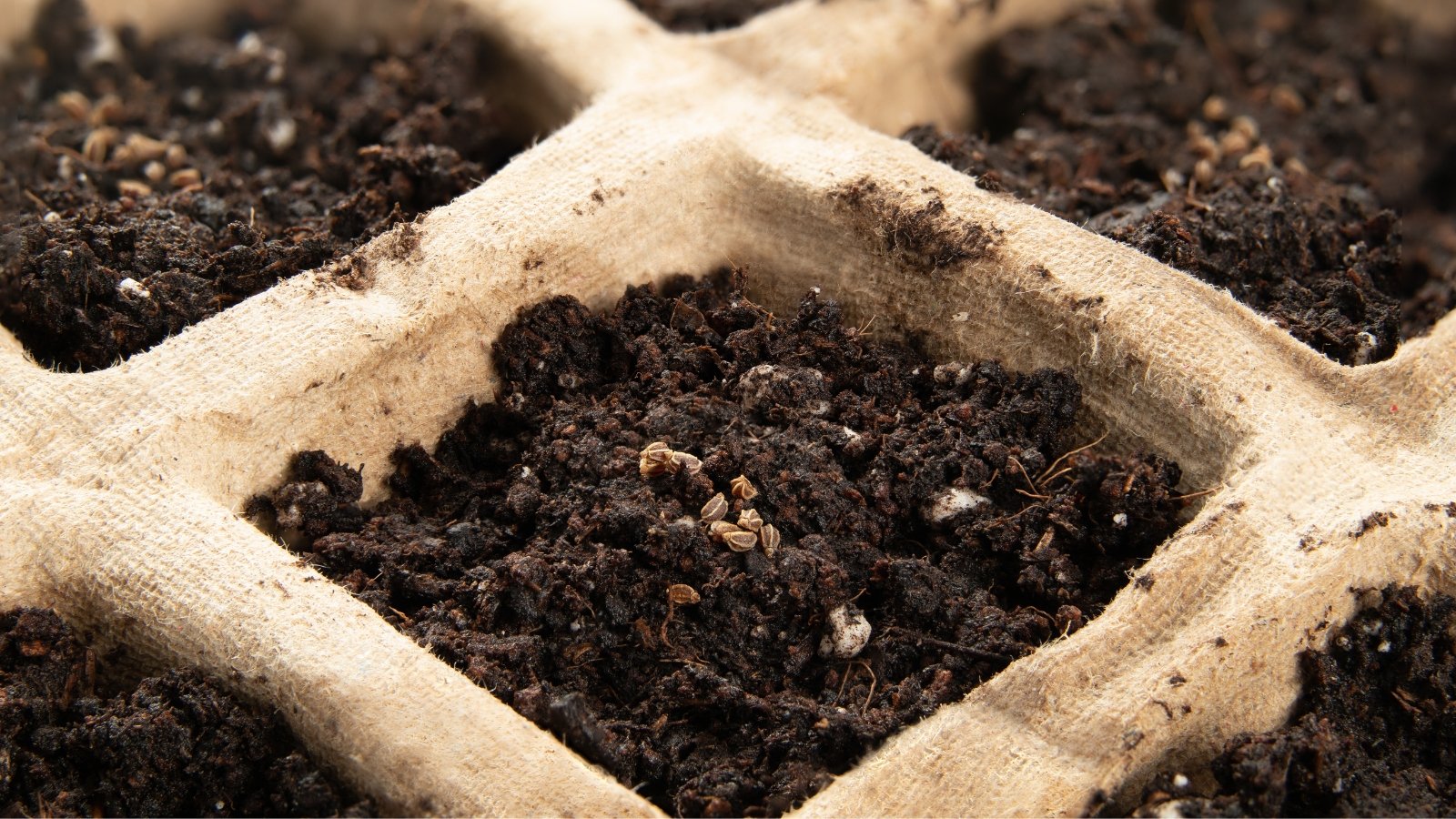 Many seeds need heat to germinate.
Seeds have minimum and maximum temperature thresholds, and nothing really happens if soil temperature falls outside that range. Some seeds need more warmth to germinate, while others need cold beforehand to trigger germination.
Warm-season crops like tomatoes, peppers, and basil won’t germinate in cool soil. You can keep the soil perfectly moist and wait for weeks, but if the temperature is too low, the seeds don’t sprout. Cool-season crops have the opposite problem. Lettuce, spinach, and other greens germinate best in cooler temperatures.
Some seeds need a cold period before they’ll germinate at all. This is called stratification, and it’s common with perennials and native wildflowers. Without that cold treatment, these seeds can sit in warm soil without sprouting.
The Fix
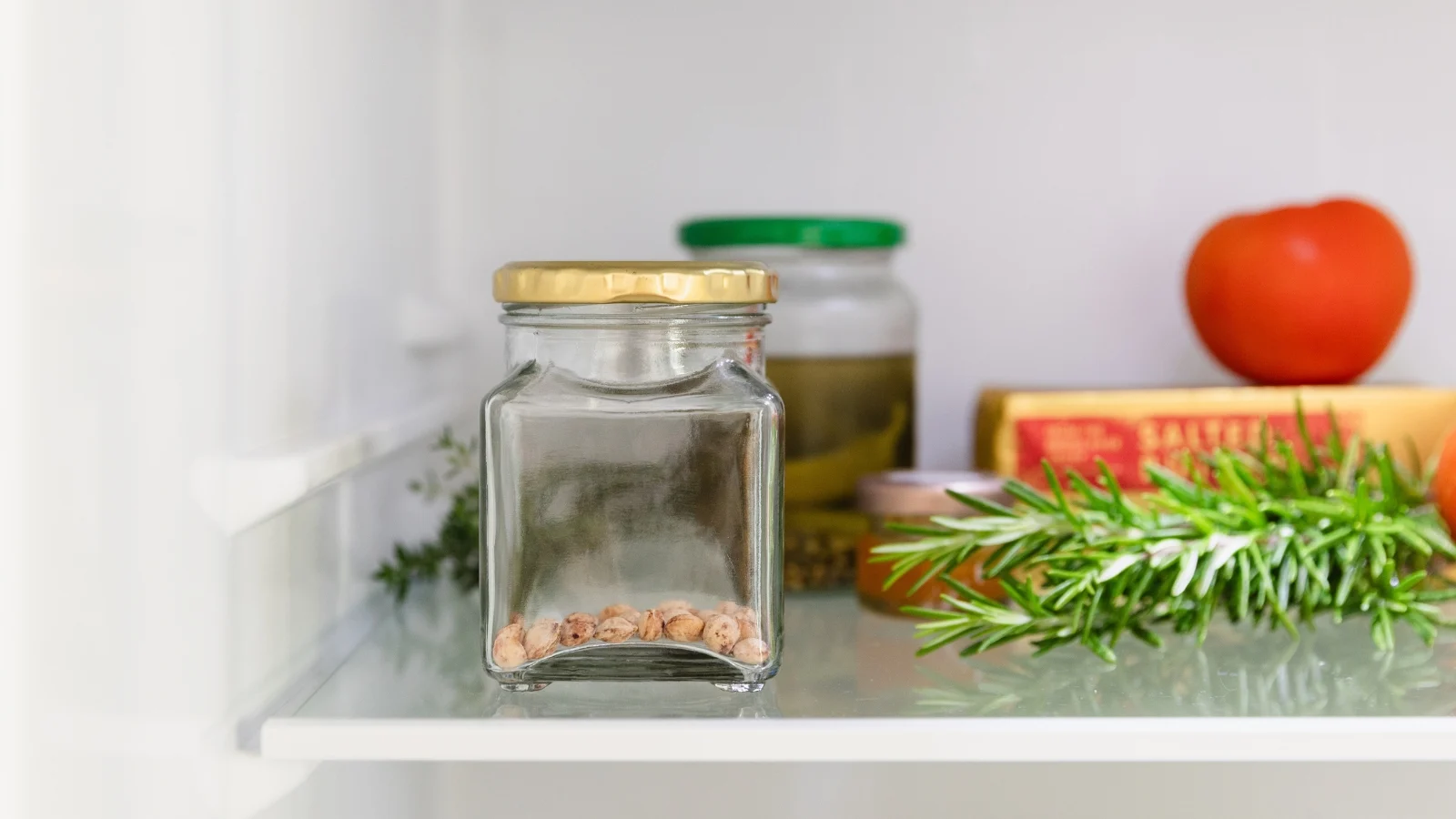 If seeds need cold stratification, refrigerate them before planting.
Check the seed packet for temperature requirements and measure your actual soil temperature with a thermometer. Room temperature isn’t the same as soil temperature, especially if seed trays are sitting on a cold surface or near a drafty window.
For seeds needing warmth, use a heat mat under the seed trays if the seeds don’t sprout. These raise soil temperature by 10 to 15 degrees, which makes a noticeable difference for slow-germinating warm-season crops.
Seeds requiring stratification need to be refrigerated for several weeks before planting. The exact duration varies by species, but four to six weeks is around the minimum. This mimics winter conditions and breaks the seed’s dormancy.
Planting Too Deep
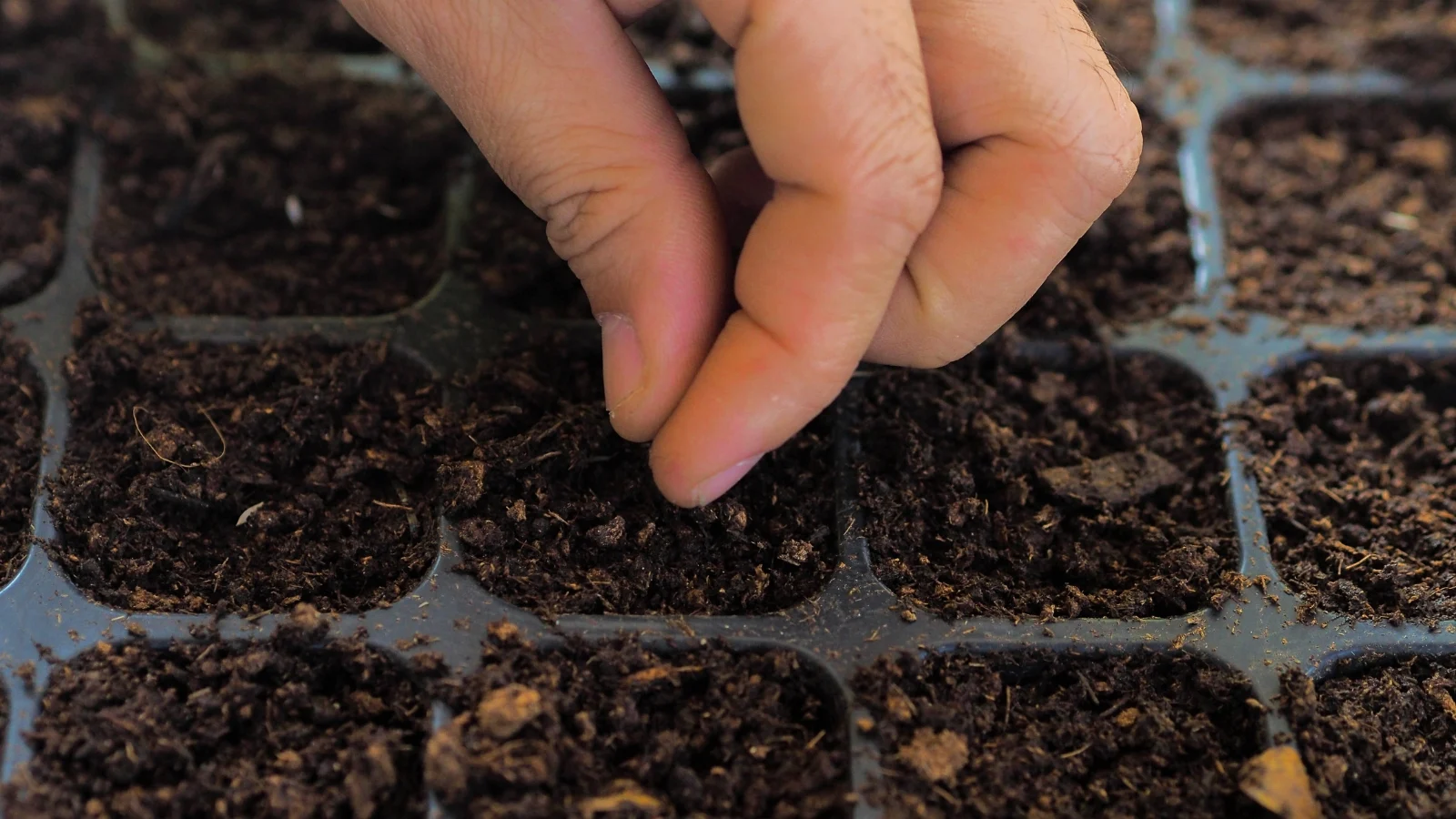 Seeds planted too deeply struggle to emerge.
Seeds have limited energy reserves to push through soil before reaching light. If you plant them too deep, they run out of energy before breaking the surface. You might have perfect moisture and temperature, but the seedlings die before you ever see them.
The rule of thumb is to plant seeds at a depth equal to two to three times their diameter. Tiny seeds like lettuce or carrots barely get covered at all, while larger seeds like beans or squash can handle an inch or more of soil on top. Luckily, your seed packet should give you all the information you need.
Some seeds need light to germinate and shouldn’t be covered with soil at all. These get pressed onto the soil surface and left exposed or barely covered. If you bury light-requiring seeds, they won’t germinate, no matter how long you wait.
The Fix
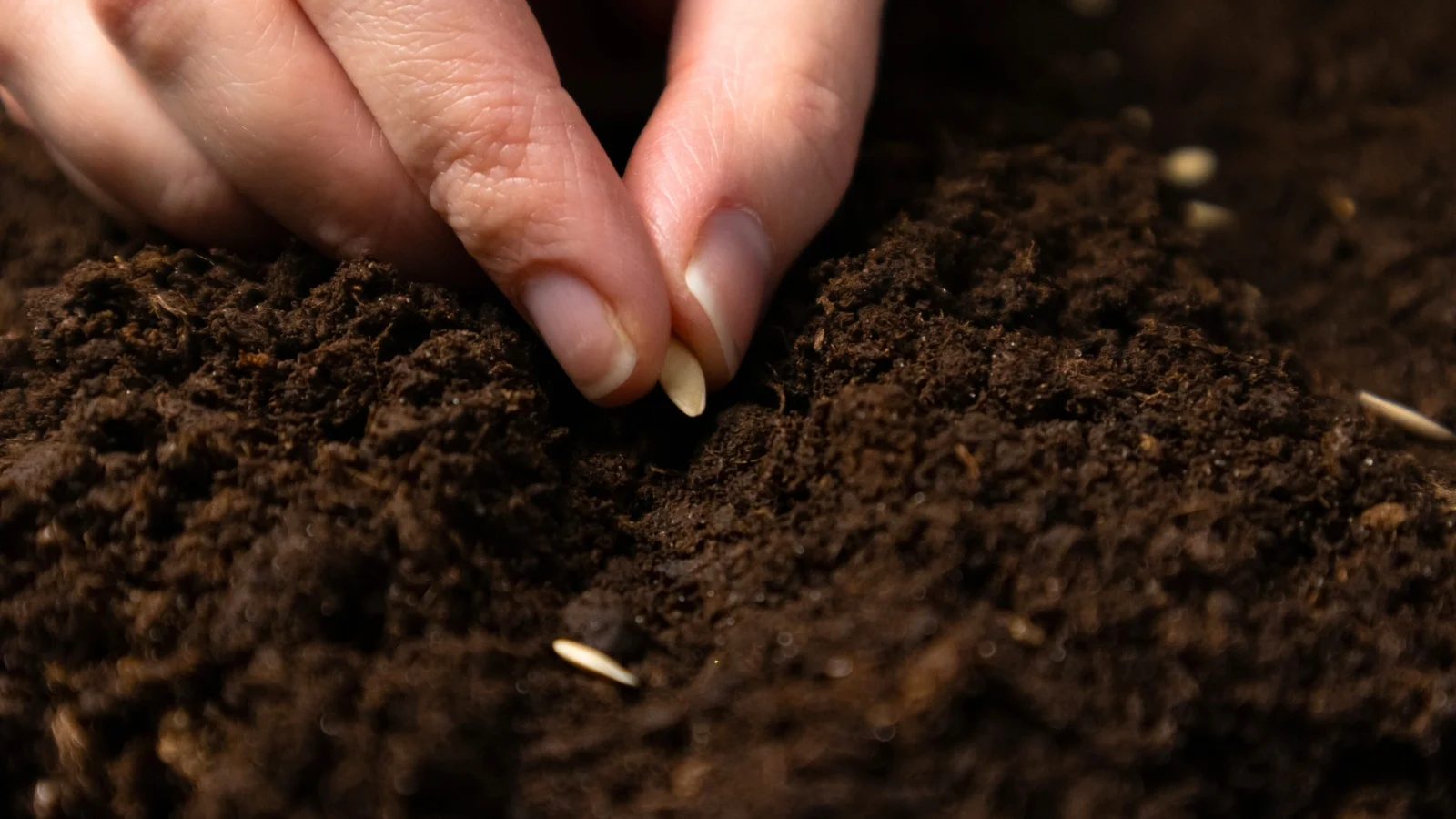 Follow the instructions on your seed packet.
Replant at the correct depth. For very small seeds, scatter them on the surface and press them in gently without adding soil on top.
If you suspect seeds are buried too deep but aren’t sure, you can carefully scrape away some soil to check. Sometimes you’ll find seedlings that sprouted but couldn’t push through the surface. These can occasionally be saved if you catch them early enough.
Read the seed packet instructions carefully. Some seeds have specific planting depth requirements that differ from the general rule, and following those instructions will help you avoid a host of problems in the future.
Using Old Seeds
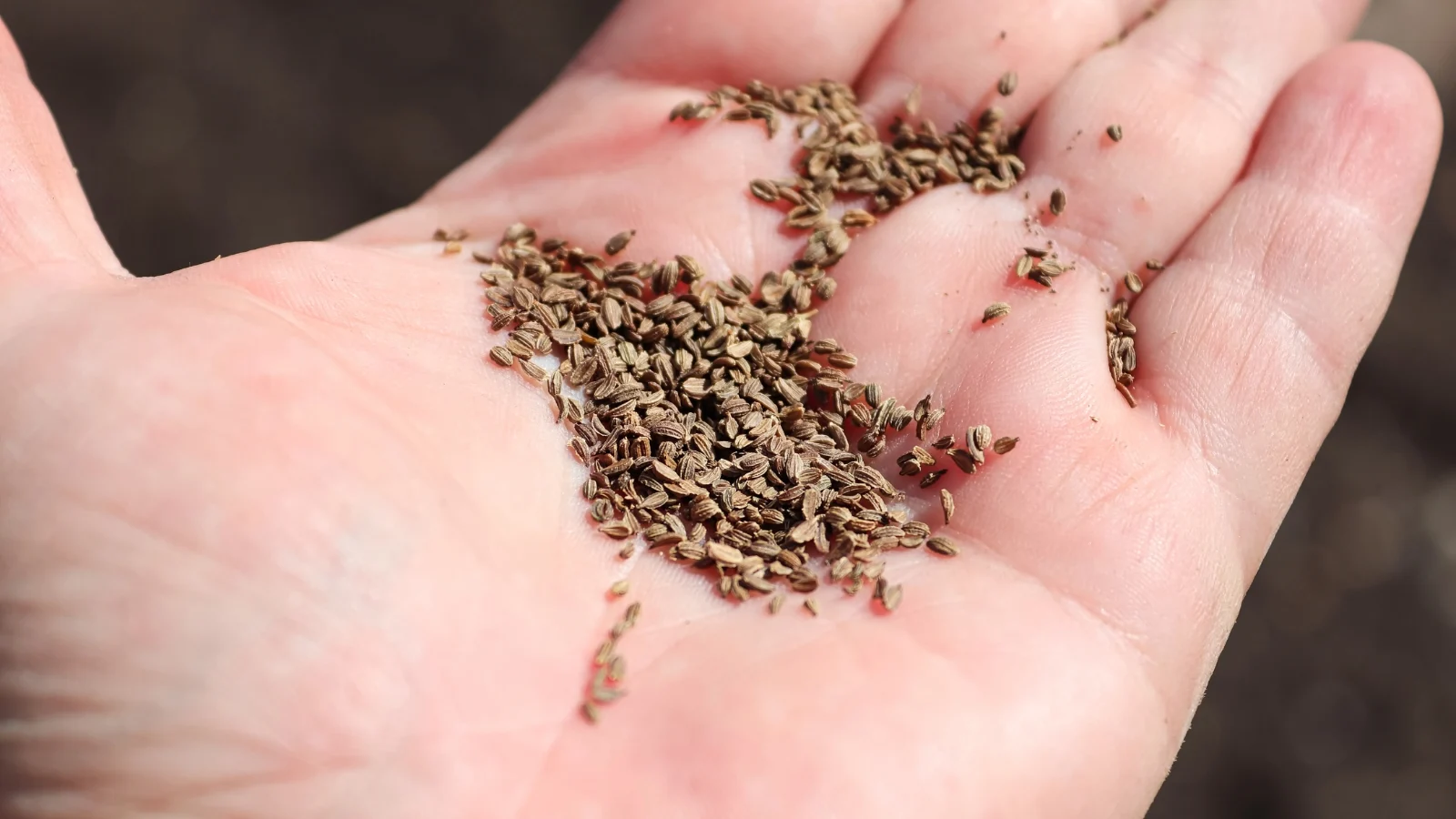 Age impacts seed viability.
Seed viability declines with age. Fresh seeds might have 90% germination rates, while three-year-old seeds of the same variety might only hit 50% or 30%. Some seeds lose viability quickly, while others stay viable for years if stored properly.
Short-lived seeds include parsnips, onions, and parsley. These often fail after just a year or two, even with good storage. Tomatoes, beans, and cucumbers stay viable longer, often four to five years or more.
Poor storage conditions could be why your seeds don’t sprout. Seeds kept in hot, humid environments deteriorate faster than seeds stored cool and dry. Sadly, a packet left in the garden shed all summer in hot, sticky conditions is probably compromised even if it’s technically only a year old.
The Fix
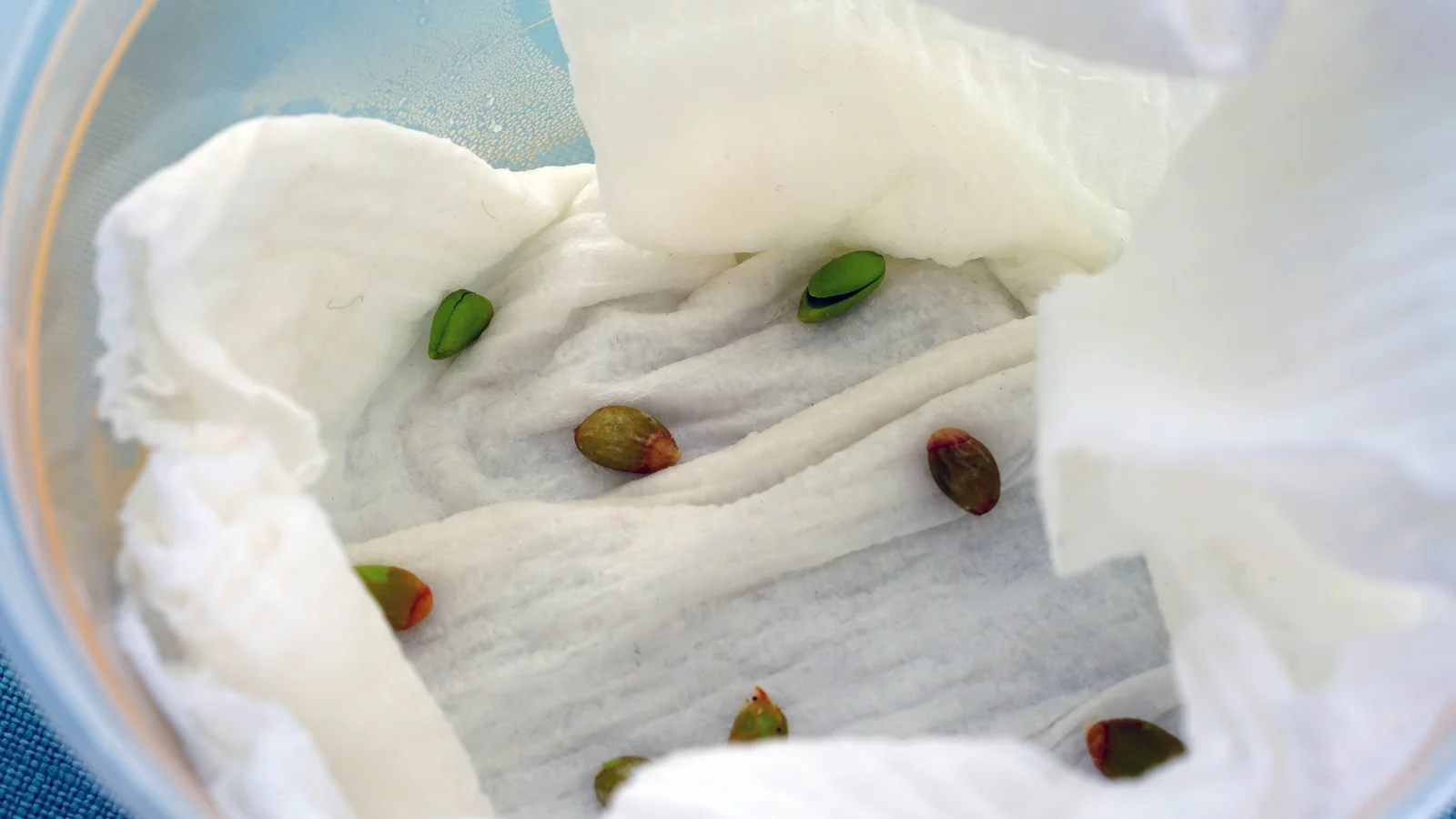 Test your seeds before sowing fully.
Test old seeds before planting a whole tray. Moisten a paper towel, place 10 seeds on it, fold it over, and seal it in a plastic bag. Check after the expected germination time and count how many sprouted. If seven out of 10 germinate, you have 70% viability and can adjust your planting density accordingly.
For low germination rates where many of the seeds don’t sprout, plant more seeds than you need and thin later. This works fine for inexpensive seeds where you can afford to sow heavily. For expensive or rare seeds with low viability, buying fresh seed is usually more reliable than trying to work around poor germination.
Store seeds properly to extend their life. Keep them in a cool, dry, dark place. Some gardeners refrigerate seeds, which works well as long as the seeds stay dry. Moisture combined with cold causes different problems than moisture and warmth, but it’s still problematic.
Have Patience
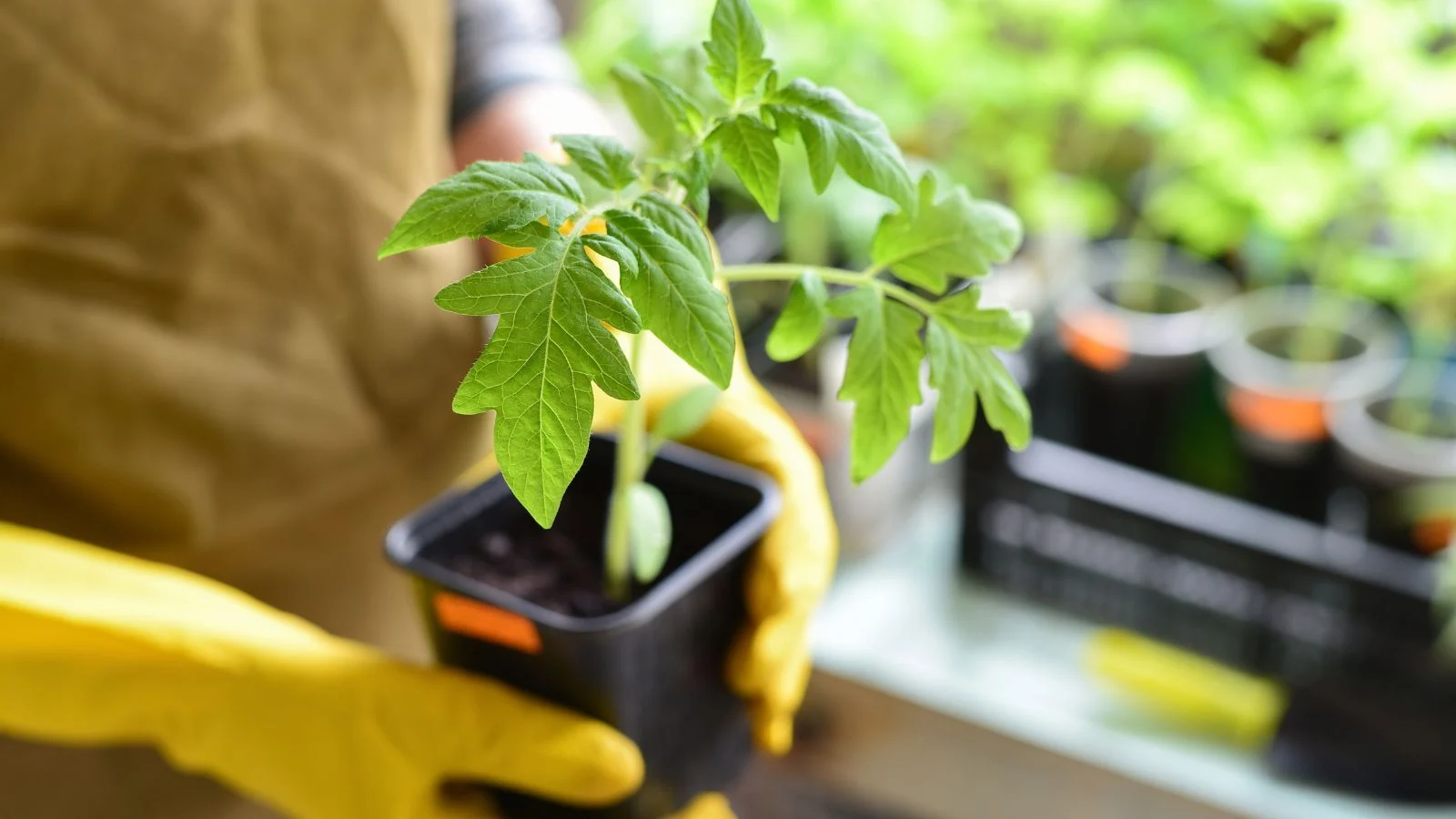 Understand how long it will take your seeds to germinate.
Some seeds germinate in three days. Others take three weeks or longer. If you’re checking daily for parsley seedlings that won’t appear for two to three weeks, you’ll think they’ve failed when they’re actually proceeding normally.
Slow germinators include parsley, carrots, peppers, and many herbs. These need patience more than intervention. As long as moisture and temperature are correct, they’ll eventually sprout, just not on the timeline of fast-germinating crops like radishes or lettuce.
Checking seed packets for expected germination time prevents premature panic. If the packet says 14 to 21 days and you’re only at day 10, there’s no problem yet. Wait until you’re past the expected window before troubleshooting.













Quick thought • Beautifully done; the instructions are easy to follow. Love this!
Loved this about “What to Do When Your Seeds Don’t Sprout:” — such a nice idea. So cozy.
Loved this about “What to Do When Your Seeds Don’t Sprout:” — such a nice idea. So cozy.
Quick thought · Practical and pretty — bookmarking this.
PS — lovely take on “What to Do When Your Seeds Don’t Sprout:” — I’ll try that soon. Saving it.
PS · Beautifully done; the instructions are easy to follow. Thanks for this!
✨ Also: Loved this about “What to Do When Your Seeds Don’t Sprout:” — such a pleasant idea. So cozy.
Quick thought · Loved this about “What to Do When Your Seeds Don’t Sprout:” — such a lovely idea. Saving it.
Small note • So pretty — the details are delightful. Love this!
Looks inviting — I want to try it out. Thanks for this!
Small note – pleasant point — I noticed that too. So cozy.
Small note – pleasant point — I noticed that too. So cozy.
This is so satisfying to read — thank you. Will try it.
FYI – I hadn’t thought of it that way — thanks for sharing. Love this!
PS – This feels very homey and real — love it 🌸
Small note • This tip on “What to Do When Your Seeds Don’t Sprout:” is so useful — thanks for sharing. Will try it 🌿
Heads up — I second that — very true. Saving it.
Heads up — I second that — very true. Saving it.
Heads up — I second that — very true. Saving it.
Tiny tip: This is a keeper — saving for later.