
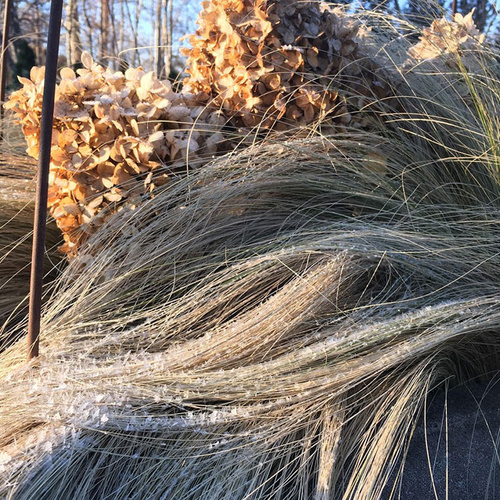
Unless you’re in the southernmost United States, you probably experience a period of dormancy in your garden in winter. Deciduous trees and shrubs drop their leaves, herbaceous perennials dry and wither to crispy brown stalks, and even evergreens seem to stall their growth in anticipation. At first glance, dormancy might look like death for many plants, but it’s really a process of survival that enables perennials to persist from one year to the next.
There are two kinds of dormancy: Some plants enter endodormancy, which is timed by the plant’s internal clock, and others enter ecodormancy, which relies on environmental triggers like a sudden drop in temperature. Functionally, both processes reduce the plant’s need for light and water, protect it from the stress of harsh winter conditions, and postpone growth until favorable conditions return.
Transplanting and planting
Don’t fret if all your transplanting and planting was not completed by the end of fall. If the ground isn’t frozen, hardy plants will take movement in stride during winter dormancy. Photo: Carol Collins
When your garden goes dormant, it may be tempting to hang up your tools and take the season off, but don’t let this unique opportunity go to waste. Winter is the best time to transplant many plants, especially trees and shrubs. Just as dormancy protects plants from feeling the effects of extreme weather, it also protects them from the stress and shock of transplanting. As long as you can get a shovel into the ground, you can transplant.
Hardy new additions to the garden can also be planted any time the ground isn’t frozen—so long as you’re careful not to move them from a house or greenhouse directly into freezing temps. Even in the harshness of winter, plants are happiest in the ground.
Common Winter Woes
Dormancy is a dependable process, and most cold-hardy plants survive the winter without ever needing help, but that’s not to say this season is always trouble-free. Here are the most common winter woes to look out for, and ways you can prevent them.
Frost heave:
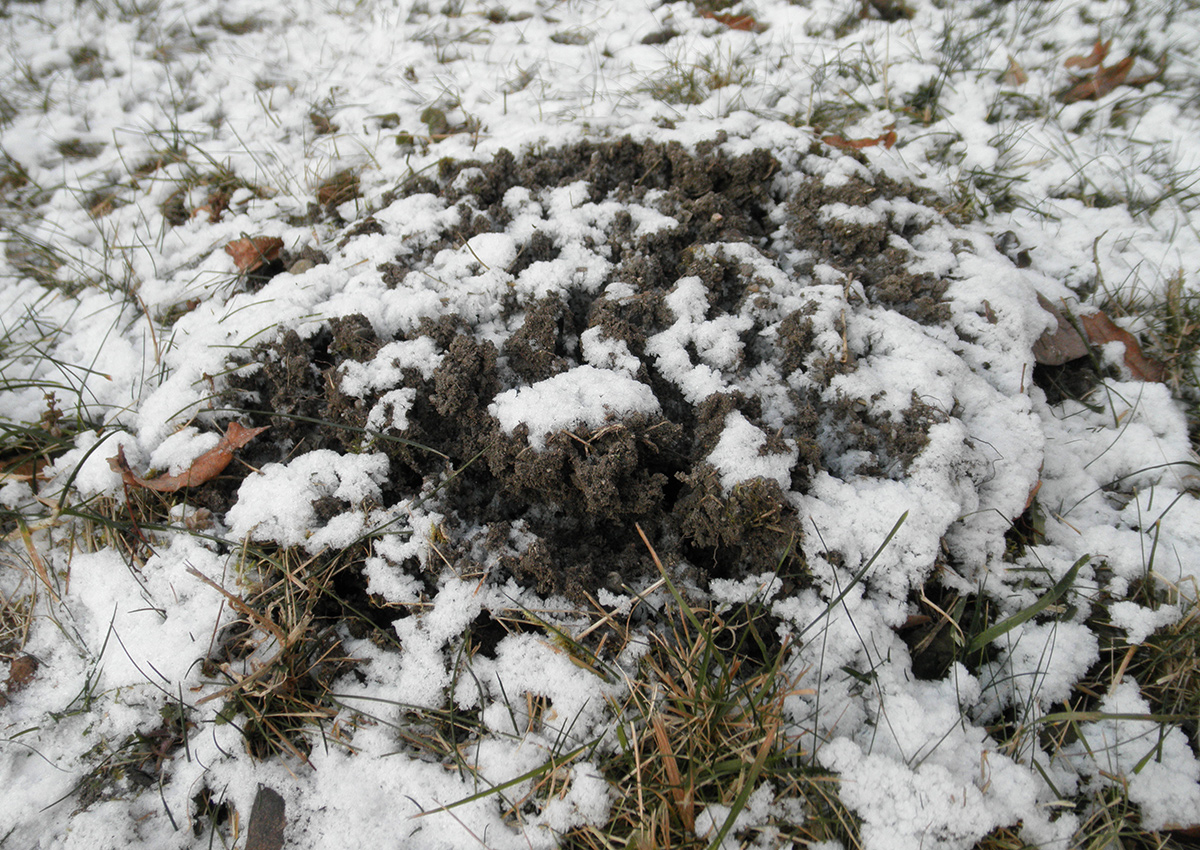 Without an insulating layer of mulch or leaves, underground water can swell and crack soil. This is not a big deal for bare spots in the garden but devastating when it exposes root balls to the elements. Photo: Michal Maňas, CC BY-SA 3.0, via Wikimedia Commons
Frost heaving occurs when water freezes underground and turns to ice that pushes up from beneath the surface. The frozen soil swells and cracks, and can even lift the root balls of plants, exposing them to frigid air. Porous, loamy soils are particularly susceptible.
Frost heaving can be devastating in a garden, but you can protect against it with a good layer of mulch or even leaf litter to insulate the soil. Mid- to late fall is a great time to apply it before winter sets in. Learn more about the dos and don’ts of mulching here.
Frost damage:
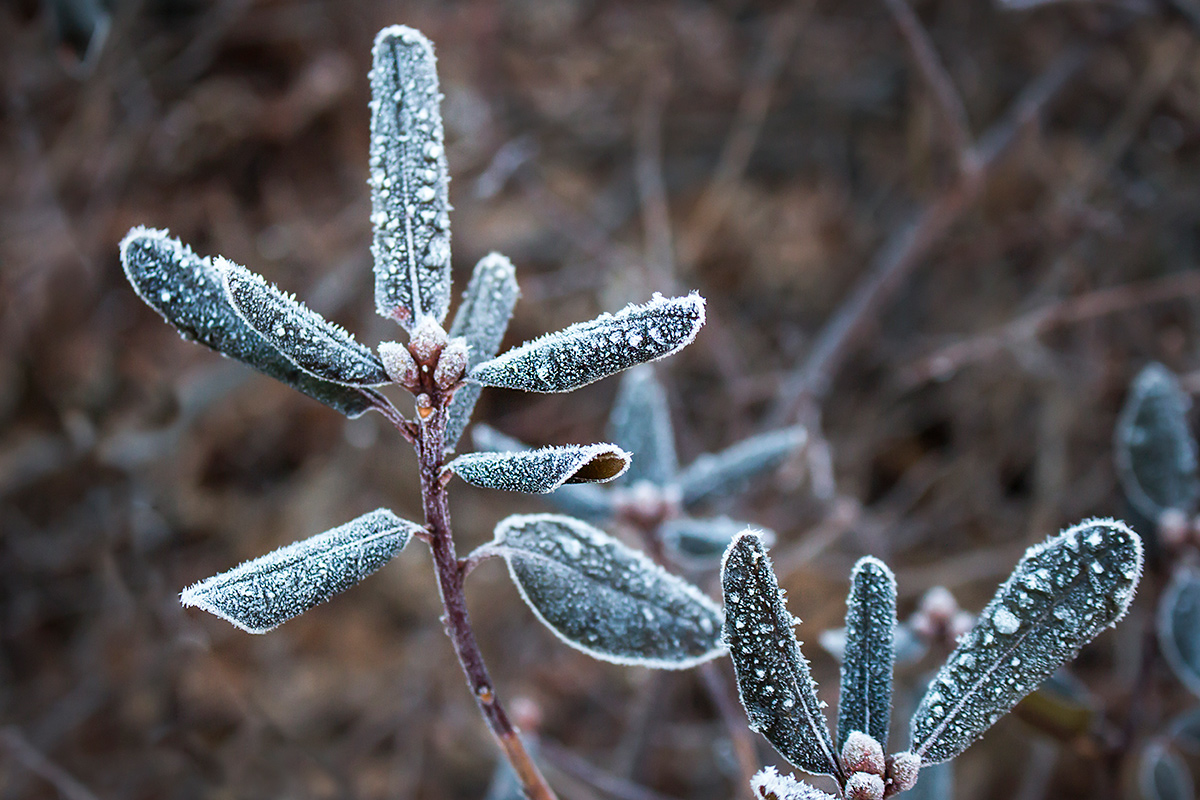 Most hardy, well-established plants, like this rhododendron, will have no problem bouncing back from a hard frost but will likely lose buds that have already developed. Photo: liz west, CC BY-SA 2.0, via Wikimedia Commons
While early or late frosts can cause unsightly damage to plants, it won’t usually kill hardy, established ones. The greatest risk tends to be to newly planted seedlings and flower buds. Seedlings might not be rooted in well enough to survive, or may experience a severe setback due to shock, and flower buds that freeze may lose an entire bloom season and any fruit that might have followed.
Predicting frosts can be a tricky business, since frost dates are based on yearly averages, so it’s important to be prepared. Here are ways to protect at-risk plants from a sudden frost:
- Create a temporary cloche for individual plants out of an empty milk jug or juice container (be sure to remove it if temperatures rise during the day, to prevent a greenhouse effect).
- Position cardboard boxes over plants.
- Use sheets or blankets to shield flowering shrubs or entire beds from frost in areas where they aren’t likely to get wet.
- Use plastic sheeting, which is impermeable by moisture, but be careful not to let it touch the plants.
- Consider building hoop houses or cold frames for plants that need protection for an extended period of time.
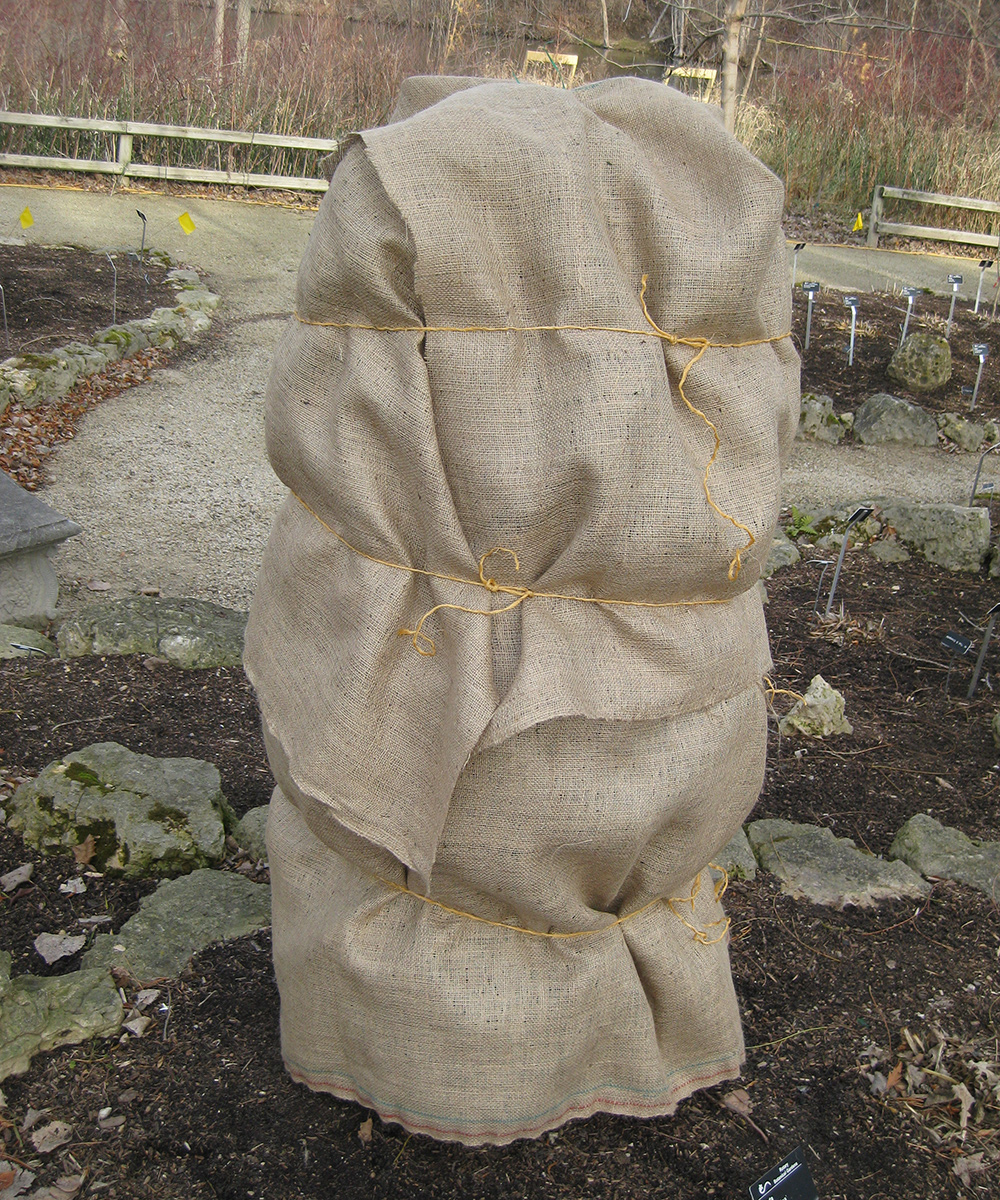 If you’re concerned about a particular plant, there are several different methods of giving them a little extra protection from frost. Photo: Mark Dwyer
Even if a plant looks fatally damaged by frost, leave it planted. Roots may persist even when the foliage has died, and if given enough time to recover, sometimes the plant will regrow.
Plants that aren’t cold hardy:
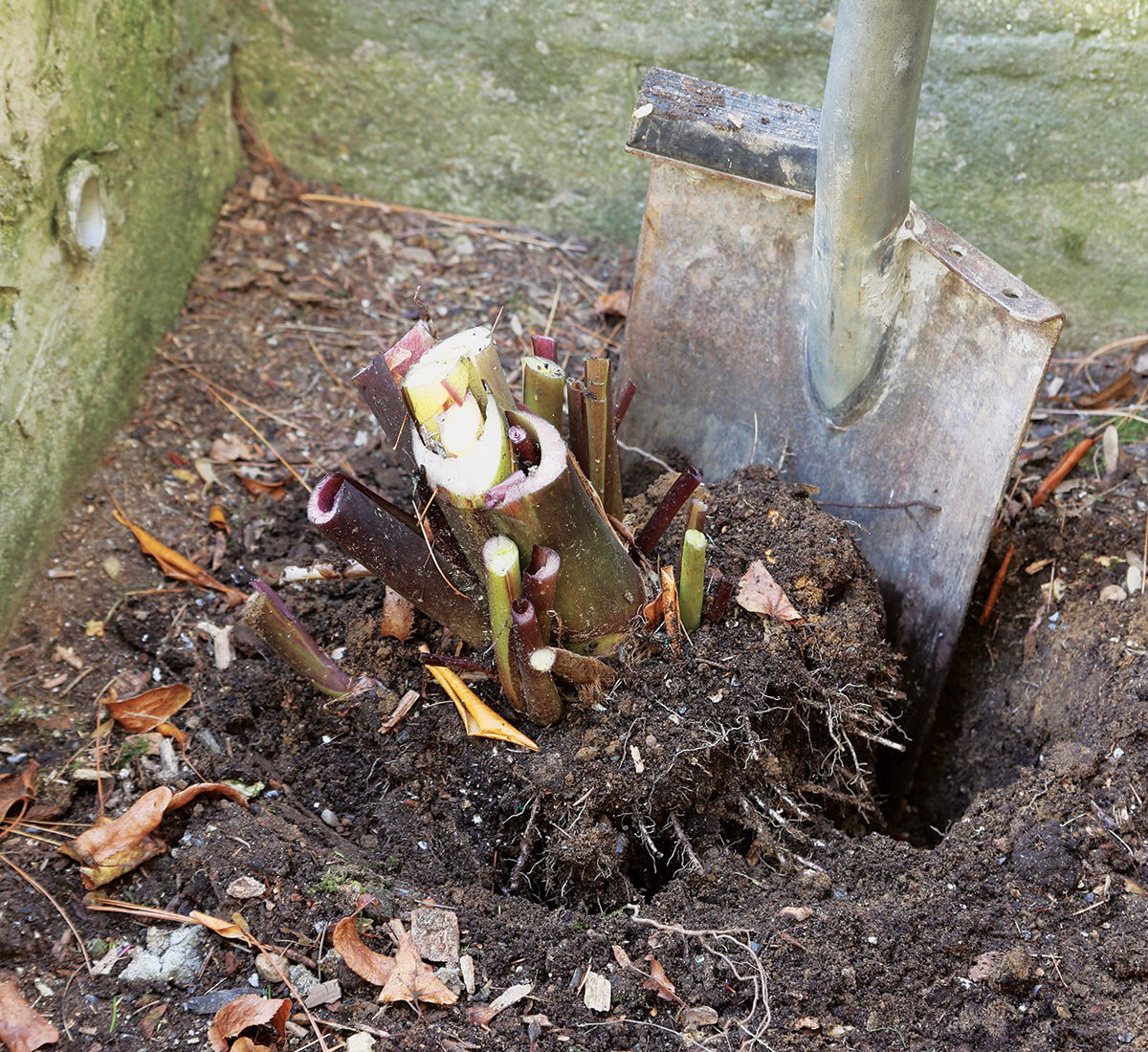 Sometimes there is no way around it. If you want certain warm-climate plants, like elephant’s ear, to come back next year, you will need to dig them up. Check out How to Overwinter Elephant’s Ears to learn more. Photo: Jennifer Benner
Cold-hardy plants have come up a lot so far, but what about overwintering plants that aren’t hardy? Plants in pots and above-ground planters, and warm-climate favorites like fuchsia, elephant’s ear, and citrus trees can all be unequipped to deal with winter temperatures in the majority of the southeastern United States. Luckily, there are some ways to increase your chances:
- Consider choosing perennials and small shrubs that are hardy to at least two growing zones below your own for pots and planters.
- Move potted outdoor plants into an unheated shelter for winter, like a shed or unheated garage, and water occasionally (usually every few weeks).
- Dig up non-hardy bulbs, like dahlias, to be stored for the winter.
- Plant borderline-hardy plants along the south side of your house or another building to provide extra warmth in the winter.
To find your growing zone, visit the USDA’s website.
Find more winter garden advice:
Discuss this article or ask gardening questions with a regional gardening expert on the Gardening Answers forum.
And for more Southeast regional reports, click here.
Cheyenne Wine is a writer and gardener with experience in the plant nursery industry. She currently helps promote conservation efforts through the Virginia Department of Conservation and Recreation.
Fine Gardening Recommended Products
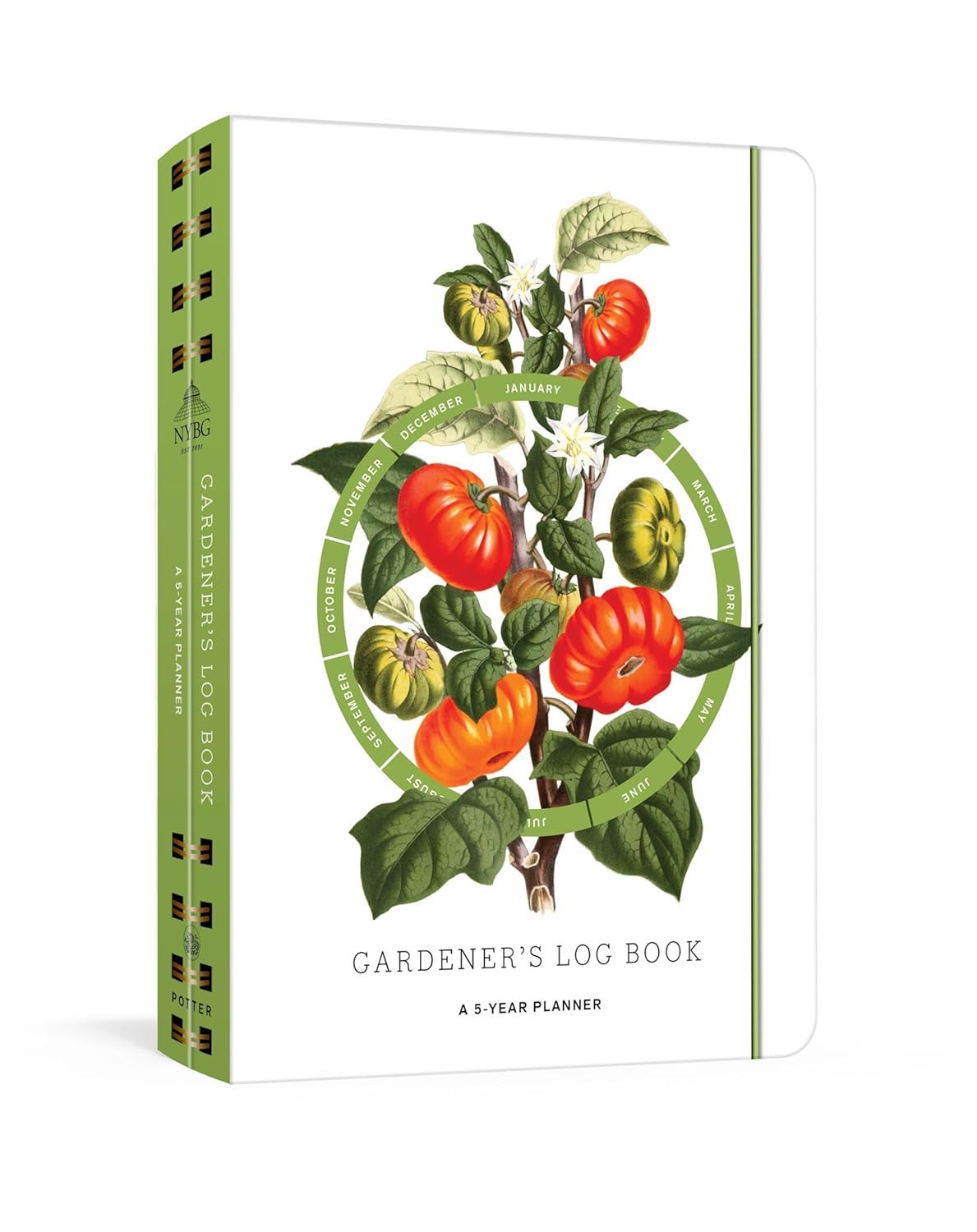
Gardener’s Log Book from NYBG
Fine Gardening receives a commission for items purchased through links on this site, including Amazon Associates and other affiliate advertising programs.
This weatherproof five-year log book includes the following features:
· Sturdy waterproof cover to protect pages from rain and muddy soil
· Lined pages and gridded paper for plotting beds
· Five years of 12-month bloom and harvest grids for recording what you planted and when
· Authoritative appendices on composting, pruning, pest and disease control, and container gardening
· Useful reminders by season on fertilizing, mulching, and transplanting
· Space for listing your favorite sources and suppliers.
Fine Gardening receives a commission for items purchased through links on this site, including Amazon Associates and other affiliate advertising programs.
Dual working heads—2 tools in 1. Sharp hoe to break up clumpy soil. Cultivator for weeding. Package Weight: 0.34 kilograms.
Scotts Cordless Grass-Shear/Shrub-Trimmer Combo
Fine Gardening receives a commission for items purchased through links on this site, including Amazon Associates and other affiliate advertising programs.
With a built-in 7.2-volt lithium-ion battery, this little guy weighs less than 2 lb. and can zip through all your minor pruning tasks quickly and easily.
– 13.5 x 3 x 5 inches
– Uses a 7.2-Volt 2Ah high-capacity built-in lithium-ion battery; Includes a fast charger














Small note • Loved this about “What Happens to Plants in Winter, and Ma” — such a lovely idea. Love this!
Also · This tip on “What Happens to Plants in Winter, and Ma” is so useful — thanks for sharing. Thanks for this!
Also · This tip on “What Happens to Plants in Winter, and Ma” is so useful — thanks for sharing. Thanks for this!
Tiny tip · Practical and pretty — bookmarking this. Love this!
FYI — Totally agree — that really resonates with me. Will try it.
🙂 PS • great timing — I’ve been thinking about something like this.
PS — I appreciate the point about “What Happens to Plants in Winter, and Ma” — very handy. Great share.
PS — I appreciate the point about “What Happens to Plants in Winter, and Ma” — very handy. Great share.