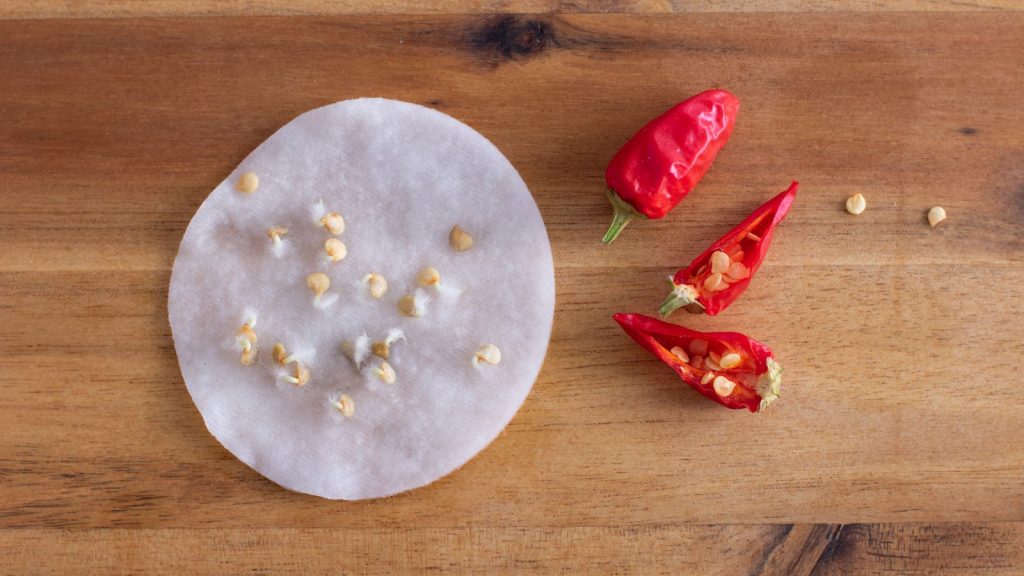
Chile pepper seeds. A brief context to set expectations.
Chile peppers have a reputation for being difficult to start from seed. And compared to tomatoes, where you can practically scatter seeds on damp soil and watch them pop up within a week, that reputation is deserved.
I’ve lost count of the seed trays I’ve stared at for weeks, waiting for pepper seedlings that never showed. But everything looked right. My seeds were fresh, and I kept them warm. But warm enough for me and warm enough for a pepper seeds are two very different things.
After years of trial and error (heavy on the error), we’ve figured out what actually makes the difference. Once you understand what these seeds need, the process to germinate pepper seeds becomes surprisingly reliable.
Epic Seed Starting Heat Mat
Epic Seed Starting Heat Mat
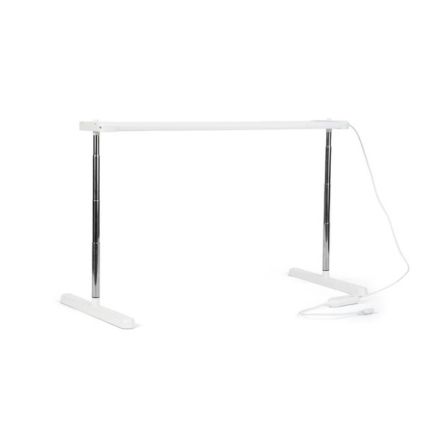
Epic Grow Light
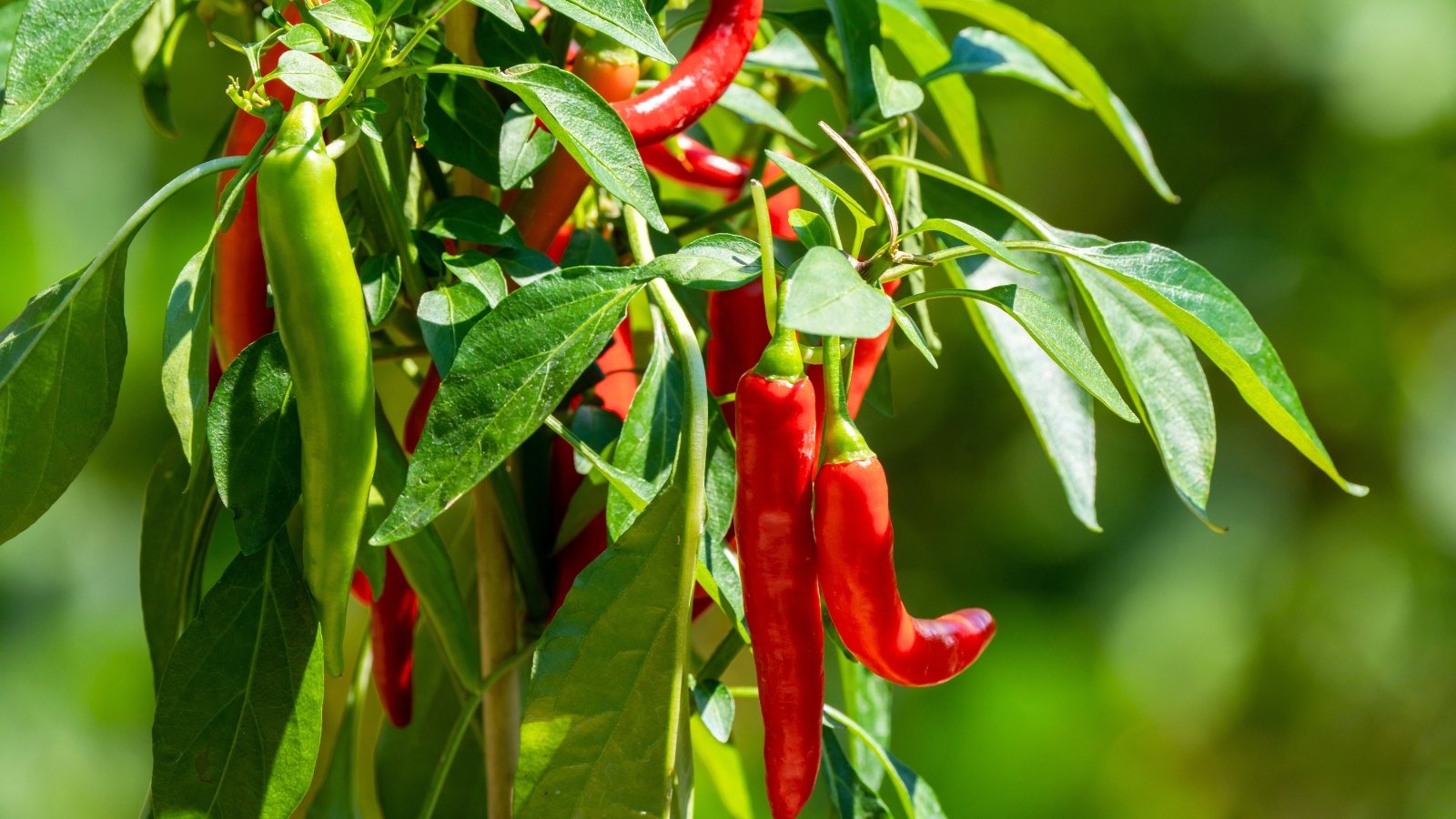
Serrano Chile Pepper
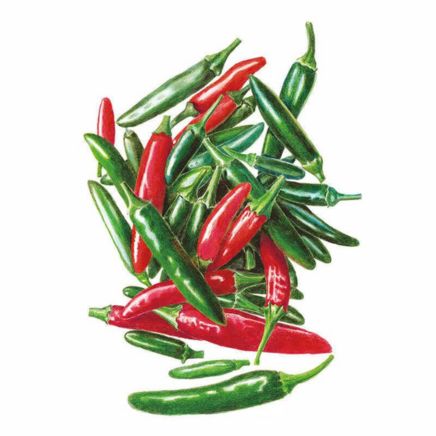
Serrano Chile Pepper Seeds
Why Peppers Can Be Tricky
The most common reason pepper seeds fail to germinate isn’t bad seeds or poor soil. It’s temperature. Soil temperature, specifically.
Most gardeners start their pepper seeds indoors on a windowsill or a shelf, assuming room temperature will do. For a lot of seeds, it will. But chile peppers need soil temperatures to stay consistently warm. That’s close to 80 to 90°F (27-32°C) at the soil level, not just ambient air temperature in the room. Hotter varieties like habaneros are particularly fussy about this.
At 70°F (24°C), many pepper seeds will still germinate. But it can take three to four weeks (or longer) and germination rates drop significantly. Even then, some seeds won’t bother at all. If you bump that up to 85°F (29°C), those same seeds can emerge in seven to fourteen days with far better success rates. That difference is enormous when you’re working with a limited growing season.
The other factor that trips people up is patience. Even under ideal conditions, pepper seeds are slower than most vegetables. If you’re used to tomato seeds sprouting in five days, the two-week wait for peppers can feel like something has gone wrong.
The Secret: Heat and Light
If there’s one thing that transformed our pepper germination rates, it was a heat mat. Your house might be comfortable, but the soil in your seed trays can easily be cooler, especially near a window where drafts creep in. A heat mat fixes this by warming the growing medium from below, right where the seeds need it.
Once seedlings emerge, light becomes the priority. Pepper seedlings get leggy fast without enough brightness, and a windowsill in late winter rarely cuts it. A basic grow light positioned a few inches above the tray keeps stems short and sturdy. Aim for 14 to 16 hours of light per day to mimic the long days of their native growing season.
How to Germinate Chile Pepper Seeds
With the why out of the way, here’s the process we use every season to germinate pepper seeds.
Choose Your Seeds
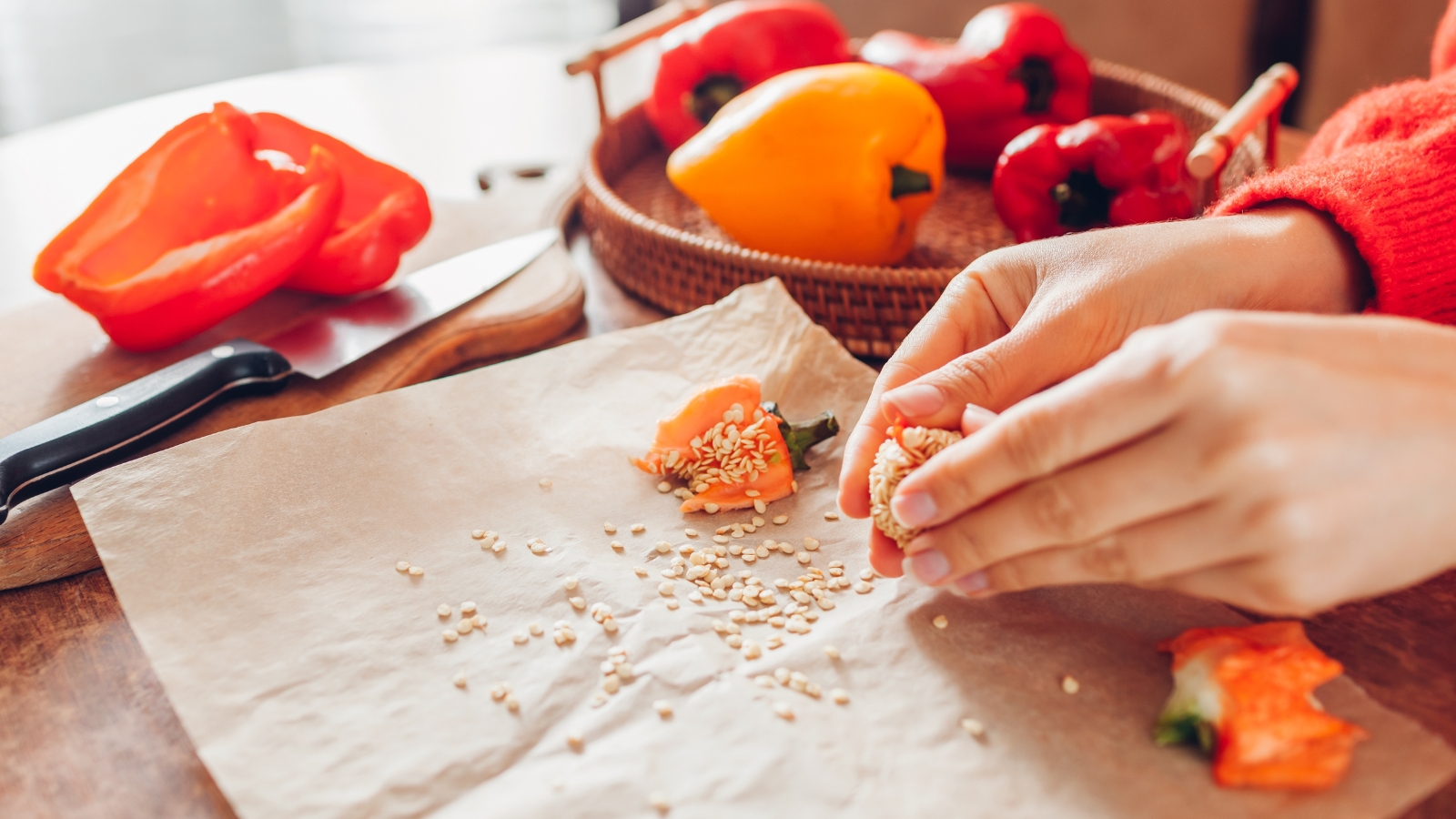
Start with seeds from a reputable supplier. Old or improperly stored seeds have significantly lower germination rates, and with varieties that already take their time sprouting, you don’t want another variable working against you.
If you’re saving seeds from your own harvest, make sure they came from fully ripe fruit. Not the green or half-coloured ones you picked before frost. Immature seeds may look fine, but often lack the development to germinate reliably.
Think about your growing season when choosing varieties. Habaneros and ghost peppers need 100 to 120+ days to reach fruit, so start them earliest (often 10 to 12 weeks before your last frost date). Milder varieties like jalapenos mature quicker and can go in a couple of weeks later.
Prepare Trays
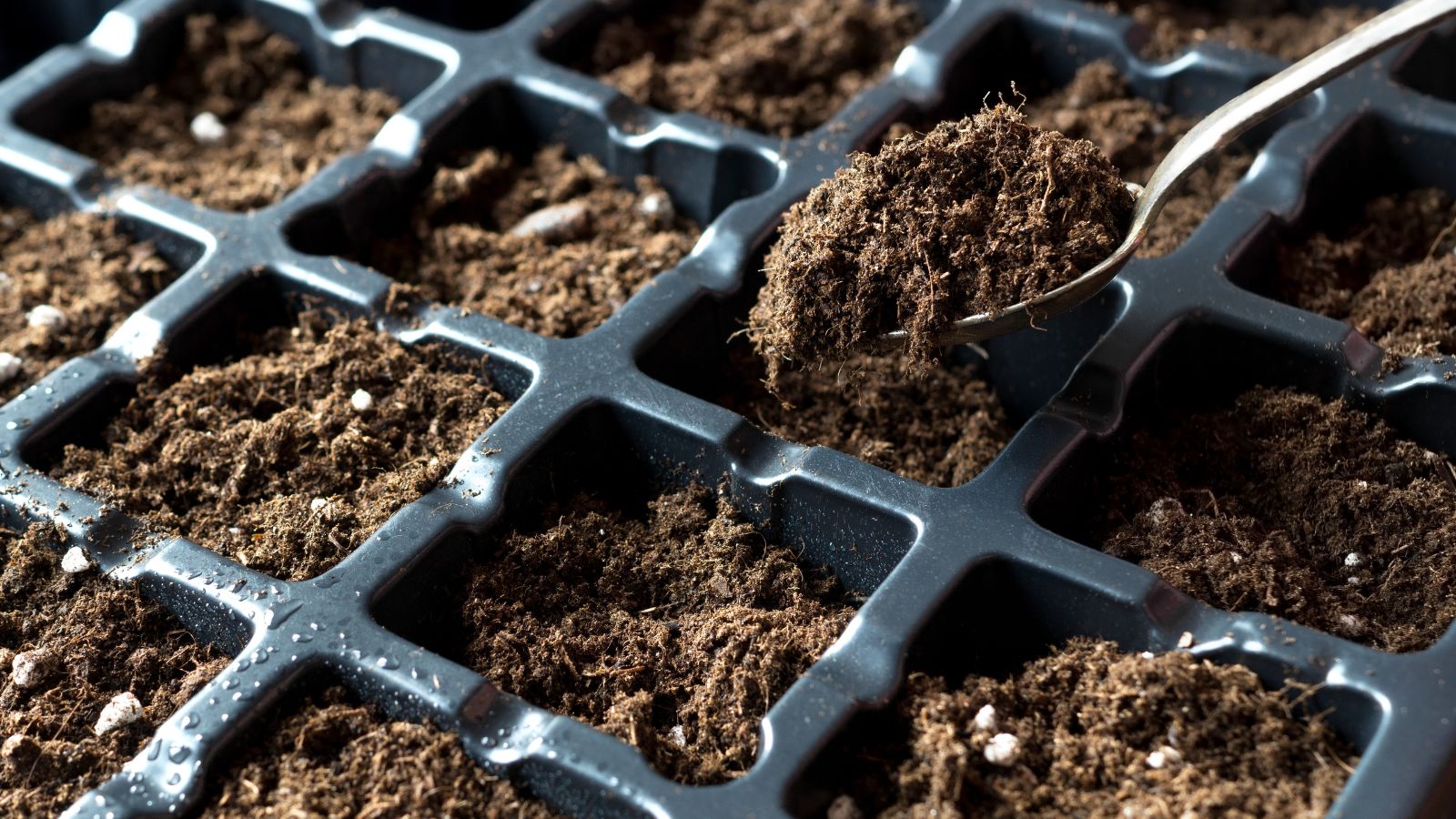
Use a standard seed-starting tray with individual cells or small pots. The container doesn’t matter much as long as it has drainage holes. Peppers forgive a lot when it comes to container type. Waterlogged soil is another story.
Fill your cells with a quality seed-starting mix. Fresh, fine-textured seed-starting mix holds moisture evenly without compacting, and that gives small pepper roots the best possible start. Moisten the mix thoroughly before sowing. You want it damp throughout.
Sow Seeds
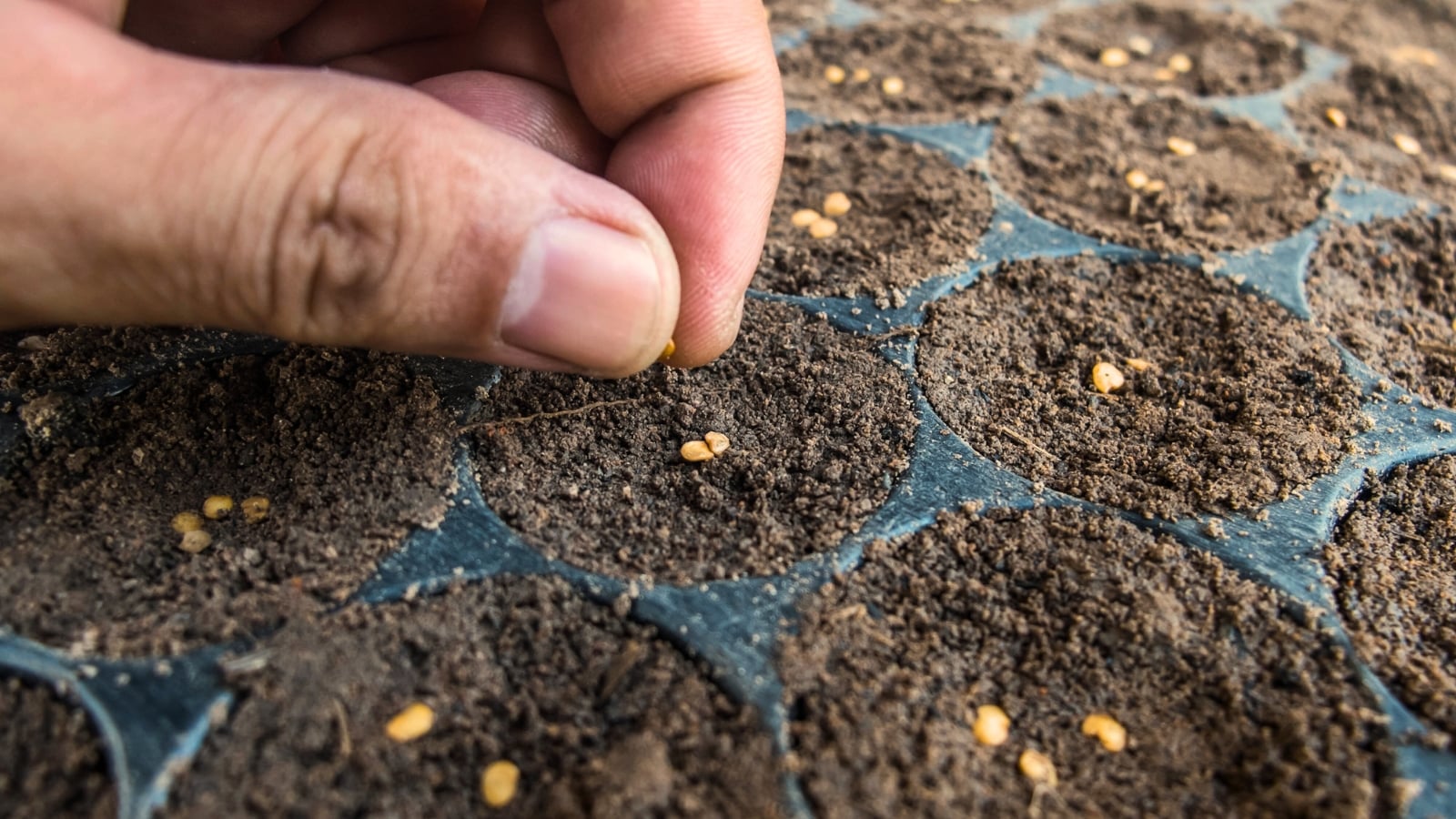
Place one to two seeds per cell. Press them gently into the surface and cover lightly. Don’t bury them too deeply. Too much soil on top slows emergence, especially for smaller-seeded varieties.
Cover the tray with a humidity dome or a piece of plastic wrap to keep moisture levels consistent. This creates the warm, humid microclimate these plants love (minus the actual forest). Then place the covered tray on your heat mat. Keep it somewhere that gets ambient warmth too, as cold garages and drafty windowsills will force the mat to work overtime.
Pepper seeds don’t need light to germinate. They need heat and moisture. But light becomes critical once seedlings break through the surface. During germination itself, you can keep trays in a dark corner if that’s where the heat mat fits best.
Maintenance
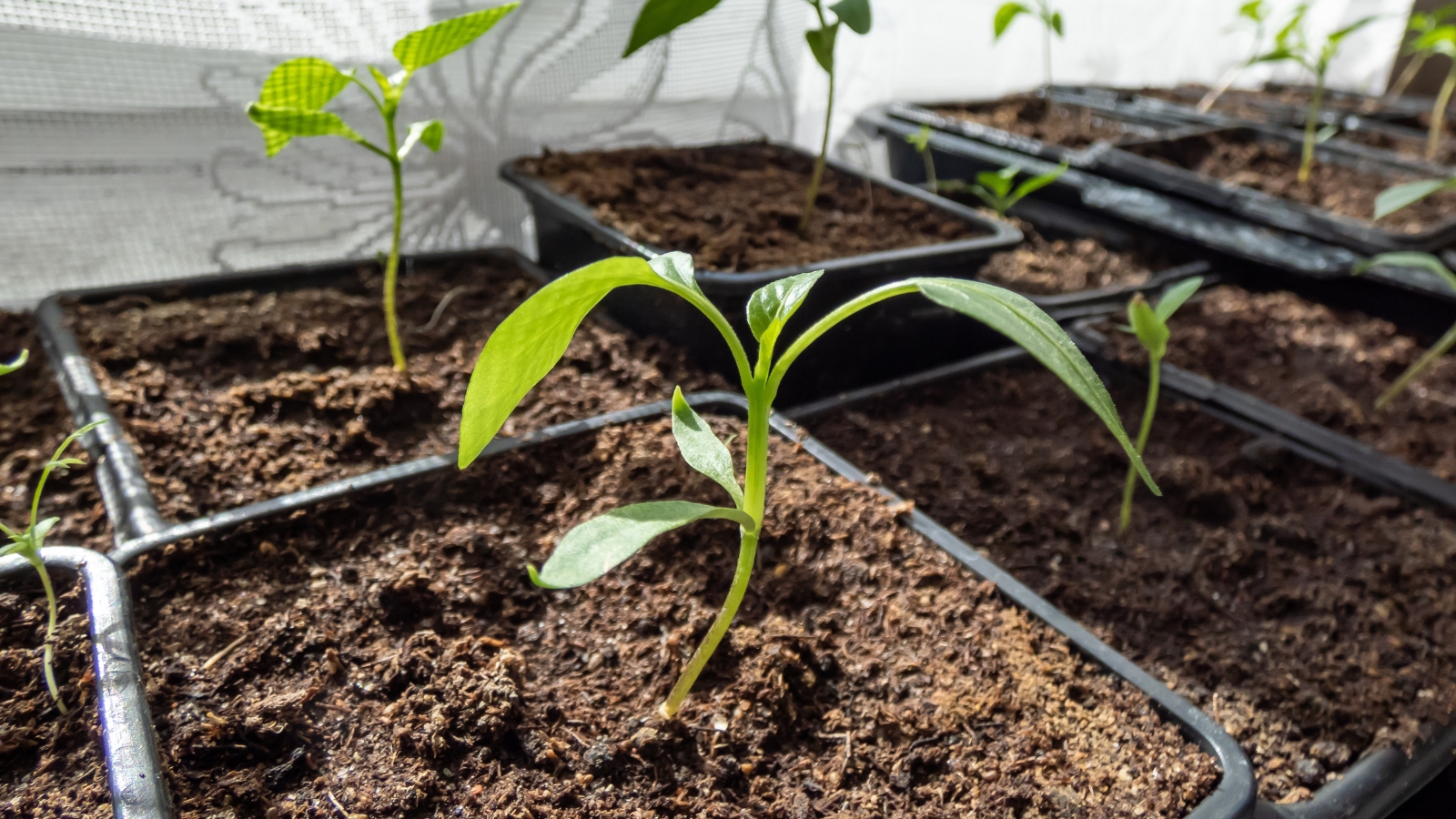
Check your trays daily when you’re trying to germinate pepper seeds. The growing medium needs to stay consistently moist but never soggy. If the surface starts drying under the dome, mist lightly with a spray bottle. If condensation drips heavily from the lid, crack it open for an hour to let things breathe. Too much moisture invites damping off, a fungal problem that kills seedlings right at the soil line.
Now for the hard part: patience. Depending on the variety, you might see sprouts in as few as seven days or as many as four weeks. Very hot peppers tend to sit at the longer end of that range. Give your seeds at least five weeks under consistent heat before you write them off.
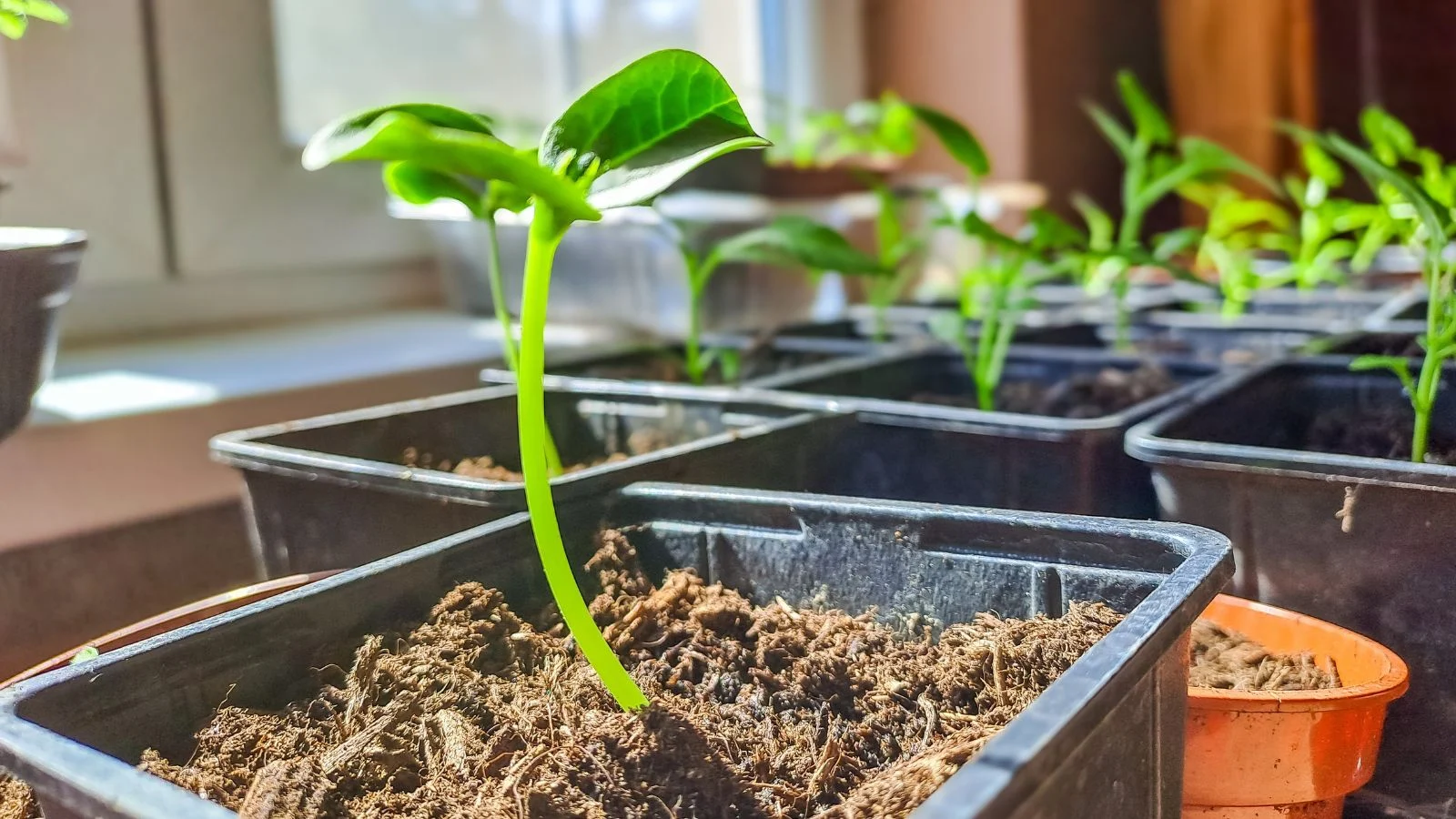
As soon as the first green loops appear above the soil, remove the humidity dome and get those seedlings under light. Keep the heat mat running for another week or so after emergence, then gradually step down the temperature. Seedlings don’t need quite as much warmth as germinating seeds, and weaning them off the extra heat helps with transplanting later on.
Transplanting
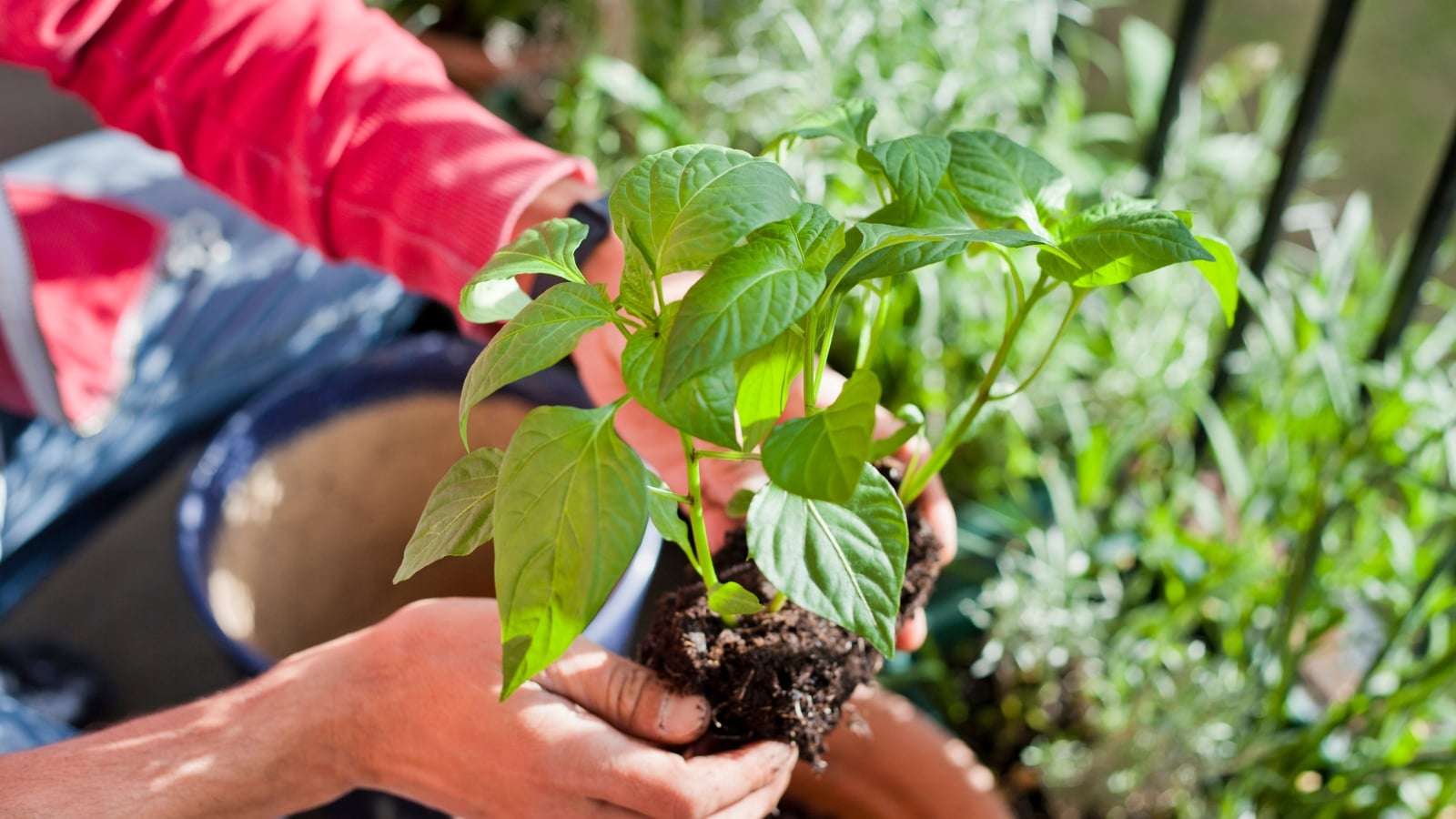
Speaking of transplanting, pepper seedlings are ready for larger pots once they’ve developed their first set of true leaves. Those are the second pair that show up after the initial round seed leaves (cotyledons). By this stage, roots have outgrown the cell and need more room.
Move them into smaller pots filled with a good-quality potting mix. Water gently and keep them under grow lights until they’re ready to go outside.
Before planting out, harden off your seedlings over seven to ten days by gradually introducing them to outdoor conditions. Start with a few hours of filtered sun and build up to full days. Peppers don’t handle cold and wind well, so be careful about when you put them outside.
Wait until nighttime temperatures stay consistently above 55°F (13°C) before moving them into the garden or final containers. Peppers that go out into cool soil will struggle, undoing all your careful work indoors. After the slow start with germination, a little extra patience at planting time pays off.
Chile pepper seeds comes up here to connect ideas for clarity.