
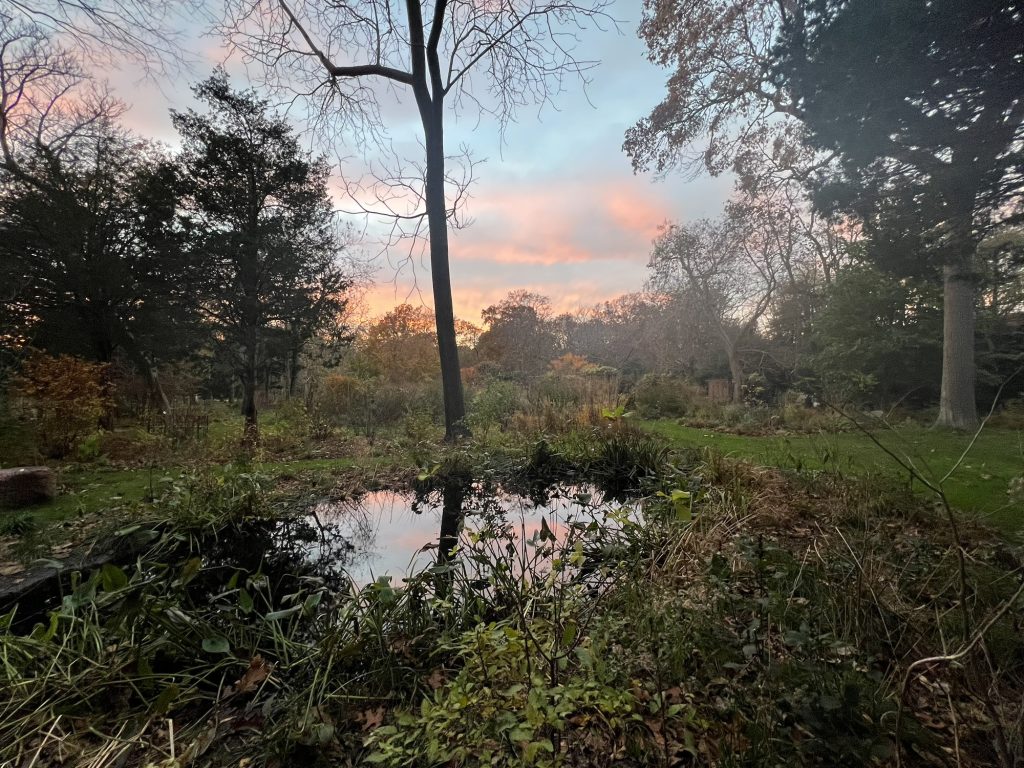
This is part of a series with Perfect Earth Project, a nonprofit dedicated to toxic-free, ecological gardening, on how you can be more sustainable in your landscapes at home.
. . . Do not raise
your small voice against it. And do not
take cover. Instead, curl your toes
into the grass, watch the cloud
ascending from your lips. Walk
through the garden’s dormant splendor.
Say only, thank you.
Thank you.
—Ross Gay, Thank You
Even for the most optimistic of us, it can be hard to stay positive these days. But hope, it is “the thing with feathers,” and there are moments that can make us soar with joy, propelling us forward: the successful bans on pesticides like neonicotinoids; the sweet burst of a juneberry still warm from the sun; the return of the whooping crane after it teetered on the cusp of extinction. We asked a selection of our ecological gardening friends to share what keeps them going—plus one small thing we can all do in our yards next year to keep the momentum going.
Jeff Lorenz and Kayla Fell of Refugia:
Above: The fluffy seedheads of the grass Andropogon ternarius ‘Black Mountain’ almost glow in the winter light along with the red branches of the red-twig dogwood (Cornus sericea) & ‘Shenandoah’ switchgrass (Panicum virgatum) in the background and dense blazing star (Liatris spicata) in foreground. Photograph courtesy of Refugia.
“At this time of year, we are enamored by the stories laid bare in the landscape. Perennials that are left standing through winter are permeated with narrative: tales of shelter and sustenance, dynamic encounters of fullness and decay. While seemingly silent, they are instead performing amazing feats of survival and renewal out of sight—just like us!—silvery-white seed tufts, seedheads glittering with frost. Winter celebrates delicate details that we often miss during the showier exuberant summer months.
“One simple thing that everyone can do to make a difference this year is to talk to their neighbors: Gift a plant when dividing perennials, add educational signage that speaks to the jobs your garden is heroically doing (habitat! stormwater!), and label plants for curious gardeners-to-be passing by. We are not defined by the division seemingly sown around us! Instead, we can inspire others. Connectivity for plants, wildlife, insects, and people is the most powerful tool we have. Don’t be surprised to find your lawn-loving neighbor carving off a sliver to plant milkweed and coneflowers next summer, and then some.“
Uli Lorimer, Director of Horticulture at Native Plant Trust:
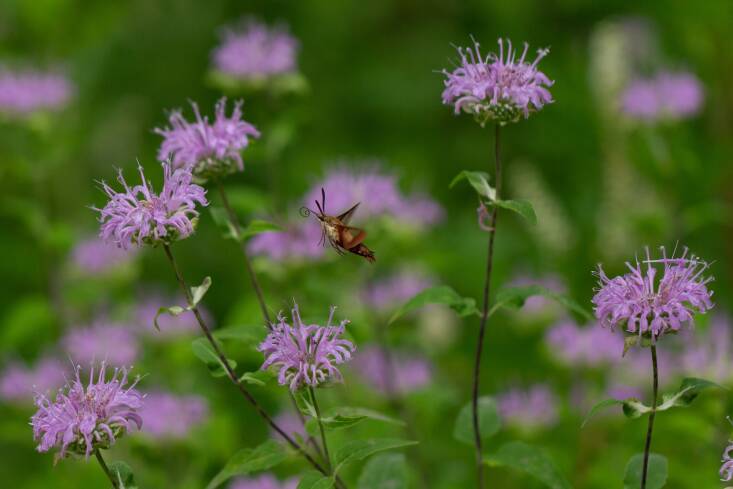 Above: Photo: Hummingbird clearwing moth visits a wild bergamot (Monarda fistulosa). This beautiful perennial also attracts birds, including hummingbirds, and butterflies. Photograph by Uli Lorimer.
“December is a time of reflection as we look back on the growing season past and ponder what the upcoming season may have in store. I want to zero in on a single image that embodies what ecological horticulture means to me and why practicing its tenets gives me hope for the future. The pink firework blossoms of Monarda fistulosa reliably draw hummingbird clearwing moths to the garden, and this image I find absolutely magical. So many things lie behind the picture of a moth captured mid-air with its proboscis curled. The garden provides an appropriate host plant for the larval stage. The plants were grown and managed without pesticides, ensuring the moth isn’t harmed in its pursuit of food. Lastly, this image is a source of wonder and awe, helping me feel connected to this place and motivated to keep my eyes and heart open. So many moments in nature are ephemeral, but mystery, spirit, and magic abound when we slow down to watch. My spirit can’t wait to see what magic awaits next year.”
Richard Hayden, Senior Director of Horticulture at the High Line:
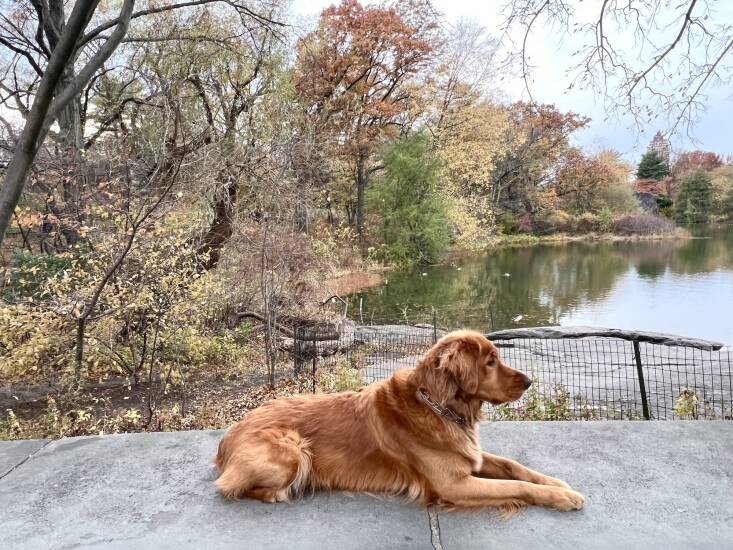 Above: Jasper at the Turtle Pond in New York City’s Central Park. Photograph by Richard Hayden.













Tiny tip · Beautifully done; the instructions are easy to follow. Thanks for this!
PS – Great step-by-step — I’ll give this a go this weekend 👍
Heads up · Nice take on “The Year in Gardening: Looking Back With” — I’ll try that soon. Will try it.