

Met cloisters gardens: a concise orientation before we get practical.
Met cloisters gardens: Quick notes
The Met Cloisters is one of the gardens profiled in The Garden Tourist’s Mid-Atlantic.
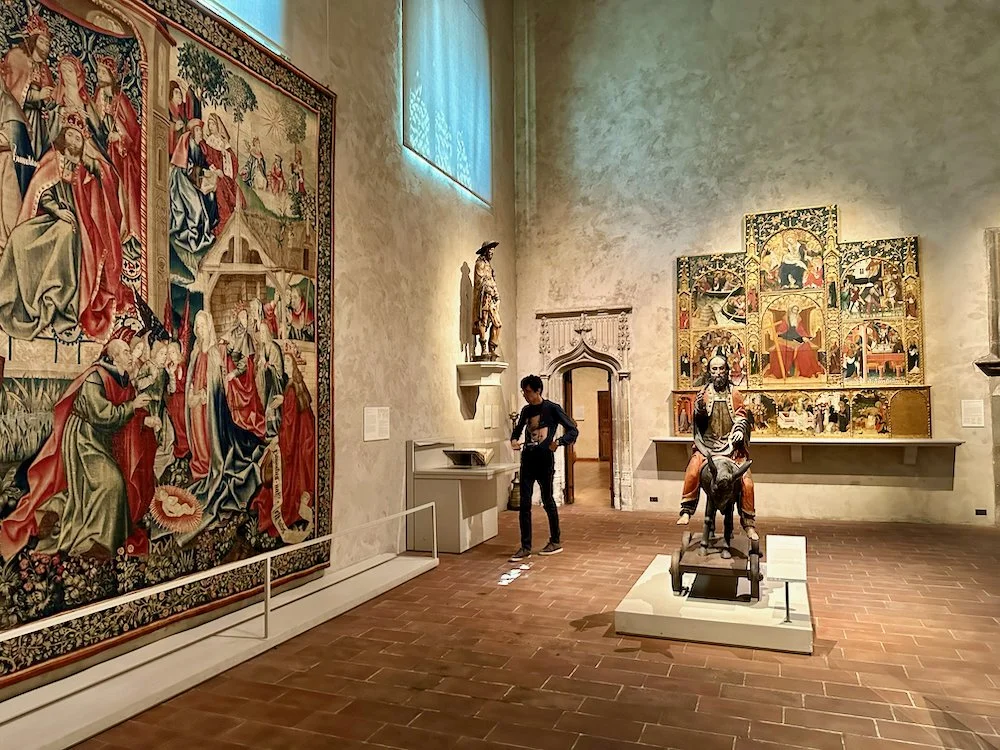
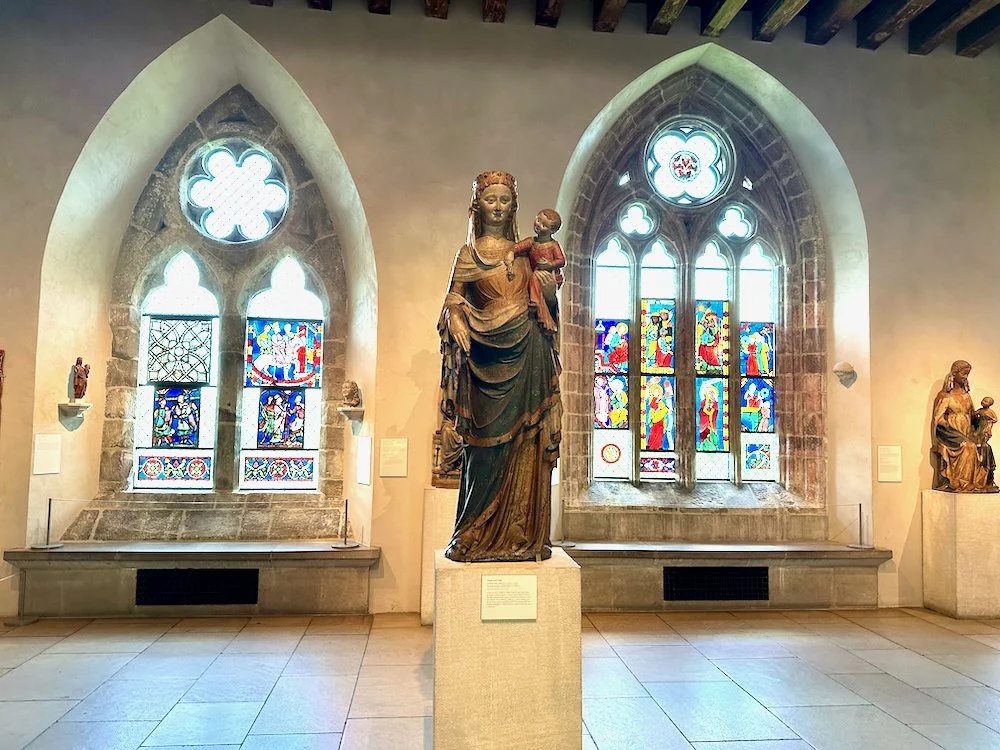
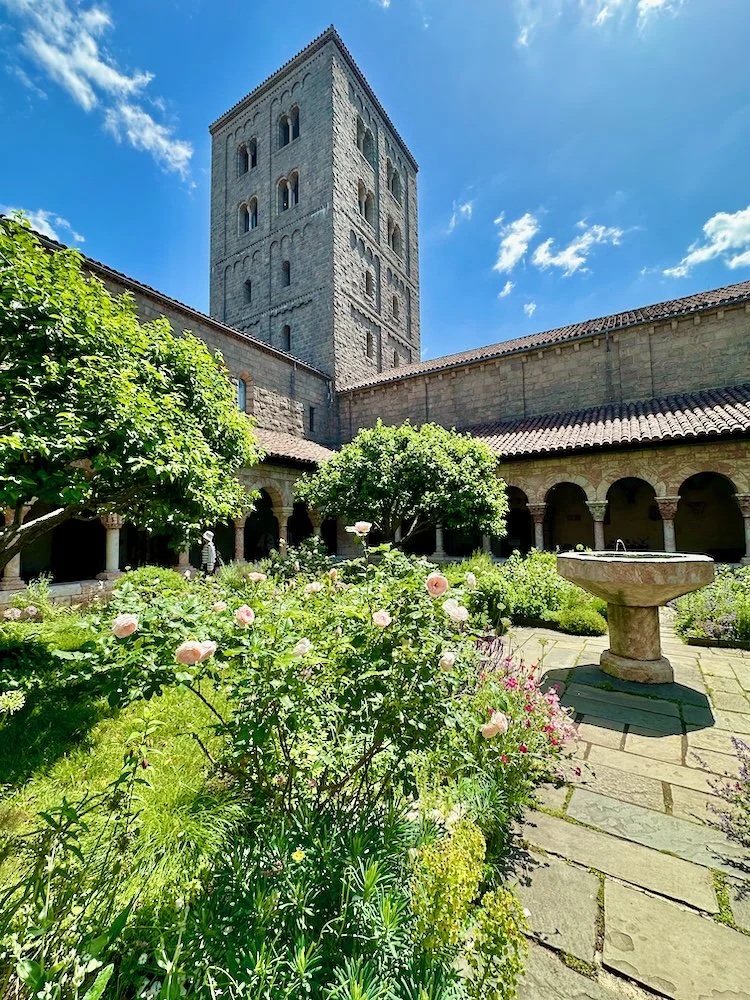
A branch of The Metropolitan Museum of Art, The Cloisters is the only museum dedicated to the art of the Middle Ages in the United States. Incorporating five medieval cloisters, the museum evokes the architecture of the Middle Ages and displays medieval metalwork, painting, sculpture, stained glass, and textiles. It is also renowned for its three cloister gardens, which were designed as an integral part of the museum when it was built in 1938.
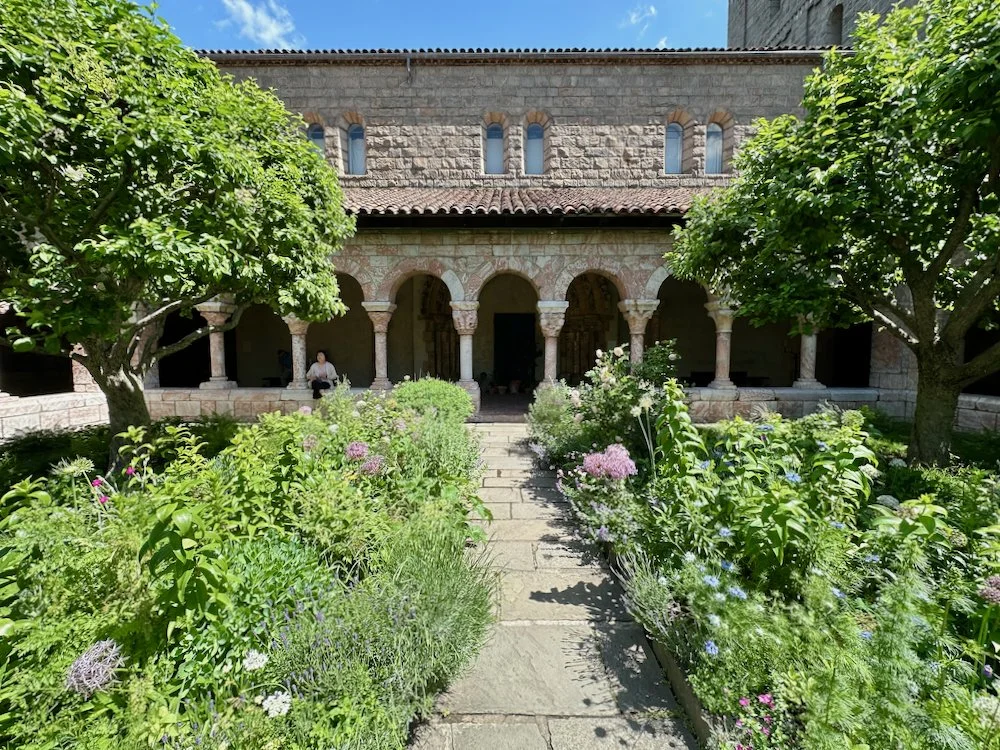
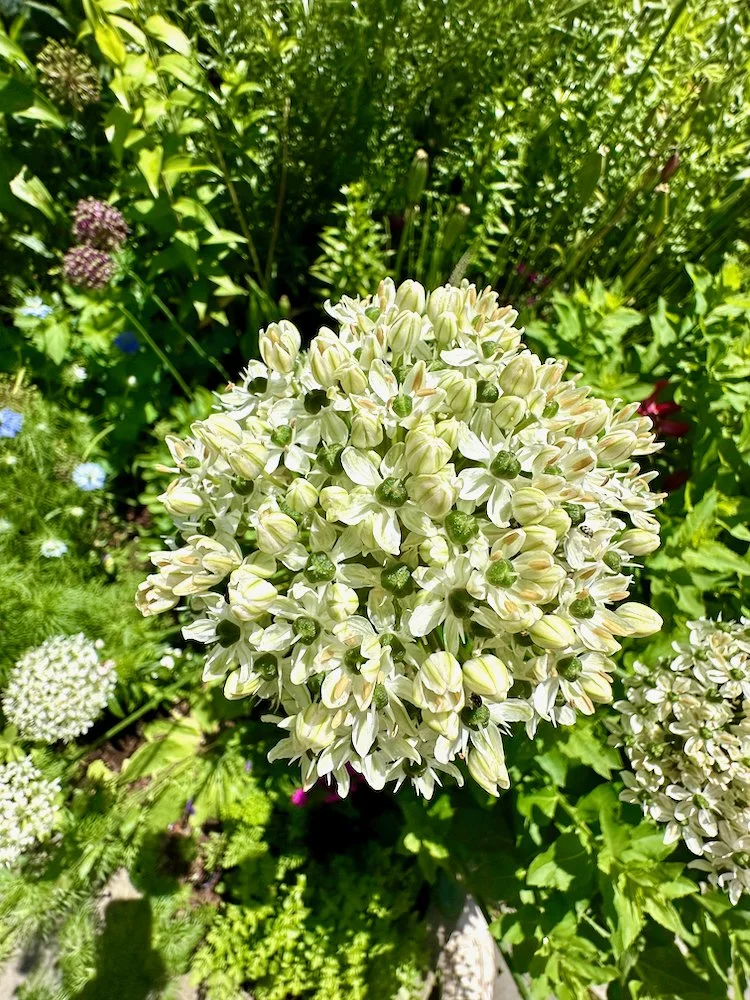
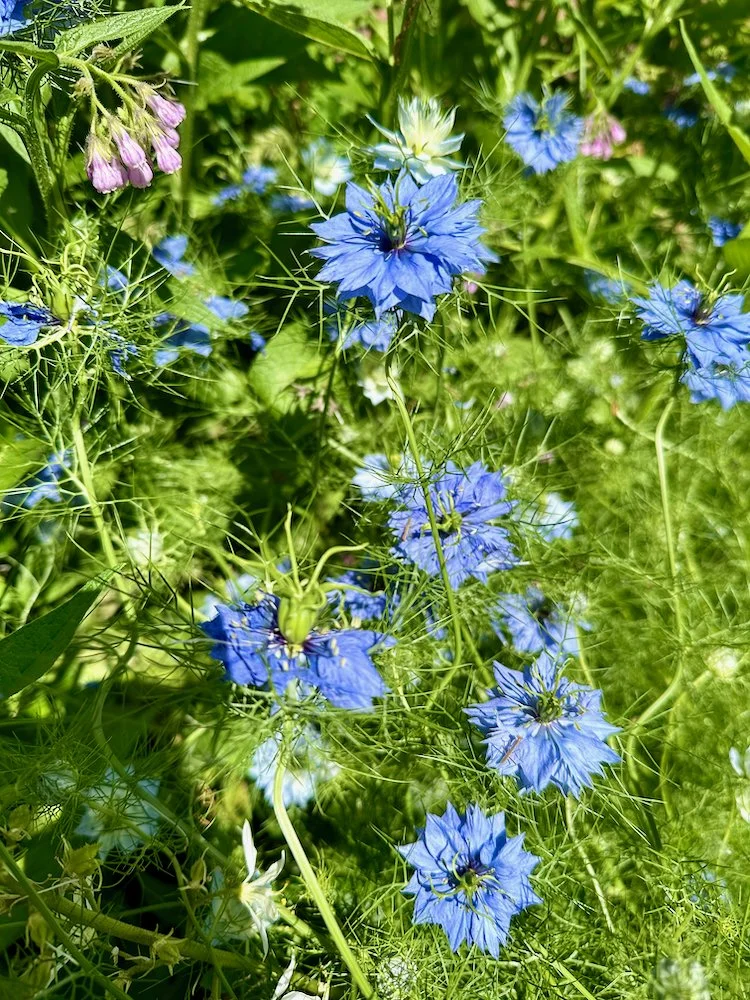
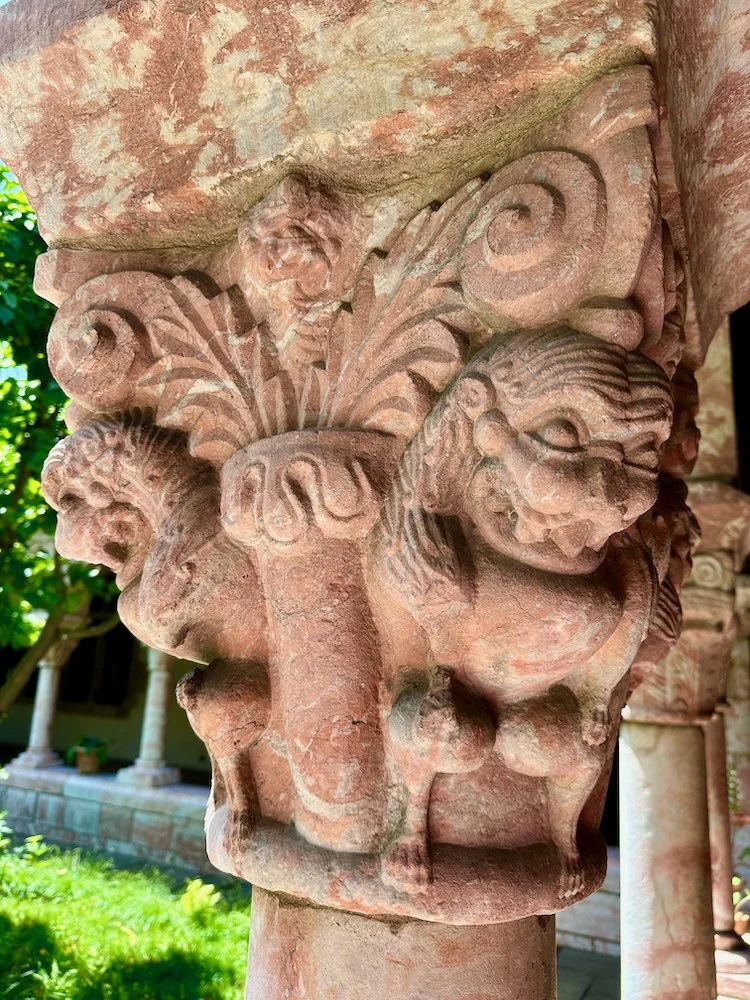
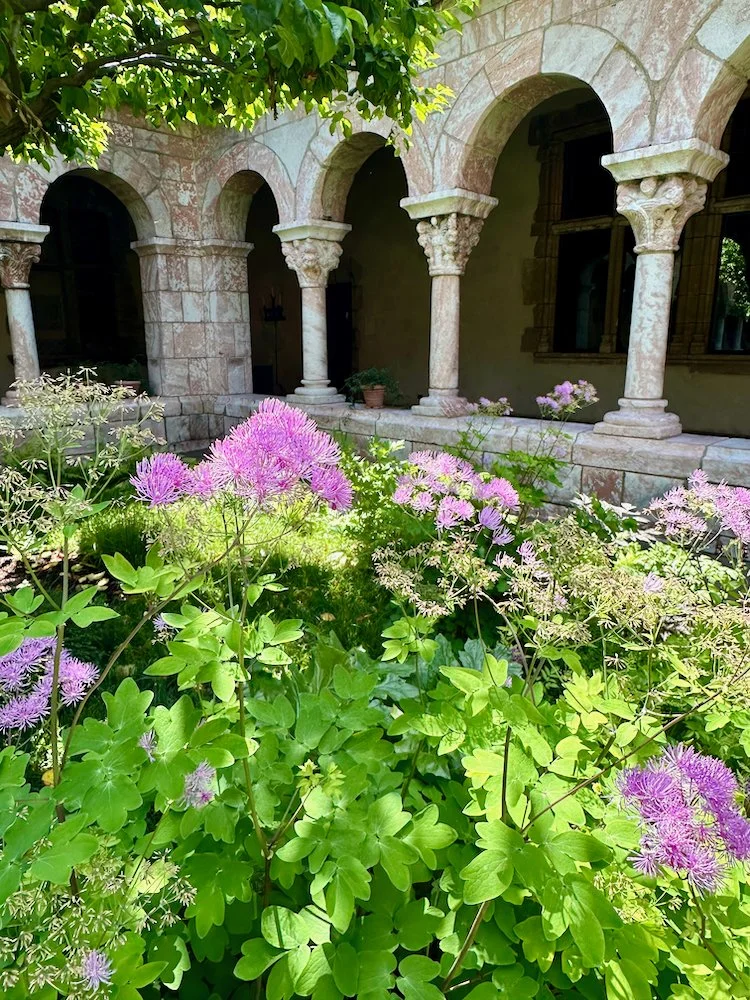
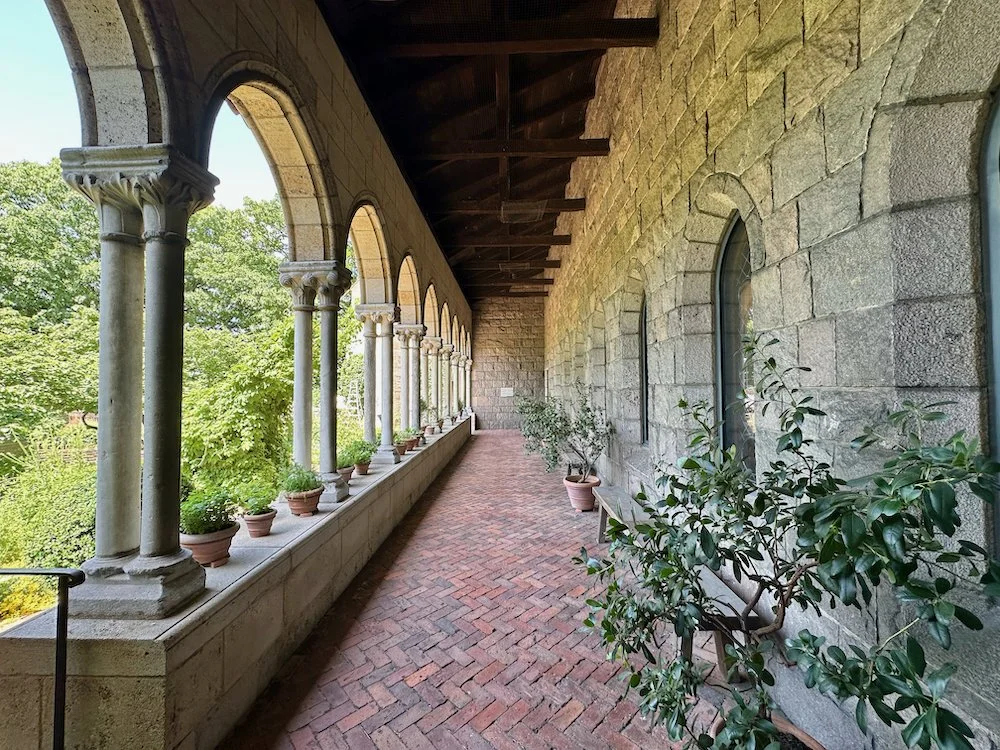
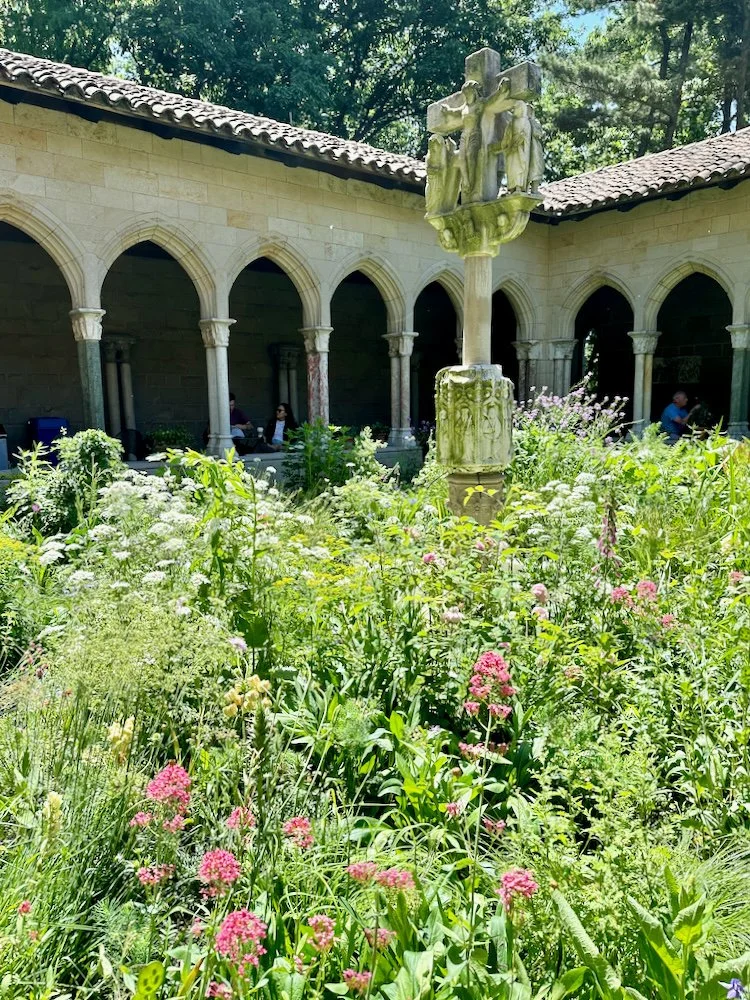
The Romanesque Cuxa Cloister was originally part of a 12th-century Benedictine monastery in the northeast Pyrenees. Its columns and octagonal fountain are carved from a mottled pink-and-white marble found in Languedoc. The Judy Black Garden within this cloister is divided into quadrants by crossed paths. Each quadrant features a grass plot with a pollarded apple tree bordered by ornamental flowers and herbs that add beauty and fragrance. Medieval plants are supplemented with modern varieties to provide a long season of bloom, beginning with early crocuses and snowdrops, followed by columbines, pinks, bellflowers, foxgloves, daisies, poppies, and many other flowers that bloom until late fall. In winter the arcades are glassed in, and the interior walkways are filled with pots of citrus, jasmine, rosemary, and bay.
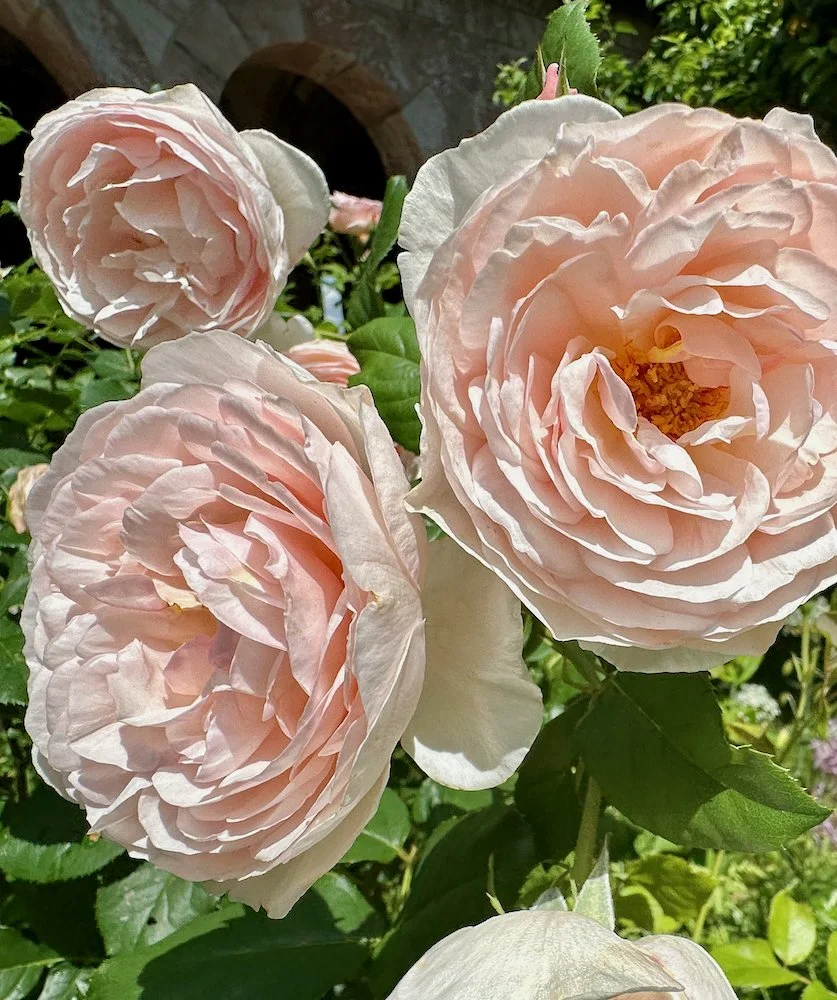
The Gothic Bonnefont Cloister comes from a Cistercian abbey in southwest France and dates back to 1300. This is a medieval herb garden with garden beds arranged symmetrically around a 15th-century Venetian wellhead. It features more than 400 species of plants and herbs used in the Middle Ages. Some were grown in gardens while others were collected from the wild or imported in dried form.
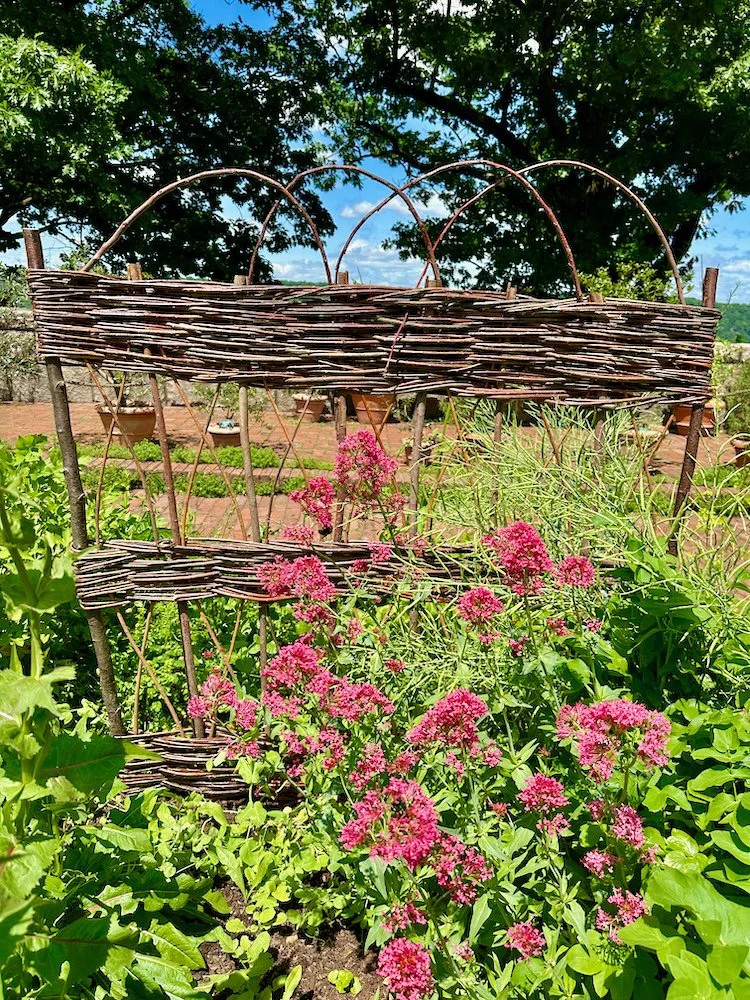
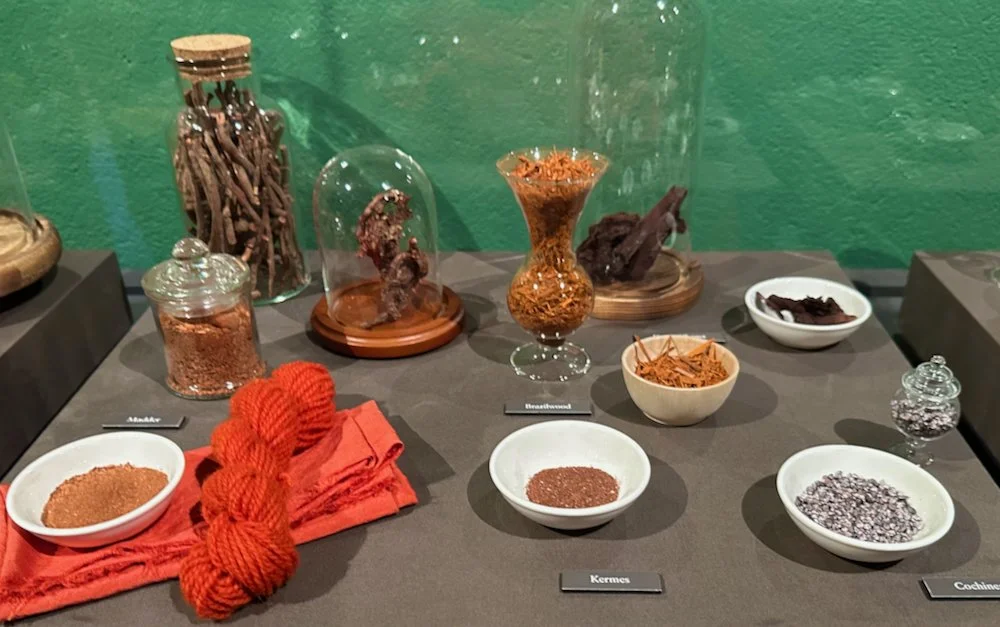
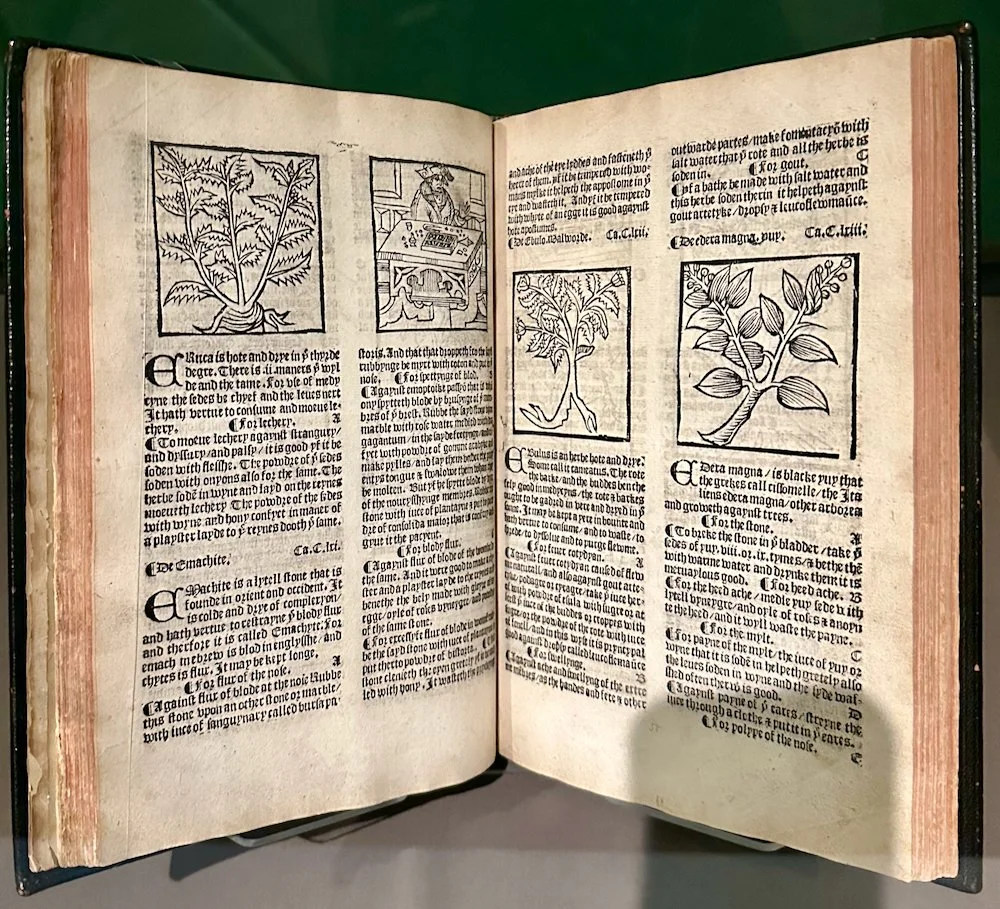
Plants are grown in raised beds enclosed with wattle fences and grouped according to their medieval use: cooking, medicine, art, industry, housekeeping, love, fertility, and magic. Tender plants such as turmeric, ginger, frankincense, and cardamom are grown in terra-cotta pots that can be moved inside in winter. Adjacent to the Bonnefont Garden is an orchard of lady apples and other medieval fruits such as medlar, quince, currants, and elderberries. The trees are underplanted with a meadow of spring bulbs and colorful summer flowers and herbs.
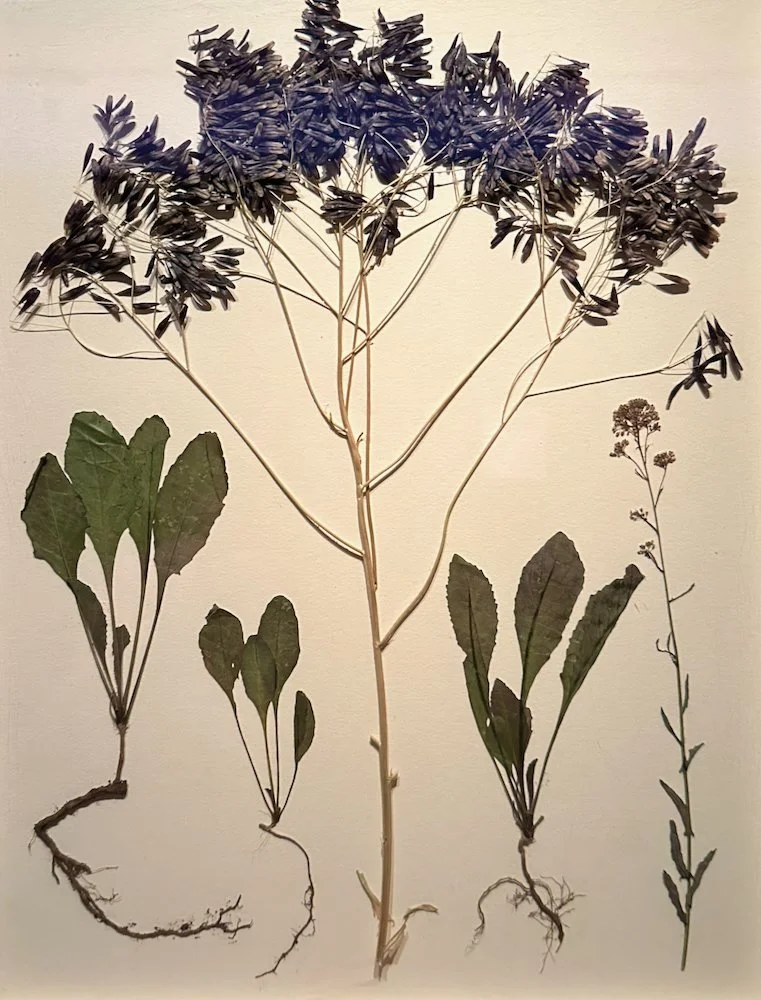
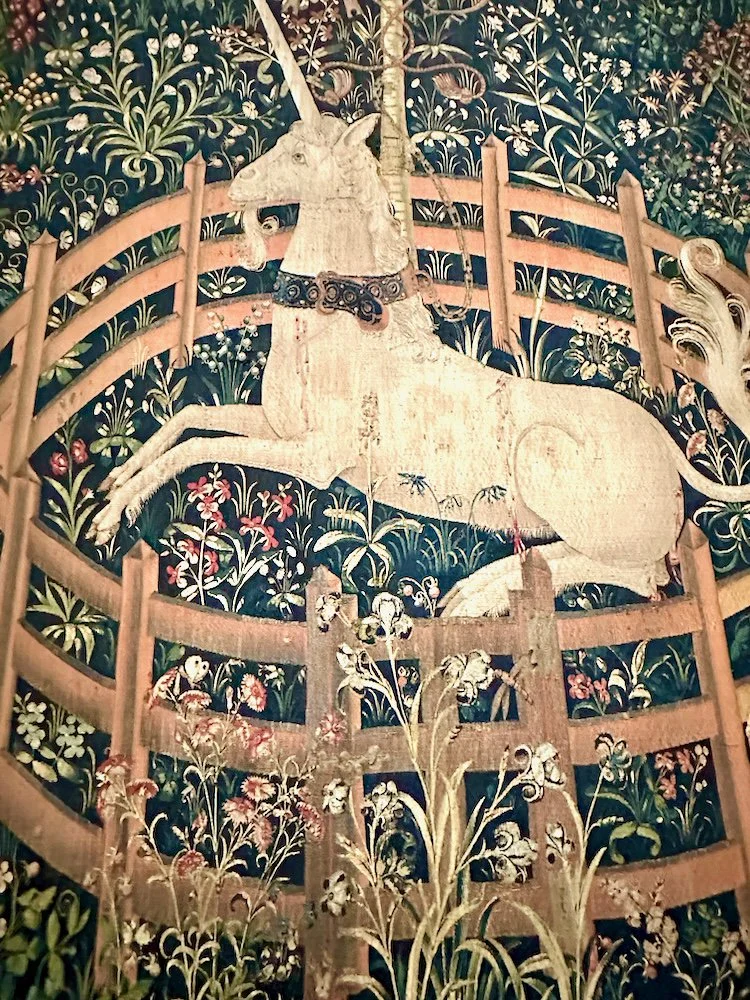
The Gothic Trie Cloister is from the Trie-en-Bigorre region of southwest France. It dates to the late 15th century, and its exuberant carvings portray biblical scenes and saints’ legends as well as grotesques and coats of arms. Of The Cloister’s three gardens, this one is the most informal. It is a colorful fantasy garden of flowers and fruits based on the Unicorn Tapestries. It features more than 50 species of plants found in the famous tapestries, including many varieties of pinks, violets, primroses, bellflowers, and wild strawberries.
The Met Cloisters, 99 Margaret Corbin Rd., Fort Tryon Park, New York, NY metmuseum.org
A short mention of Met cloisters gardens helps readers follow the flow.
Met cloisters gardens comes up here to connect ideas for clarity.
















Also — This brightened my day — thank you for sharing. Will try it.
🌿 On a similar note – So helpful — clear and practical, much appreciated. Thanks for this!