
Hi GPODers!
Winter can feel its heaviest as January begins to winds down. The excitement of the new year has settled and spring still feels painfully far away. If you’re not starting seeds or playing with houseplants, it can be hard to stay connected to your gardening practice. This can be especially true if your garden is completely buried in snow, like Susan Warde in St. Paul, Minnesota (Zone 4b – 5a). Susan is a frequent contributor to the blog, and has shared many gorgeous garden highlights over the years (Last Year’s Gardening Season at the 45th Parallel, Color Coordinating in Susan’s Front Garden, Season’s End in Susan’s Garden, The Summer That Was at the 45th Parallel, Gardening Side by Side, and more). Although her glorious designs are interrupted by harsh Minnesota winters, there is still an immense amount of color to enjoy from the first spring blooms to the last fall foliage.
It’s 5°F and we’re buried in snow. It’s not too soon to look ahead but the garden in 2026 seems impossibly far away, so here are some photos of the 2025 season.
April 23: The scilla are starting to fade but tarda tulips (Tulipa tarda, Zones 3–8), small but mighty, brighten the garden.
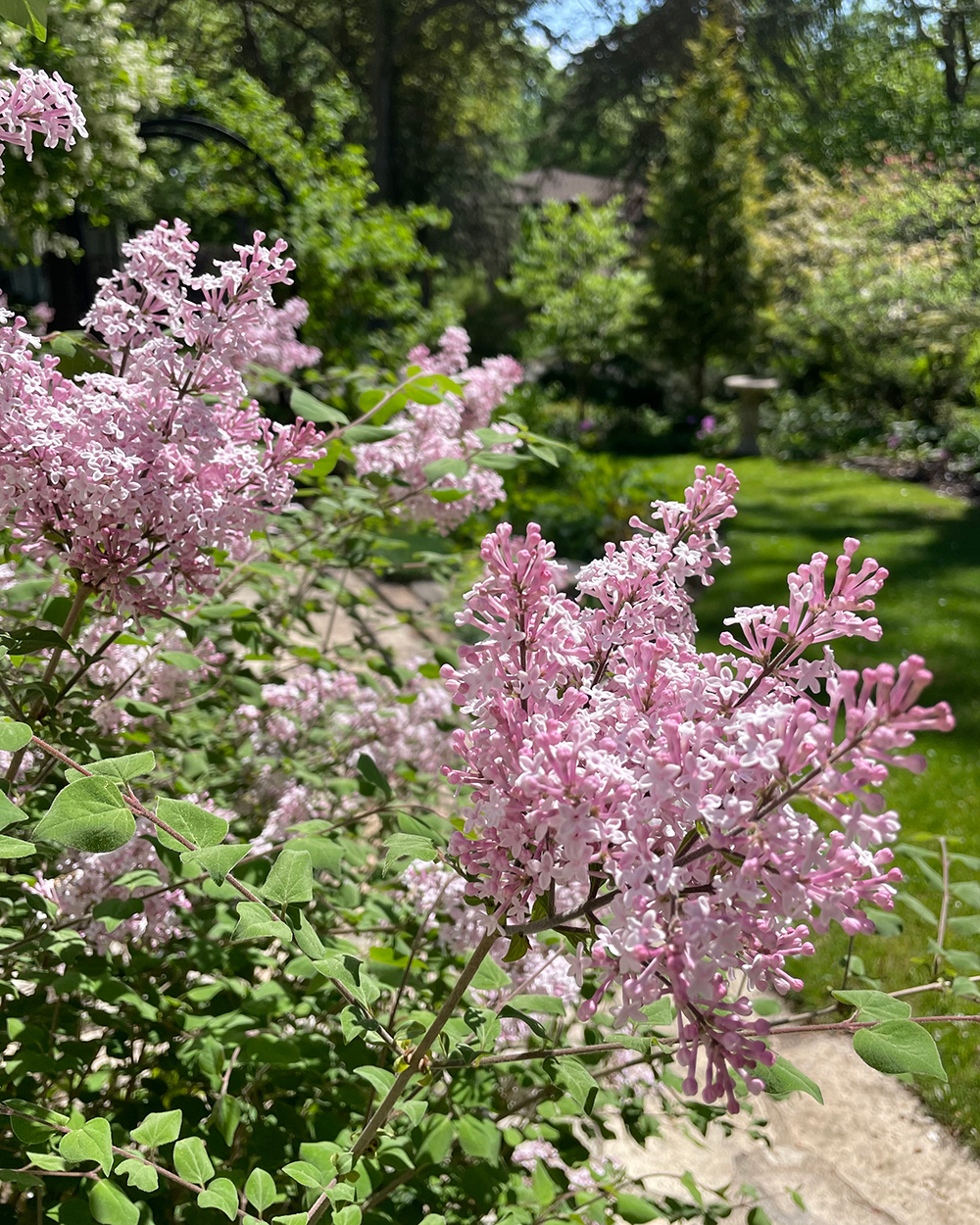 May 14: These ‘Josee’ lilacs (Syringa ‘Josee’, Zones 5–8) are in their full glory in the spring, but for the first time this year there was significant reblooming in late summer.
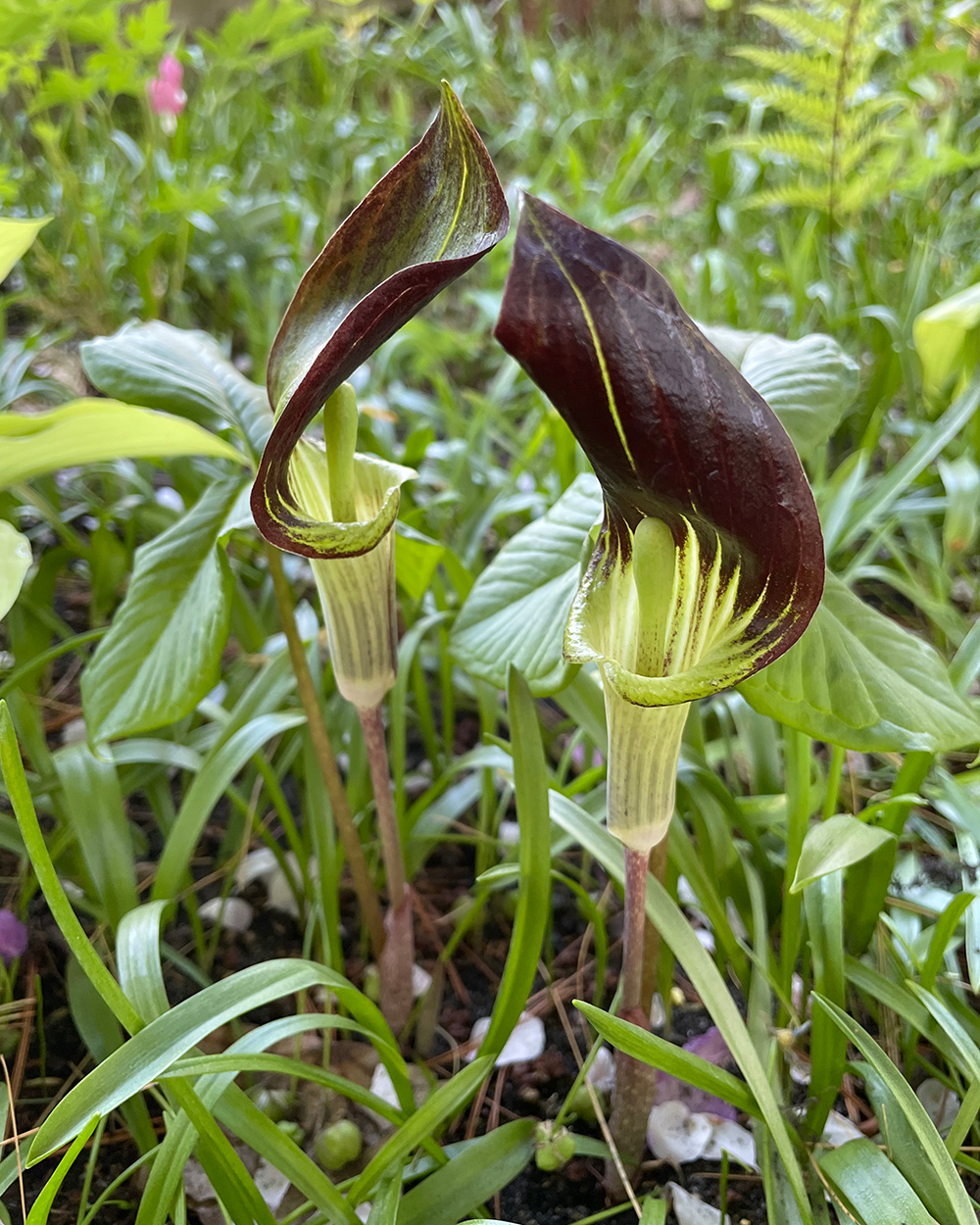 May 14: Jack-in-the-pulpits (Arisaema triphyllum, Zones 3–9) don’t make much of an impact, but I love this photo of a pair conversing, the left one whispering in the other’s ear.
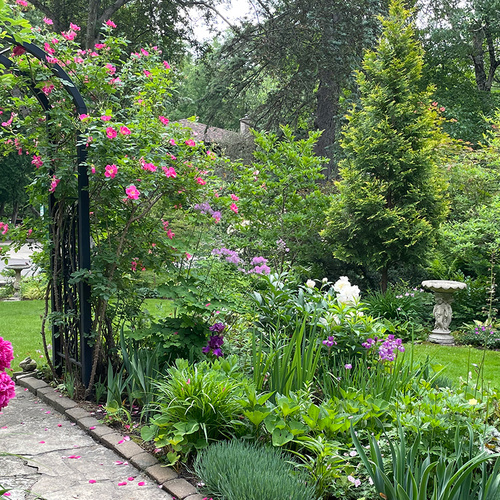
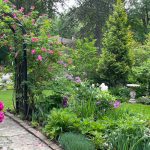
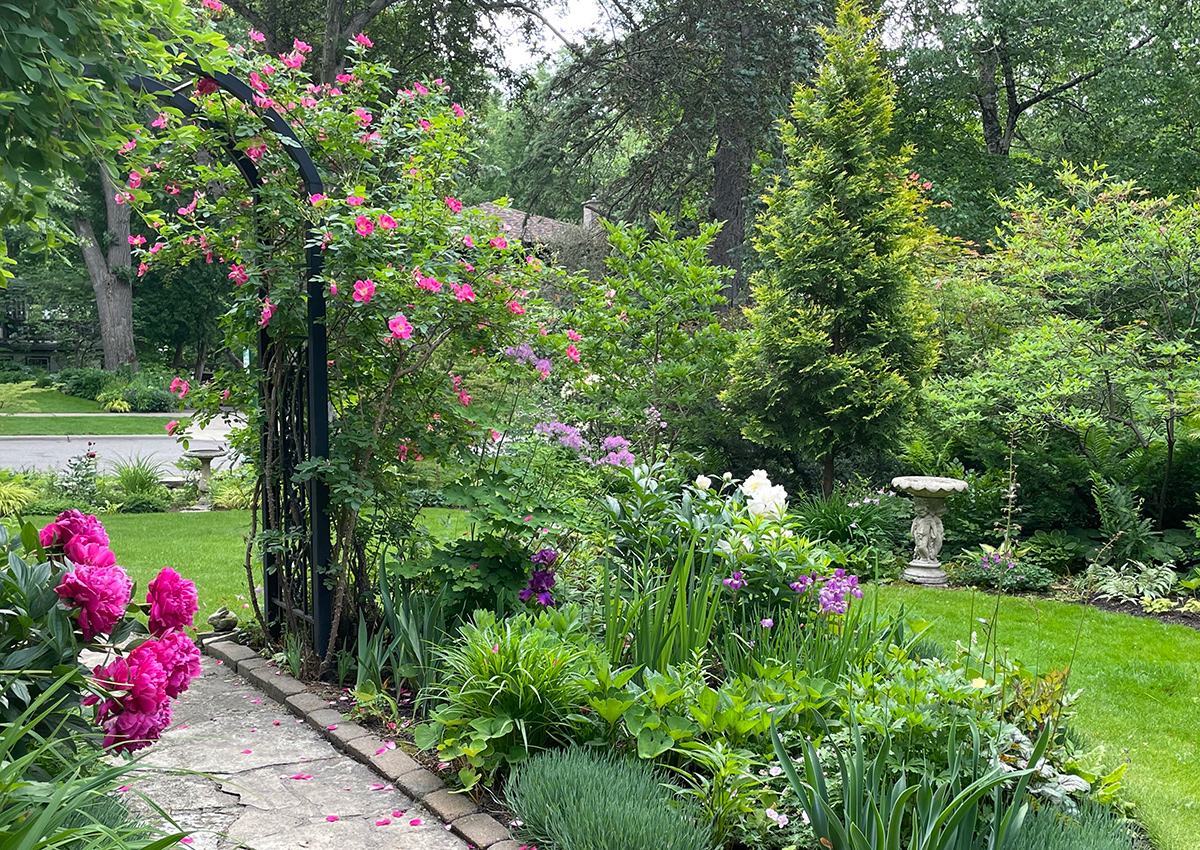 June 6: The climbing rose is ‘William Baffin’ (Rosa ‘William Baffin’, Zones 3–9). It flowers heavily in June, but this past year it had a handful of blossoms in bloom all season long. The bright pink peonies are ‘Kansas’ (Paeonia lactiflora ‘Kansas’, Zones 4–8), the white ones are ‘Honey Gold’ (P. lactiflora ‘Honey Gold’, Zones 3–8). A few purple irises are also visible in this photo.
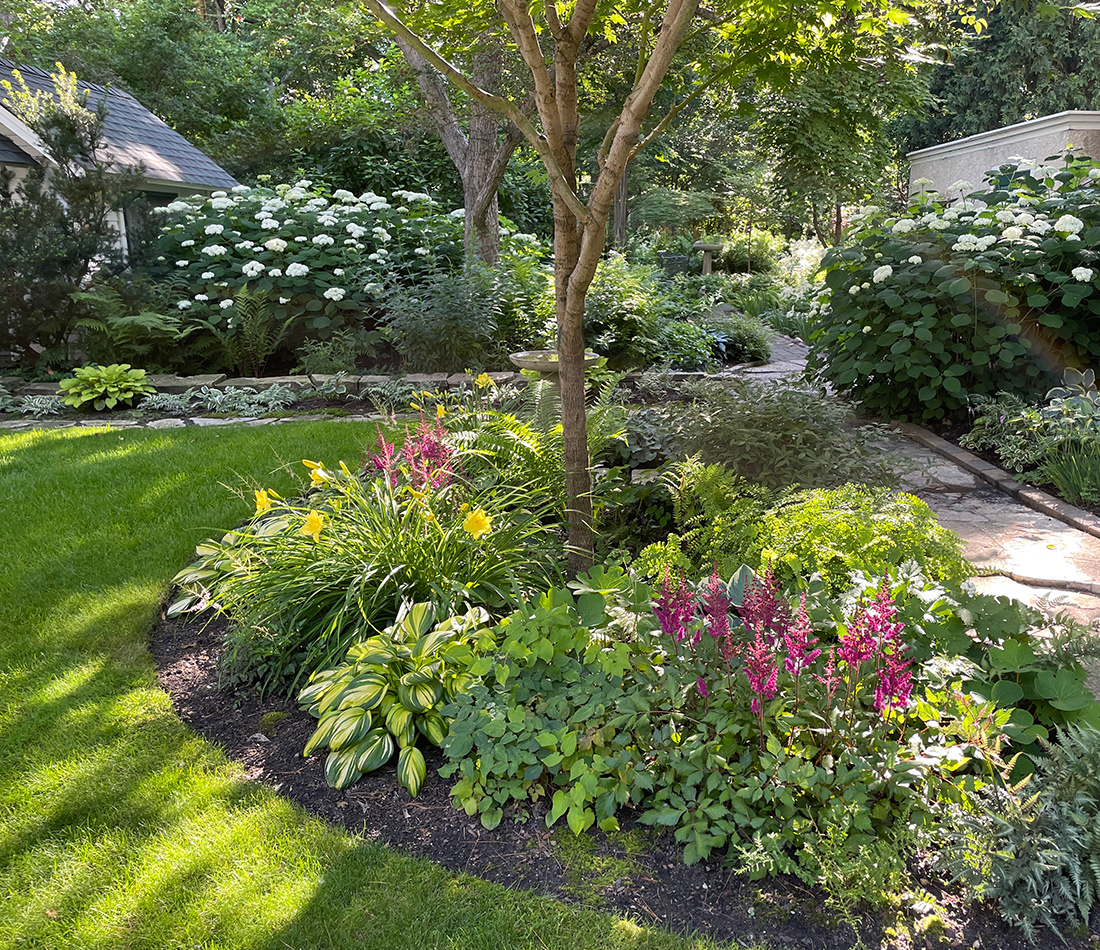 July 1: Side garden, looking towards the back. ‘Vision in Red’ astilbe (Astilbe chinensis ‘Vision in Red’, Zones 3–8), ‘Happy Returns’ daylilies (Hemerocallis ‘Happy Returns’, Zones 3–9), and ‘Annabelle’ hydrangeas (Hydrangea arborescens ‘Annabelle’, Zones 3–9) in the background.
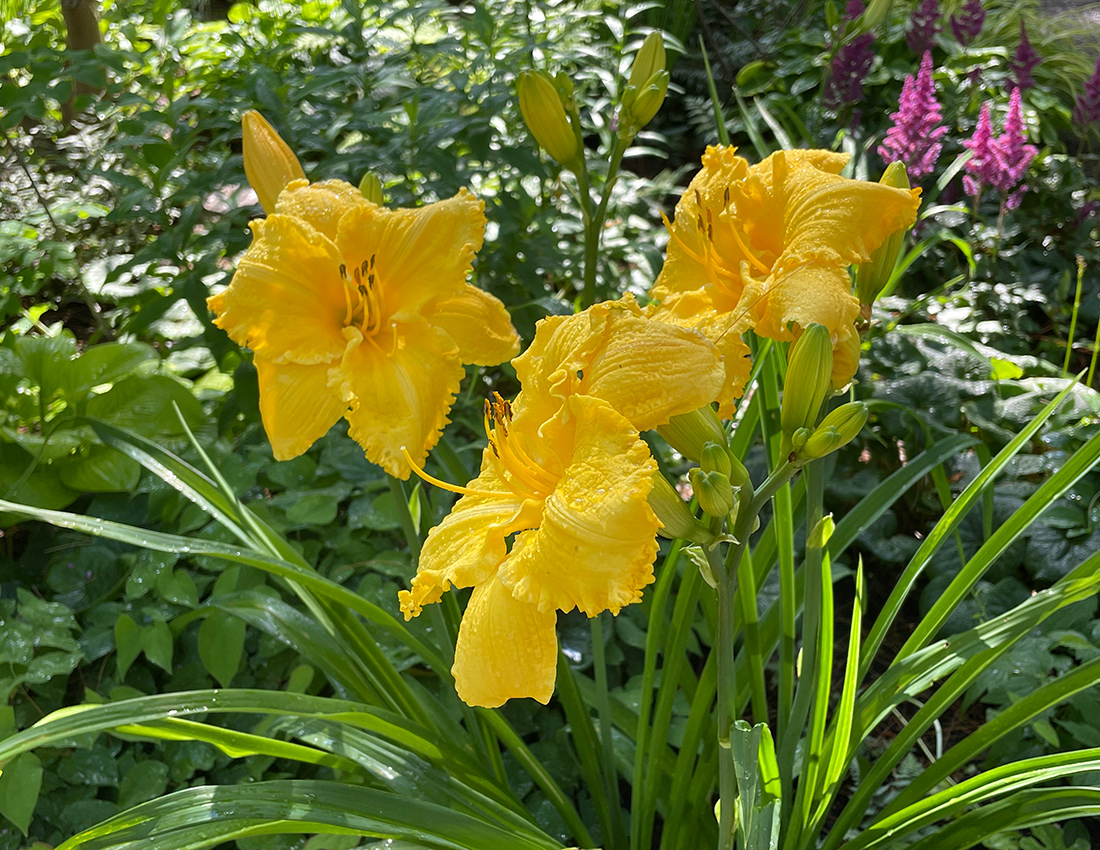 July 8: ‘Erin Lea’ daylilies (Hemerocallis ‘Erin Lea’, Zones 3–9), with ‘Vision in Red’ astilbes in the background. I have 10 varieties of daylilies, which flower over a long period of time. I deadhead daily, and this year I counted the spent blooms as I picked them off (weird, I know): 1,420!
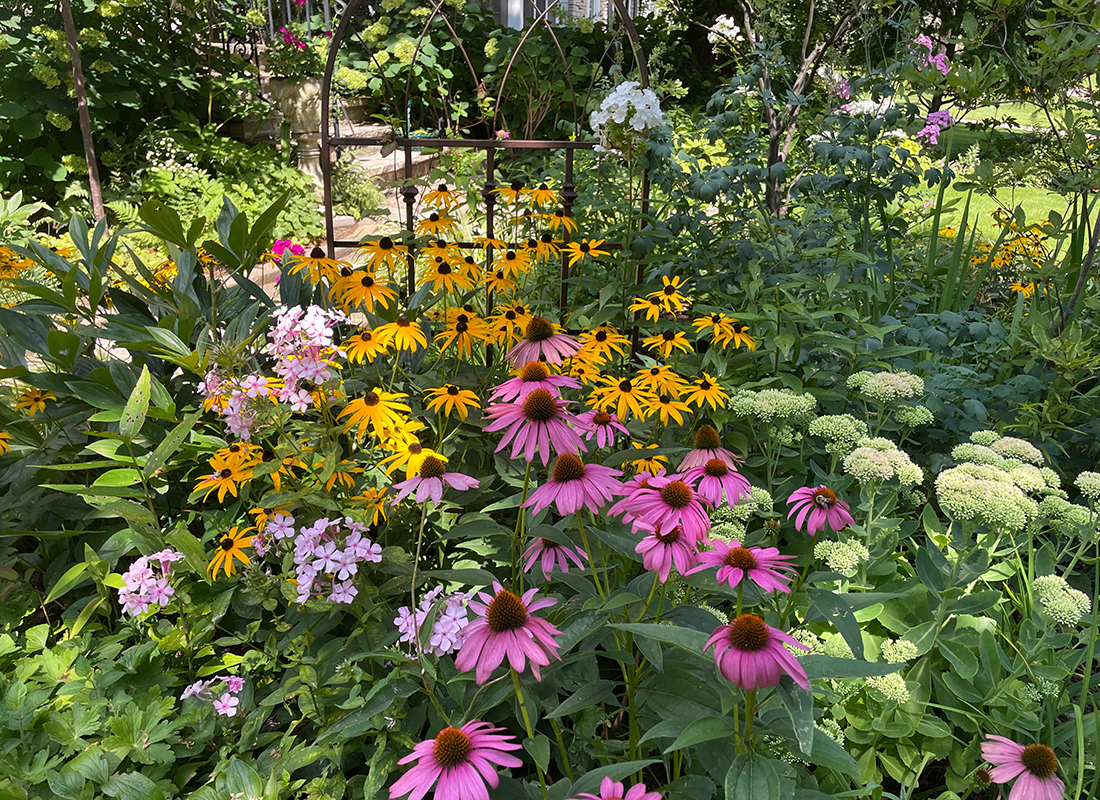 August 21: Although the August garden is always colorful, it begins to look a bit tired, especially since I don’t grow any annuals. Here are the usual suspects: rudbeckia, echinacea, phlox, ‘Autumn Joy’ sedum (Hylotelephium spectabile ‘Autumn Joy’, Zones 3–10) is just starting to show a slight blush.
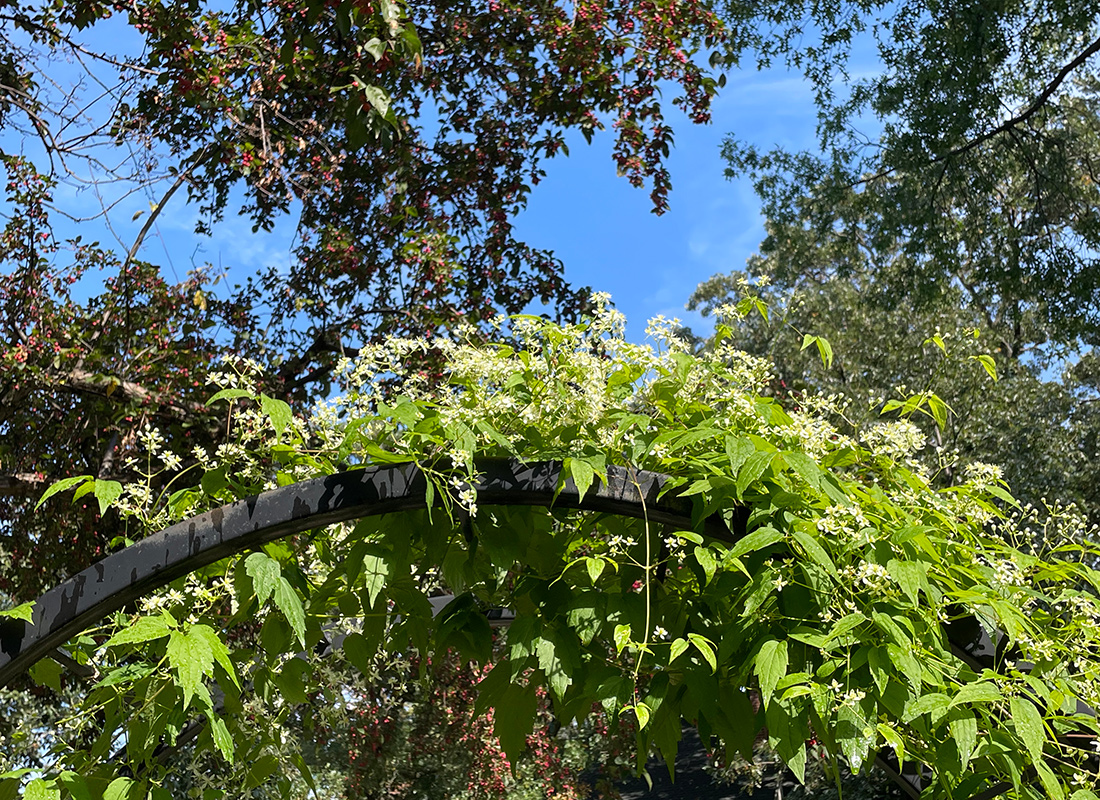 September 14: I’ve tried for years to grow something on the front arbor. A ‘Blue Moon’ wisteria (Wisteria macrostachya ‘Blue Moon’, Zones 4–9) went rampant: it needed a haircut every two weeks, and there wasn’t enough sun for it to produce many flower clusters. Hardy kiwi (Actinidia arguta, Zones 3–8) also proved too aggressive, and the various clematis I tried were gangly and feeble. In 2024 I acquired a small pot of ‘Anita’ clematis (Clematis ‘Anita’, Zones 3–9); it grew enough to not look pathetic. This year it was covered with tiny blooms. Unfortunately they only lasted a week and produced no seedbeds, but even so I was delighted that there was finally greenery covering the arbor.
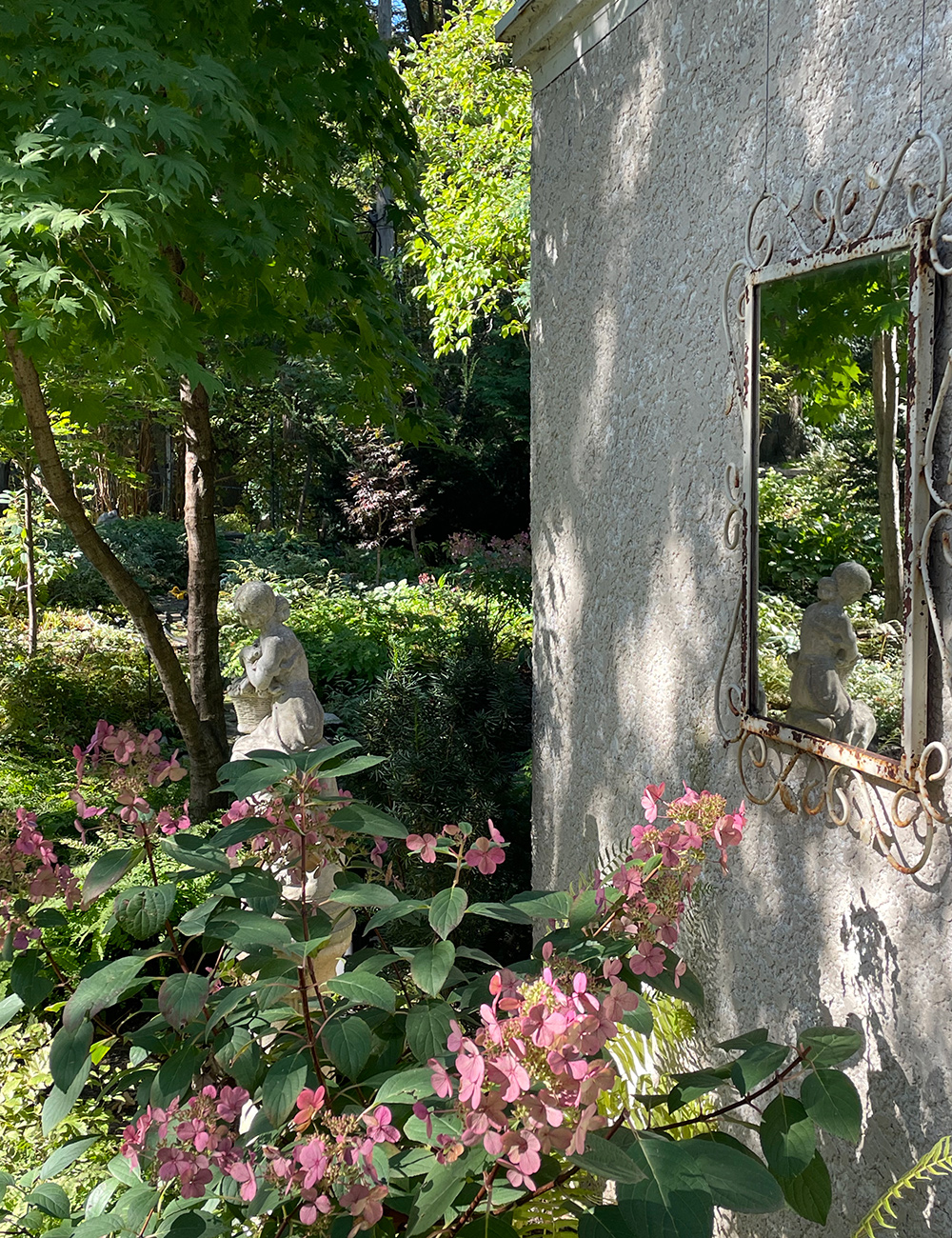 October 10: The “garage garden” with a glimpse of the back yard (where one can just make out yet another ‘Emperor 1’ Japanese maple (Acer palmatum ‘Wolff’, Zones 5–8) that I’m trying—my very last one, I swear). The pink blooms in the front are Little Quick Fire® hydrangea (Hydrangea paniculata ‘SMHPLQF’, Zones 3–9).
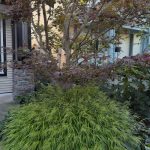
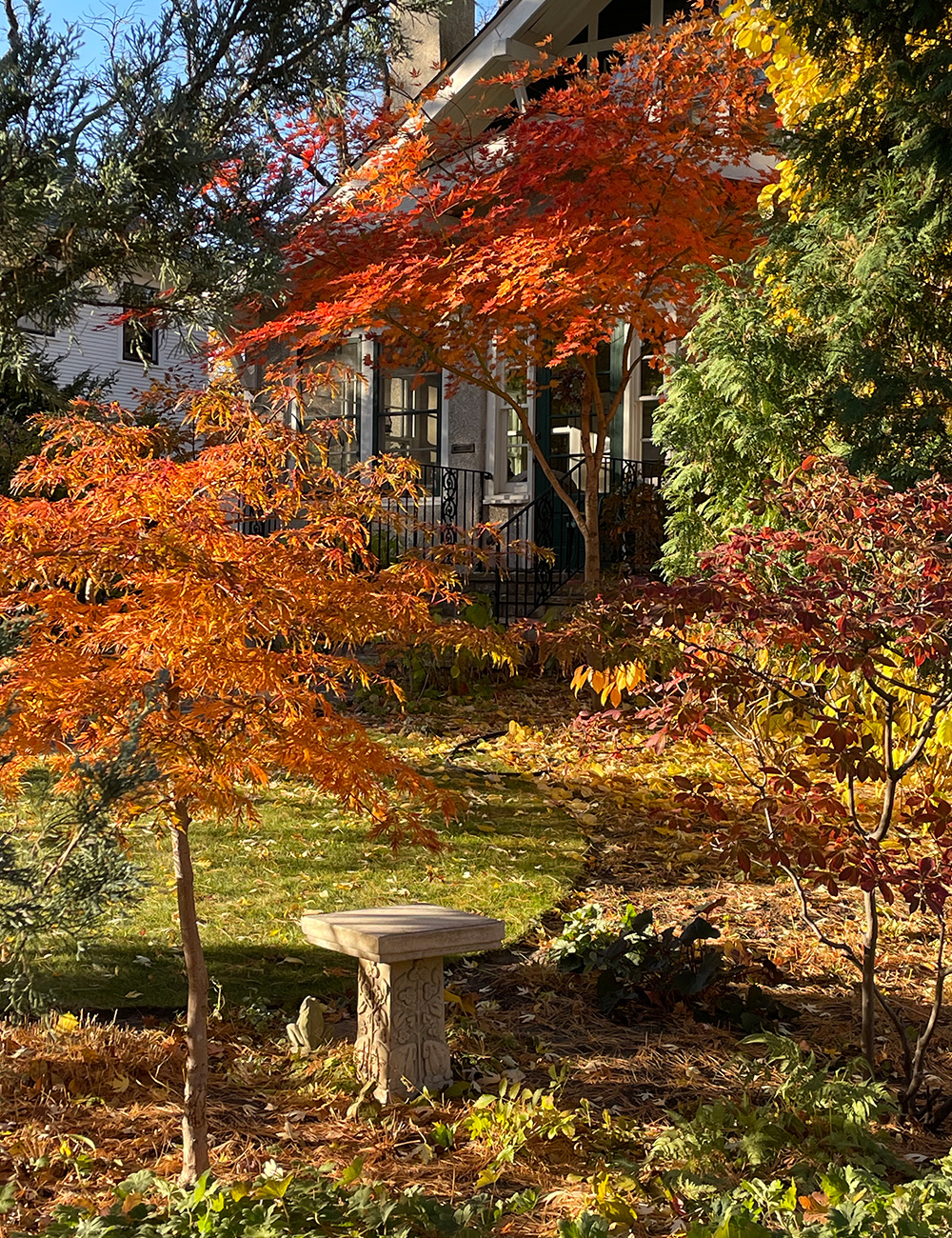 November 5: End of the season; the birdbath tops have already been flipped for winter. The small maple on the left is Ice Dragon® Japanese maple (Acer x pseudosieboldianum ‘IsliD’, Zones 4–7). This and the larger one by the house—’North Wind’ (A. x pseudosieboldianum ‘IslNW’, Zones 4–7)—are Korean-Japanese maple hybrids, dependably hardy in my zone. The bright yellow leaves in the upper right is a climbing hydrangea (Hydrangea petiolaris, Zones 4–8).
Thank you so much for sharing these gorgeous 2025 garden highlights with us, Susan! It’s always a pleasure to see the updates you have make and the plants you have added to your lively landscape.
How was your 2025 growing season? From bright spring bulbs to blazing fall foliage, we would love to see the garden scenes that made your heart scream last year. Follow the NEW directions below to submit your photos to Garden Photo of the Day!
We want to see YOUR garden!
Have photos to share? We’d love to see your garden, a particular collection of plants you love, or a wonderful garden you had the chance to visit!
To submit, fill out the Garden Photo of the Day Submission Form.
You can also send 5–10 photos to [email protected] along with some information about the plants in the pictures and where you took the photos. We’d love to hear where you are located, how long you’ve been gardening, successes you are proud of, failures you learned from, hopes for the future, favorite plants, or funny stories from your garden.
Do you receive the GPOD by email yet? Sign up here
Fine Gardening Recommended Products
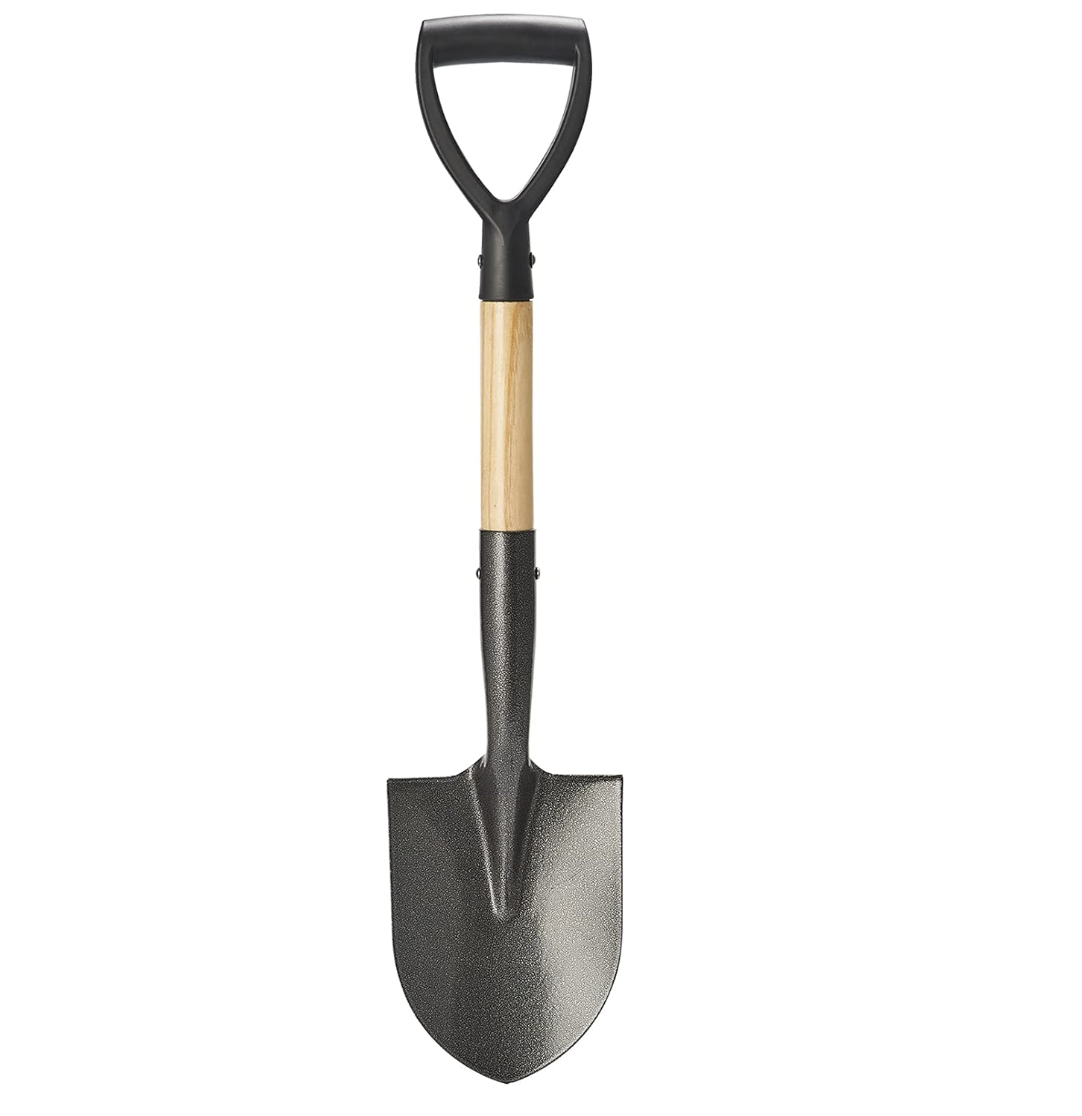
Corona® Multi-Purpose Metal Mini Garden Shovel
Fine Gardening receives a commission for items purchased through links on this site, including Amazon Associates and other affiliate advertising programs.
Longer Service Life: The blade of this round small shovel is made of carbon steel, which can effectively improve the hardness by high temperature quenching, and the surface has anti-rust coating to avoid rusting. In the process of use when encountering hard objects will not bend and deformation.
Sturdy Structure: The small garden shovel with D-handle, ergonomically designed grip can increase the grip of the hand when using, the handle is made of strong fiberglass, will not bend and break under heavy pressure. Quick Digging: Well-made digging shovel has a sharp blade, and the round shovel head is designed to easily penetrate the soil and cut quickly while digging to enhance your work efficiency.
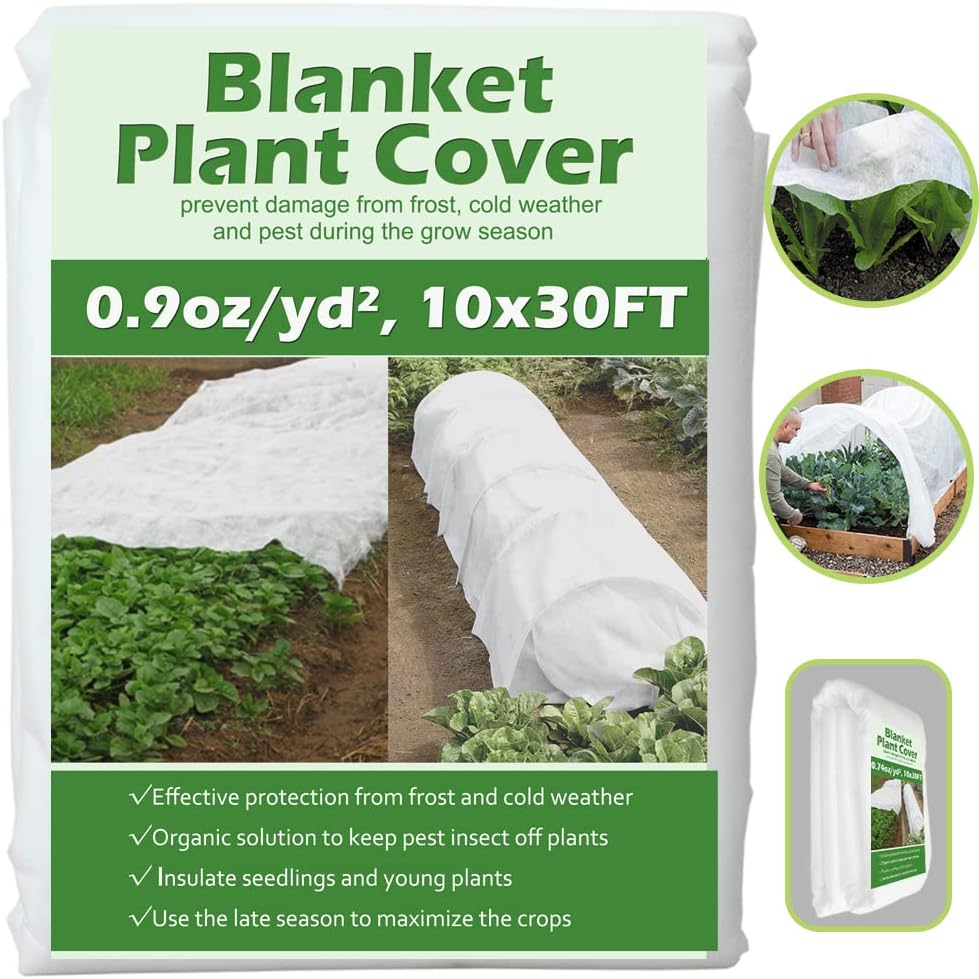
Plant Covers Freeze Protection 10 ft x 30 ft Floating Row Cover 0.9oz/yd²
Fine Gardening receives a commission for items purchased through links on this site, including Amazon Associates and other affiliate advertising programs.
Lightweight and Breathable MATERIAL Good for protecting Plant: the plant frost cover material is 0.74 oz/sq non-woven polypropylene fabric, which is lightweight, breathable, and durable. The plant blanket frost protection allows sunlight reach the plants, perfect for protecting plants from the damage of freeze or frost. Wide Application In your Garden Work. The plant row cover not only can work as a barrier against frost, but also can be a great tool for germination and good for rapid seedling growth. By using the fabric plant covers over your plant, you can start the plant earlier in the spring and extending the growing season of your plants. How to Use the Plant Covers: you can cover the plant covers for freeze over your the plants loosely directly and then secure the plant frost blanket with soil, stones or staples. You can also support the floating row covers with a hoop, make enough room for plants to breath and grow. You could also cut the plant covers into different sizes for different purposes.








Small note • Such a gentle approach — I really like it. Love this!
Also: I appreciate the point about “Susan’s 2025 Garden Year in Review” — very helpful. Thanks for this!
PS • I agree — that’s a helpful perspective.
PS • I agree — that’s a helpful perspective.