
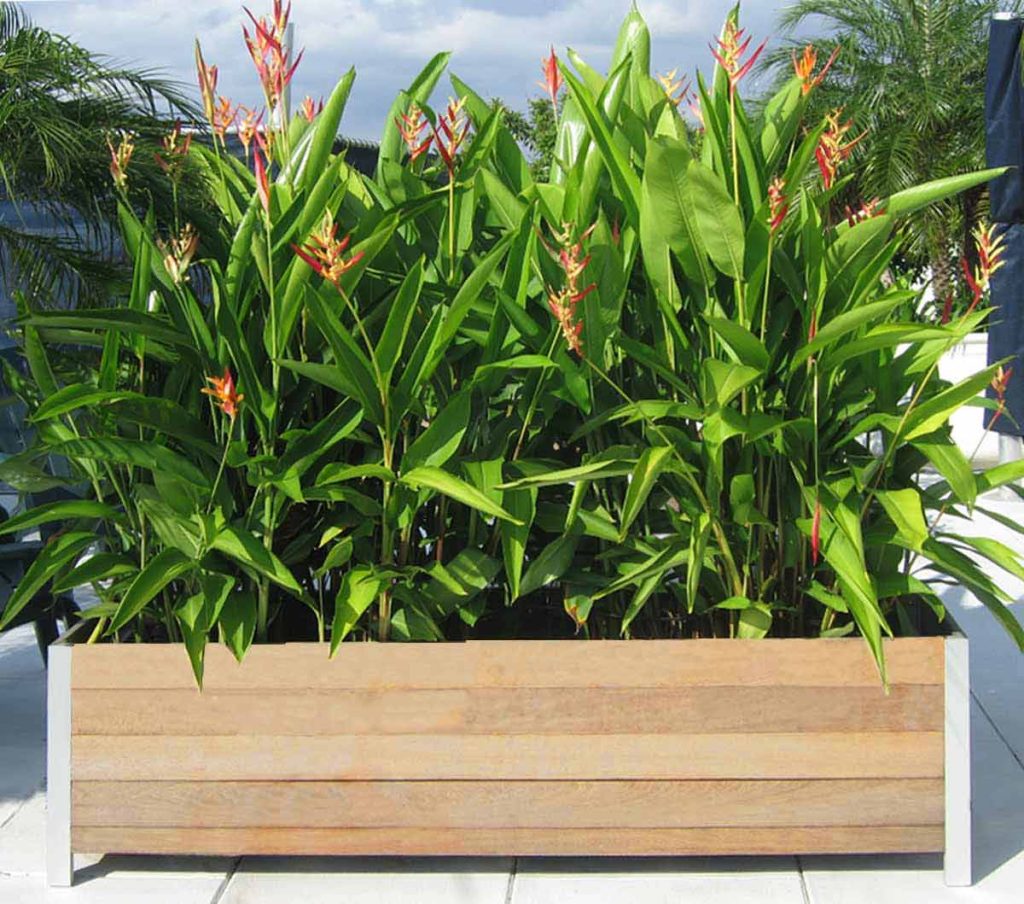
DeepStream Design’s rugged plastic planter liners make spring conditioning easy.
Conditioning planter liners — a quick note to anchor this piece for readers.
Conditioning planter liners: Quick notes
Perennial plants grown in planter liners have special needs. With spring here in Miami, I’ve noticed that it’s well past time to repot some of my smaller ornamental plants. Others plants like Clusia have very aggressive roots and liners need to be removed and roots trimmed every year.
Tools Needed:
You need to remove plants from their planter liners periodically to alleviate their root bound condition. This give you the opportunity to add fresh potting medium. You will also check that the liner is draining efficiently. DeepStream Designs rugged plastic liner is flared making this a easy with just a few tools: A long serrated knife, perhaps scissors, a tarp, a broom, and dust pan. Cut off the bottom third of the root system, then break up the root ball as much as possible.
Container Gardening Root Bound
Drainage:
I’m using rubber mulch this year in my drainage plan for ornamentals, but not in my herb or citrus garden planters. because it is lighter than pebbles or gravel used in traditional drainage plans. This makes it ideal to reduce the load on your balcony or rooftop if you don’t need the weight of gravel to keep your pots from tipping in high winds.
I use rubber mulch to fill the bottom of my pots and liners up to the level above the top of my drain, about 3”-4”, after I put in DeepStream’s drain pads (drain board, Bio-Barrier to prevent root blockage, and geo-fabric sandwich) in place over the drain hole and cover that with 4” of Paver Base (very coarse 2mm sand) or even rubber mulch in a pinch as I did this year.
Planting Medium
Your potting medium will depend on your climate and your plants, as well as the type of drainage and watering system you’re using. We use drip irrigation and mist sprayers on timers. In Miami where we can get 6″ of rain in 6 hours I use a fast-draining medium to which I add perlite and paver base to further increase drainage rates. You tailor your soil in dry climates by adding vermiculite to retain moisture .
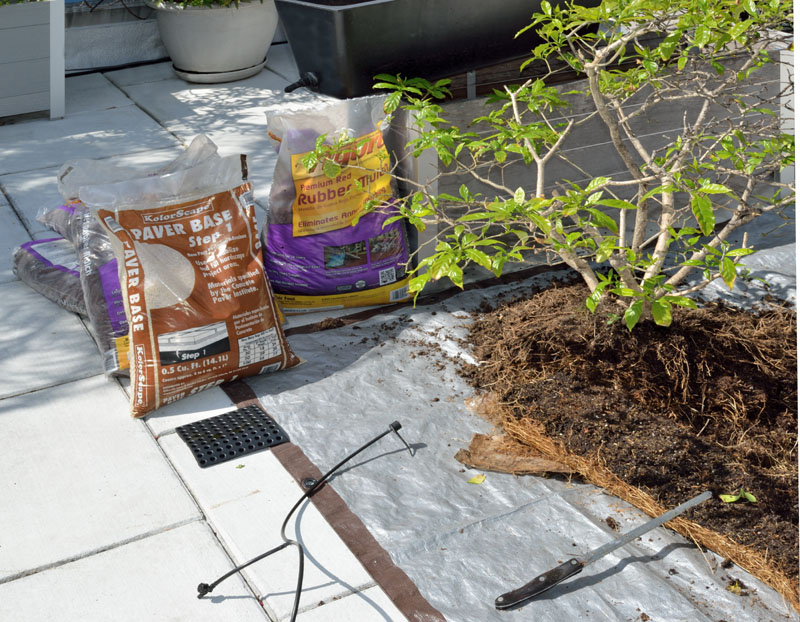 Container gardening requires a few simple repotting supplies. Don’t forget a tarp, broom, and dust pan.
Watering:
I installed micro valves on every planter liner so that I can adjust the rate of watering for each planter liner. Reduce the flow to the point that water does not seep out the drain except when it rains.
Click on the picture to go to DripWorks website to order all the parts you need to install drip irrigation. It’s a very informative and complete website, cost competitive, and their system are plug and play easy to install.
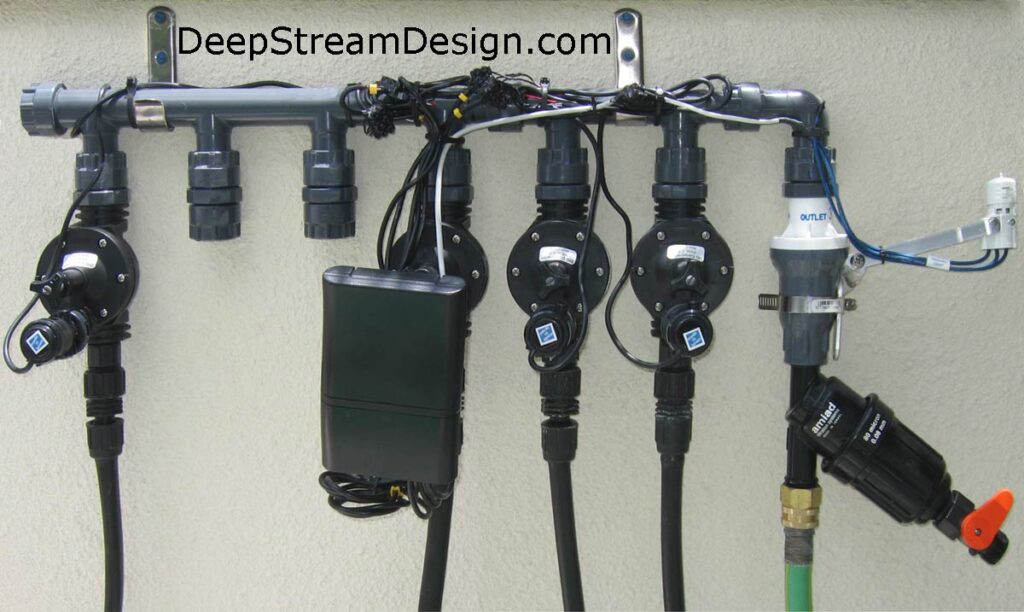 Automatic Drip Irrigation Manifold with Rain Sensor and 4 active zones.
Repotting large plants:
With the Clusia the the steps are almost identical.
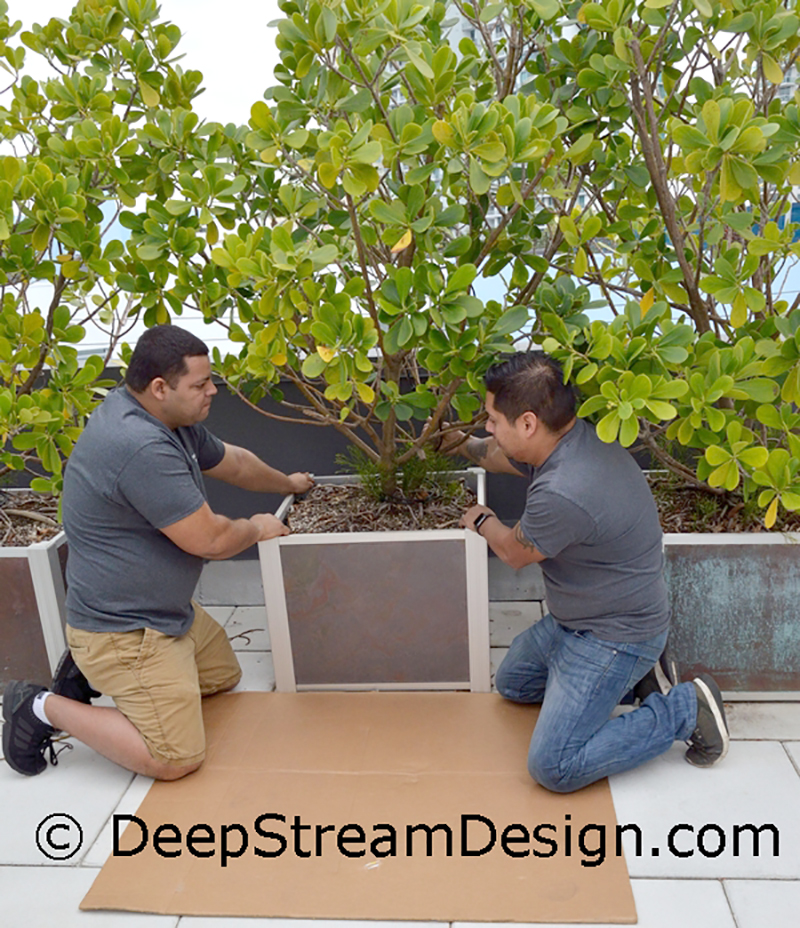 Lay the planter over on a padded surface and slide the liner out.
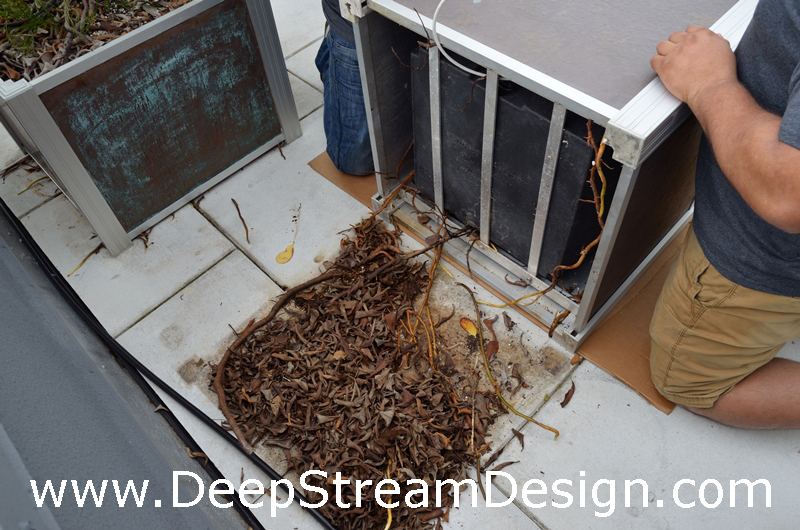 Remove roots growing over the sides of the planter liner if the liner won’t slide out
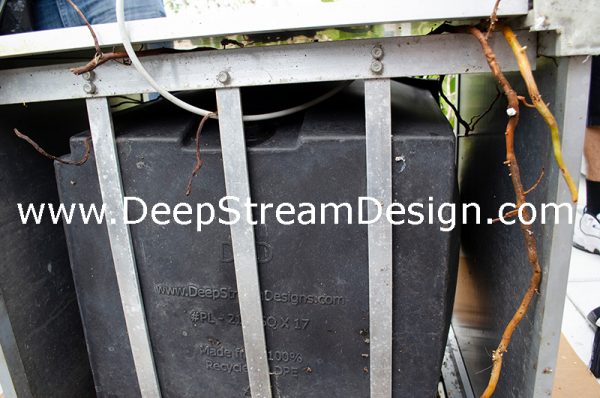 The planter, planter liner, and planter drainage design all play an important role in planting maintenance and root trimming.
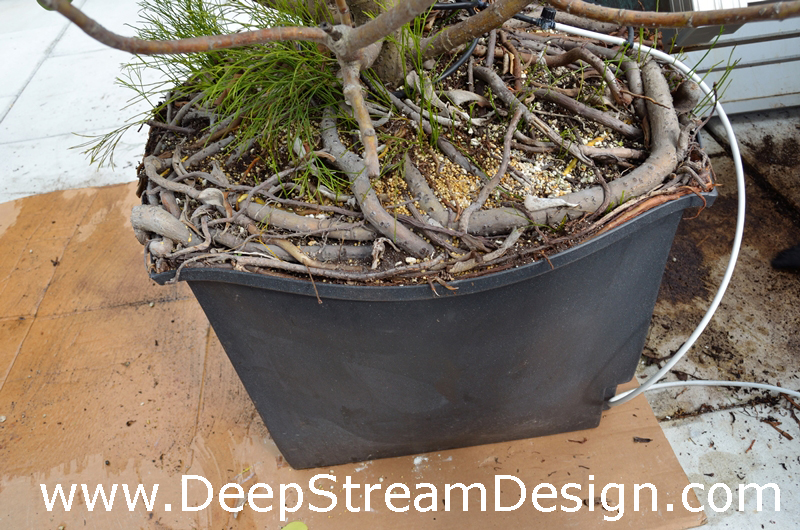 A bulging planter liner indicates it’s time for root pruning, it’s roots like these Calusia that have torn apart large pre-columbian temples in Central and South America.
Removed the plant from the liner to trim the the larger roots easily, The tapered shape of DeepStream liners makes it easy to simply slide the root ball from the liner to trim and replant.
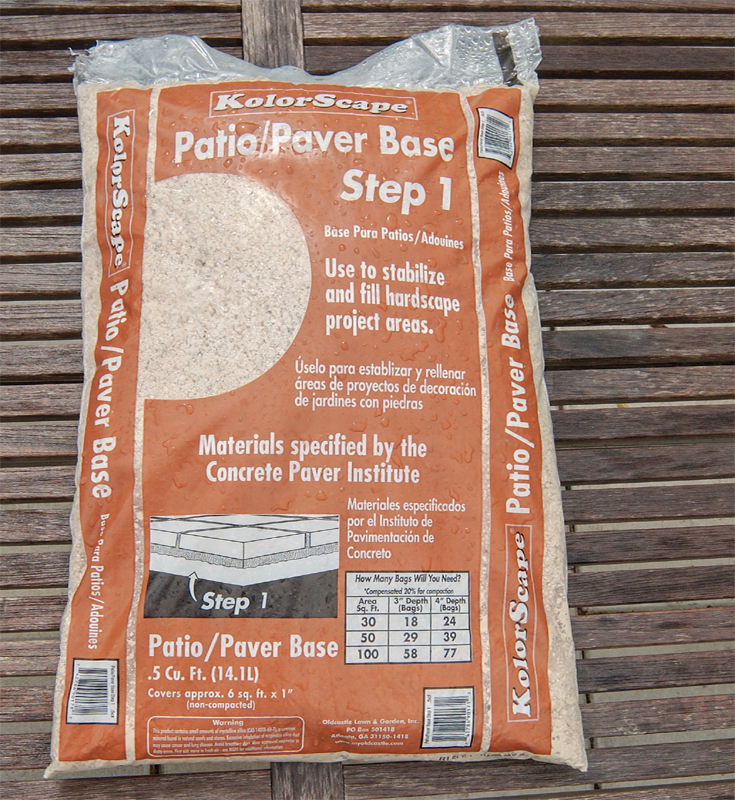 Paver Base, rubber mulch, or similar mediums slow water flow, improving planter drainage by allowing “fines” that can clog the drain to settled below the side drain.
Before repotting add a DeepStream’s 3 part-part planter drain pad with Bio-Barrier over the drain holes to aid in root blocking and to retain the planting medium and slow the flow of the water towards of the drain.
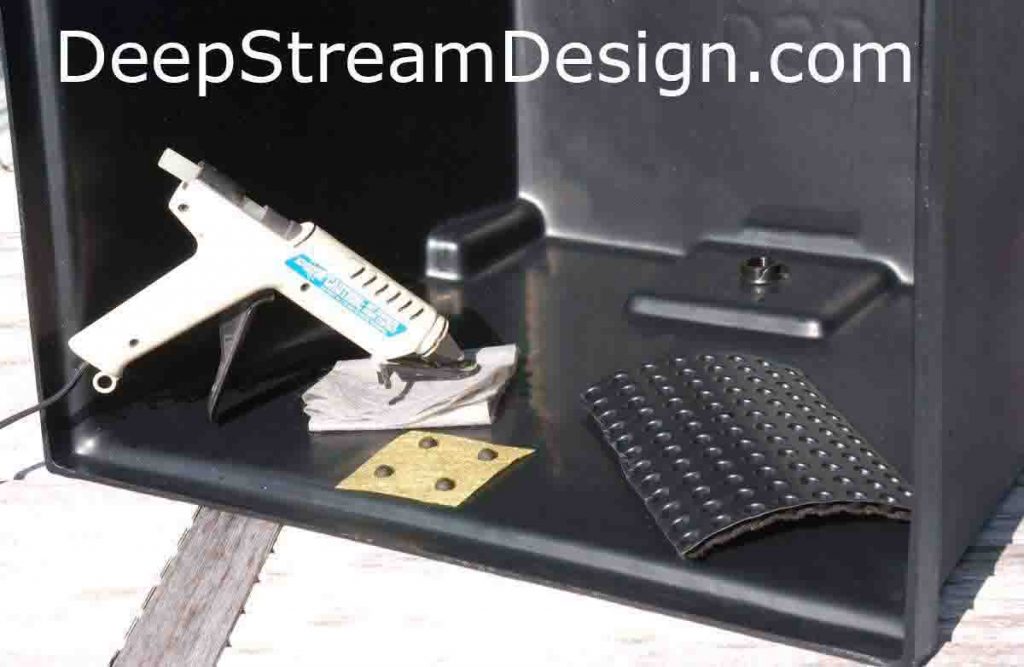 DeepStream Designs creates an advanced 3-layer drain pad out of drain board, filter fabric, and Biobarrier for you so all you have to do to maximize drainage is to place the pad over the DeepStream linner sidewall drain port and hold in place with the appropriate material to slow the flow of water to the drain.
Hold the drain pad in place over the hole, fabric side against the hole, with paver base or similar coarse medium, never sand, with out any clay in it. You can even use rubber mulch in a pinch.
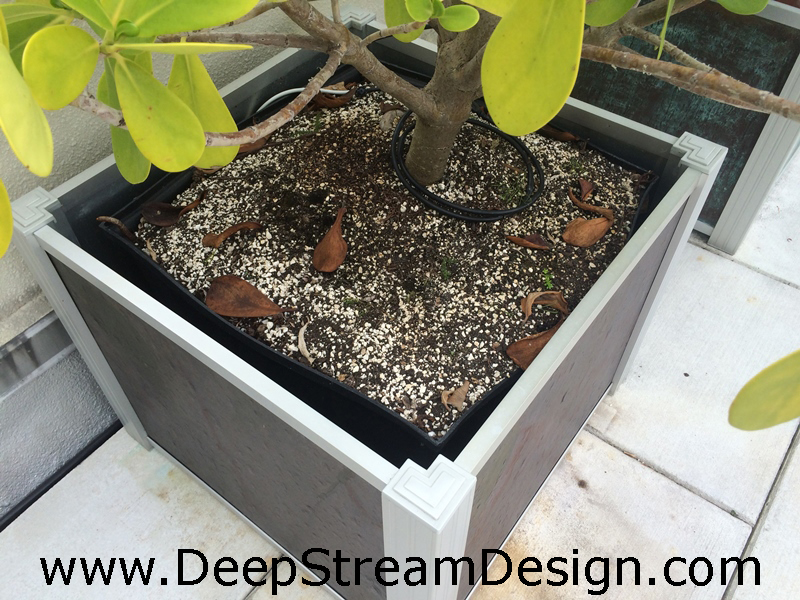 Planter Liner after root trimmed
With all the roots trimmed for the year your plant and planter liner shape should be restored for another year.
Selecting tapered planter liners with the drainage features your project requires will save you time, money, and effort. Read more specifics about Selecting-planter-liners and here is a video link showing how quick easy it can be to replant.
Happy gardening! Tom
We reference Conditioning planter liners briefly to keep the thread coherent.
Conditioning planter liners comes up here to connect ideas for clarity.













Oh, those Spring Conditioning Planter Liners are such a game-changer! Love how they keep soil in while still letting roots breathe—my plants look happier already 🌱.
Glad to hear your plants are thriving! The liners’ breathable design works wonders for root health and moisture balance. 🌿.
I love how these liners keep my pots vibrant and protected without the hassle—my home feels more alive with every planting season!
I tried those last season—the breathable fabric really helped my roots thrive. Just don’t drown them with water-retentive plants (looking at you, ferns!). Small tweak, big plant happy!
Love how the new planter liners brighten that sunny windowsill—perfect for coaxing seedlings into our little herb garden. Feels like spring’s sneak peek with each little sprout pushing through soil.
You’re so right—those liners really bring the space to life!
Last spring we mocked the bare soil with that ritual, tossing in compost and tucking seedlings into those fibrous layers. Now the first blooms peek out, humbled by how a simple liner can turn chaos into calm.
I love how the compost breathes life and those seedlings anchor your vision—what a truth in the way nature softens everything.
I’ve tried something similar before—these liners work wonders for moisture control. My herbs and veggies love the even hydration, and I’m not battling soggy soil anymore.
Absolutely—those liners are game-changers! My herbs thrive with steady moisture, no more guesswork.