
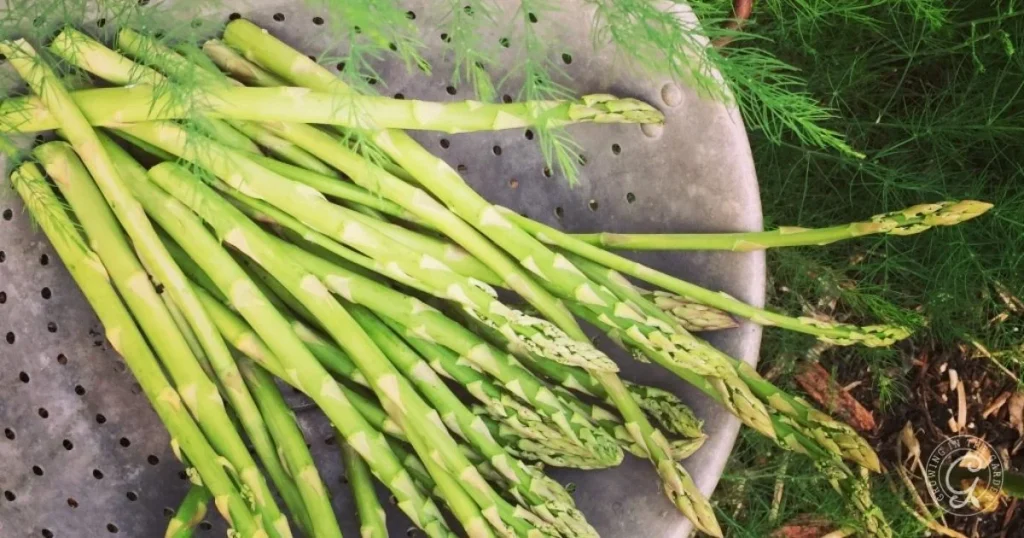
You plant asparagus: a concise orientation before we get practical.
You plant asparagus: Quick notes
Learning how to grow asparagus is simple. Asparagus is a dependable favorite in the home garden. Plants take 2 or 3 years before they are ready to harvest, but then produce tasty spears for the next 10-15 years. Asparagus stalks increase in circumference and number over time — it definitely gets better with age.
I love picking a fresh spear and handing it to garden visitors during asparagus season. Their eyes light up when they taste freshly picked asparagus for the first time. This vegetable tastes best straight from the garden.
1. Understand the process of how to grow asparagus
- Asparagus roots produce individual stalks above ground.
- When the stalks are harvested in the spring, this depletes the energy from the roots.
- After a period of harvesting, the stalks are allowed to develop into ferns.
- Vigorous and healthy ferns in the summer help ensure a good asparagus harvest the next spring. The photosynthesis that takes place in the ferns throughout the summer replenishes the energy of the depleted roots.
- The ferns go dormant in winter and turn brown or yellow — at this point, they can be cut back. In cold-winter areas, leave the stalks in place until spring; they help protect the root crowns.
- In the spring, shoots appear from the overwintering roots. These stalks grow larger in circumference every year as their life cycle continues.
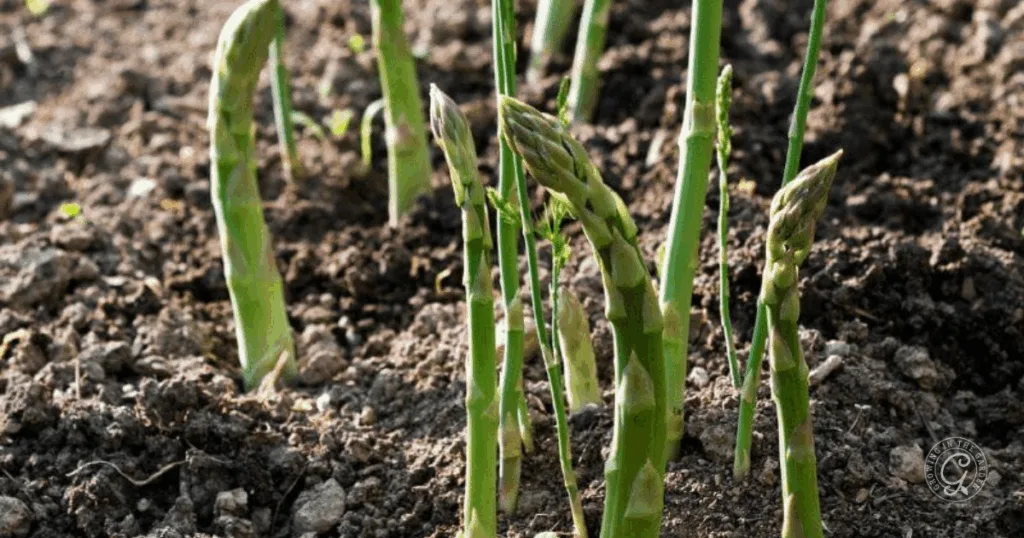
2. Decide on the best location to plant asparagus
Because asparagus plants produce for several years, they require a dedicated bed for that period of time. Choose a location that gets at least 6-8 hours of sun daily. Avoid windy areas and areas where water puddles.
Use raised beds if possible because asparagus roots become soggy and may rot in clay soil. Asparagus needs rich, well-amended soil that is high in phosphate.
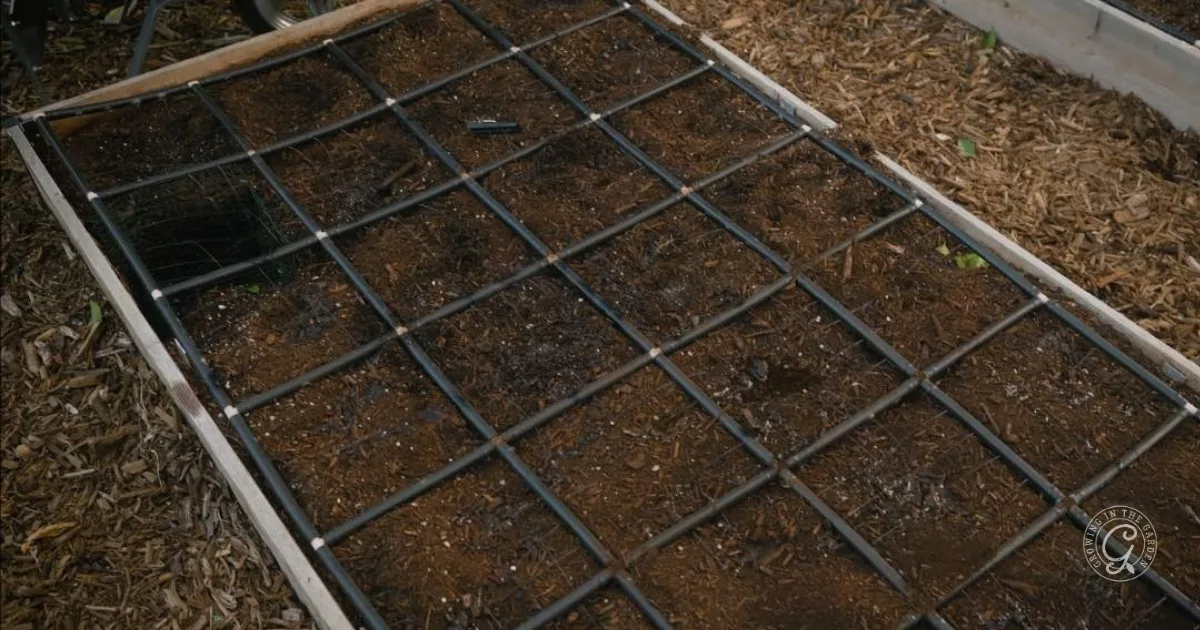
3. Decide whether to plant asparagus seeds or crowns (roots)
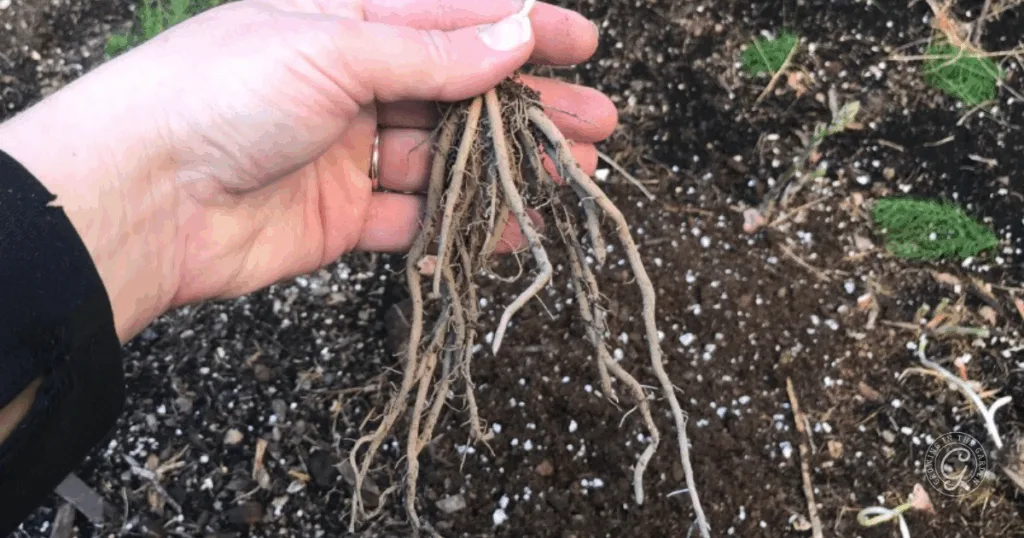
It’s easiest to establish asparagus by planting 1 to 2 year old crowns (roots). They produce harvestable stalks about a year after planting.
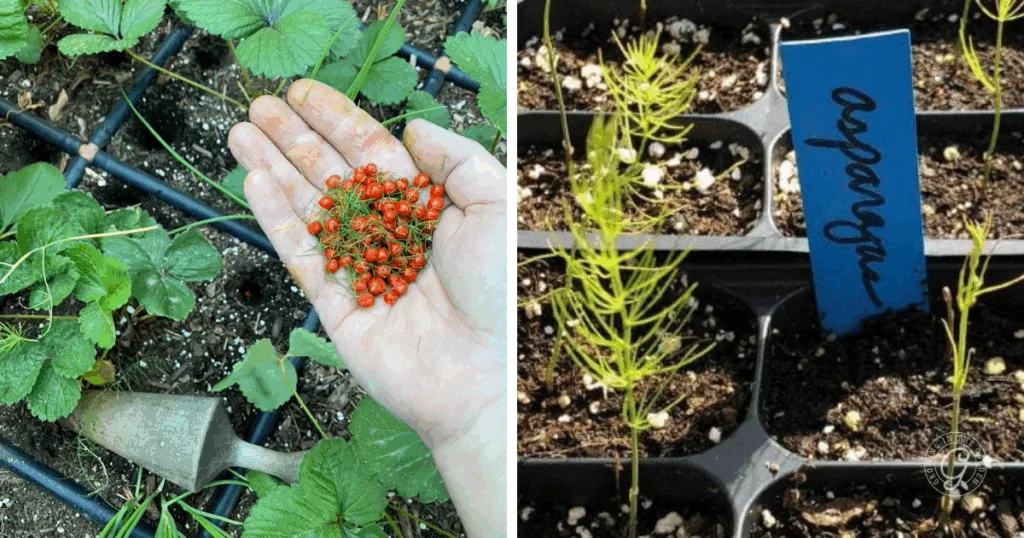
Asparagus can also be planted from seed. This method is less expensive but it requires a 2 year (or longer) wait and more care for the emerging seeds.
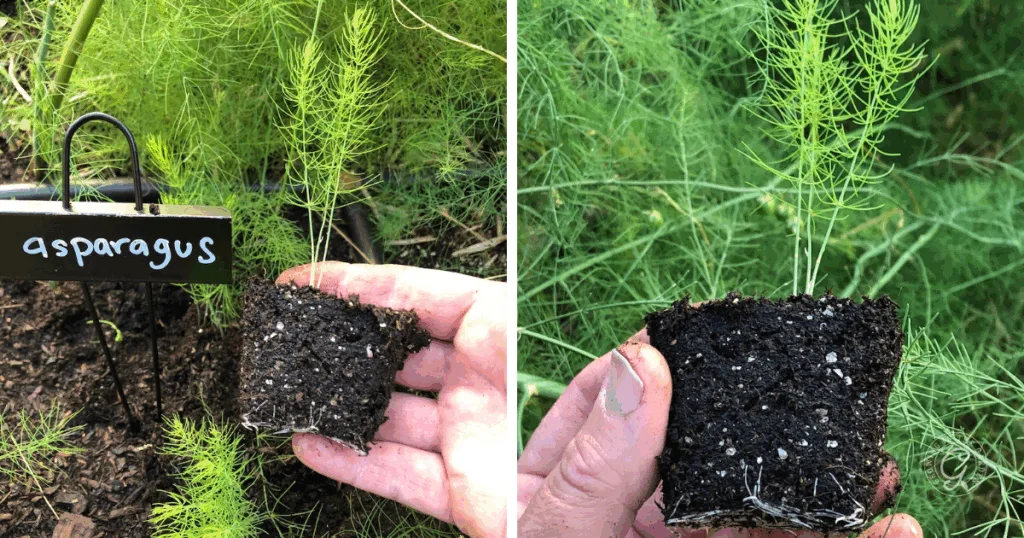
You may also find transplants started from seed at your local nursery.
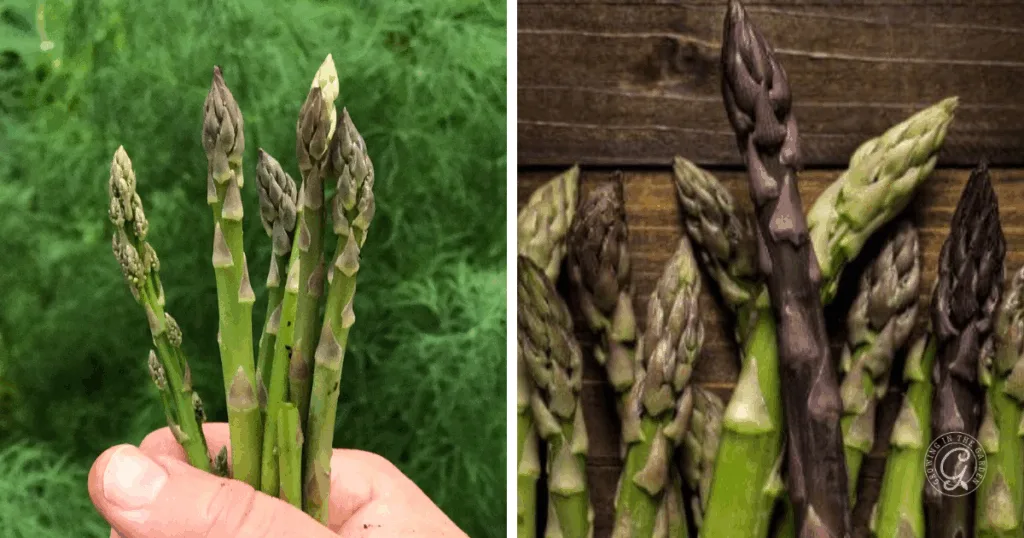
Asparagus is classified as ‘traditional’ or ‘all male’. ‘All male’ varieties, such as Jersey Giant, Jersey Knight, Jersey Supreme, and Marte, often produce larger spears (and more of them) because they do not have to expend energy into seed production like the ‘traditional’ varieties such as Martha Washington and Purple Passion.
4. Plant asparagus correctly
- Plant in early spring in cold-winter areas. In mild-winter climates, plant in the fall or winter. In the low desert of Arizona, plant seeds indoors from August to November, and plant transplants outside from November to January.
- Prepare the asparagus bed by adding compost and composted manure to create rich soil.
- If planting from seed, plant seeds in small containers with potting soil or in the beds. Sow seeds ½ inch deep. Germination takes about 30 days—transplant plants to the permanent bed when they are 3 inches tall.
- To plant from crowns, dig a 6-inch trench and place dormant roots about 12 inches apart. Cover crowns with about 2 inches of soil and gently tamp them down. Add 2 inches of soil every two weeks until the trenches are filled with soil and slightly mounded on top.
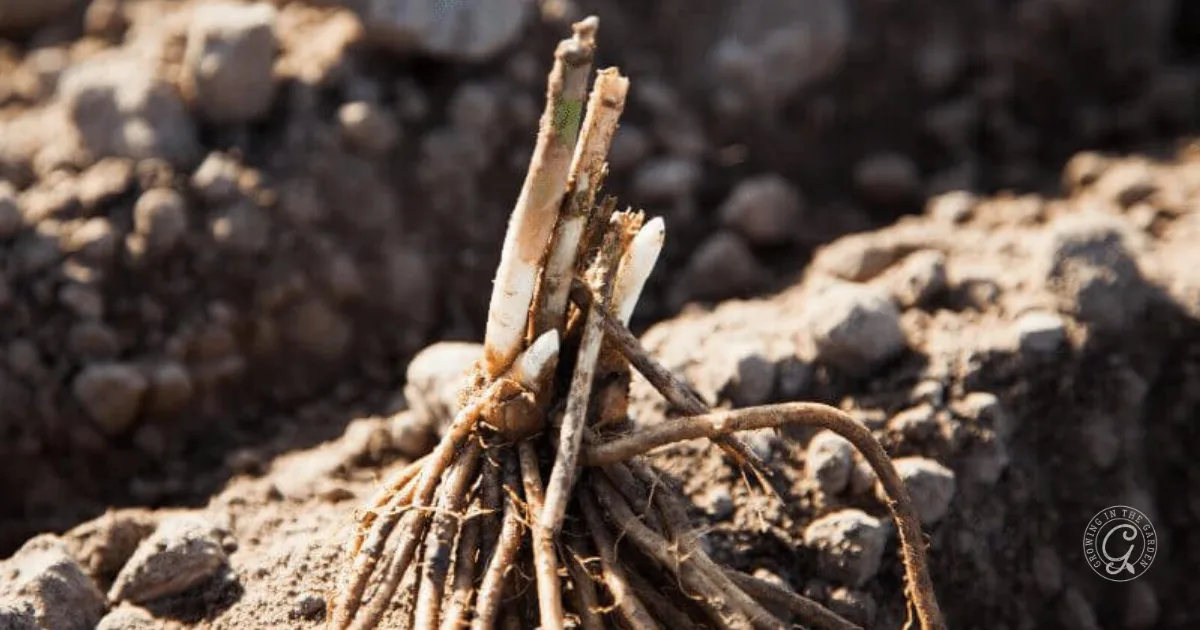
5. Wait until the asparagus is large enough before harvesting
- For the first year after planting (two if started from seed), do not cut or harvest any stalks. Allow the stalks to go dormant in the fall, and cut back watering or stop completely.
- New spears begin to emerge the following spring, and you can harvest any that are at least ¼ inch in diameter. Let smaller stalks grow through the summer to give energy to the roots.
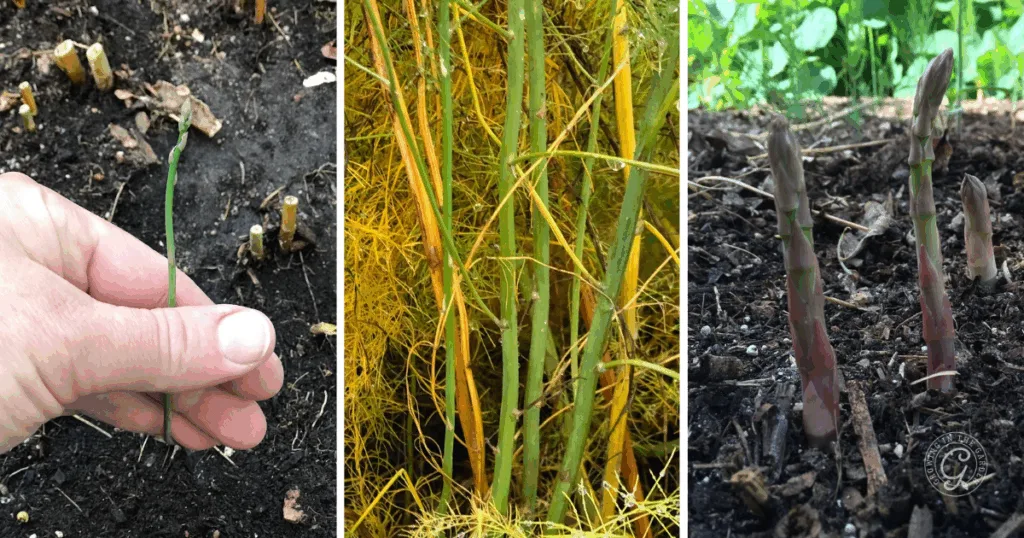
6. Harvest and enjoy asparagus
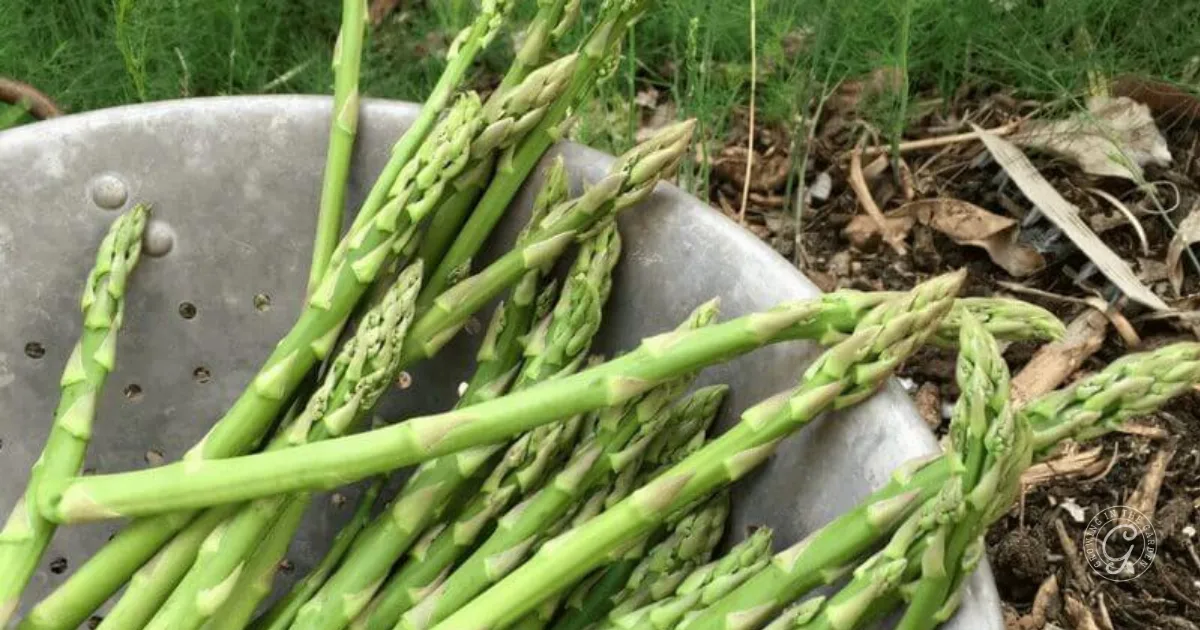
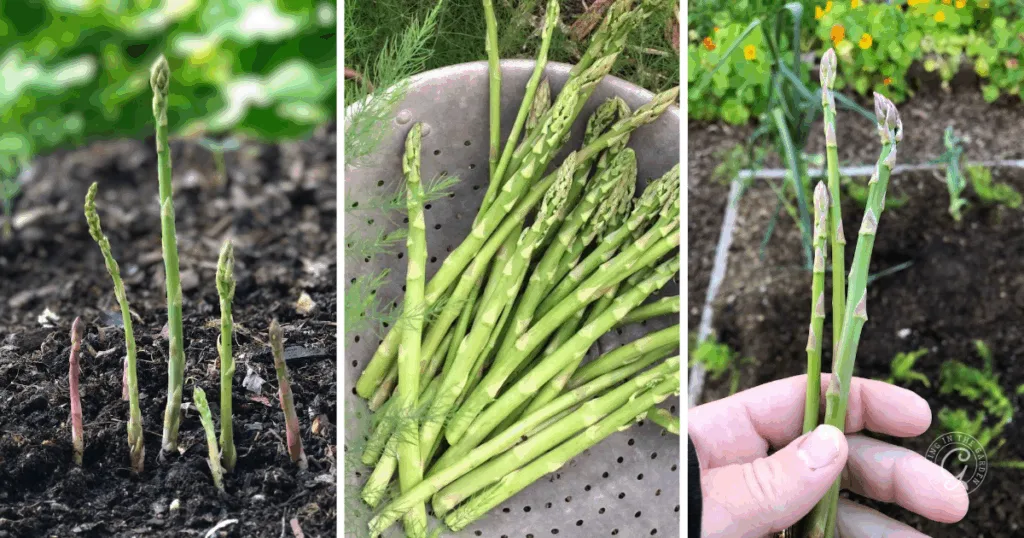
- Harvest spears when they are 6 to 10 inches long, and the tips are firm and tight. Do not harvest spears smaller than ¼ inch thick, and do not harvest the first year. The following year, harvest for 2 weeks. Extend the harvest each year by two weeks until you are harvesting for 6-8 weeks.
- Pick asparagus every three days, more often in warm weather. Pick asparagus by snapping off at ground level with your thumb and index finger. You can also cut off just below the soil surface with an asparagus knife or other sharp knife.
- Asparagus is delicious when eaten fresh in the garden. Eat or preserve it as soon as possible after picking. You can also store stalks upright in a small amount of water in the fridge.
Timeline for How to Grow Asparagus in the Low Desert of Arizona
JanuaryCut back dry stalks and amend with 2-3 inches of composted manure and a 2-inch layer of wood chips, straw, or compost. Feed lightly with a balanced organic fertilizer.Early springHarvest stalks that are more than ¼ inch in diameter for 4-6 weeks. Let smaller ones continue to grow.Late springDo not harvest; allow stalks to grow into ferns. Amend the spent bed with a balanced organic fertilizer, 2-3 inches of composted manure, and a 2-inch layer of wood chips, straw, or compost. Summer / FallWater the beds and do not let them dry out. Allow ferns to grow and provide energy for roots.WinterFerns will begin to turn yellow. Cut back watering and allow the asparagus to go dormant. When asparagus ferns are brown and dry, it’s time to cut them back. Cut the dry stalks back to just above soil level. Spread 2–3 inches of well-rotted composted manure. Apply a balanced organic fertilizer. Top with a 2-inch layer of wood chips, straw, or compost. In spring, fresh new spears will emerge through the soil
If you enjoyed this post about how to grow asparagus, please share it.
We reference You plant asparagus briefly to keep the thread coherent.
You plant asparagus comes up here to connect ideas for clarity.











Also – This is so satisfying to read — thank you. So comfortable.