Seeding problems: a concise orientation before we get practical.
Seeding problems: Quick notes
We reference Seeding problems briefly to keep the thread coherent.
Seeding problems comes up here to connect ideas for clarity.
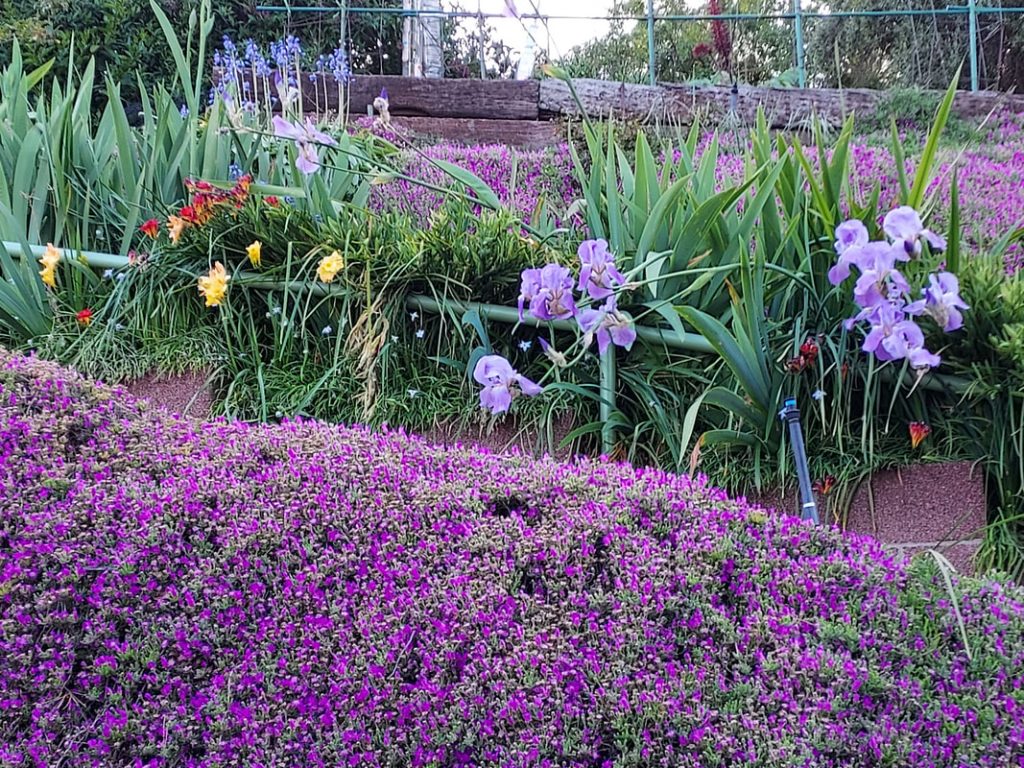
Spring has indeed sprung, with mesembryanthemum loved by the bees, bearded iris and freesia all adding their fragrances. 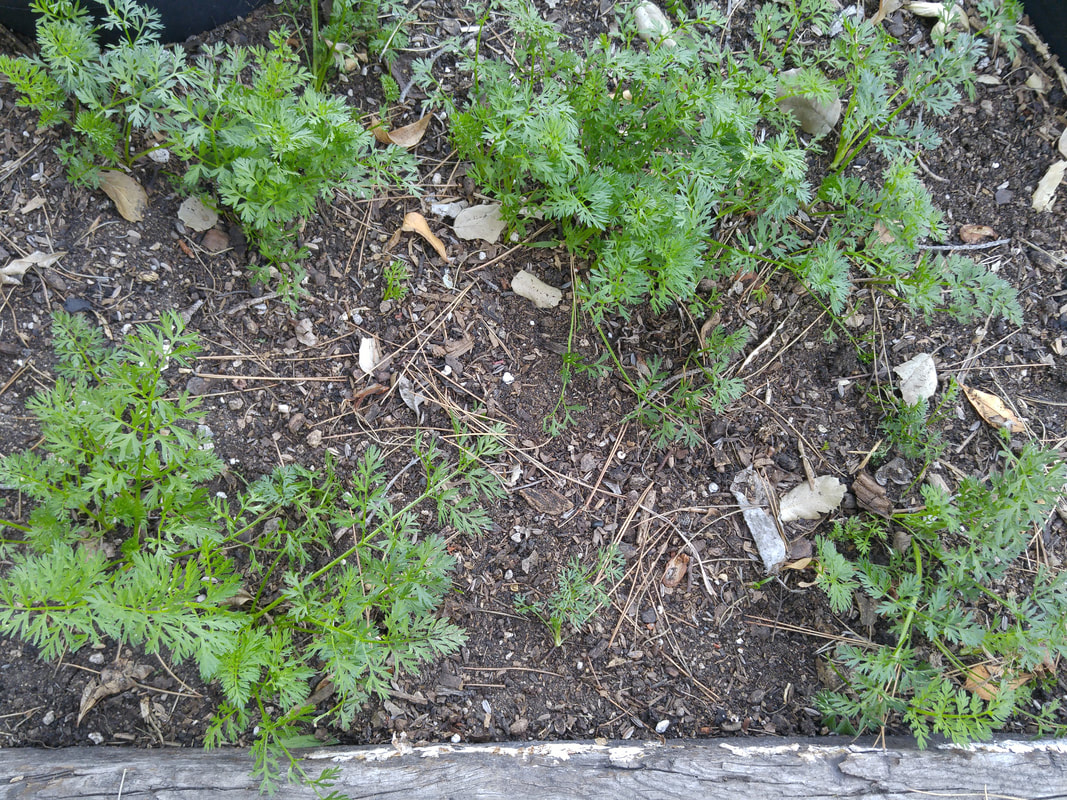 Carrot seedlings are pretty sparse, so go ahead and scatter some more seeds, and sprinkle gently to keep the top 1/4″ of soil always moist. The young sprouts will catch up to the already-thriving ones in a couple of weeks.
 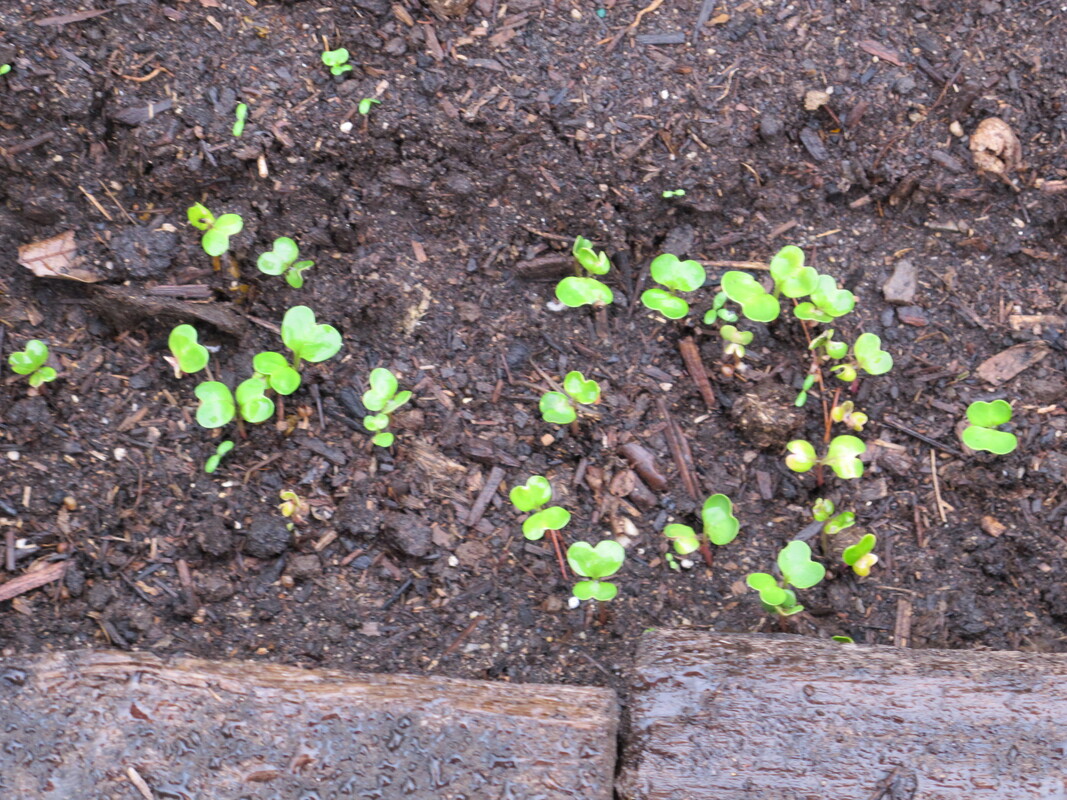 Beet seeds germinated well, with the developing bulbs able to have enough space to push against their neighbors without crowding too much to impede everyone’s growth.
 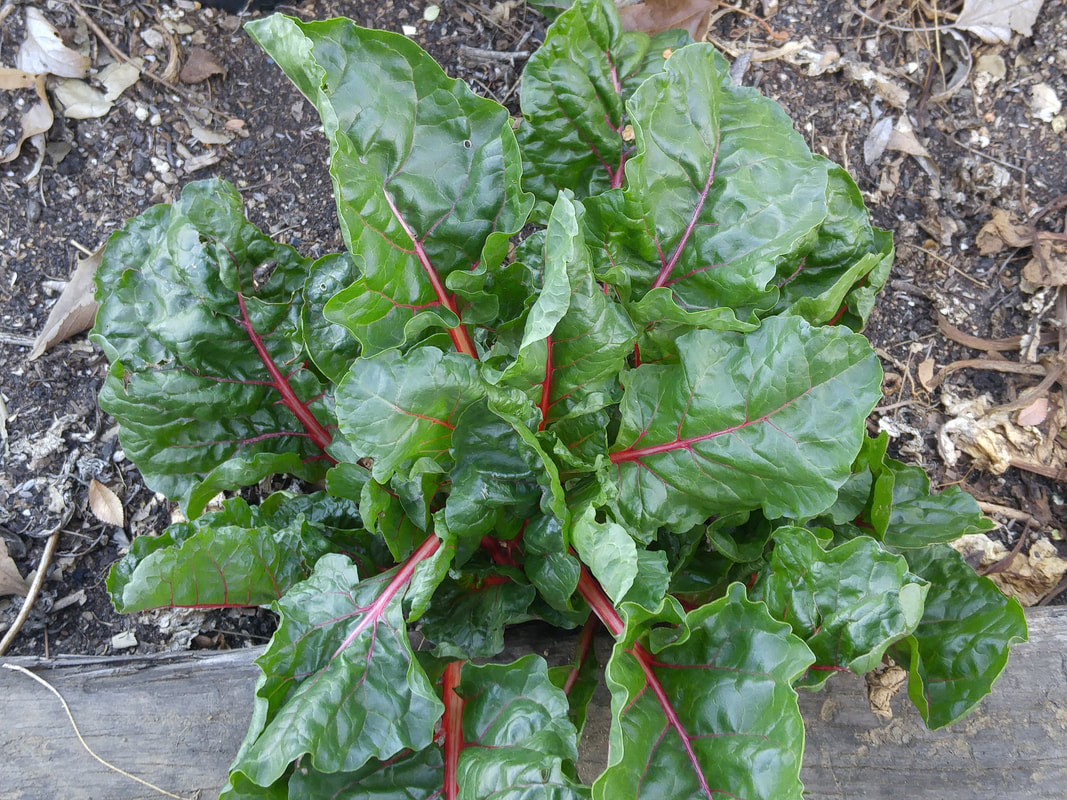 Chard seed comes in tiny clumps of several “glued” together. When all of them germinate, it’ll appear like several plants are coming out of the same clump. No problem to transplant them so each can develop fully. Or, just leave them in their crowded state if you prefer to harvest by just cutting a handful all at once instead of by individual leaves.
 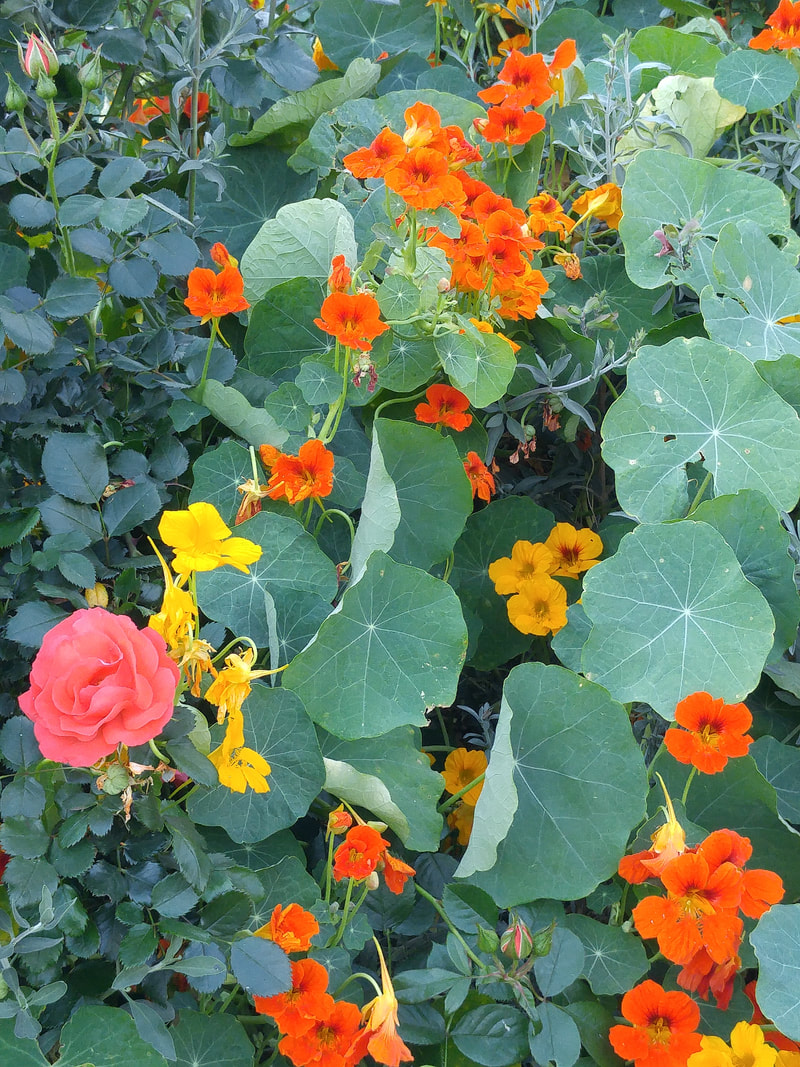 Nasturtiums are edible – both the leaves and the blossoms are peppery. Try making some hors ‘doeuvres with flavored cream cheese tucked into the center of the blossom. Tried your hand at sowing seeds but not had much success? There are several reasons that may be the problem. Poor germination of seeds may result from several conditions.
- The seeds may be too old, poorly stored, or planted too deeply.
- The soil temperature may be too low or too high.
- The soil moisture may be too dry or too wet.
- The soil may have too much fresh manure, which burns the seedling roots but is wonderful after it’s aged a month or so later for transplanting then.
- Soil that forms a crust kills germinating seeds before they can break through the soil surface.
- Carrot seeds are notorious for being too weak to push away the soil on top of them. To avoid this problem, sow carrots and radish seeds together – the radishes will sprout almost immediately, keeping the soil surface “moving” until the carrot seeds finally come up, sometimes a good 3 weeks later!
To lessen these issues, cover the seeds with a thin layer of compost, potting soil, grass clippings, potting mix or other light-textured substances – rather than the heavier soil.
Then, keep the area moist but not soggy until two “true” leaves develop. “True” leaves are the ones that look like tiny versions of the mature leaves. Sprinkling the bed with a fine spray of water several times a day also helps to keep it from crusting. If a muddy slurry results from irrigation, it will dry into a crust.
Try Some Herbs!
Herbs to sow or transplant include anise, basil, borage, burnet, catnip, chervil, chives, cilantro (when it’s seed, it’s called coriander), comfrey, dill, fennel, lavender, marjoram, mint, oregano, rosemary, sage, savory, tarragon, and thyme.
Many perennial herbs make attractive, drought-tolerant, trouble-free landscaping plants.
Herbs that also produce indoors are dwarf green or dark opal basil, chervil, chives, dill, marjoram, oregano, parsley, savory, and thyme – as long as they get lots of direct sun and fresh air.
And Edible Flowers!
Add to your garden some edible flowers for their foliage and their bloom. You may already grow some – the edible portion of artichoke, broccoli, and cauliflower are all immature flowers. Nasturtium leaves and flowers taste peppery. Squash blossoms have a cucumbery flavor. Some marigolds taste unpleasantly strong, but others are mild.
Be sure, however, to harvest only flowers and foliage that haven’t been sprayed with a pesticide not registered for food.