
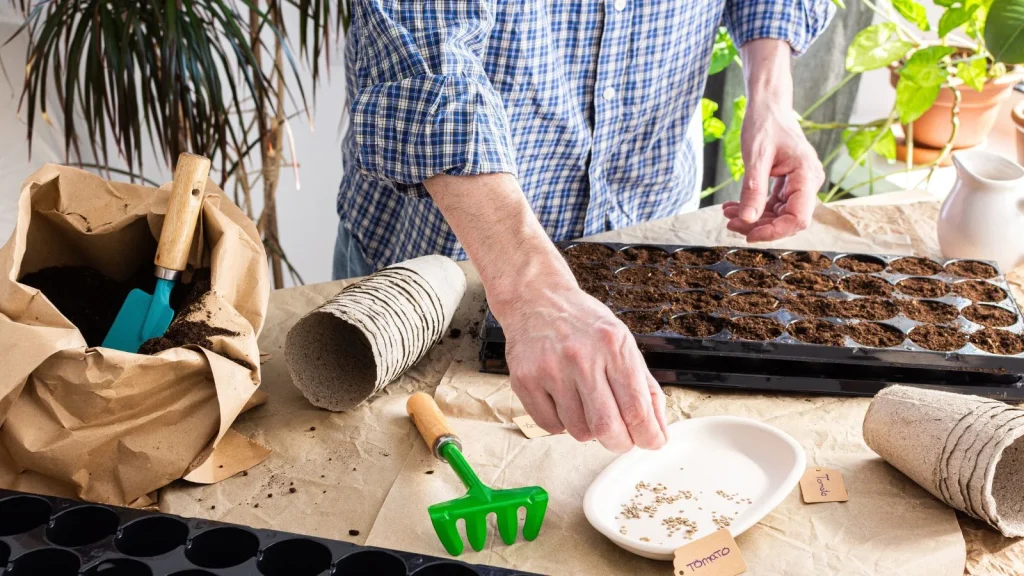
Every good harvest begins with a sound practice of seed starting. Zones 2-4 may seem inhospitable for growing plants, but they’re not! With knowledge of your growing season, a good plan, and a few tools, plentiful harvests are possible everywhere.
Because these zones are typically very cold, the season for growing most cultivated veggies is short. However, there are multiple strategies for working within the parameters that these regions have. It takes a little extra effort ahead of transplant time, but it’s totally possible.
Aside from planning, employing some extra protection for young seedlings as the soil and ambient air temperatures warm is helpful. Anywhere you can add layers of protection will get you a little more time than you would if you simply let your plants try to grow in the elements.
Cool Season Garden Seed Bundle
Cool Season Garden Seed Bundle
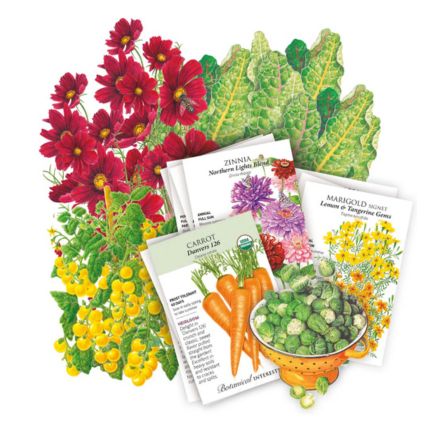
Midwest Seed Bundle
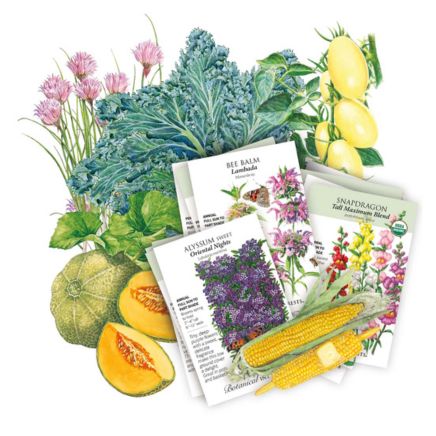
Northeast Seed Bundle
Know Your Growing Season
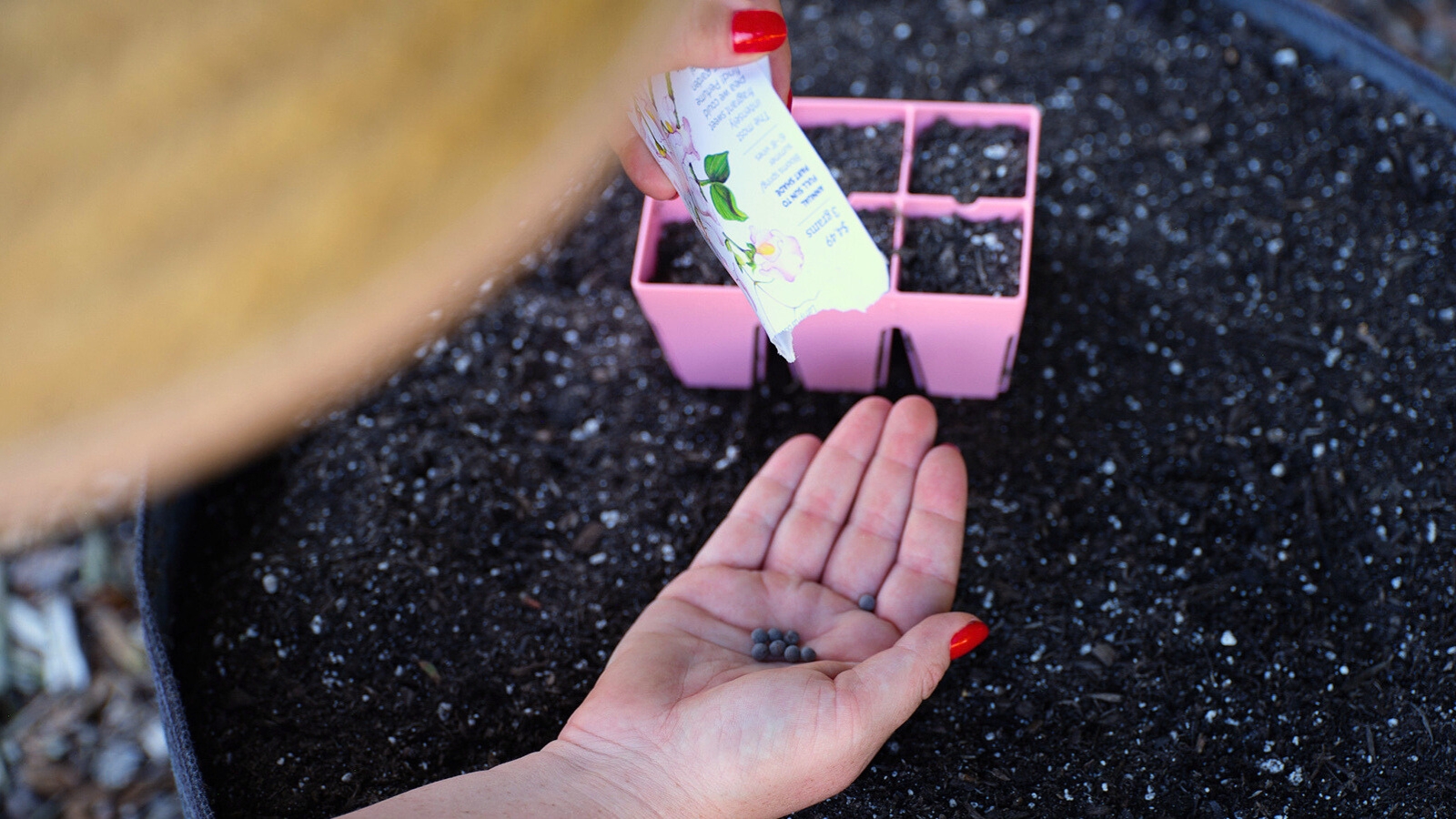 Your zone determines the right time to start seeds.
The very first thing to do in all zones when it comes to seed starting (zones 2-4 included) is determining the length of the season, or the number of frost-free days, by looking at the first and last frost dates in your hardiness zone.
Each zone has microclimates that have different first and last frost dates, but we’ll present approximate dates here. Note that these are not exact, and it’s important to determine your specific locality’s dates first and foremost.
ZoneApprox First Frost DateApprox Last Frost DateApprox # Frost Free Days2September 1-8May 15-22116 3September 8-15May 1-161374September 21-October 7April 24-May 12167
As you can see, as zone numbers increase, the approximate days without frost do too. Compare these to the days to maturity for the plants you want to grow, and you’re building the foundation of a good harvest. While you can grow most things with enough planning, there may be some plants that don’t do as well in these colder areas.
Use Seasonal Extensions
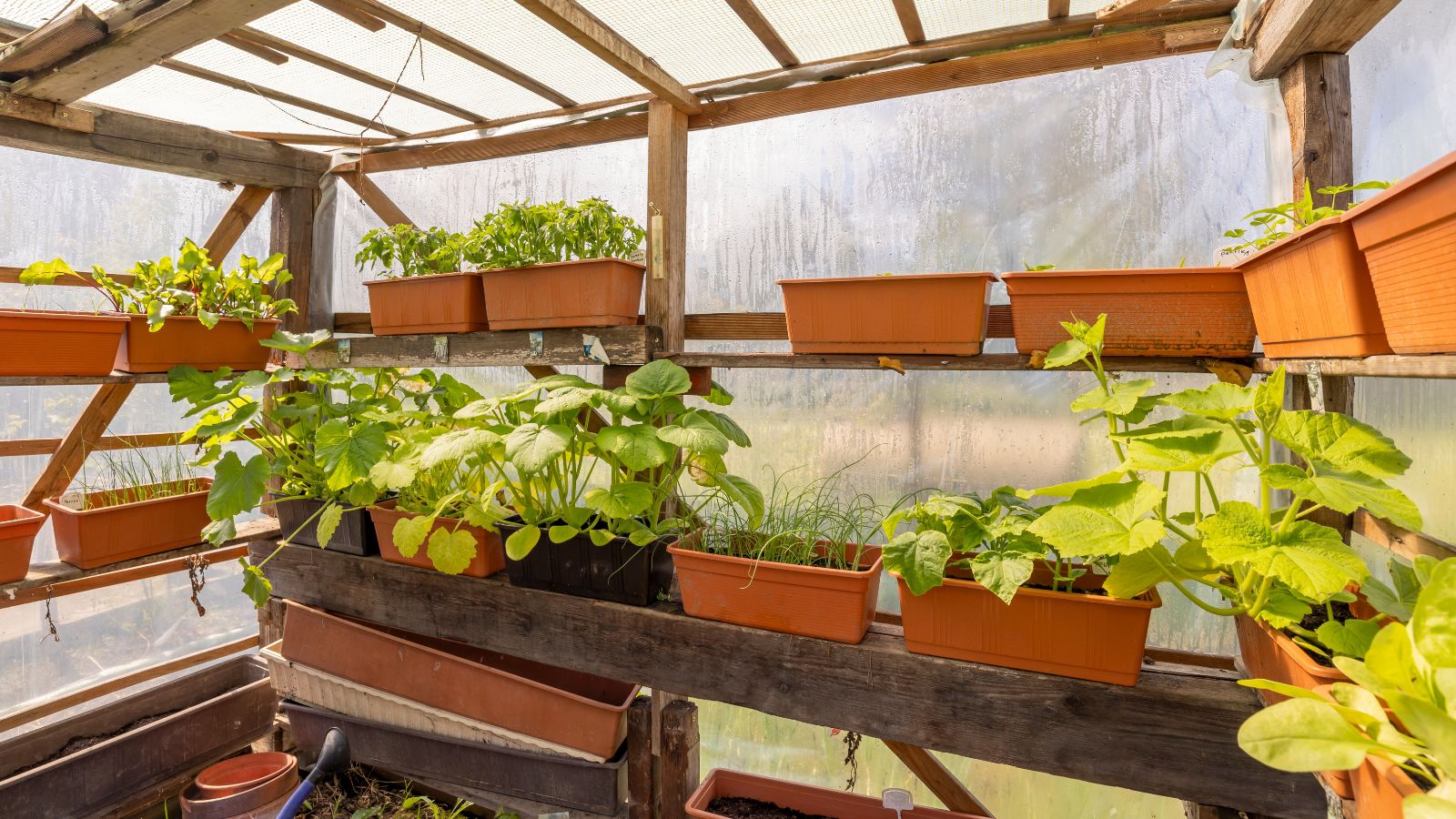 Protected covers keep the cold out and seedlings protected.
If you’re growing outdoors, having protection for seeds sown directly really helps extend the season. The same goes for having an outdoor/indoor space for seed starting. Zones 2-4 are blasted with cold until mid-spring, but that doesn’t mean you can’t start cold-weather crops under low tunnels.
The stronger the extension tool, the longer the time period you can use it. Greenhouses that have built-in temperature controls have the most utility in cold weather. Cold frames with a good seal have less utility, but more than low tunnels. Hoops that fit over raised beds work as well.
Choose your seasonal extension tools depending on when you want to start your seeds, coupled with when your last frost is. You can use low tunnels to extend your season up to one to two weeks in both spring and fall. Adding 7 to 14 days can add a buffer for initial seed germination.
Try Winter Sowing
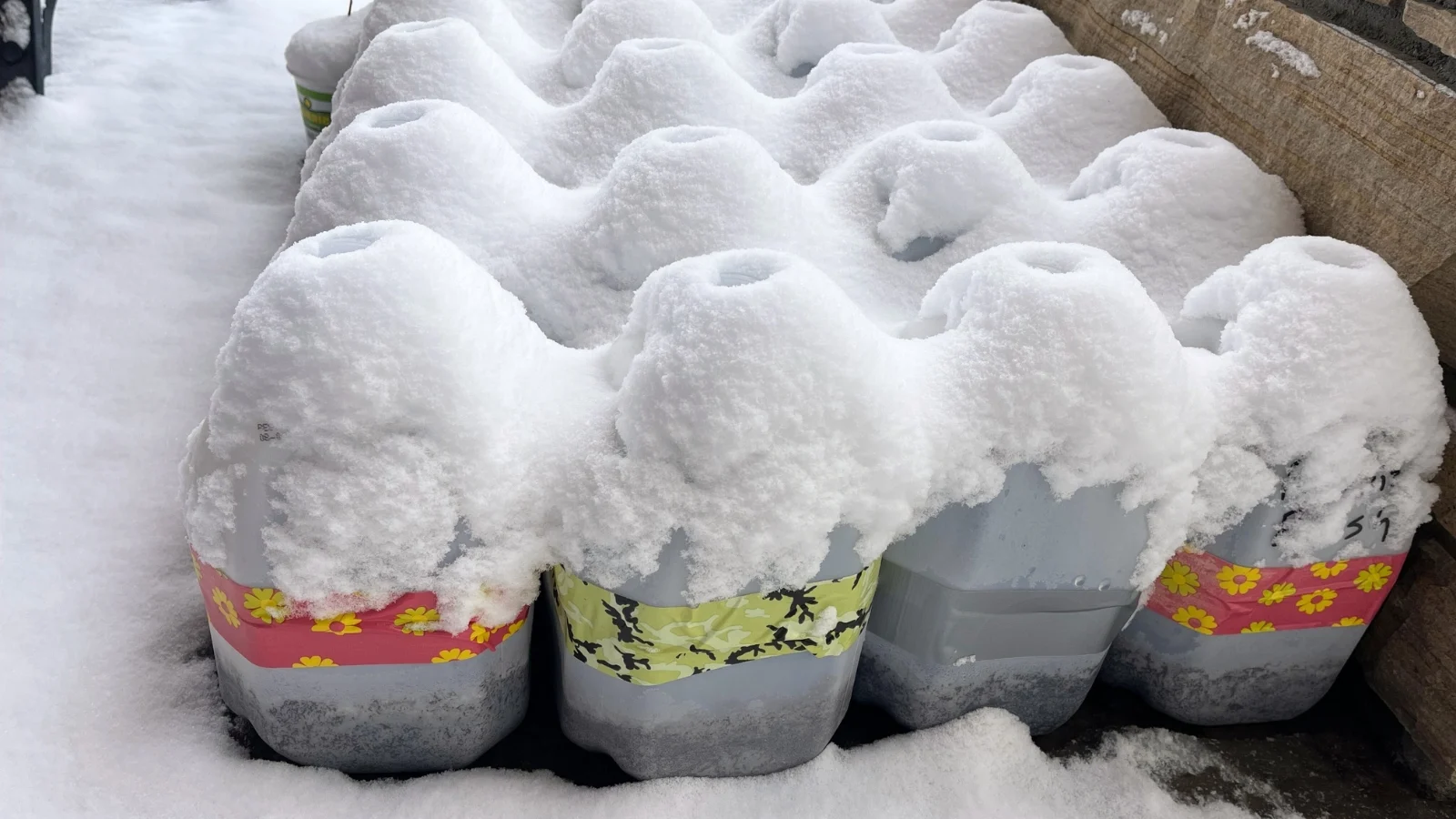 Use the winter conditions to your advantage.
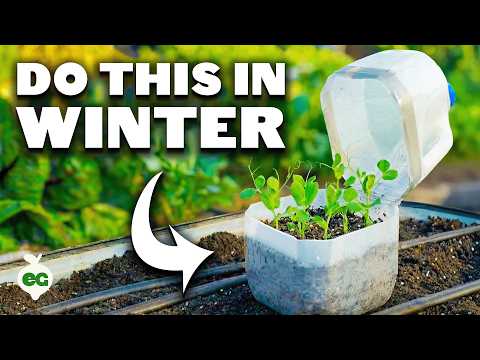
Using the cold and moist conditions outdoors, you can winter sow your seeds to get a head start on the season. This method uses enclosed “trays” to provide insulation, while the climate offers seeds all the light and moisture they need to break dormancy.
This is an especially useful tactic to employ when you’re growing seeds that need cold stratification to germinate.
Repurpose enclosed plastic containers, cutting plastic bottles and milk jugs almost in half, so you can plant seeds in soil at the bottom. Leave a little attached so you can fold your container back and seal it while you’re seed starting. Place them in a sunny spot and let the weather do its magic!
Grow Indoors When Possible
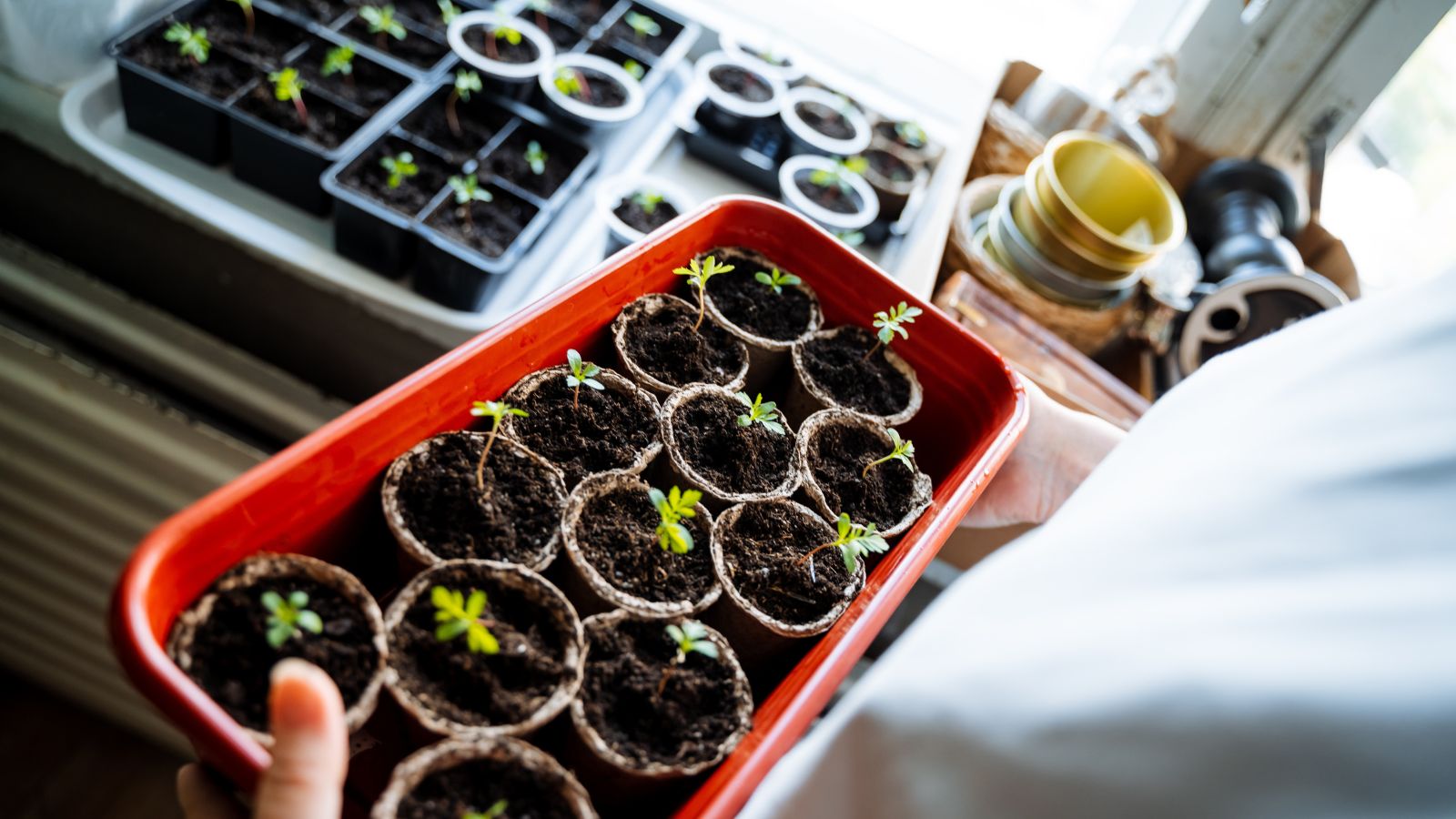 Indoor sowing gives you greater control over conditions.
Having an indoor space for seed starting, zones 2-4 growers can grow many more things than they would without it! We mentioned climate-controlled greenhouses. These, along with seed starting stations in homes and heated garages, are a godsend.
Dedicate some of the space you have indoors to getting a head start on the season. Your space could be just large enough to accommodate a universal bottom tray. That gives you room to grow plenty of seedlings.
With our UBT, you can fit 12 Epic 6-Cell Seed Starting Trays, or eight Epic 4-Cell Seed Starting Trays. That’s up to 72 plants! Don’t forget to include a grow light, or find one with a built-in tray.
Sprout The Right Seeds
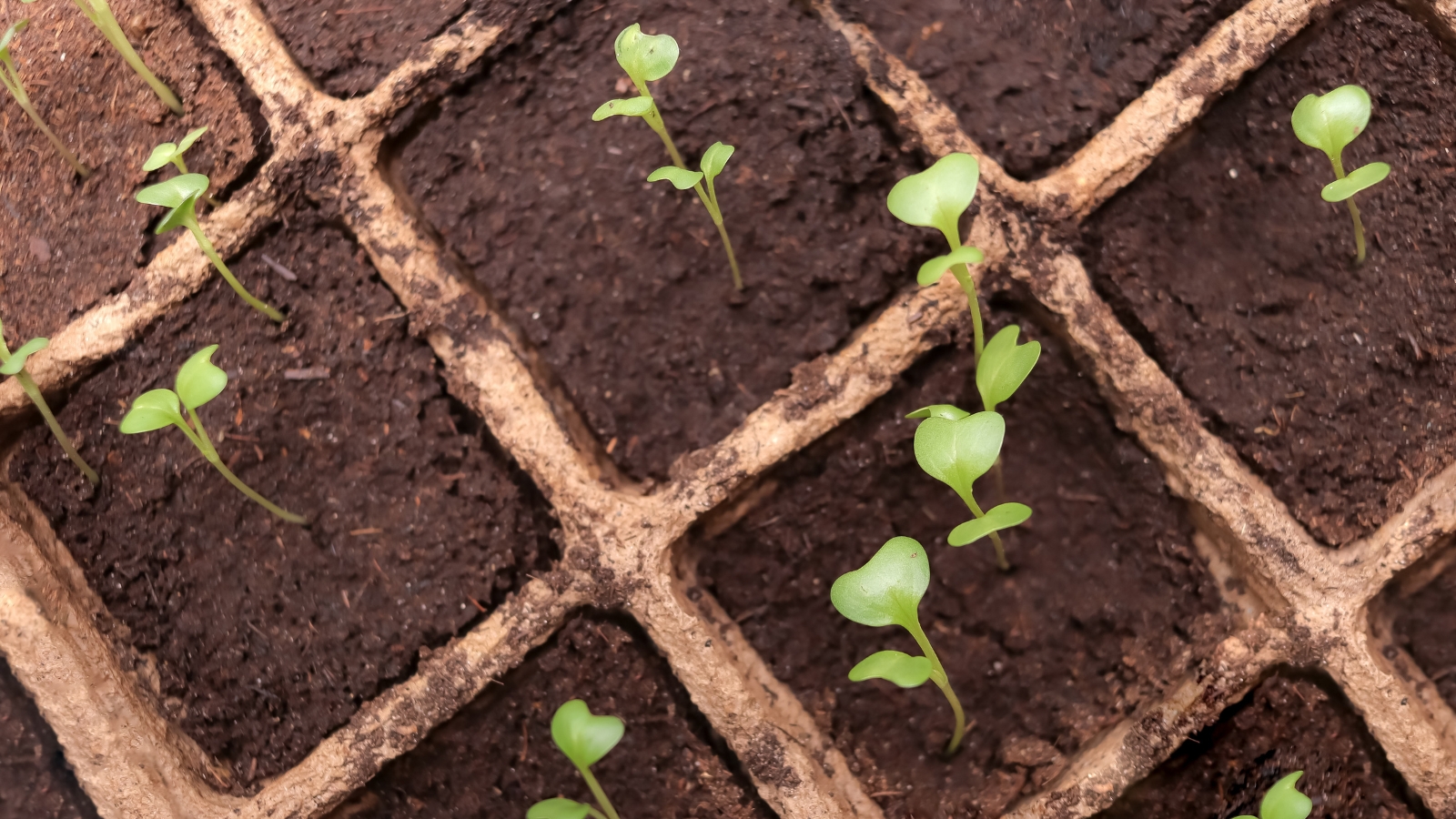 Choose the right seeds for early growing.
Plan to sprout seeds that can handle the cold and those that thrive in a shorter season. If you’re growing under cover, the seeds you choose should be able to handle a bit of cold. Cold-weather lovers include brassicas, some alliums (leeks, onions, shallots), lettuce, parsnips, and carrots.
Choose the right seeds to ensure you manage to grow a healthy crop. Choose perennial flowers that are native and adapted to the region you live in for the most success with flowers and wildlife gardens.
Key Takeaways
If you live in zones 2, 3, or 4, you can grow plenty of delicious veggies and herbs, along with beautiful flowers every year. All it takes is a little planning and the right tools. Stay organized and on top of the season, and you’ll find that you have success despite a short growing season.
- Know your season. Determine the number of frost-free days you have by figuring out your first and last frost dates.
- Grow the right seeds based on the conditions in your seed starting areas. These conditions differ depending on where they are (outside, inside, under cover).
- Use seasonal extension tools to add one to two weeks to your season.
- Grow indoors when possible, and where space allows.
- Try the winter sowing method to utilize the local climate to sprout seeds without taking up space indoors or under cover.







💡 Quick thought · great take on “Seed-Starting in Cold Climates: Tips for” — I’ll try that soon. So cozy.