
Toward wellness-focused lighting. A brief context to set expectations.
Toward wellness-focused lighting: Quick notes
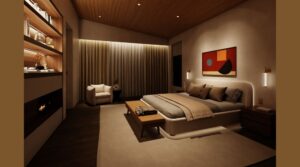
Image courtesy of Lutron.
Lighting that prioritizes mood, wellness and personalization is becoming critical in affluent homes, according to the 2026 Luxury Residential Trend Report from Lutron. In addition, motorized shades and app-controlled lighting are becoming expected design essentials rather than design upgrades.
The report compiled research from custom surveys from The Harris Poll and Lutron sales and product data. It also includes insights from such designers as Julee Ireland and Huma Sulaiman, along with Lutron’s Melissa Andresko and Cecilia Ramos.
“We’re moving away from choosing lighting just for style or trend and toward creating experiences with light through spaces that reflect who we are and how we want to feel,” said Julee Ireland of Home Renovation School. “The best lighting doesn’t compete with a space — it completes it.”
Lutron’s Rania Natural White Tape Light. Image courtesy of Lutron.
An overwhelming number of designers and architects (94%) felt lighting design is crucial, and half of designers (52%) said that the right lighting design can elevate even modest interiors. But poor lighting can devalue even the highest-end architecture and finishes, according to 47% of designers, the report found.
Related: Lutron acquires Orluna lighting
In addition, 66% of affluent homeowners believe interiors should reflect their lifestyle, 50% prioritize ambience and 44% recognize that effective lighting has wellness benefits, the report found.
“Layered, human-centric lighting remains the gold standard: a mix of ambient, task and accent light that shifts with mood and time of day,” said Huma Sulaiman of Huma Sulaiman Design.
Sixty percent of homeowners adjust lighting based on mood or time of day, the report found, but only 9% currently use preset scenes – despite 42% expressing interest in them. Designers are also moving away from uniform downlight grids toward warm, layered, dynamic lighting.
“Static light doesn’t feel natural. Dynamic, tunable lighting is becoming essential to creating fluid, multi-use environments,” said Cecilia Ramos, Lutron’s senior director, architectural markets. “Lighting — especially full-spectrum lighting — and controls should be a first thought, not an afterthought. You can always change paint or hardware, but your lighting system is part of the home’s architecture — it’s just as important as your framing.”
Automated shading is becoming standard in luxury homes, with more than half (56%) of designers now including automated shades in final designs, while 43% recommend them.
A short mention of Toward wellness-focused lighting helps readers follow the flow.
We reference Toward wellness-focused lighting briefly to keep the thread coherent.














On a similar note- This is inspiring — I’m excited to try it out. Great share.
On a similar note – This is a small change with a big impact — thanks! Great share.