
2. Fertilizer Issues
Jade plant not: a concise orientation before we get practical.
Jade plant not: Quick notes
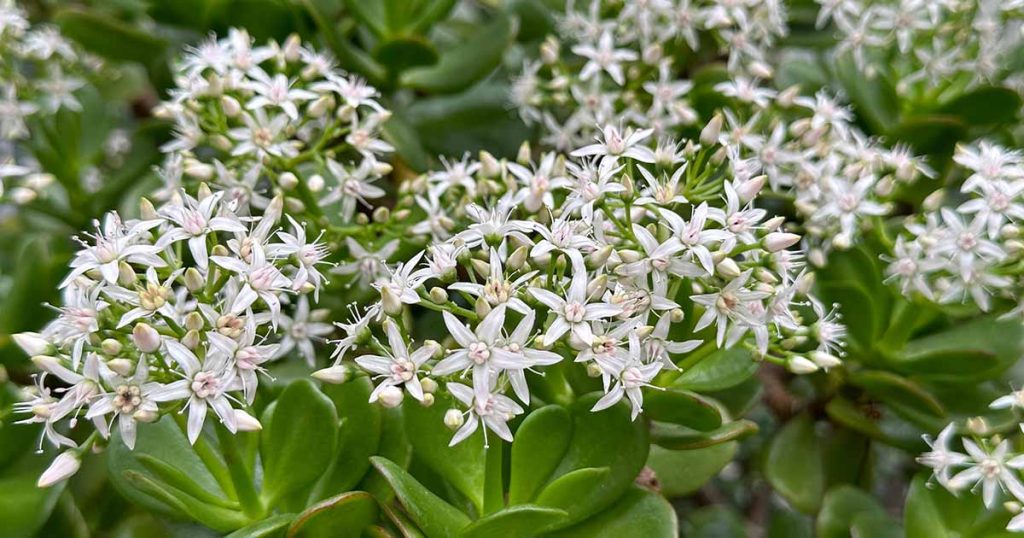
The type and timing of fertilization can significantly impact whether or not a jade plant will bloom.
Many growers unknowingly use fertilizers that promote lush foliage at the expense of flowers.
Nitrogen-rich fertilizers encourage leafy, vegetative growth. While this creates beautiful, green foliage, high nitrogen levels actively inhibit flowering.
For bloom production, these succulents need phosphorus and potassium.
Phosphorus (the “P” in NPK ratios) supports root development and, crucially, flower formation. Potassium (the “K”) promotes overall health and stress tolerance.
Additionally, continuing to fertilize during the fall and winter keeps the plants in active growth mode when they should be resting.
During the spring and summer growing season, use a fertilizer specifically formulated for cacti and succulents.
Look for NPK ratios like 2-7-7, 5-10-5, or similar formulations where phosphorus and potassium equal or exceed nitrogen.
Apply fertilizer at half strength once a month during active growth, and always apply to moist soil to avoid burning the roots.
Critically, stop fertilizing completely in fall. Don’t resume feeding until after blooming or spring growth resumes.
Learn more about fertilizing succulents here.
3. High Humidity
Jade plants evolved in dry, rocky areas of South Africa with low humidity, and these arid conditions play a role in flowering.
Most home interiors have moderate humidity levels. While this isn’t harmful, it tends to be more moisture in the air than these succulents would experience in their native environment during the dry season.
High humidity, combined with regular watering, can prevent flower bud formation.
During the fall rest period, keep your houseplant in a dry location. Avoid placing it near humidifiers, in bathrooms, or in kitchens where moisture levels tend to be higher.
If you live in a particularly humid climate, running a dehumidifier in the room may help.
The combination of low humidity, bright light, cool temperatures, and reduced watering creates the arid fall and winter conditions that jade plants need to bloom.
4. Insufficient Light
Jade plants are sun-loving succulents that need abundant bright light to bloom.
While they’ll survive in moderate light conditions and grow – albeit slowly – flowering demands much more intense exposure.
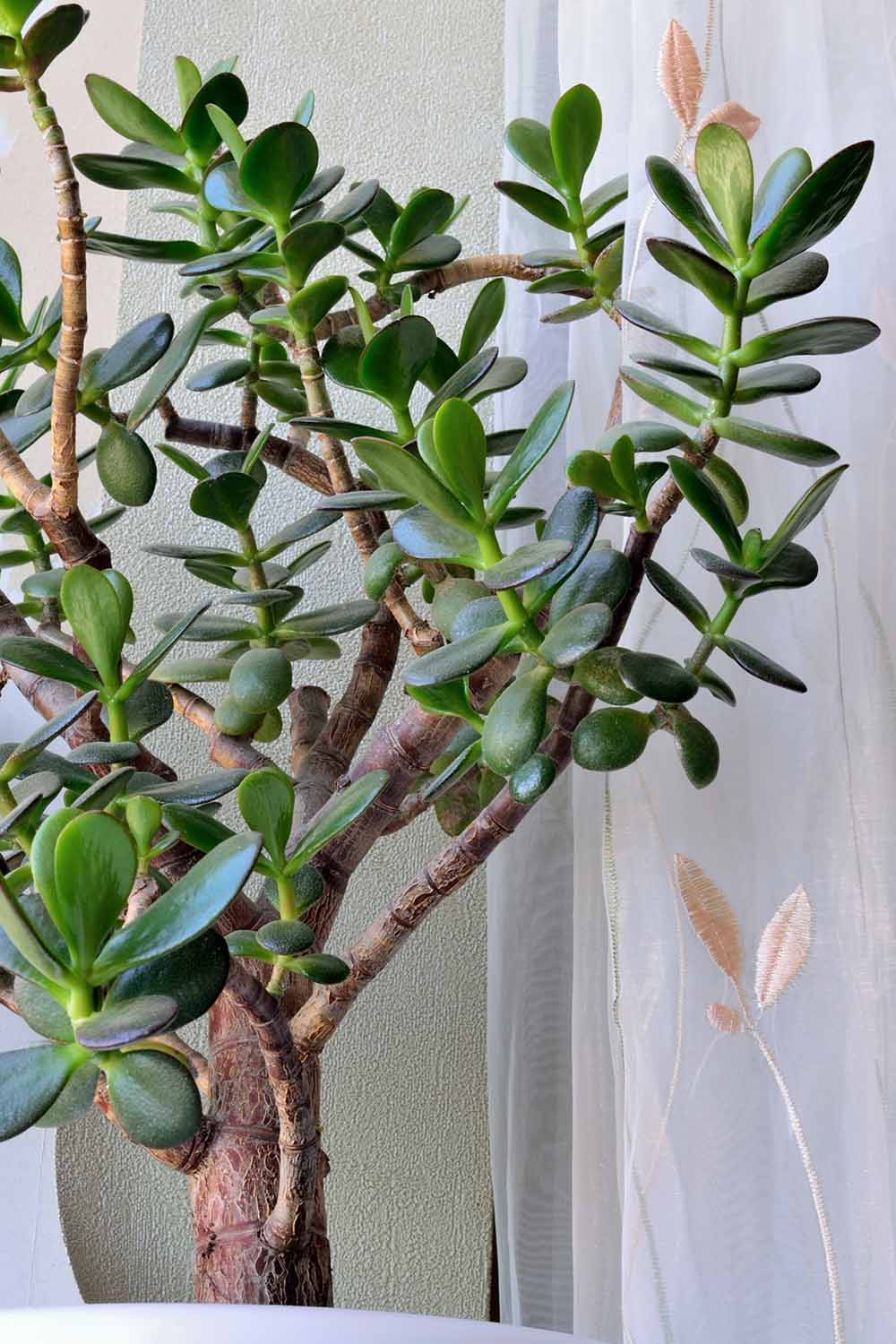
To set flower buds, jade plants typically need at least four to six hours of bright, direct sunlight daily.
Some gardeners recommend eight to 12 hours for reliable blooming.
Plants grown in low or moderate light often become leggy – their stems stretch and the space between leaves increases as they reach toward any available light source.
This weak growth pattern is a clear indicator that the plant isn’t receiving enough sun to support flowering.
Move your jade to the brightest location in your home. South-facing windows provide the most consistent, intense light in the Northern Hemisphere. West-facing windows can also work well.
A short mention of Jade plant not helps readers follow the flow.
We reference Jade plant not briefly to keep the thread coherent.








Quick thought – So pretty — the details are delightful. Saving it 🌸
Also · Yes, that makes a lot of sense. Will try it.
Heads up • What a charming tip — I’m inspired to try it. Great share 🌸
PS: I love how honest and practical this is. Will try it.