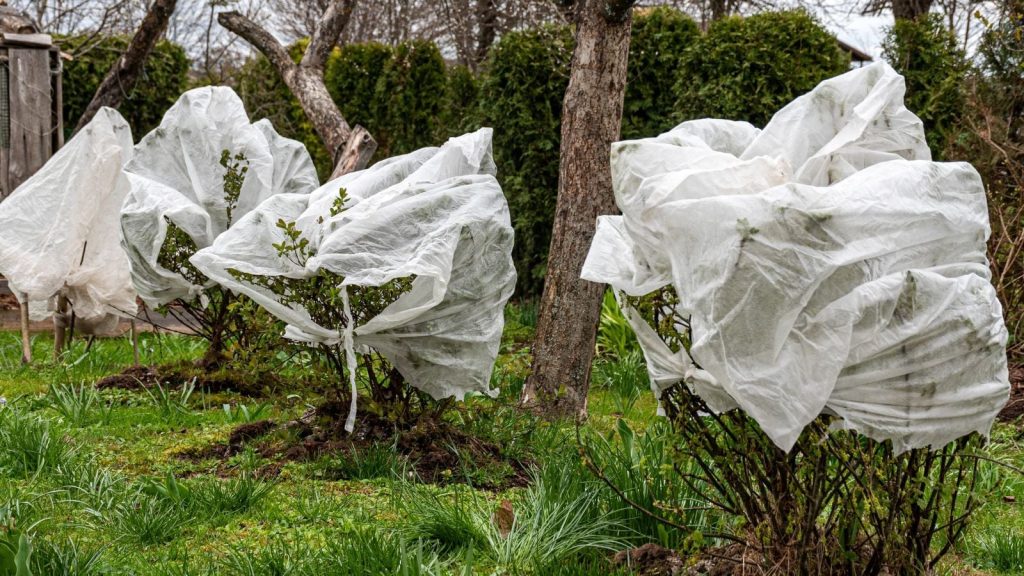
Late spring frosts are frustrating because they’re unpredictable. Your average last frost date is a guideline, not a guarantee, so if you don’t stay on top of checking, you can lose an entire batch of plants overnight. Plenty of gardeners have experienced freezing temperatures a week or two after the date they thought was safe.
Late spring frost: Quick notes
The first important task is to keep checking the weather. Don’t assume you’re out of the woods once a certain date arrives. Beyond that, there are a few easy things you can do to protect plants from a late spring frost.
Epic GardenBox
Epic GardenBox Greenhouse
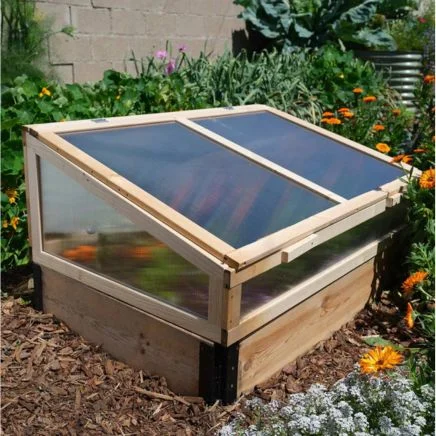
Epic GardenBox Greenhouse
Epic GardenBox Frost Cover
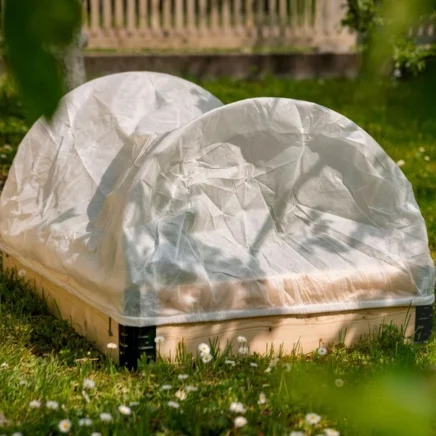
Epic GardenBox Frost Cover
Cover Your Plants
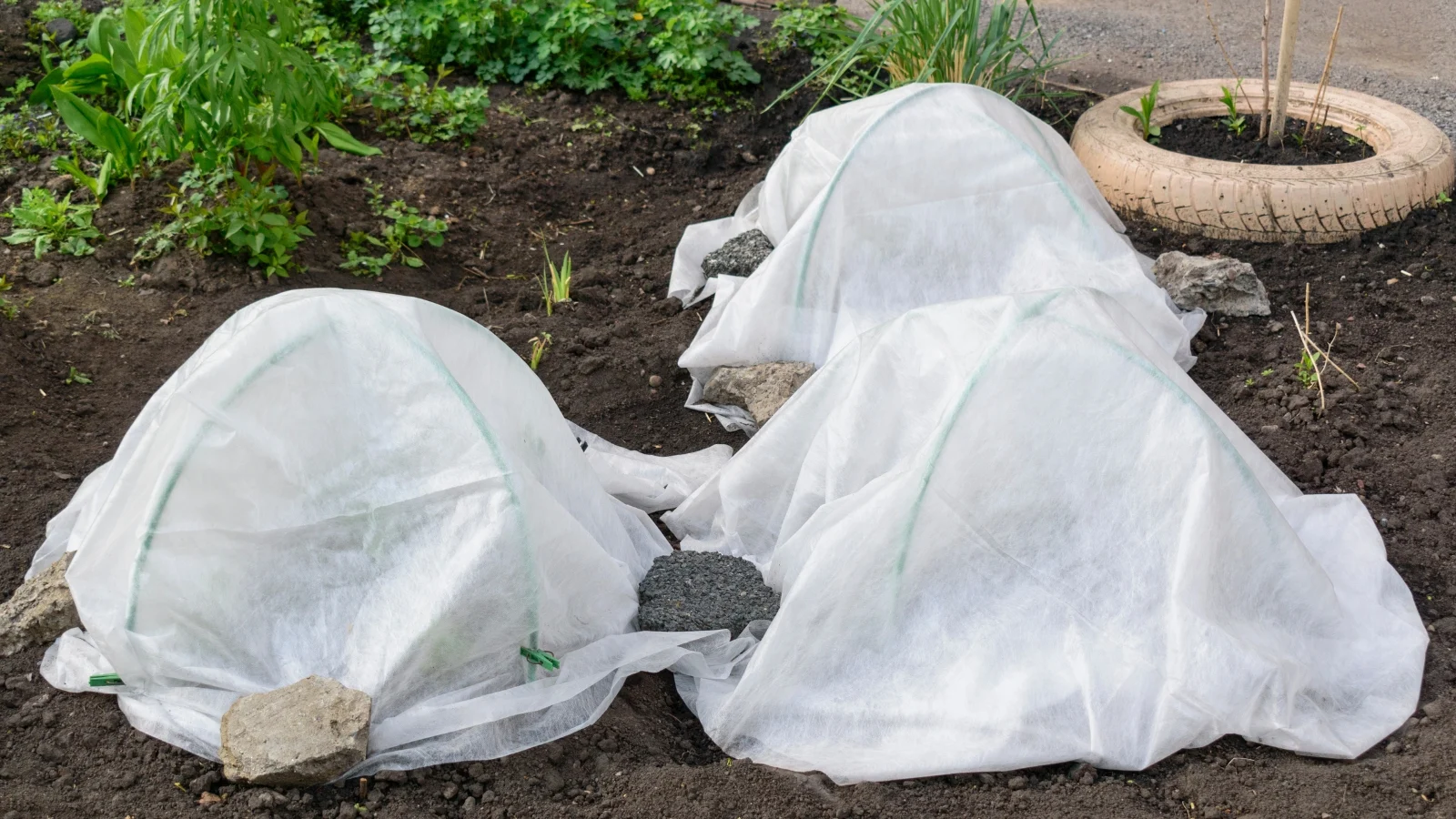 This is the quickest way to protect plants from spring frost.
Covering is the most effective protection for an overnight frost. A barrier over the plant traps heat radiating up from the soil and keeps frost from forming directly on the foliage.
Frost cloth is lightweight enough that it doesn’t crush plants. It lets some light and water through, and it provides several degrees of frost protection. Drape it over hoops or stakes so it doesn’t rest directly on the leaves, and anchor the edges to the ground so cold air can’t get underneath. For a few degrees of light frost, this is usually all you need.
If you don’t have a cover on hand and a frost is coming tonight, use what you have. Old bedsheets, lightweight blankets, or even towels work.
Avoid using plastic directly on plants. Plastic conducts cold and will freeze any foliage it touches, making the damage worse rather than better. If plastic is your only option, make sure it’s suspended well above the plant on stakes or a frame so nothing touches the leaves.
Remove covers the next morning as temperatures rise. Plants left covered through a warm day overheat, and the moisture trapped underneath can cause its own problems.
Move Containers Inside
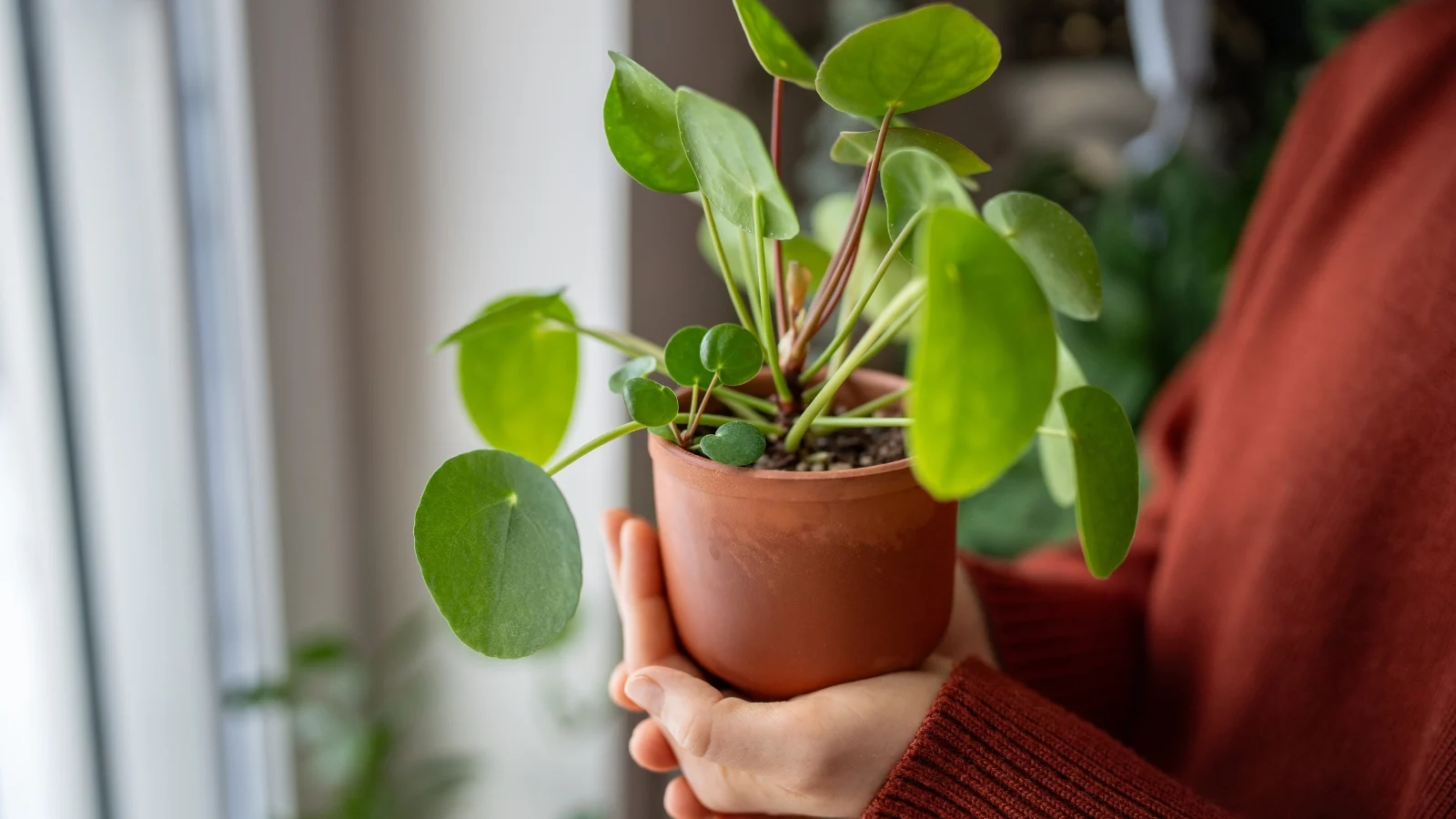 For any smaller containers, move them to a protected area.
If your tender plants are in pots or trays, this is the easiest solution to protect plants from spring frost. Move them into a garage, shed, porch, or anywhere that stays above freezing for the night. Even an unheated space that’s sheltered from wind and open sky will be better than outdoor exposure.
If containers are too heavy to move, cover the pots with a sheet or row cover for extra protection. For hanging baskets and small pots, bringing them inside for the night takes less than a minute and is always more reliable than covering.
Water Before the Frost
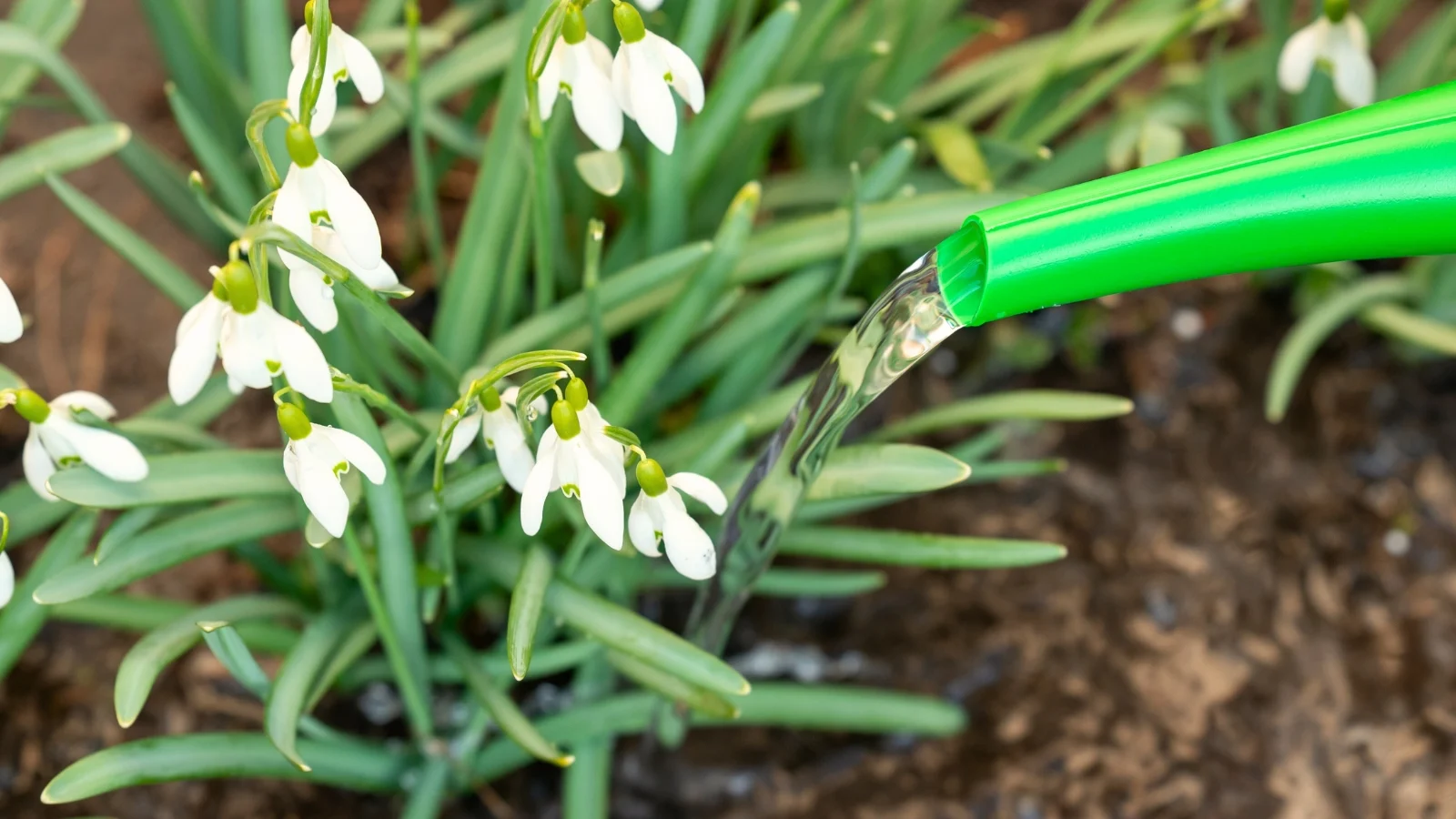 Water around the plants, but not too much.
Watering the soil around your plants before an expected frost helps protect them. Moist soil holds heat better than dry soil and releases it slowly overnight, keeping the plants a few degrees warmer. It’s a small effect, but on a marginal night where temperatures just barely dip below freezing, it can make a difference.
Water in the late afternoon, giving the soil time to absorb moisture before temperatures drop in the evening. You want the soil to be damp, not waterlogged.
This isn’t a substitute for covering, but it works well alongside it. A covered plant sitting over damp soil has a better chance of making it through a frost than a covered plant sitting over dry ground.
Harden Off Properly
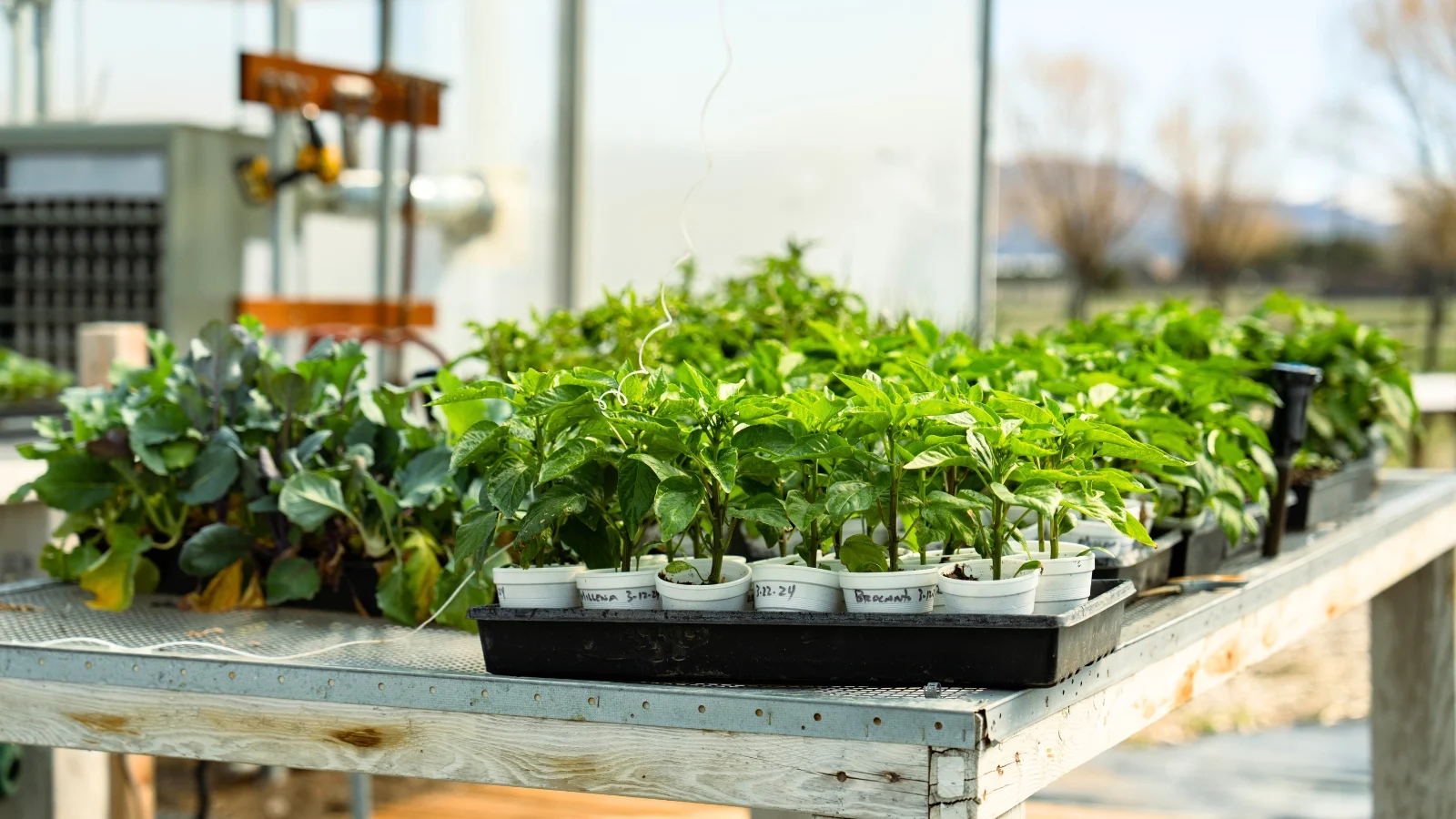 Always give seedlings time to acclimate to their new conditions.
Some frost damage to new transplants is due to the fact that the plants were never properly acclimated to outdoor conditions. Seedlings grown indoors or in a heated greenhouse are used to stable, warm temperatures. Putting them outside without a transition period leaves them with no tolerance for cold.
Hardening off takes about a week. Start by placing seedlings outdoors in a sheltered, shaded spot for a few hours during the day, then bring them back in. Each day, increase the time outside and gradually introduce more direct sun. By the end of the week, the plants should be spending full days outdoors and can handle cooler nighttime temperatures.
If you skip this step (or rush it), even a mild cold snap that wouldn’t trouble a well-hardened plant can cause visible damage. The time you invest in hardening off helps protect plants from spring frost without any extra effort from you.
If Frost Damage Happens
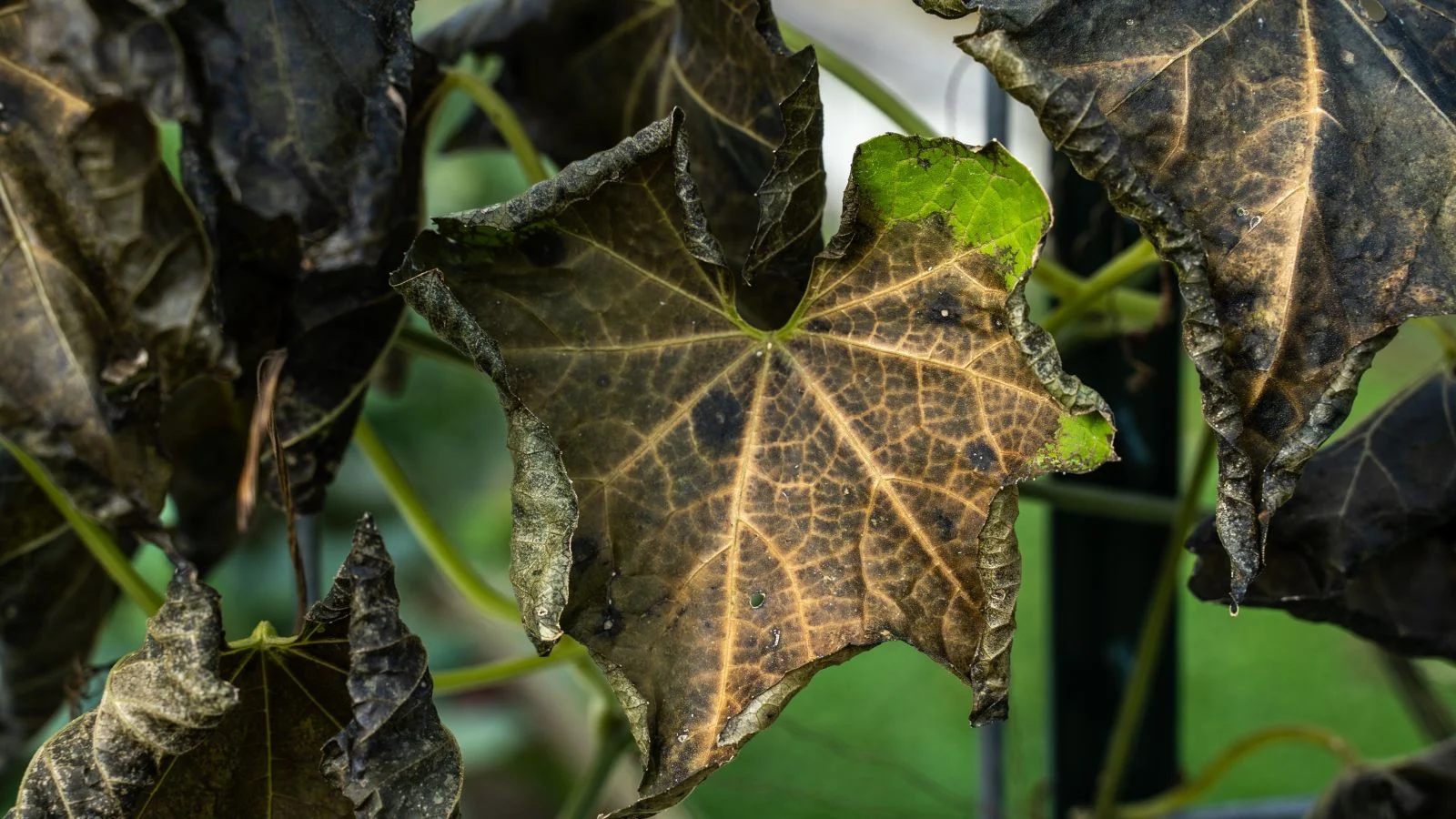 Don’t cut back damaged growth straight away, as it helps protect plants after spring frost from more damage.
Sometimes you do everything right, and the frost still gets a few plants. Don’t pull them out immediately. A plant may recover once temperatures warm up. Give it a few days before deciding whether it’s gone.
If the damage is limited to leaf tips or outer foliage, the plant will probably push out new growth once conditions improve. Resist the urge to prune off damaged tissue right away. The dead leaves provide some insulation for the healthy growth underneath, and cutting too early can expose the plant to further cold if another frost follows.
If the stem is mushy and dark all the way through, the plant is unlikely to come back and you’re better off replanting. For warm-season crops like tomatoes and peppers, it’s worth keeping a few backup seedlings indoors through the end of frost season for exactly this reason.
A short mention of Late spring frost helps readers follow the flow.