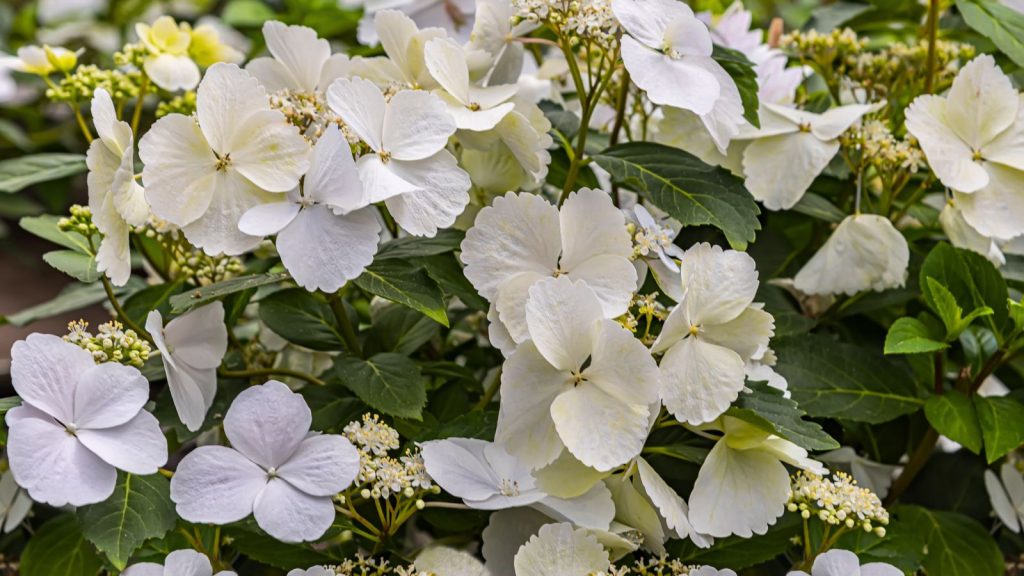
If you’ve ever wished your hydrangeas did something other than form a round mound in the garden, cascade hydrangeas are worth a look. These newer hybrids produce flowers along the full length of their arching stems, not just at the tips. The result looks a bit like a garland of blooms draped across the plant.
Cascade hydrangeas are still relatively new to North American gardens. They first made waves at the 2018 Chelsea Flower Show under the name ‘Runaway Bride’, where they won Plant of the Year. Since then, a handful of varieties have become available, and growers are starting to figure out what these plants actually need to perform well outside of a show garden.
The short answer: the basics aren’t complicated, but there are a few things you need to get right.
Cascade Hydrangea® Overview
Plant Type
Deciduous shrub
Species
Interspecific hybrid (Hydrangea x)
Watering Requirements
Moderate
Pests & Diseases
Deer, aphids, mildew
Soil Type
Moist, well-draining
What Are Cascade Hydrangeas?
Cascade hydrangeas are hybrids developed by Japanese breeder Ushio Sakazaki. Unlike traditional hydrangeas that bloom in clusters at the ends of their branches, cascade types set flower buds at every leaf node along each stem. This gives the whole plant a layered, flowing look that’s quite different from anything else in the hydrangea world.
They’re sold under the Fairytrail series, with varieties including Fairytrail Bride (white), Fairytrail White, Fairytrail Green (lime green), and Fairytrail Fresco (pink or blue depending on soil pH). Most are hardy in zones 5 to 9, though gardeners at the edges of that range should plan for some winter protection.
These plants grow to about four feet tall and four feet wide at maturity, with a loose, horizontal habit that makes them particularly good in containers and hanging baskets. They bloom on old wood, which is the most important thing to understand before you do anything else with them. More on that below.
Characteristics
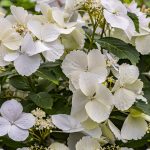
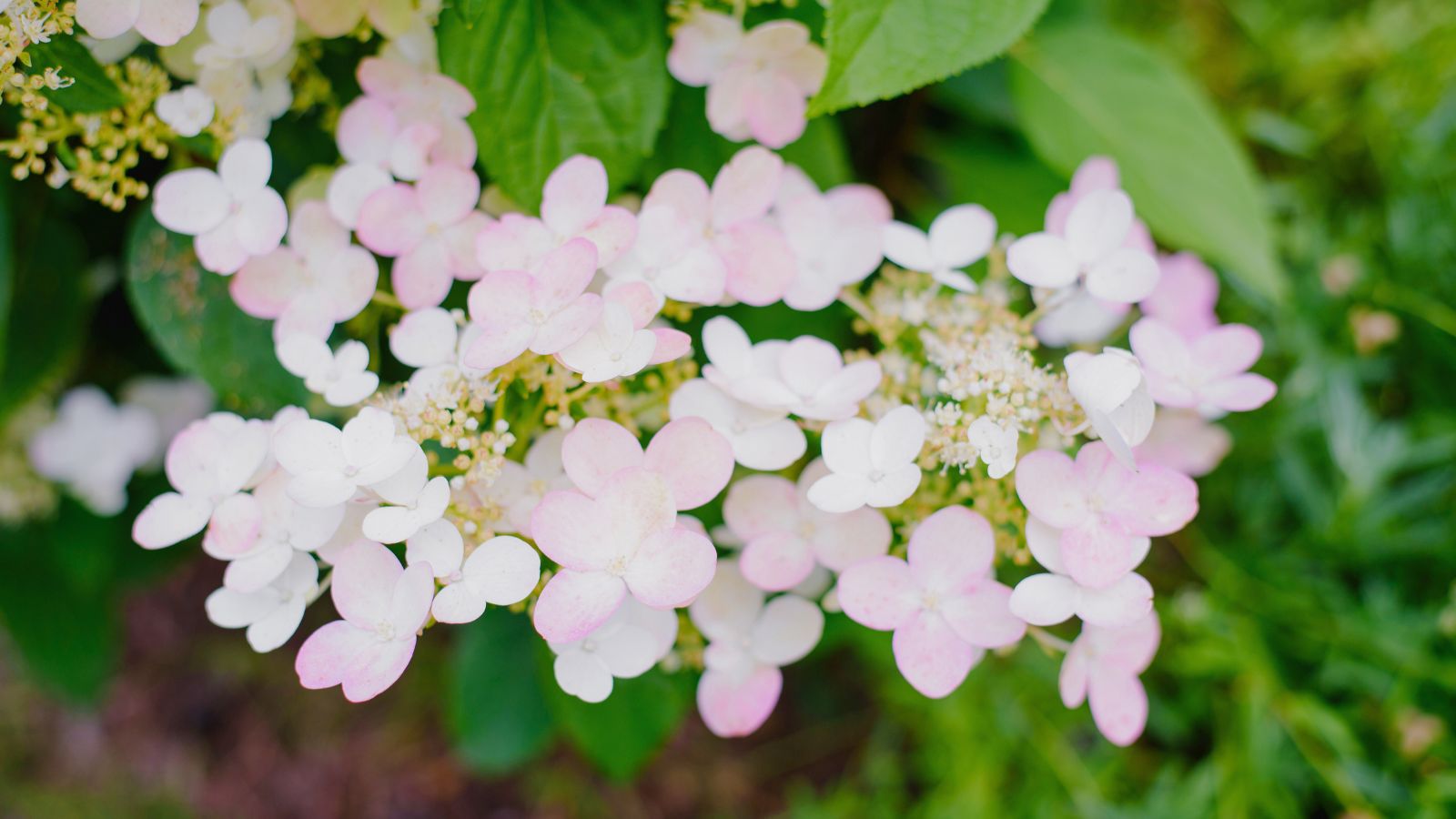 The lacecap flowers make a beautiful statement in gardens.
The flowers are lacecap-style with delicate petals that give them a light appearance. White varieties stay white regardless of soil pH. Fairytrail Fresco can shift between pink and blue depending on soil acidity, similar to traditional bigleaf hydrangeas.
Blooming starts in late spring, earlier than most hydrangeas, and continues through summer with proper care. The stems arch outward and downward as they grow, which is where the cascading effect comes from. New growth initially reaches upward, then develops that characteristic drape once the stems have some length.
Fall colour is an underrated feature. The foliage turns a mix of green, red, and orange before dropping. It’s not something most people mention, but it adds a second season of interest that’s easy to overlook.
Planting
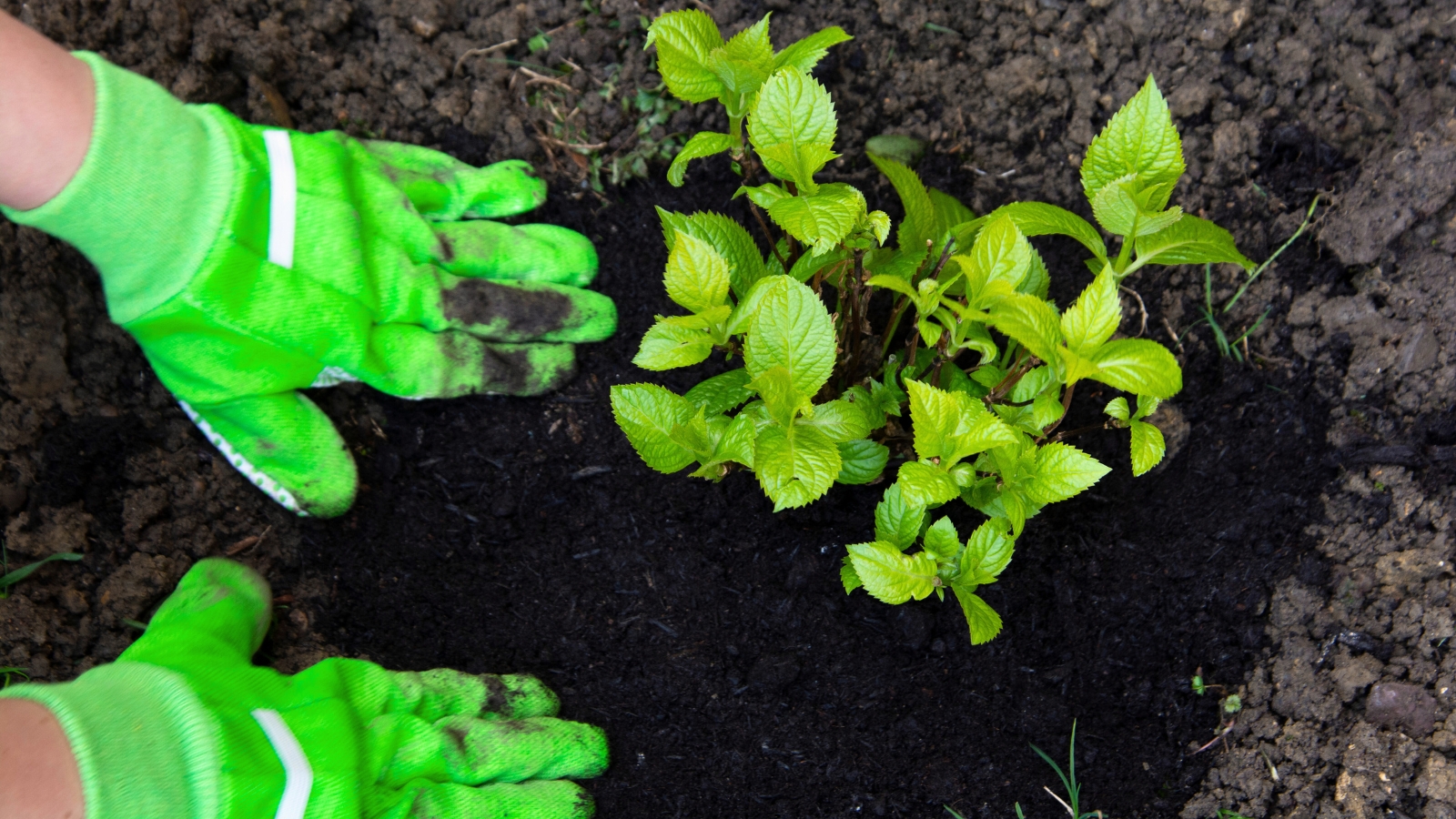 It’s best to amend clay soil before planting.
Choose a spot with morning sun and afternoon shade, or high filtered light throughout the day. Cascade hydrangeas handle more sun in cooler northern climates, but in warmer zones they’ll scorch without afternoon protection.
If you’re planting in the ground, space plants about four feet apart. The soil should drain well but hold moisture. Avoid planting too deep, as burying the crown invites rot. Backfill with the native soil, water thoroughly, and add a layer of mulch to conserve moisture and buffer soil temperatures.
For containers (which suit these plants well), choose a pot at least 16 to 18 inches across with drainage holes. Use a good quality potting mix and plan on watering more frequently than you would for in-ground plants. Containers dry out faster, especially in summer, and cascade hydrangeas don’t appreciate going dry.
Spring is the best time to plant. This gives roots time to establish before the heat of summer and before the plant puts its energy into flowering.
How to Grow
Once established, these hydrangeas need a little attention to perform their best.
Light
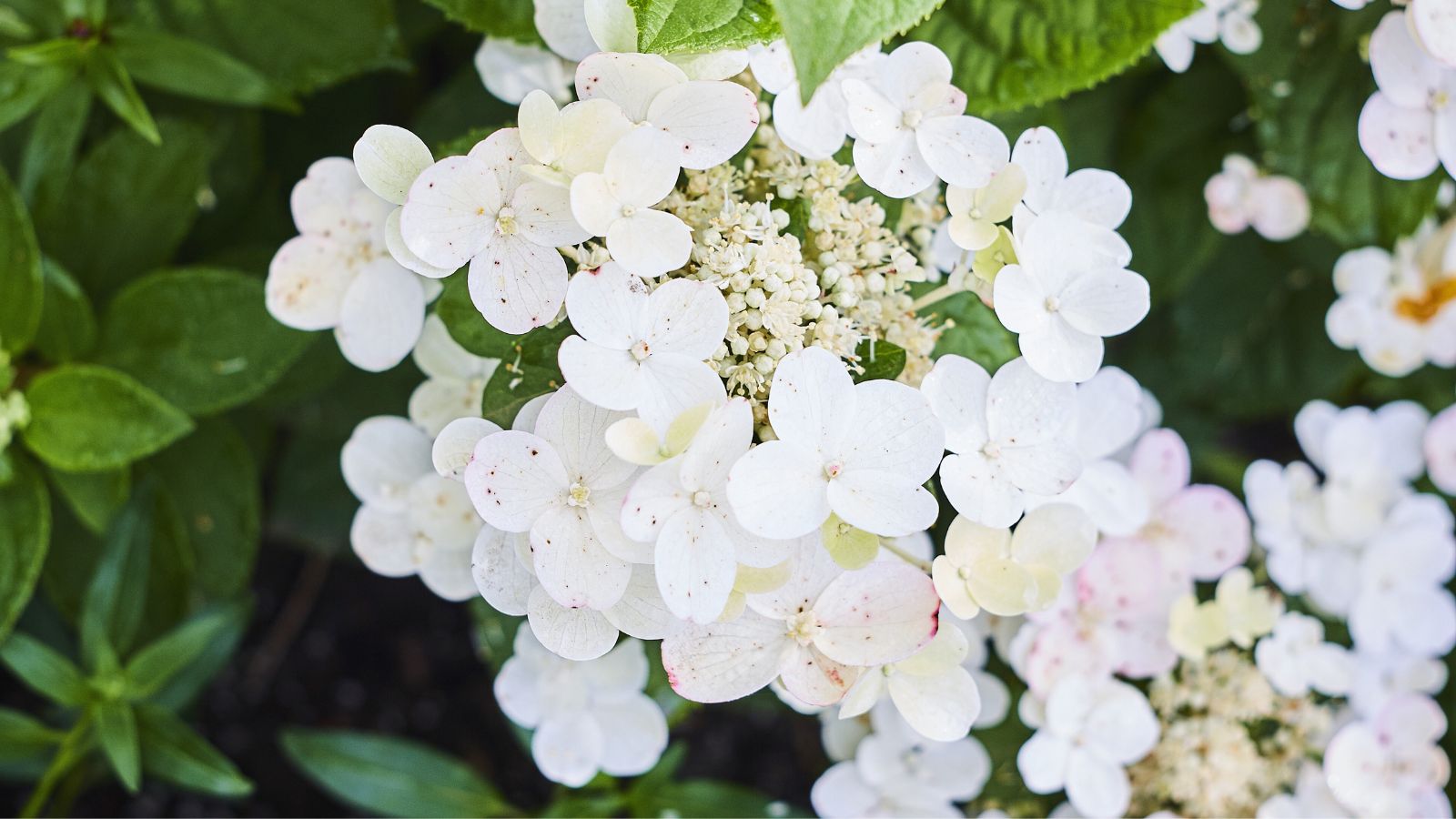 Aim for a position with partial sun for the best possible flowering.
Four to six hours of sun is ideal for these plants. In Northern gardens, cascade hydrangeas can tolerate full sun as long as they get consistent moisture. In the South, afternoon shade is non-negotiable.
A spot with morning sun and dappled afternoon light tends to produce the strongest stems and most flowers without the leaf scorch that comes with too much direct exposure. If your plant looks wilted in the afternoon heat, even with adequate water, it likely needs more shade.
Water
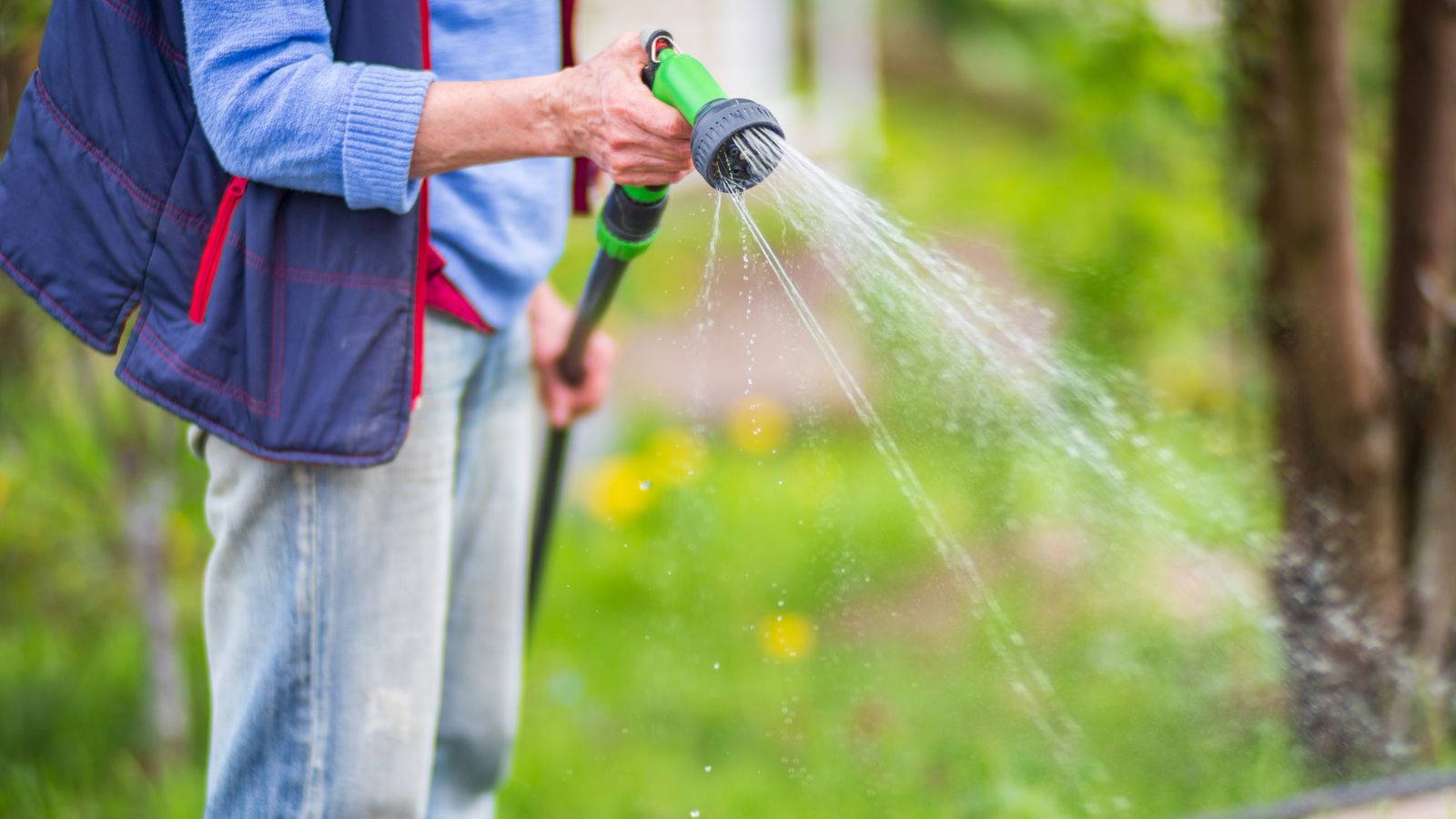 Don’t let the soil dry out too quickly.
Keep the soil consistently moist but not waterlogged. Water when the top inch of soil feels dry, and water deeply at the base of the plant rather than overhead. Wet foliage encourages fungal problems that are easier to prevent than treat.
During hot weather, you may need to water every couple of days, especially for container-grown plants. Mulch helps enormously here. A two to three-inch layer of organic mulch around the base conserves moisture and keeps roots cooler during summer.
Reduce watering in fall as the plant prepares for dormancy, but don’t let it dry out completely before the ground freezes.
Soil
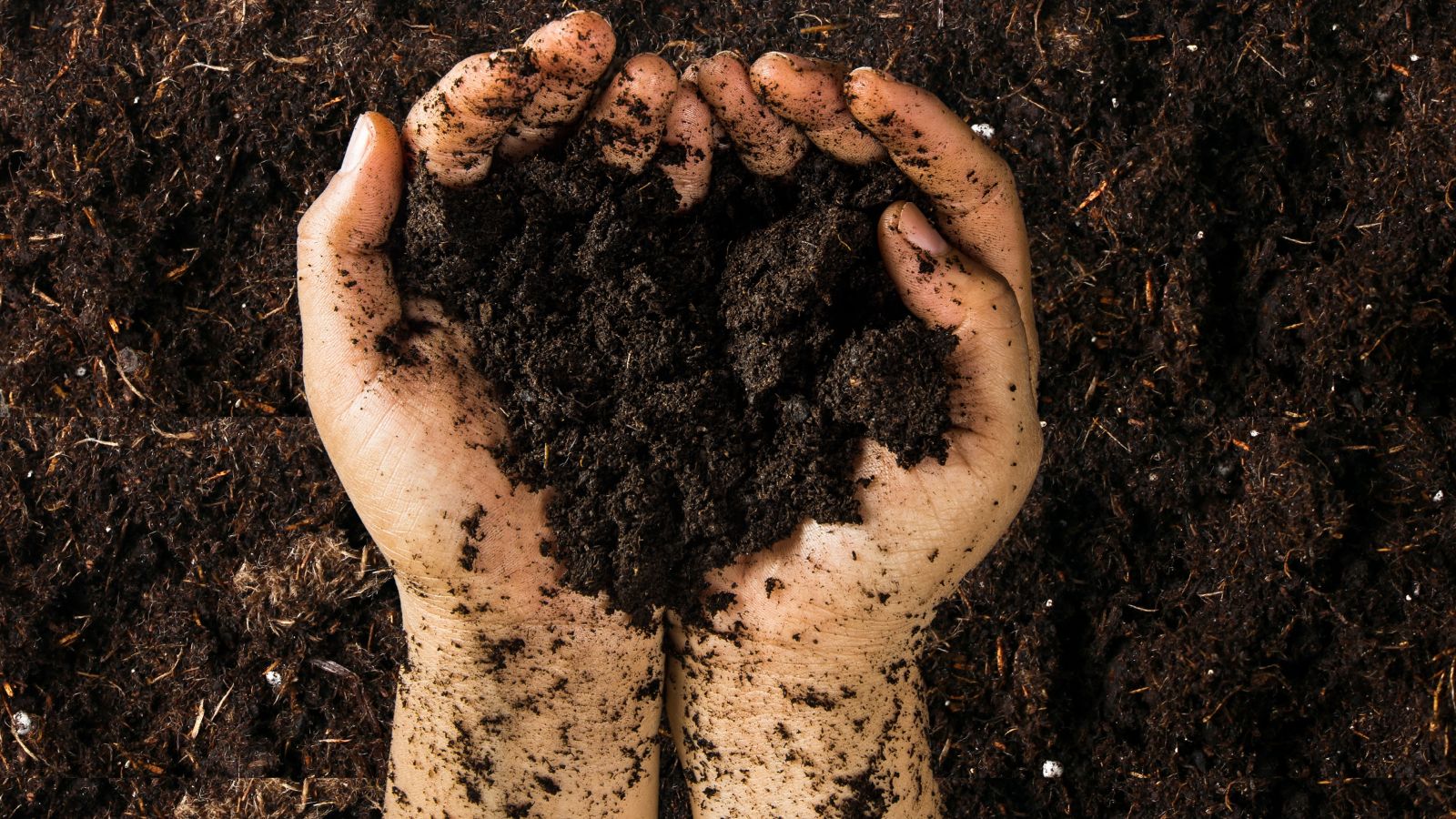 Heavy clay soil creates root problems.
Cascade hydrangeas prefer average, well-drained soil with consistent moisture. They’re not particularly fussy about soil type as long as drainage is adequate. Heavy clay that stays soggy will cause root problems.
For white-flowering varieties like Fairytrail Bride, soil pH doesn’t affect bloom colour at all. If you’re growing Fairytrail Fresco and want blue flowers, aim for acidic soil (pH below 6). For pink blooms, keep the soil more alkaline. A soil test takes the guesswork out of this.
Temperature and Humidity
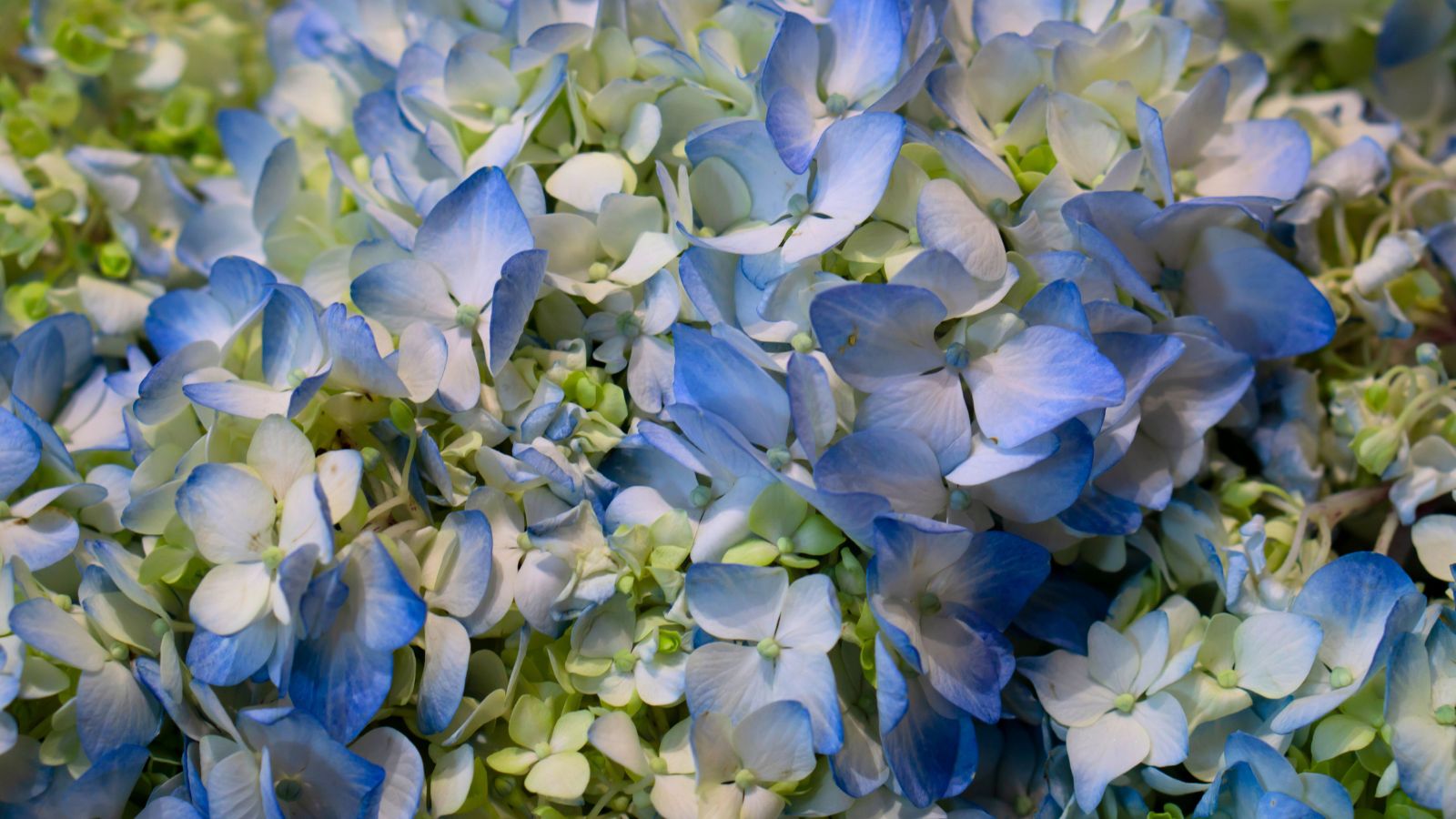
Zones 5 to 9 cover the current recommended range. That said, cascade hydrangeas are a relatively new hybrid and cold hardiness data is still evolving. Gardeners in zone 5 should mulch heavily in fall and consider some form of winter protection for the first few years while the plant establishes.
In warmer climates, heat tolerance is generally good as long as the plant has adequate water and afternoon shade. Average humidity is fine. These aren’t tropical plants that demand high humidity, but they don’t love the dry air of extreme heat either.
If you’re in a borderline zone, growing in a container gives you the option of moving the plant to a sheltered spot for winter. Keep it cool enough to stay dormant but protected from prolonged hard freezes.
Fertilizer
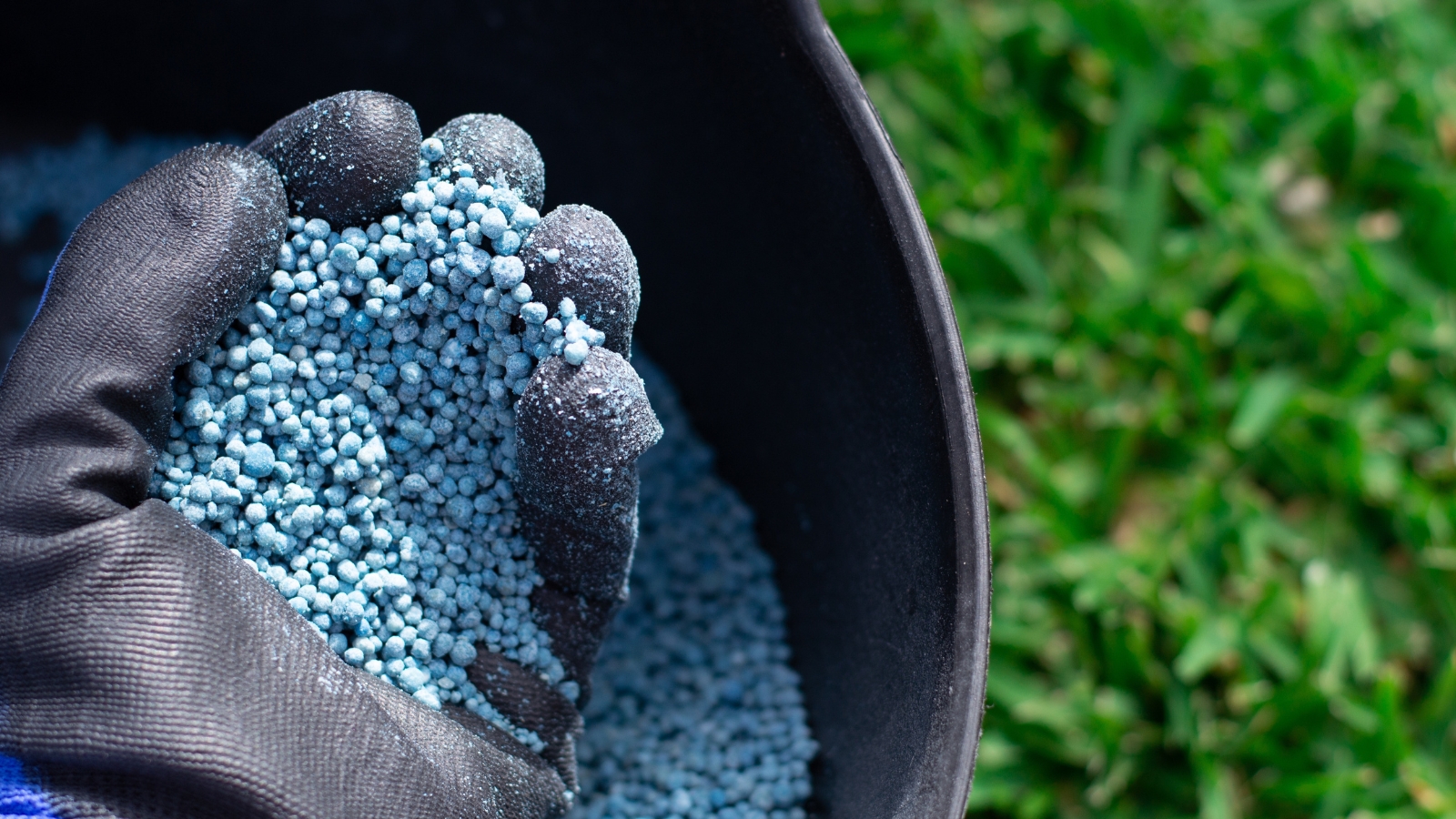 Feed once per year in spring for the best results.
Feed once in spring with a granular rose or hydrangea fertilizer as new growth begins. That’s usually enough. If your plant is putting on lots of green growth but not flowering well, you may be overfertilizing with a nitrogen-heavy product.
Avoid fertilizing after midsummer. Late feeding encourages tender new growth that won’t harden off before winter, which can lead to dieback and lost flower buds.
Maintenance
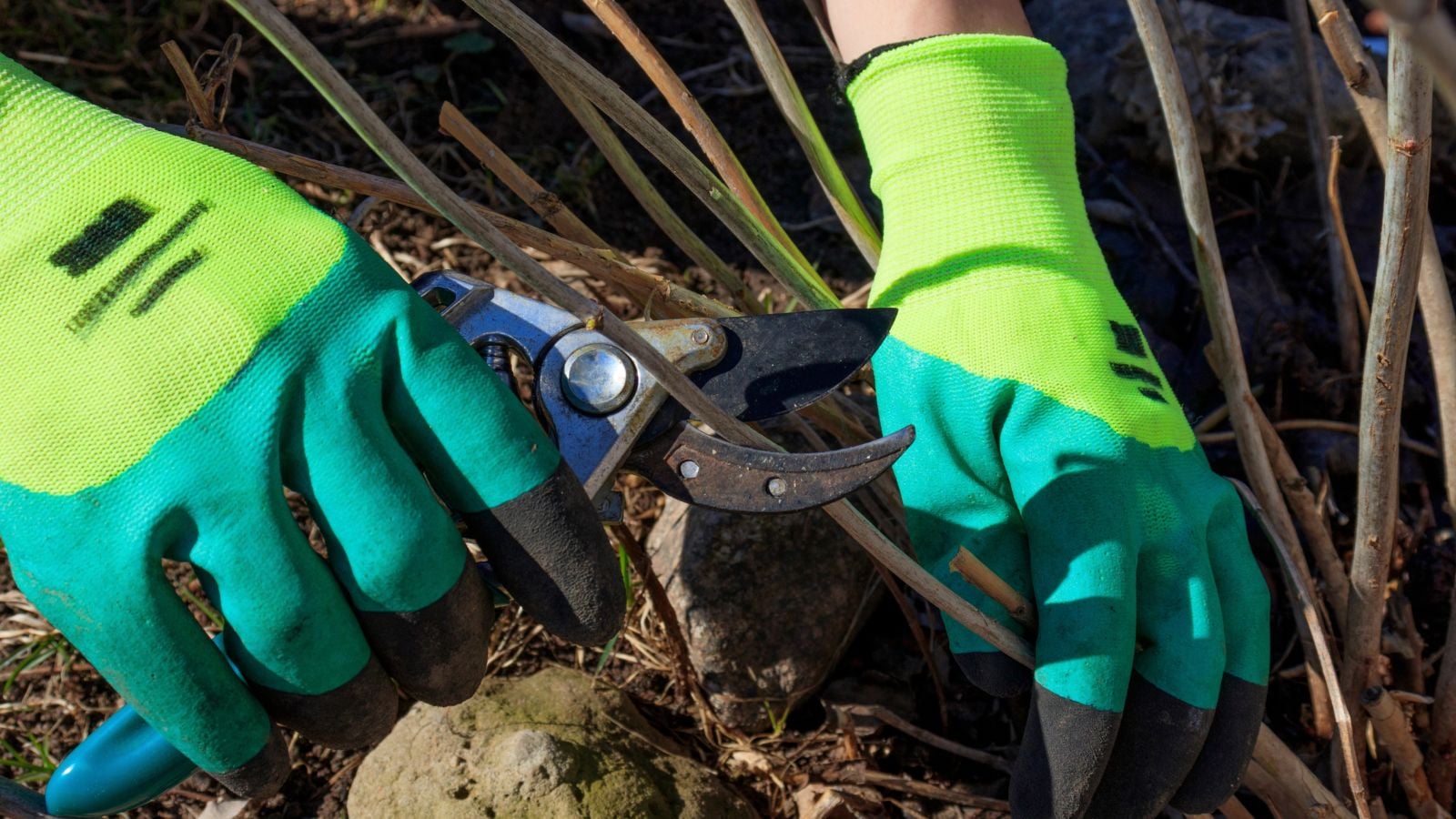 Be careful about when you prune back the shrubs.
These plants bloom on old wood, meaning they form next year’s flower buds during the current growing season. Any trimming or cutting back removes buds and reduces (or eliminates) the following season’s blooms. This is the single most common mistake gardeners make with these plants, and it’s the hardest to undo because you won’t see the consequences until the next flowering season.
The only pruning you should do is removing obviously dead wood in spring, after new growth has emerged and you can see what’s alive. If the shrub is getting too large after a few years, you can selectively thin up to one-third of the oldest branches in late winter. But don’t shape it, don’t tidy it up in fall, and don’t cut back stems that look bare in winter. They’re probably holding buds.
Propagation
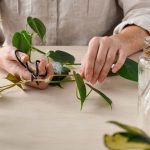
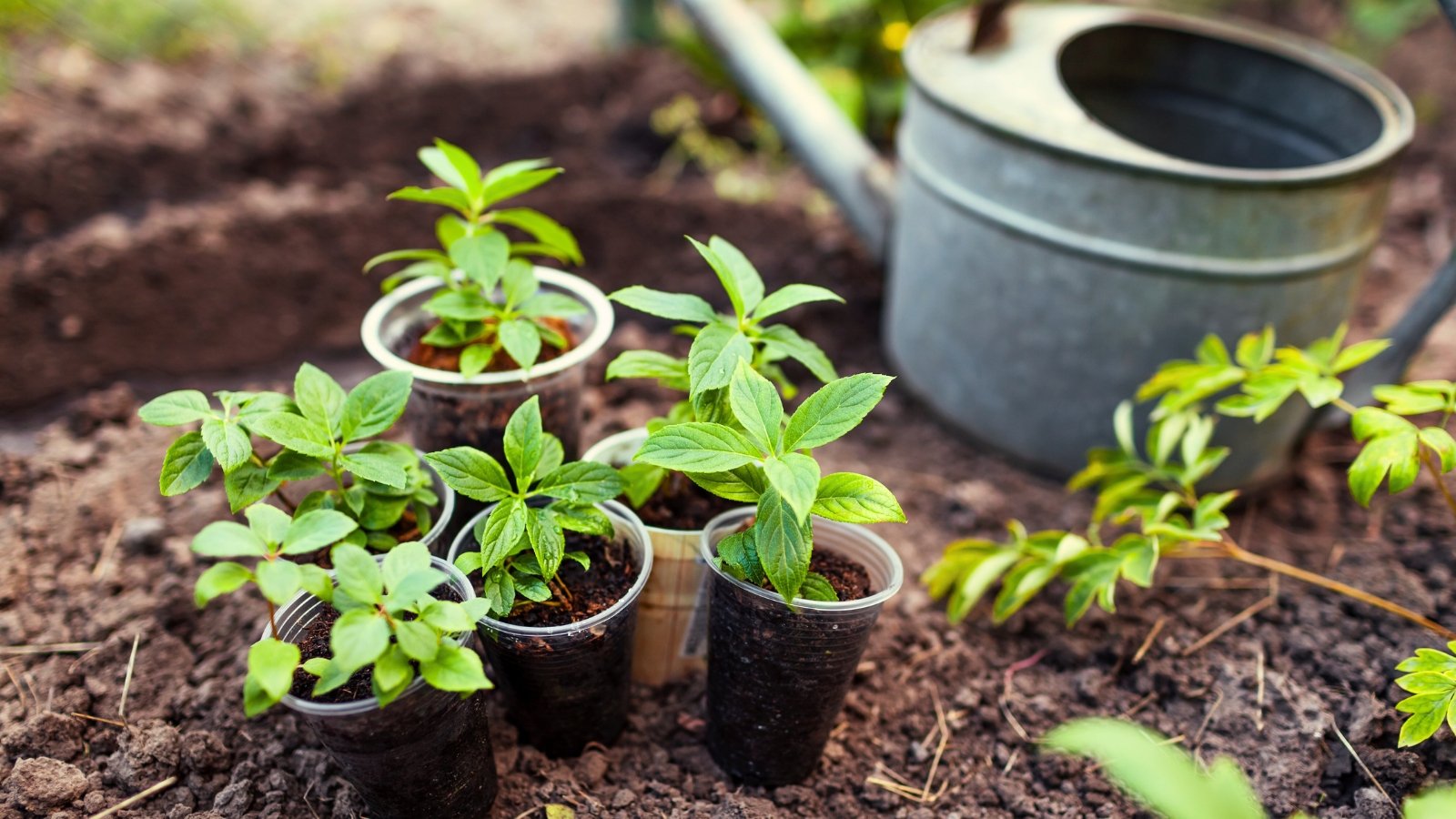 Take cuttings from new, flexible growth.
Cascade hydrangeas can be propagated from softwood cuttings taken in late spring or early summer when the new growth is still flexible.
Take a cutting about four to six inches long from a healthy stem, just below a leaf node. Remove the lower leaves, leaving one or two pairs at the top. Dip the cut end in rooting hormone and insert it into a pot filled with a moist mix of perlite and peat (or a seed-starting mix that drains well). Cover with a plastic bag or humidity dome to keep moisture levels up, and place in a warm spot with bright indirect light.
Roots typically develop within four to six weeks. You’ll know they’re forming when the cutting resists a gentle tug. Once rooted, pot up into a larger container and grow on for a full season before planting out.
Keep in mind that cascade hydrangea varieties are patented. Propagating them for personal use is generally fine, but selling propagated plants is not permitted.
Common Problems
Cascade hydrangeas are largely trouble-free, but a few issues come up regularly.
Lack of Flowers
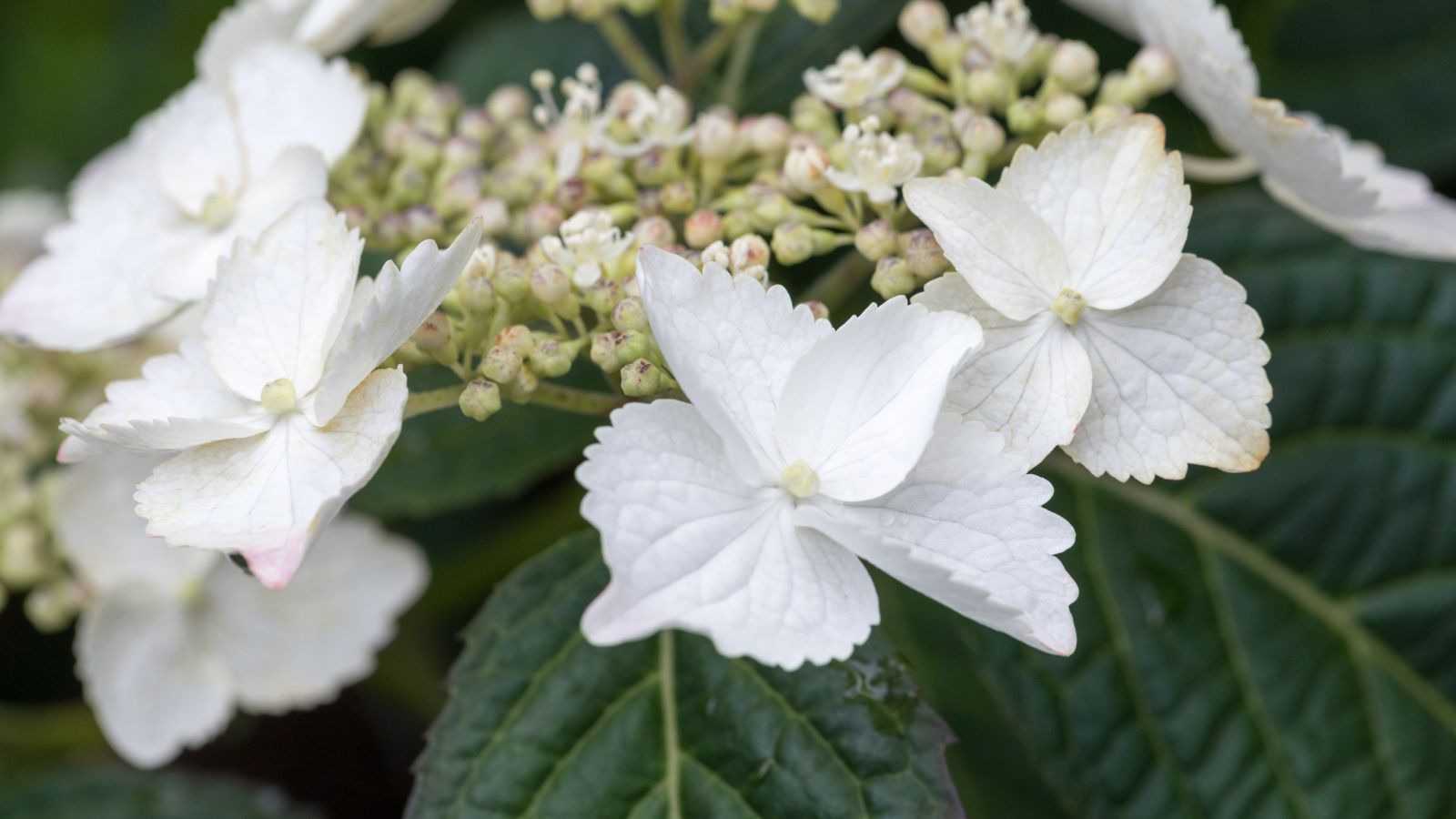 No flowers could be a sign of a pruning issue.
This is almost always a pruning problem. Because cascade hydrangeas bloom on old wood, any cutting back removes the buds that would have become next season’s flowers. If your plant is healthy but not blooming, think about whether it was pruned the previous season, or whether winter dieback damaged the old stems where buds form.
Deer and rabbits can also strip developing buds in spring, which removes the flowering potential for the entire season. If wildlife pressure is an issue in your area, protect plants with netting early in the season.
Insufficient light is the other common cause. Plants in too much shade will produce fewer flowers and weaker stems.
Yellowing
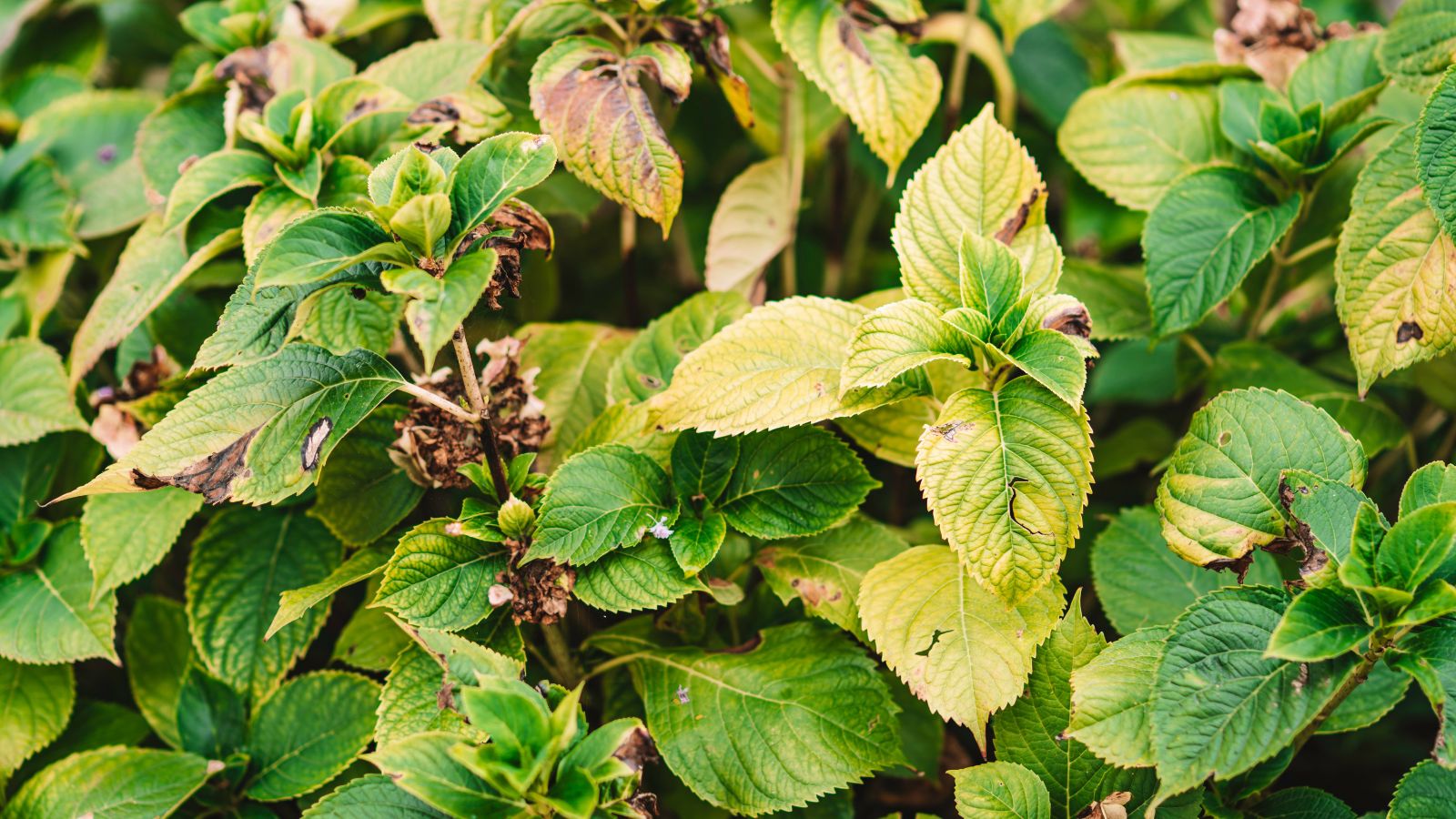 Yellowing leaves often indicate nutrient problems.
Yellow leaves on cascade hydrangeas usually come down to one of a few things. Overwatering or poor drainage is the most common culprit, as soggy roots can’t take up nutrients properly and the foliage shows it. Check that your soil drains well and that you’re not keeping it constantly wet.
Iron deficiency can also cause yellowing, particularly in alkaline soils where iron becomes less available to the plant. If you suspect this, a soil test will confirm it, and fertilizers will help in the short term. For a longer-term fix, lower the soil pH with aluminium sulfate or acidic mulch.
Some yellowing in fall is completely normal. These are deciduous plants and they drop their leaves every year.
Pests
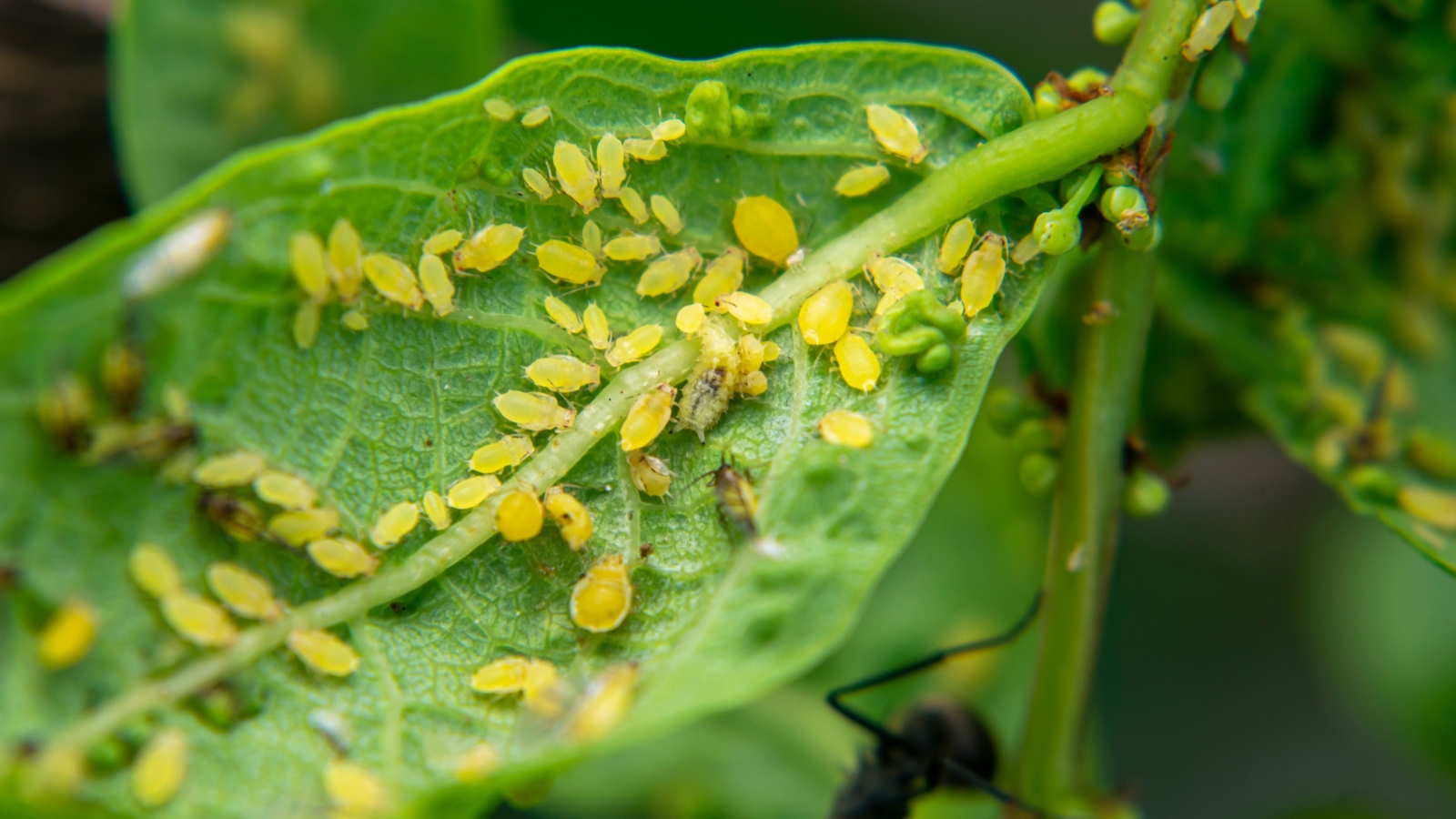 Aphids are a common problem around hydrangeas.
Aphids are the most frequent pest on hydrangeas. They cluster on new growth and feed on sap, leaving behind a sticky residue called honeydew. A strong spray of water from the hose usually dislodges them. For persistent infestations, insecticidal soap or neem oil works well.
Scale insects and spider mites can also show up, though less commonly. Scale looks like small brown bumps on stems and can be hard to spot until populations build. Spider mites cause stippled, dry-looking leaves and are worse in hot, dry conditions. Both respond to horticultural oil applied during the appropriate stage.
Diseases
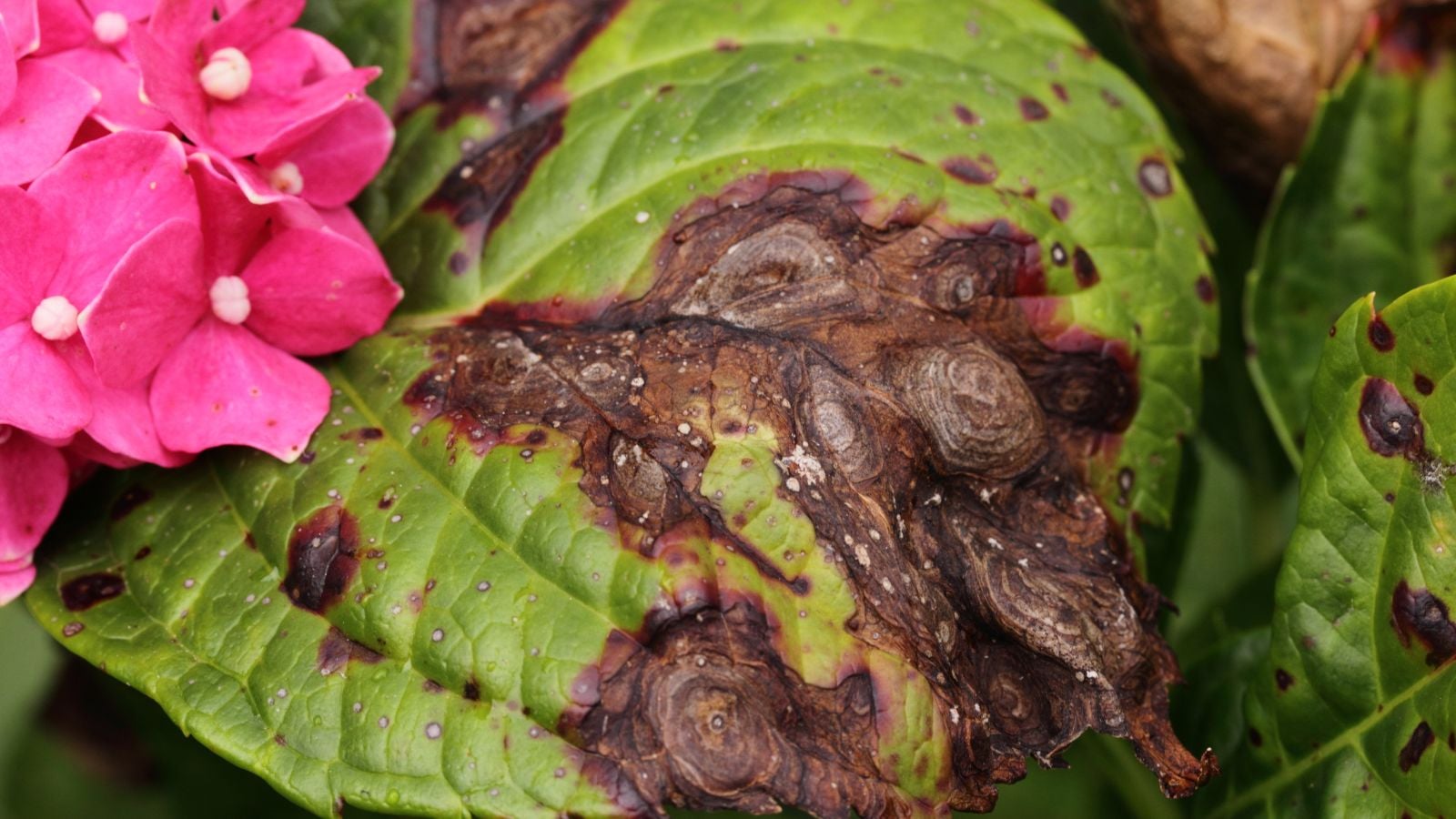 Check your spacing to limit the risk of certain diseases.
Powdery mildew is the most common disease, showing up as a pale grey coating on leaves. It’s worse in shady, crowded conditions with poor air circulation. Give plants enough space, water at the base rather than overhead, and it usually stays manageable.
Cercospora leaf spot causes brown or purple spots on leaves, starting from the lower part of the plant and working upward. Infected leaves can turn yellow and drop. Remove affected foliage, clean up fallen debris, and avoid overhead watering. Fungicides are available for severe cases but are rarely necessary if you catch it early.
Botrytis blight can affect flowers and buds in cool, damp weather. It shows up as water-soaked spots on petals that develop into brown lesions. Good air circulation and watering at the base of the plant help prevent it.
Frequently Asked Questions
Yes, and they actually look great in containers. The cascading habit shows off nicely when the stems can spill over the edges of a large pot. Use a container at least 16 inches across with drainage holes and plan on watering more often than you would for in-ground plants.
They start in late spring, which is earlier than most hydrangeas, and continue into summer. Bloom length depends on your climate and how well the plant is cared for.
No. Cascade hydrangeas bloom on old wood and set their buds during the current growing season. Cutting back in fall (or any other time) removes those buds and will cost you flowers the following year.
Unfortunately, no. Deer and rabbits both enjoy the tender buds and new growth. If you live in an area with heavy deer pressure, protect your plants with netting or a repellent, especially in early spring when buds are developing.