Ground cover plants are one of the best long-term solutions for suppressing weeds in your garden. Once established, a dense mat of ground cover leaves very little room for weeds to take hold, shading out the soil and outcompeting anything trying to push through.
Ground cover plants: Quick notes
But getting to that point takes time. Most ground covers need at least one to two growing seasons to fill in completely, and that window is exactly when weeds cause the most trouble. Bare soil between young plants is an open invitation, and weeds will happily take advantage of every gap before your ground cover has a chance to close it.
Keeping weeds under control during this establishment phase doesn’t require much beyond some planning and a bit of early effort. These strategies will give your ground cover the best chance to fill in quickly and do the weed-suppressing job it was planted for.
Plant Densely
If your ground cover fills in quickly, weeds have limited room to grow.
The fastest way to reduce weeds in ground covers is to leave less space for weeds to grow in the first place. Many gardeners follow the maximum recommended spacing on plant labels, which prioritizes long-term growth over short-term coverage.
Closer spacing means your ground cover plants will knit together faster, shading the soil sooner and leaving fewer bare patches where weed seeds can germinate. You’ll spend more on plants upfront, but you’ll save yourself months of weeding while you wait for the ground cover to fill in at wider spacing.
How close you plant depends on the species. Aggressive spreaders like creeping thyme or ajuga can handle wider spacing because they fill gaps quickly on their own. Slower growers like creeping phlox or sedum benefit from tighter planting.
If the label says 12 inches apart, try eight to 10 instead. You’re not necessarily going to harm the plants by giving them less room. They’ll simply reach each other sooner.
The one thing to avoid is planting so densely that you create airflow problems. Ground cover that’s packed too tightly with no air circulation can develop fungal issues, especially in humid climates. There’s a balance between fast coverage and healthy growing conditions, and it takes some judgment based on your specific plants and environment.
Use Cardboard
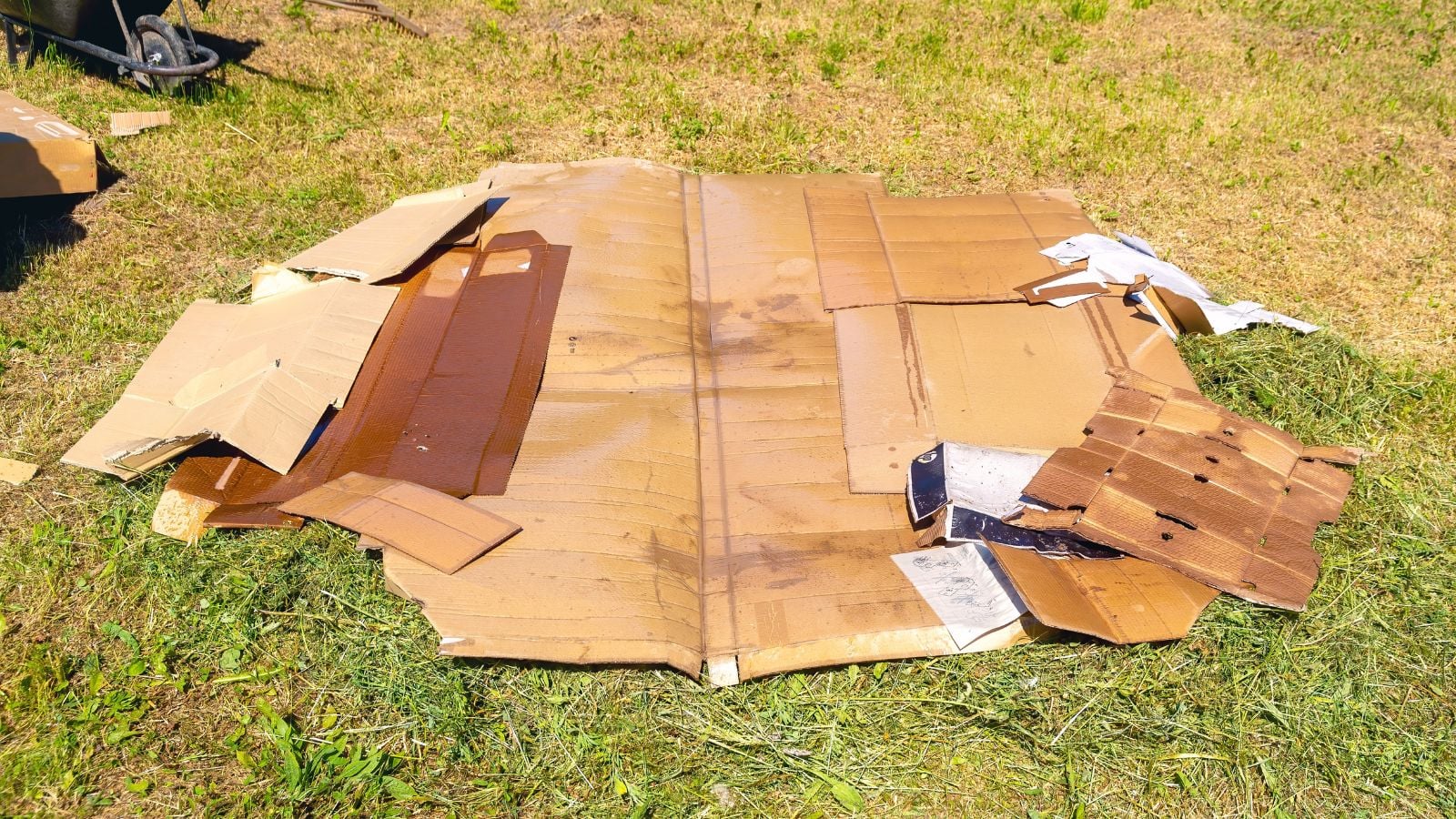 Covering open soil with cardboard suppresses weed growth.
Laying cardboard between your ground cover plants is one of the most effective and inexpensive weed barriers available. It blocks light from reaching weed seeds in the soil, preventing germination while your ground cover establishes above it.
Use plain, uncoated cardboard with any tape, staples, or labels removed. Lay it directly on the soil around your ground cover plants, overlapping the edges by a few inches so there are no gaps for weeds to push through. Cut holes where your plants are and leave enough room around each stem for growth and airflow.
The reason cardboard works so well for ground cover specifically is that it’s temporary. Unlike landscape fabric, which persists for years and can interfere with spreading roots and natural soil processes, cardboard breaks down over the course of a growing season. By the time it decomposes, your ground cover should be well on its way to filling in, and the decomposed cardboard adds organic matter to the soil in the process.
Wet the cardboard thoroughly after laying it down to keep it in place and speed up the initial softening. On its own, dry cardboard will shift around in the wind and look untidy. A layer of mulch on top solves both problems.
Apply Mulch
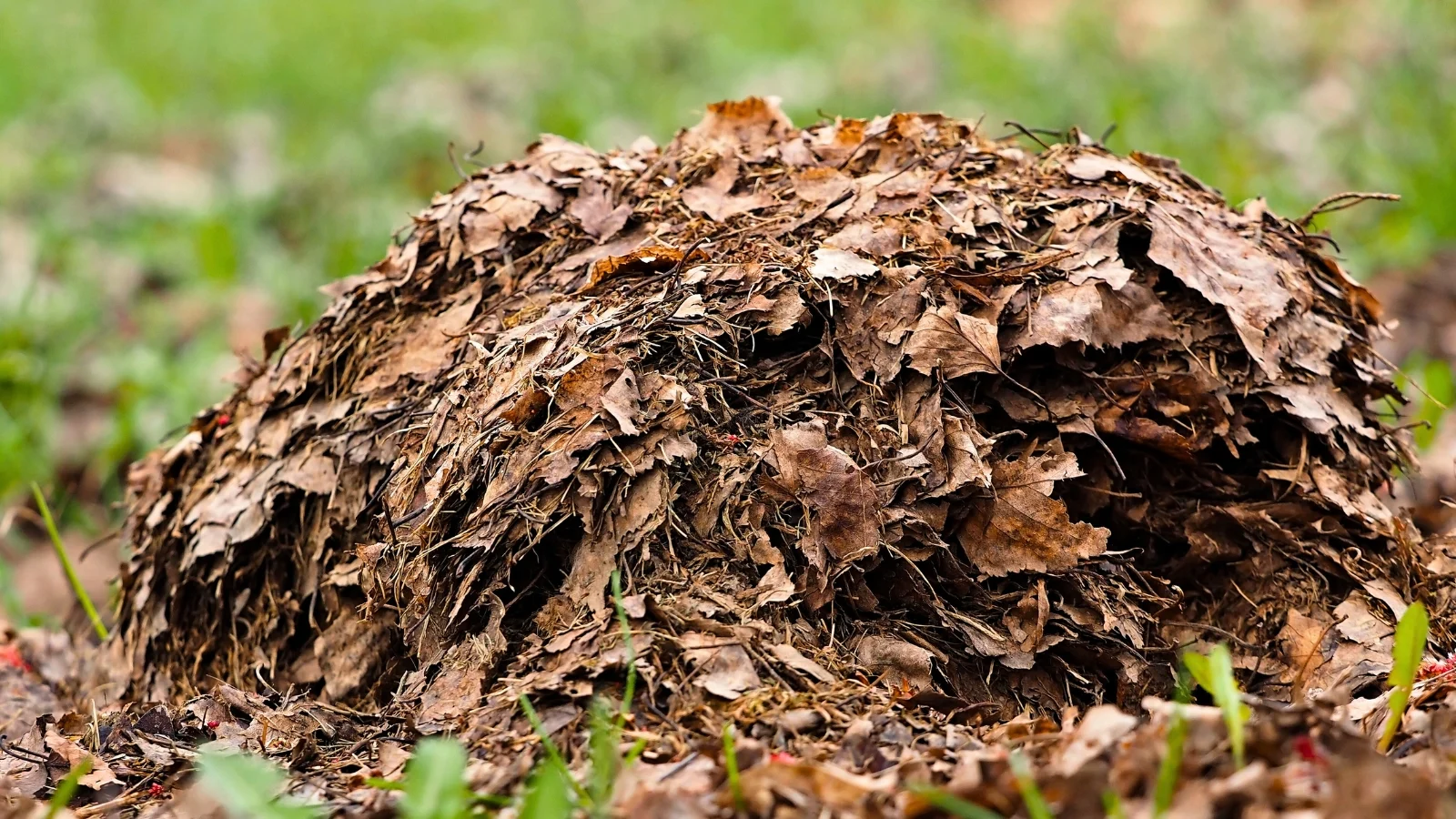 A layer of mulch slows weed germination.
Speaking of mulch, it works alongside dense planting and cardboard to suppress weeds during the establishment period, too. A layer of organic mulch between your ground cover plants blocks light, retains soil moisture, and creates an environment that’s difficult for weed seeds to germinate in.
Apply two to three inches of mulch around your ground cover, keeping it a couple of inches away from the stems to prevent moisture buildup and potential rot. Fine-textured mulches like shredded bark or leaf mold work better around ground cover than chunky options, as they settle into the spaces between plants more naturally and are easier for spreading ground cover to grow through.
When applying, make sure you don’t overdo the depth. You want enough to suppress weeds but not so much that your ground cover can’t spread. As your ground cover fills in, you’ll need less and less mulch. Eventually, the plants themselves become the mulch, shading the soil and performing the same function. At that point, you can stop adding mulch to those areas entirely.
Pull Weeds Early
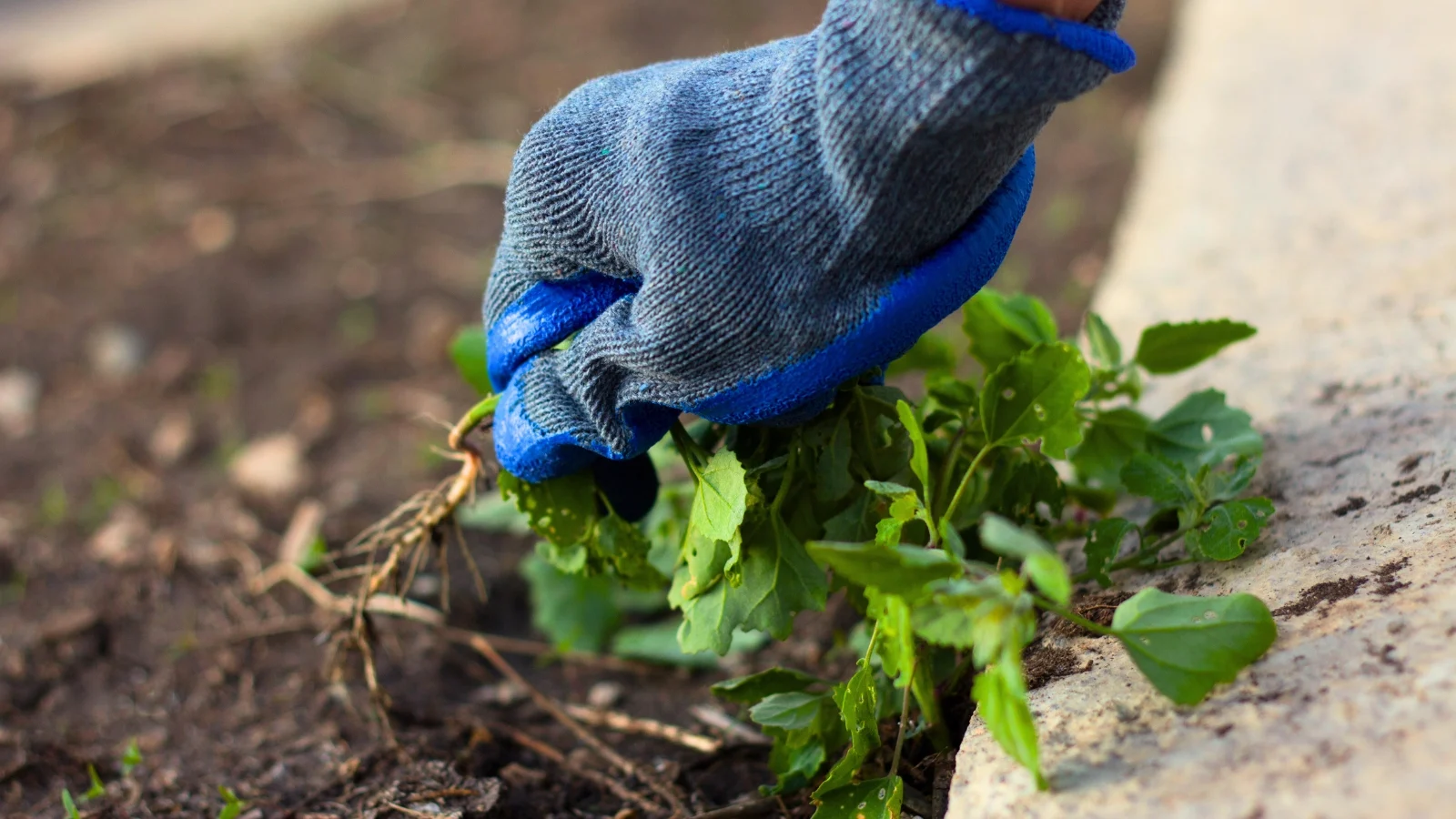 Younger weeds are easier to pull by hand.
Even with dense planting, cardboard, and mulch, some weeds will still appear. Luckily, young weeds are easy to pull. Their root systems are shallow and undeveloped, and they come out cleanly with minimal disturbance to the surrounding soil and ground cover. If you wait a few weeks, those same weeds will have established deep roots, competing with your ground cover for nutrients and moisture.
Make a habit of walking through your ground cover areas regularly during the first couple of growing seasons. A quick five-minute pass once a week to pull any visible weeds keeps things under control with very little effort.
Pull weeds by hand rather than using tools whenever possible. Hoes and cultivators are efficient in open beds, but they can damage the shallow roots and spreading stems of ground cover plants. Hand pulling is more precise and less likely to uproot or disturb the plants you’re trying to protect.
Always pull weeds before they flower. A single weed that goes to seed in the middle of your ground cover can produce hundreds or thousands of seeds that settle into exactly the kind of sheltered, moist environment where they germinate best. Removing weeds before they reach that stage breaks the cycle and reduces your workload in future seasons.
Control Other Areas of Your Garden
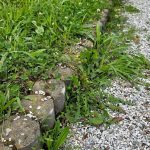
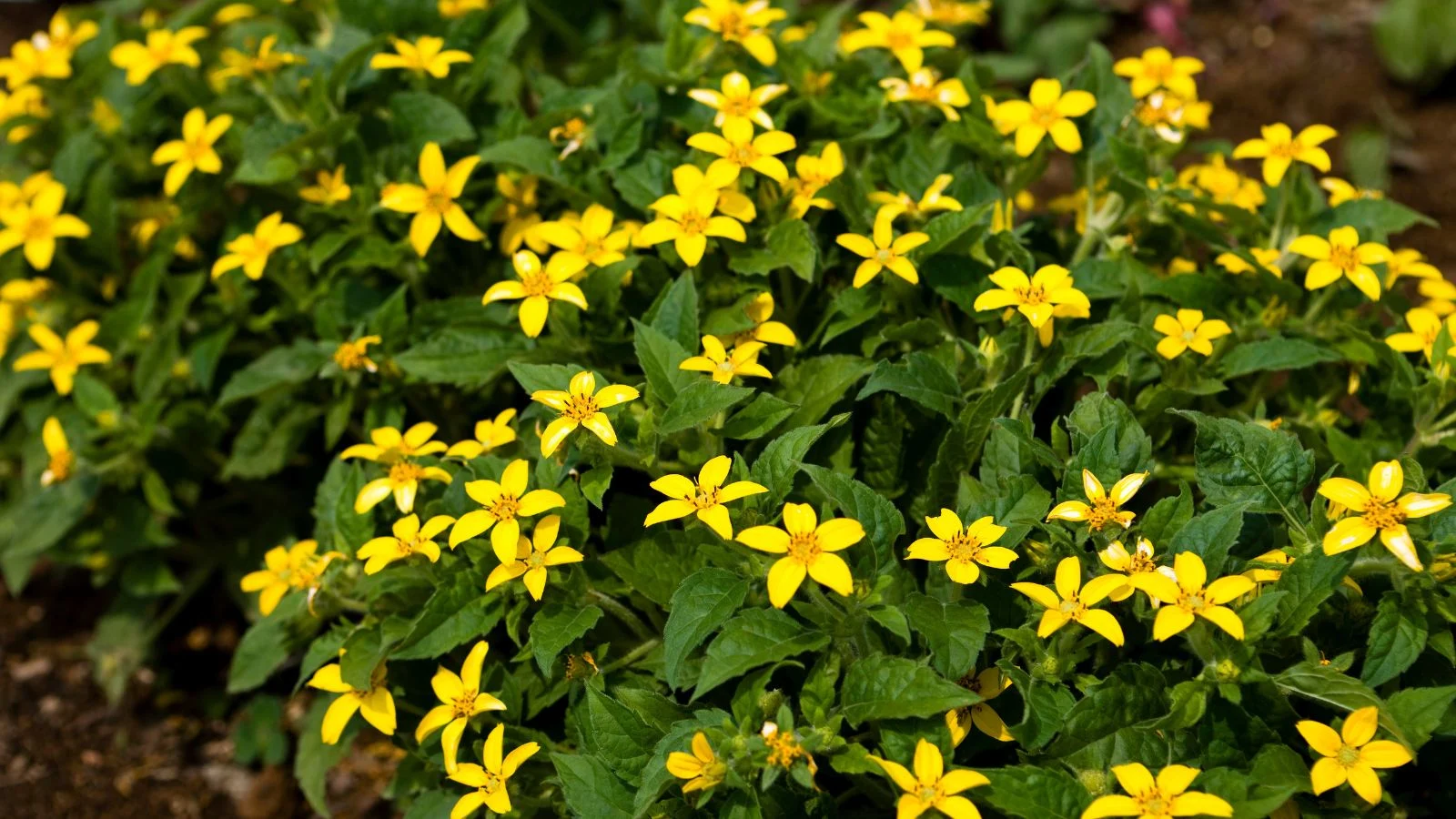 Keep flowering weeds under control in other parts of your garden.
Weeds in your ground cover don’t always start there. Seeds can blow in from nearby garden beds, lawn edges, paths, and any other area where weeds are allowed to mature and spread unchecked. Keeping the rest of your garden reasonably weed-free reduces the seed pressure on your ground cover.
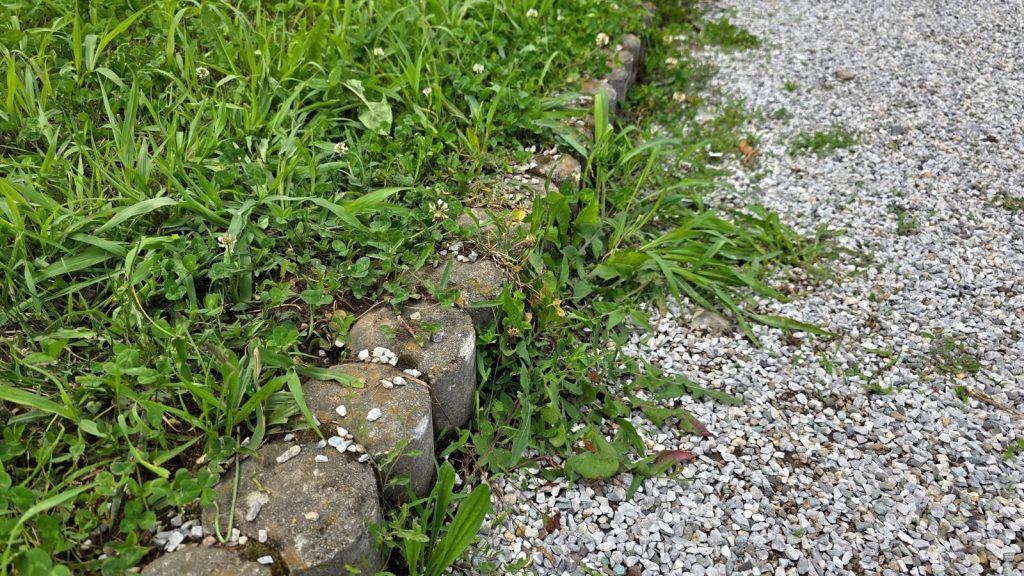
Pay particular attention to the borders around your ground cover plantings. Lawn edges, garden bed margins, and gaps in hardscaping are common spots where weeds establish and then creep into adjacent areas. Maintain clean edges and stay on top of weeds in these transition zones.
It also helps to avoid bringing weeds in through contaminated soil or mulch. If you’re adding compost or mulch to your ground cover beds, make sure it’s from a reliable source. Poorly composted material can be full of viable weed seeds, which defeats the purpose of mulching in the first place.