Grow vegetable seedlings — a quick note to anchor this piece for readers.
Grow vegetable seedlings: Quick notes
Growing your own vegetable seedlings is a great way to extend the growing season, choose rare cultivars, control plant health, and save money. Here’s everything you need to know to successfully grow vegetable seedlings at home.
Basics of growing your own vegetable seedlings
Here are the basics of growing vegetable seedlings.
Before planting
- Use a light, well-draining seed-starting mix (avoid garden soil).
- Sanitize trays and tools with a 10% bleach solution to prevent disease.
- Choose fresh, high-quality seeds from trusted sources.
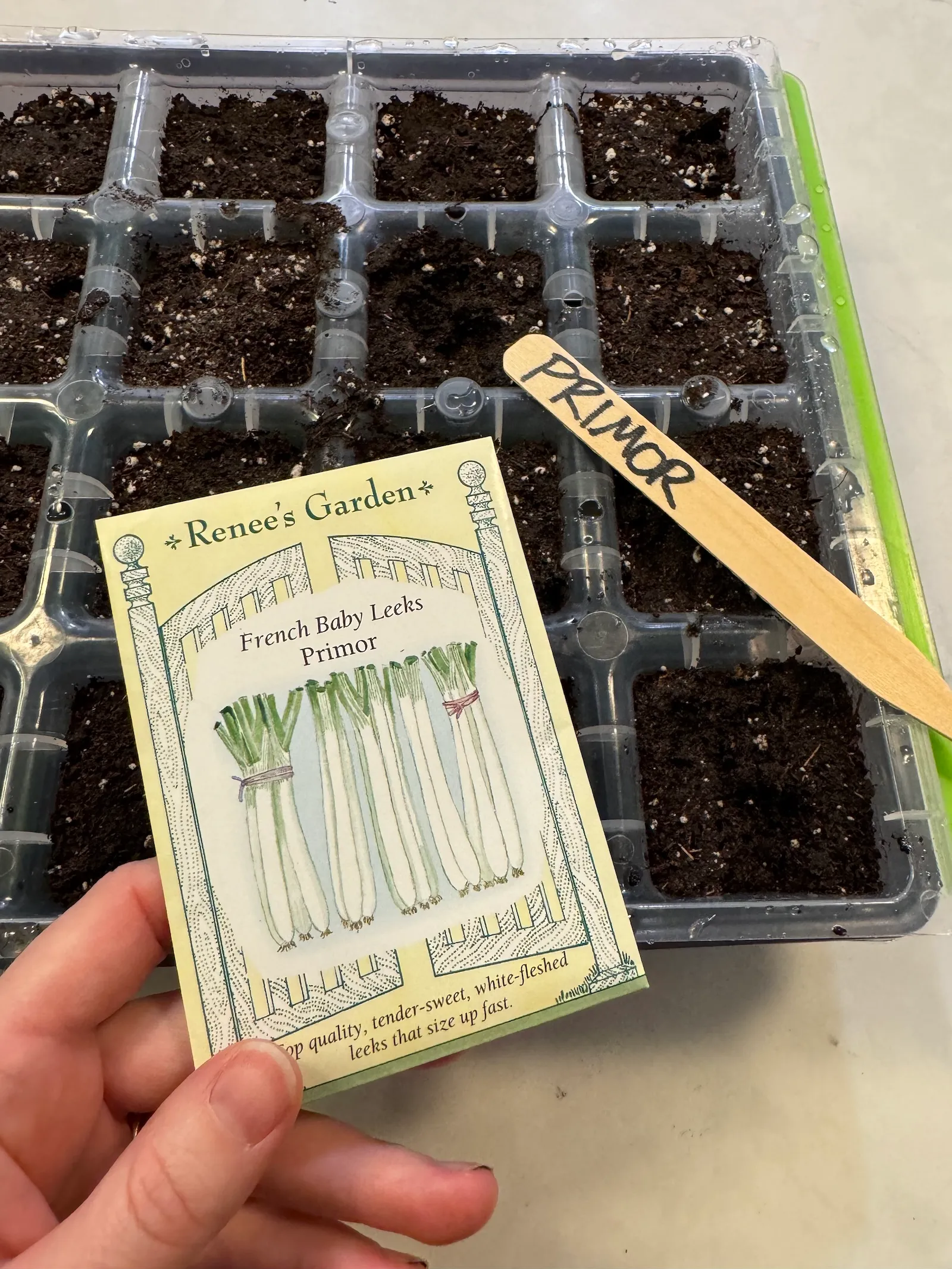
- Write a label for each of the different seeds you will be planting.
At planting time
- Plant seeds at a depth twice their size for proper germination (see tables below).
- Maintain the optimal germination temperature (see tables below).
- Cover seed trays with a clear lid or humidity dome to retain moisture during germination.
Once seedlings appear
- Provide 12-16 hours of light daily after germination with grow lights or bright sunlight.
- Use a small fan for air circulation to prevent mold and strengthen stems.
- Water carefully, keeping soil moist but not waterlogged; bottom watering is best.
Once true leaves appear
- Fertilize with a diluted liquid fertilizer once seedlings develop true leaves.
- Thin seedlings to avoid overcrowding and competition.
- Harden off seedlings by gradually exposing them to outdoor conditions over 1-2 weeks.
Once seedlings have outgrown their tray
- Transplant seedlings when they have 2-4 true leaves.
- Handle them gently.
- Water deeply after transplanting to help seedlings establish roots.
Tips for planting vegetable seeds
Choose a sterile seed-starting mix. Avoid using garden soil, which can contain pests, diseases, and have poor drainage.
Seedling trays with 1-inch wide cells work well for most types of vegetable seedlings. If reusing seed trays or individual containers, wash them with a 10% bleach solution and rinse well to prevent disease spread.
Choose seeds from trusted sources and ensure they are fresh. Plant seeds at a depth twice their size to ensure proper germination, or refer to this table:
Table 1: Recommended Seed Planting Depths for Growing Common Vegetable Seedlings
Vegetable CropSeed Planting Depth (inches)Seed Planting Depth (mm)Broccoli¼6 mmBrussels sprouts¼6 mmCabbage¼6 mmCantaloupe½12 mmCauliflower¼6 mmCollards⅛3 mmCucumber½12 mmEggplant¼6 mmLettuce⅛3 mmOnion¼6 mmPepper¼6 mmSquash½12 mmTomato¼6 mmWatermelon½12 mm
Tips for germinating vegetable seeds
Each vegetable has an optimal germination temperature. Most vegetable seeds germinate best when the soil is slightly above room temperature.
The approximate optimum temperature range for vegetable seed germination is 75–90°F (24–32°C). I use a seedling heating mat or place the trays on a heated floor, and then use a soil thermometer to monitor soil temperature.
Vegetables that grow best in cool temperatures (cool-season vegetables), like lettuce and onion, typically have low optimum germination temperature around 75°F (24°C).
Vegetables that grow best in warm temperatures (warm-season vegetables), like cucumbers, squash, tomatoes, and melons, typically have higher optimum germination temperatures around 80–85°F (27–29°C).
Cover seed trays with a clear plastic lid or humidity dome until about half of the seedlings have emerged to retain moisture.
Table 2A: Seed Depth & Optimum Germination Temperature for Growing Common Vegetable Seedlings (USA)
Vegetable CropSeed Planting Depth (inches)Optimum Germination Soil Temperature (°F)Expected Days to GerminationExpected Time to Transplant (Weeks)Broccoli¼8545–7Brussels sprouts¼8055–7Cabbage¼8545–7Cantaloupe½9034–5Cauliflower¼8055–7Collards⅛8555–7Cucumber½9032–3Eggplant¼8555–7Lettuce⅛7524Onion¼75410–12Pepper¼8585–7Squash½9033–4Tomato¼8555–7Watermelon½9033–4
Table 2B: Seed Depth & Optimum Germination Temperature for Growing Common Vegetable Seedlings (Metric)
Vegetable CropSeed Planting Depth (mm)Optimum Germination Soil Temperature (°C)Expected Days to GerminationExpected Time to Transplant (Weeks)Broccoli6 mm2945–7Brussels sprouts6 mm2755–7Cabbage6 mm2945–7Cantaloupe12 mm3234–5Cauliflower6 mm2755–7Collards3 mm2955–7Cucumber12 mm3232–3Eggplant6 mm2955–7Lettuce3 mm2424Onion6 mm24410–12Pepper6 mm2985–7Squash12 mm3233–4Tomato6 mm2955–7Watermelon12 mm3233–4
Tips for growing seedlings indoors
Once a small green sprout is visible (indicating successful seed germination), place seedlings under grow lights for 12 to 16 hours daily or in a bright window with indirect sunlight. Use a small fan to create air movement around seedlings to strengthen stems and prevent mold or damping-off disease. We are trying to create a situation with lots of light and a bit of wind, to simulate outdoor conditions.
Keep the soil moist but not waterlogged. Overwatering can cause damping-off disease. Bottom watering can help decrease fungal issues.
Once seedlings develop their first true leaves, feed them with a diluted liquid fertilizer every one to two weeks.
If multiple seeds sprout in one cell, remove the weaker ones to prevent competition for nutrients and space. Rather than pulling out the weaker seedlings (and risking harm to the root system of the healthiest seedling), just trim the stems off at the soil line with a small pair of scissors.
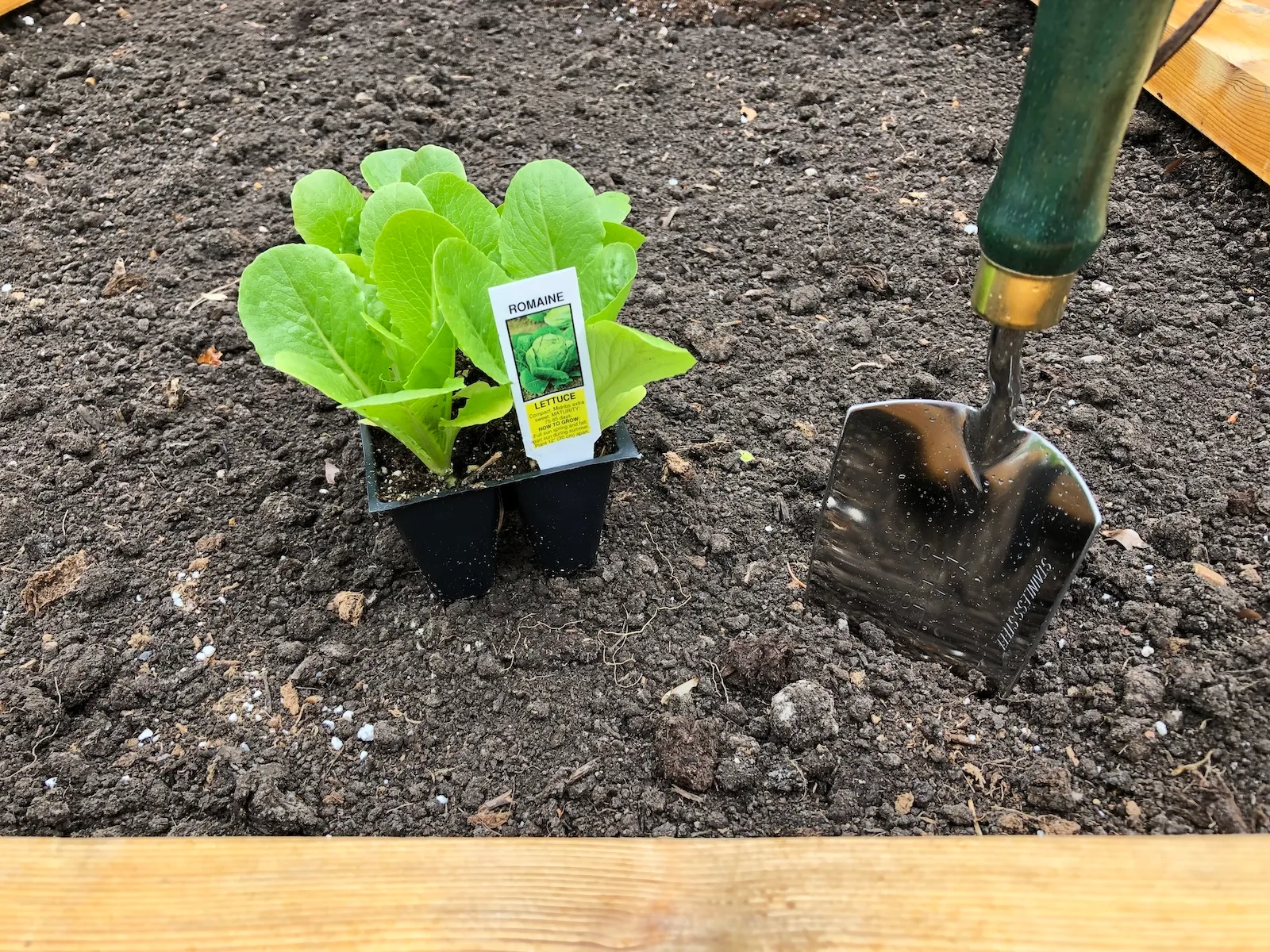
Tips for transplanting seedlings
Most seedlings are ready for transplanting when they have two to four true leaves. Cucumbers, melons, and squash dislike root disturbance, so transplant them while they are still small and have not become root-bound. Other seedlings like lettuce and tomatoes can be left longer in their containers if outdoor temperatures are not optimal. You can also always transplant a seedling into a larger seedling pot if the outdoor garden is not yet warm enough.
Gradually introduce seedlings to outdoor conditions over one to two weeks by placing them outside for a few hours each day and increasing exposure gradually. Handle them carefully to avoid damaging delicate roots. After transplanting, give seedlings a deep watering to help establish their roots in the new location.
A short mention of Grow vegetable seedlings helps readers follow the flow.