
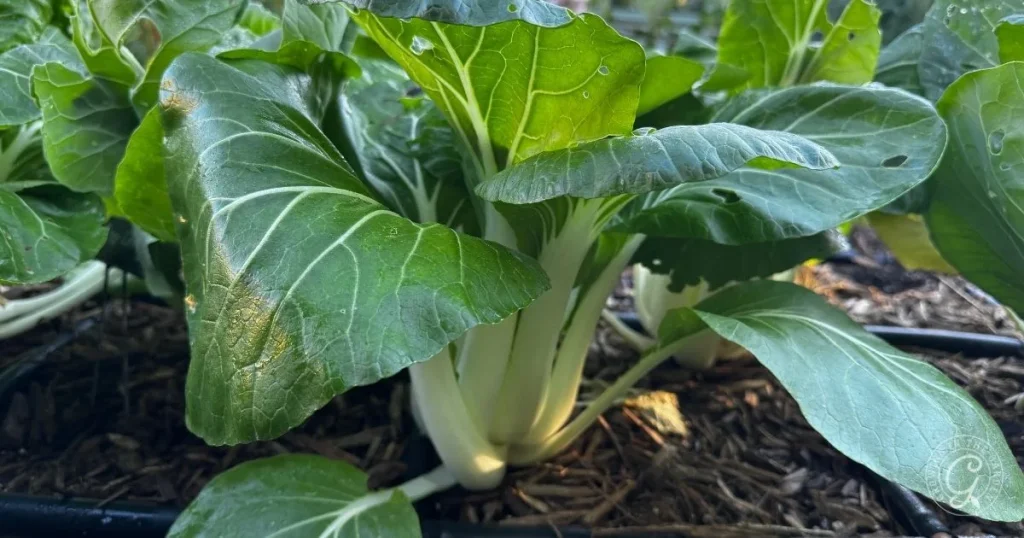
Grow bok choy — a quick note to anchor this piece for readers.
Grow bok choy: Quick notes
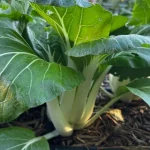
Bok choy (also called pak choi) is one of those vegetables that makes you feel like a gardening genius. It germinates quickly, grows fast, tastes great, and you can harvest it young or let it size up. If you have ever wished for a “quick win” crop that still feels substantial, this is it.
I also love bok choy because it’s easy to plant into the empty pockets around the garden. Reserve a few spots in your beds, and you will be glad you did.
Key Takeaways
- Bok choy is a fast-growing vegetable that you can plant in spring or fall, making it ideal for quick harvests.
- Plant seeds 1/4–1/2 inch deep, and keep the soil consistently moist for optimal germination.
- Space bok choy according to desired size: 4–6 inches for baby versions and 6–12 inches for full-size plants.
- To prevent bolting, plant during cool weather, use young transplants, and maintain consistent moisture.
- Bok choy is versatile in cooking, and common pests include aphids and caterpillars, which require monitoring and control.
When to plant bok choy (most climates)
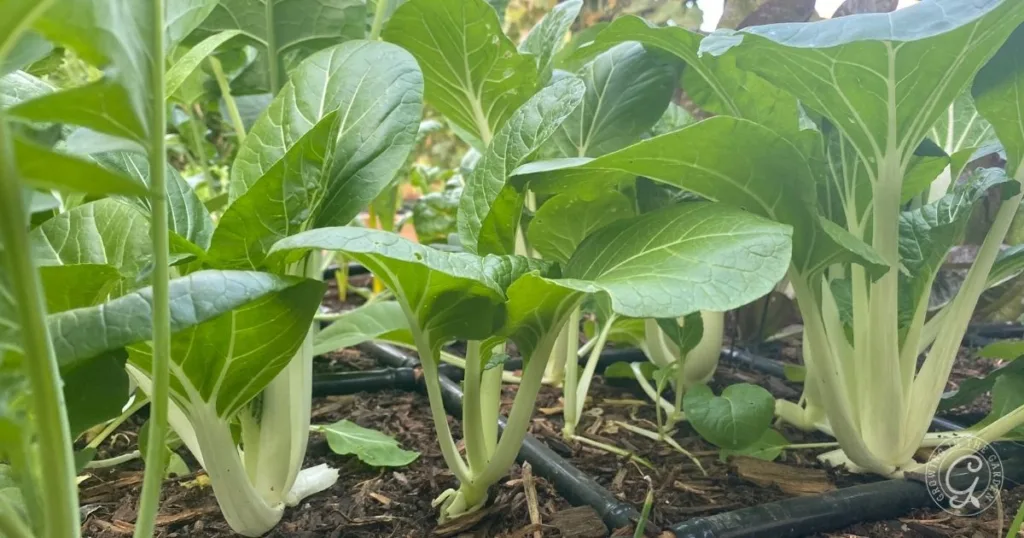
Bok choy grows best when it can mature in cool weather. In most regions, that means spring and fall.
- Spring planting (cold-winter climates): Start seeds indoors about 3–4 weeks before your last frost date, or direct sow once the soil can be worked and the worst cold has passed. The goal is to get a harvest before temperatures warm up and the days get longer.
- Fall planting (most climates): This is the easiest window for many gardeners. Plant in late summer to early fall so plants mature as temperatures cool down.
- Mild-winter climates: Bok choy is often a fall-through-winter crop, and you can keep it going for a long stretch with smart planting and a little protection if needed.
Hot climate tip: If your “spring” turns into summer quicklyt, Plan on planting in fall and early winter.
Low desert of Arizona bok choy planting dates:
If you want to match bok choy timing with the rest of your seasonal planting, my Arizona vegetable planting guide makes it easy to see what to plant when
Hot climate tip: In early fall and again at the end of the season, I plant bok choy in the coolest areas of my garden that get natural afternoon shade and less sun) so it lasts longer and bolts later.
How to plant bok choy
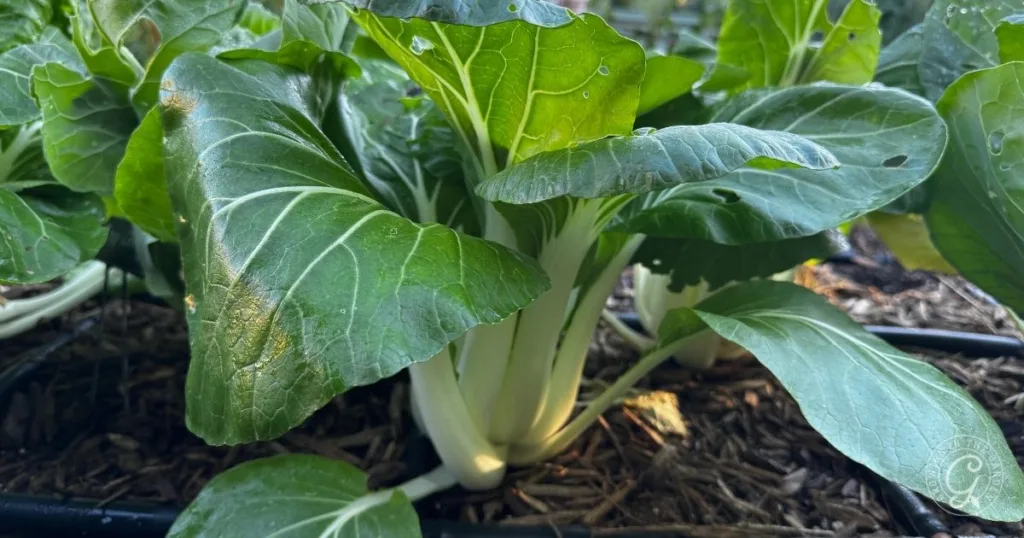
Direct sow seeds 1/4–1/2 inch deep (0.6–1.3 cm) and keep the soil surface consistently hydrated until germination. (A light layer of mulch helps with this.) Bok choy sprouts quickly in the right conditions.
Transplants are great, but use young transplants to prevent bolting.
- Start seeds in cell trays 2–4 weeks before planting out.
- Transplant while seedlings are young, ideally with a few true leaves.
- Avoid letting seedlings become rootbound or stressed.
Hot climate tip: “Bigger is better” is not true for bok choy transplants. Older, stressed seedlings are more likely to bolt quickly once they hit the garden.
Bok choy spacing
Spacing depends on whether you want baby bok choy, medium heads, or full-size plants.
- Baby bok choy: about 4–6 inches apart (10–15 cm)
- Medium to full-size bok choy: about 6–12 inches apart (15–30 cm)
For small varieties, I may plant up to 9 per square foot (roughly 4-inch spacing). Then I harvest some young plants whole and leave the rest to size up. This way I get a quick early harvest and a longer overall picking window.
Bok choy bolting (why it happens and how to prevent it)
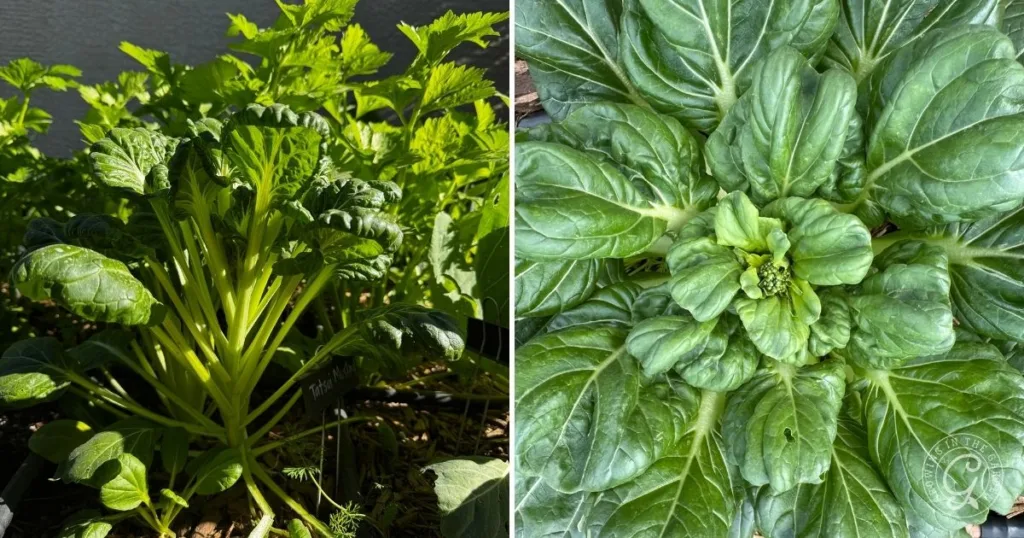 Bolting bok choy
Bolting means the plant switches from producing tender leaves and stems to creating a flower stalk and seeds. Once it bolts, the texture toughens, and the flavor can become stronger or bitter.
Bok choy can bolt for a few common reasons:
- Heat and longer days
- Cold stress while young (especially multiple chilly nights during the seedling stage)
- Stop-and-start growth from stress (drying out, rootbound seedlings, or transplant shock)
How to prevent bolting
- Plant at the right time so bok choy matures in cool weather.
- Use young transplants and plant them out before they get stressed.
- Don’t let plants dry out (mulch helps a lot).
- Use afternoon shade at the beginning and end of the season in hot climates.
- Choose varieties that tolerate heat better, such as Win-Win Choi, Joi Choi, Mei Qing Choi, or Black Summer.
Hot climate tip: If your bok choy starts stretching and you can see a thickening stalk forming, harvest it right away. Even bolting bok choy is usually still good cooked.
Bolting is not just a bok choy problem, so if your onions start sending up flower stalks too, here is what to do when onions bolt. Cool-season crops can bolt for different reasons, so if you have seen it happen with root crops too, read this guide on why carrots bolt the first year and how to prevent it.
Soil, water, and feeding
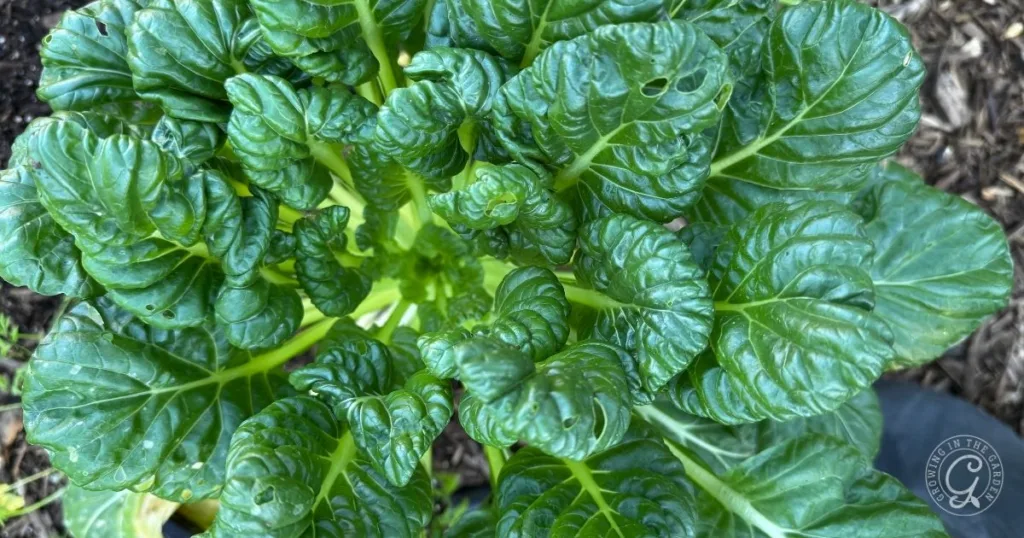
Bok choy grows best with even watering in rich soil with plenty of organic matter.
- Mix in compost before planting.
- Water consistently. In many gardens, about 1 inch per week (2.5 cm) is a useful baseline, but adjust for your weather and soil.
- If growth looks pale or slow, I feed with agrothrive.
Hot climate tip: When days are warm, bok choy needs steady moisture to keep growing without stress. If the soil swings from wet to dry, bolting becomes much more likely.
Common pests
Bok choy is a brassica, so watch for aphids, caterpillars (cabbage worms/loopers), and flea beetles. The good news is you can stay ahead of most issues with simple habits like checking leaves often. For some reason cabbage worms prefer other types of brassicas more than bok-choy so there is usually less pest damage.
Harvesting: cut-and-come-again or whole head
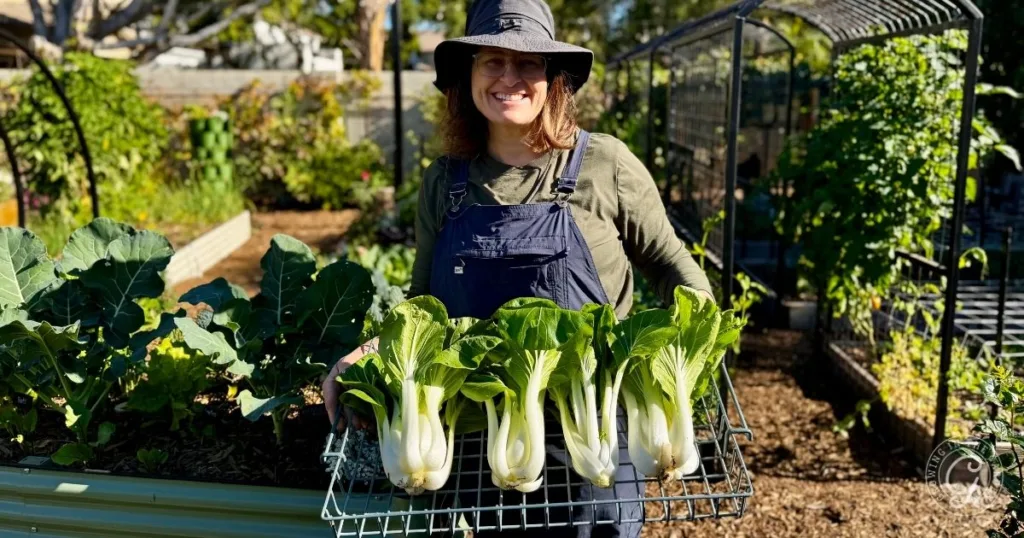
You have two good options:
- Harvest outer leaves: Pick the largest outer leaves first and let the center keep growing. Learn more about cut-and-come-again harvesting here.
- Harvest the whole plant: Cut at the base when it reaches the size you want.
This is one reason bok choy is such a great succession crop. You can plant a little patch, harvest young, and replant again and again through your best season.
Hot climate tip: If warm weather is creeping in, shift to harvesting smaller plants more often. Younger bok choy stays tender and sweet.
How to use bok choy (my quick favorite)
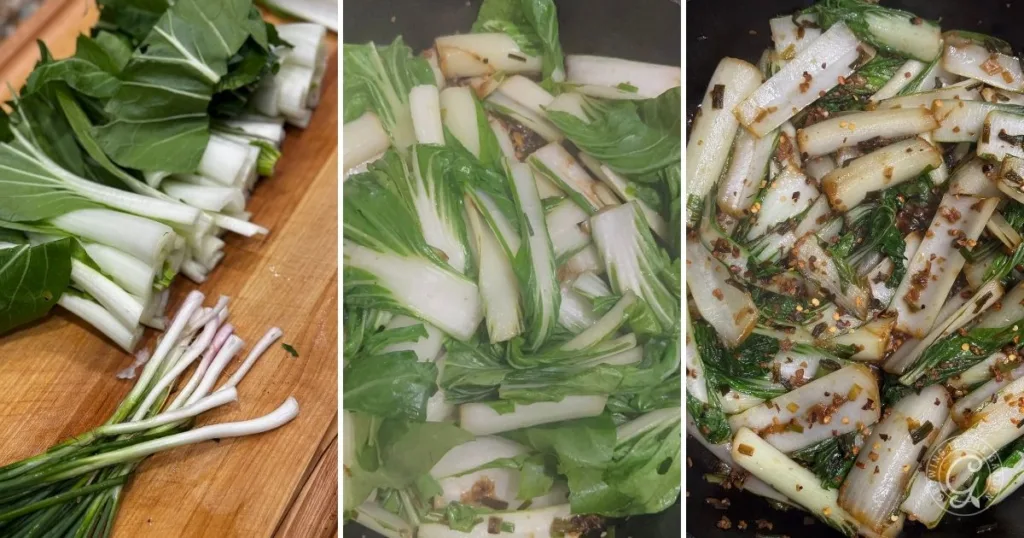
Bok choy is great fresh when young, and it cooks a lot like cabbage, fast and flavorful. If you love cooking bok choy like cabbage, you may also want to plant a few cabbage starts, and this how to grow cabbage guide will walk you through it.
My easy stir fry:
- bok choy (chopped)
- garlic
- I’itoi onions(or green onions)
- a drizzle of sesame oil
- soy sauce
- crushed red pepper
Cook just until the stems turn tender-crisp. That is it.
Grow bok choy comes up here to connect ideas for clarity.
A short mention of Grow bok choy helps readers follow the flow.
Sources
- Johnny’s Selected Seeds, Pac Choi (Bok Choy) Key Growing Information and Win-Win Choi product growing info. (Johnny’s Selected Seeds)
- Johnny’s Selected Seeds, Getting Cool-Weather Crops Through Summer’s Heat (heat-tolerant pac choi variety notes). (Johnny’s Selected Seeds)
- UC IPM, Bolting (environmental disorder) management. (UC IPM)
- Michigan State University Extension, Bolting in spring vegetables (cold and daylength interactions). (Ag & Natural Resources College)











PS · This is a keeper — saving for later. Love this!
Tiny tip: Nice take on “How to Grow Bok Choy (Plus Hot Climate T” — I’ll try that soon. Thanks for this!