
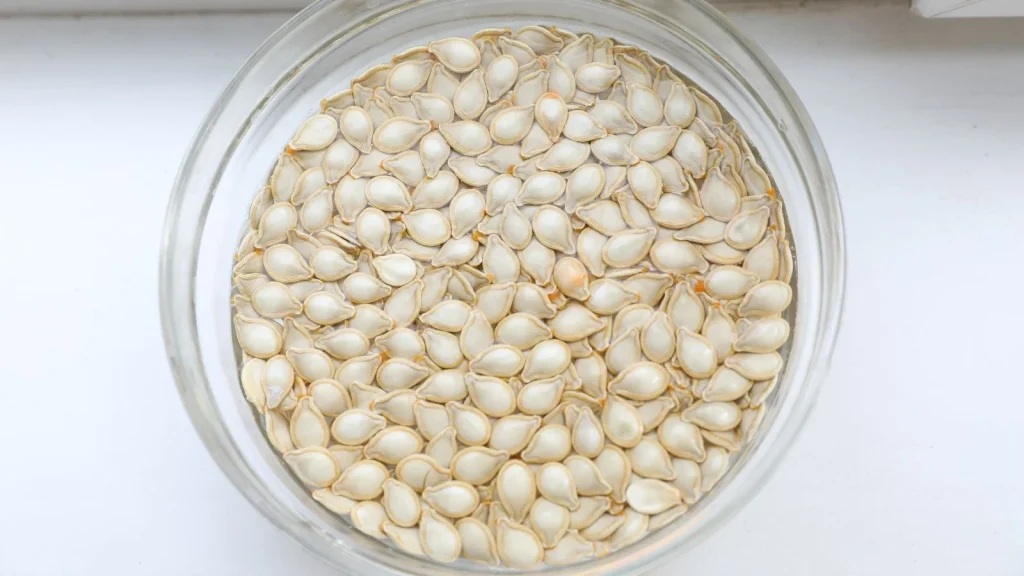
Soak your seeds: a concise orientation before we get practical.
Soak your seeds: Quick notes
Seed packets occasionally mention soaking seeds overnight before planting, but they rarely explain why or what happens if you skip this step. You might soak everything out of habit, or never soak anything and wonder if you’re missing out.
Soaking helps certain seeds germinate faster, but provides no benefit or even causes problems for others. Understanding which category your seeds fall into prevents wasted time soaking seeds that don’t need it and avoids damaging seeds that can’t handle pre-planting moisture.
Spacemaster 80 Cucumber
Spacemaster 80 Cucumber Seeds
Cinderella Pumpkin
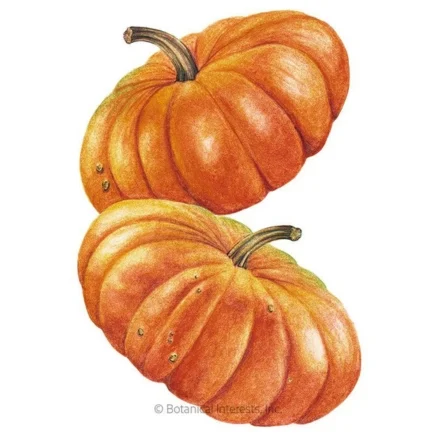
Minnesota Midget Cantaloupe/ Muskmelon Melon
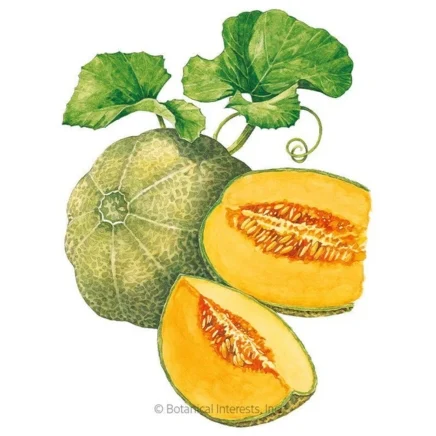
Minnesota Midget Cantaloupe/ Muskmelon Melon Seeds
Why You Should Soak (Some) Seeds
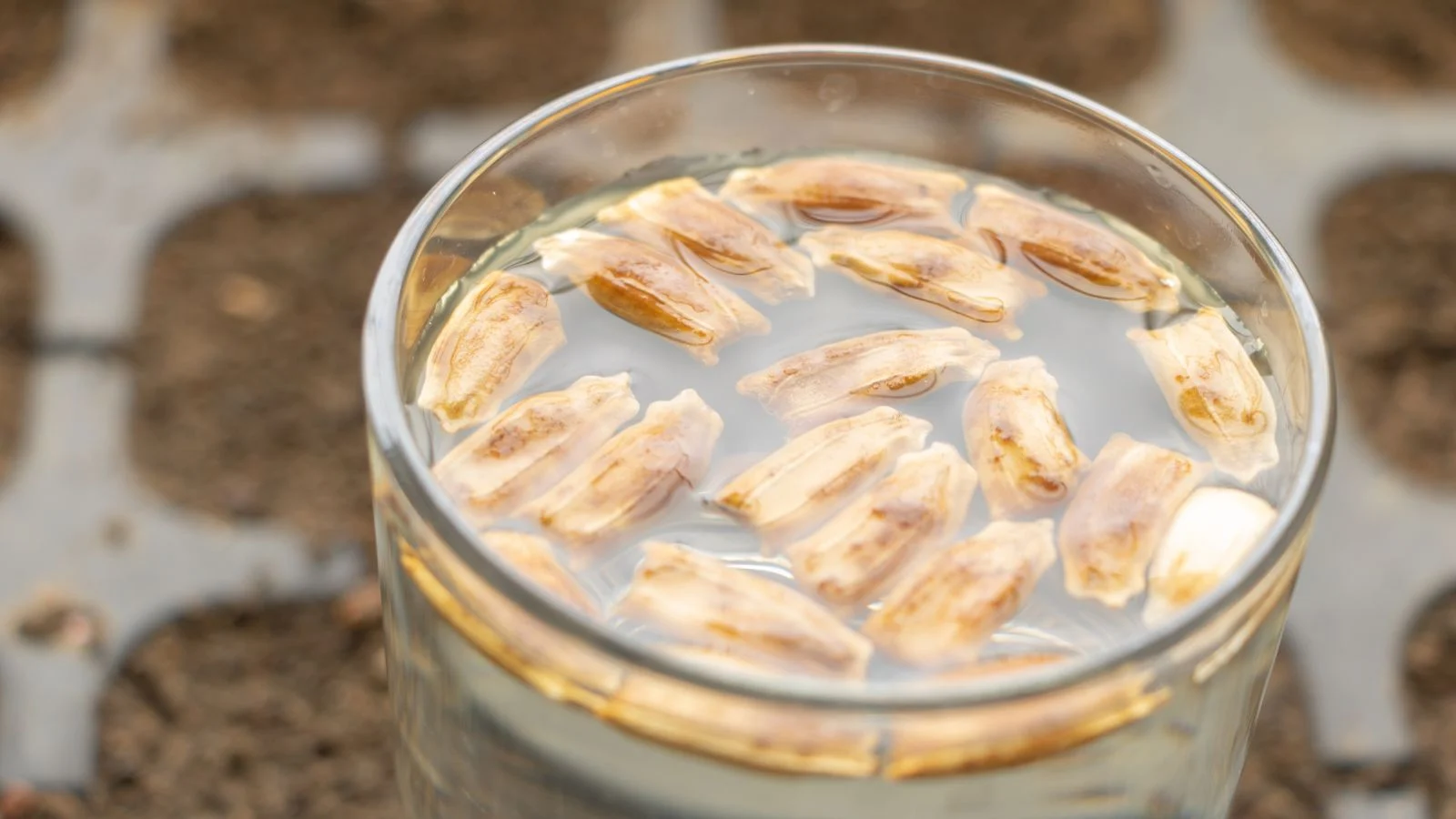 Some seeds have a harder coating that extends germination time.
Seeds with hard outer coats take longer to germinate because water needs time to penetrate the coating and reach the embryo inside. Soaking softens these coats and allows water to permeate faster, which jumpstarts the germination process before seeds even go into the soil.
This matters most for seeds that naturally take a week or more to germinate. Shaving a few days off a three-day germination time isn’t particularly useful, but reducing a two-week wait to 10 days makes a noticeable difference in your planting timeline.
Some large seeds with thick coats won’t germinate reliably at all without soaking or scarification (physically damaging the seed coat). The coat is so impermeable that water can’t penetrate within a reasonable timeframe, and the seed just sits in the soil doing nothing.
How Long to Soak Seeds
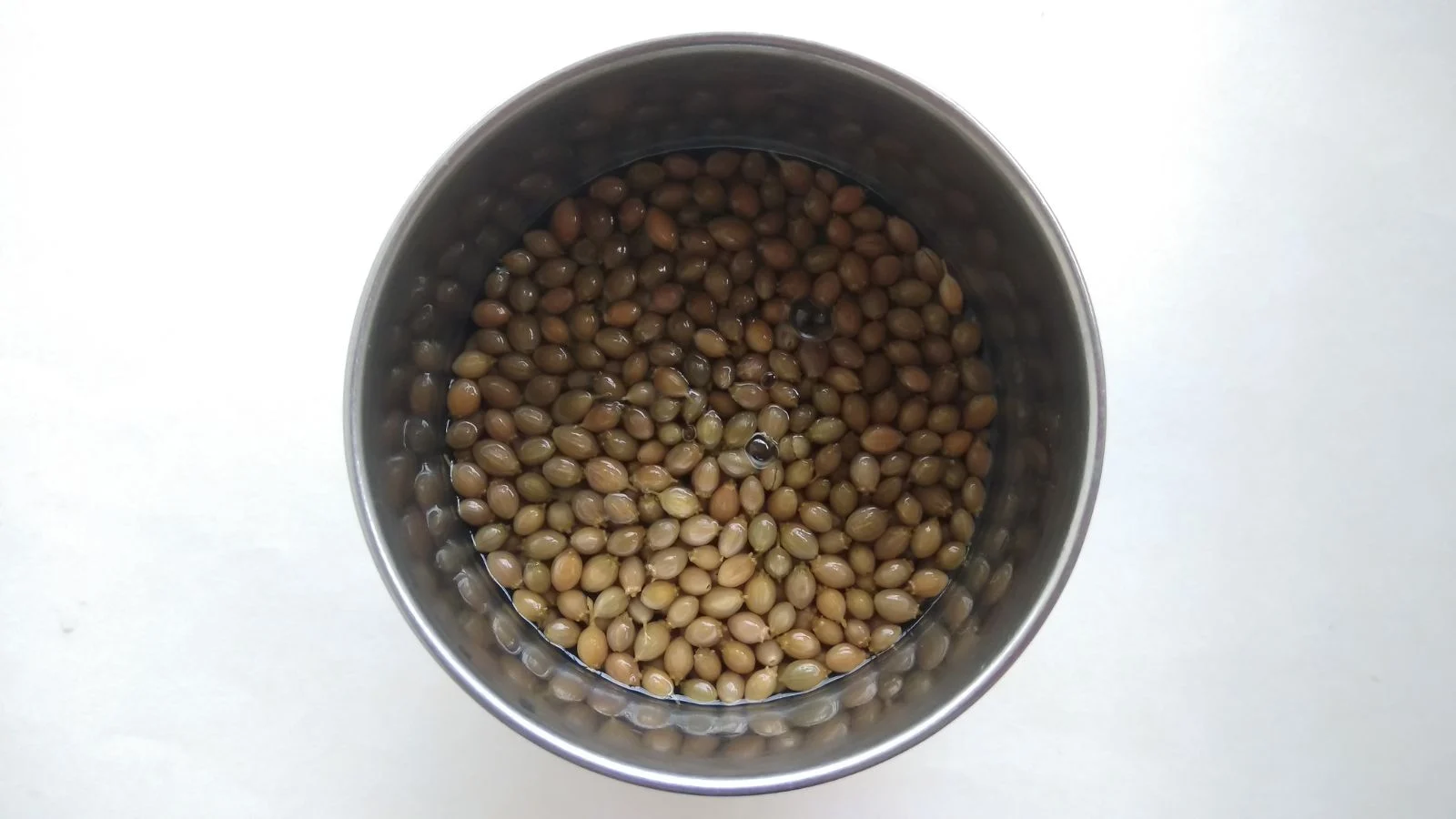 Don’t soak seeds for longer than 24 hours.
Six to 12 hours covers most seeds that benefit from soaking. This gives enough time for water to penetrate coats without leaving seeds submerged so long that they begin rotting or drowning.
Overnight soaking works well practically since you can start seeds in the morning after soaking them the previous evening. Eight hours is usually sufficient for most hard-coated seeds, though extending to 12 hours doesn’t cause problems.
Never soak seeds longer than 24 hours, regardless of seed type. Seeds sitting will either fail to germinate or develop fungal problems.
Very hard-coated seeds like morning glories or sweet peas can handle the longer end of this range, closer to 12 hours. Seeds with moderately hard coats need less time, around six to eight hours. When in doubt, stick to eight hours as a middle ground that works for most situations.
Use room temperature water rather than hot or cold. Some sources recommend warm water to speed water uptake, but it becomes room temperature soon anyway, which is still effective.
Which Seeds You Should Soak
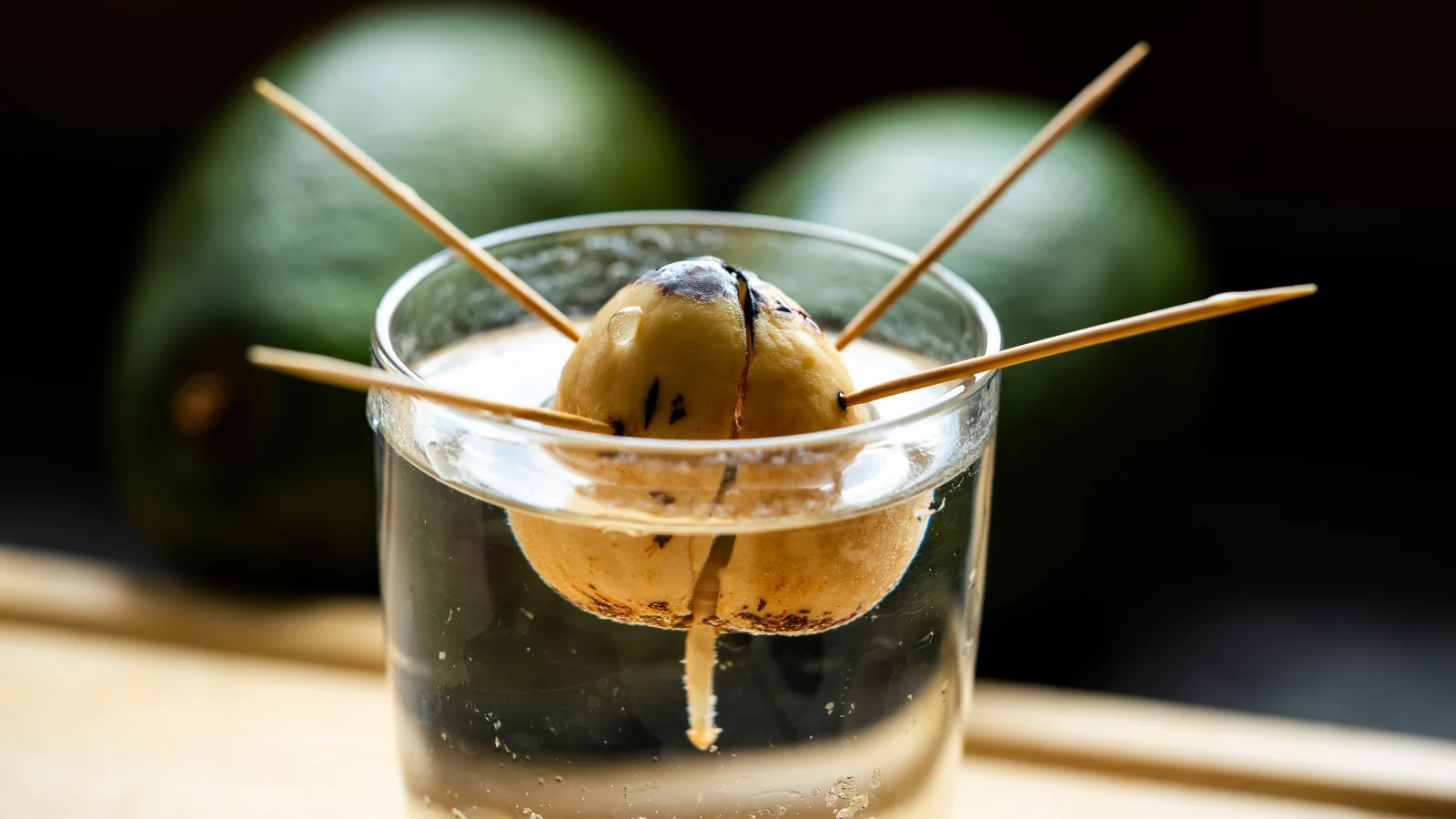 Soak any large seeds with a hard outer coating.
Large seeds with thick, hard coats benefit most from soaking. These include beans (except very small varieties), peas, squash, pumpkins, melons, and cucumbers. The seeds are big enough that the thick protective coating takes time to soften.
Morning glories have notoriously hard seed coats that some gardeners nick with a file before planting. Soaking works almost as well as scarification for improving germination rates and takes less effort. Twelve hours in water softens the coat enough for reliable germination.
Sweet peas also have hard coats that respond well to soaking. These seeds often germinate erratically without pre-treatment because some seeds have thinner coats that absorb water easily, while others have unusually thick coats that take much longer.
Okra seeds benefit from soaking despite being relatively small. The coating is hard enough that germination can take two weeks or more without soaking, but soaking reduces this to about a week.
Beet seeds are actually seed clusters containing multiple seeds, and the coating on these clusters responds well to soaking. This improves germination rates and speeds the process for a crop that’s already moderately slow to sprout.
Nasturtium seeds have thick, wrinkled coats that take time to hydrate. Soaking overnight improves germination speed noticeably, taking these from 10 to 14 days down to about seven days.
Seeds You Should Never Soak
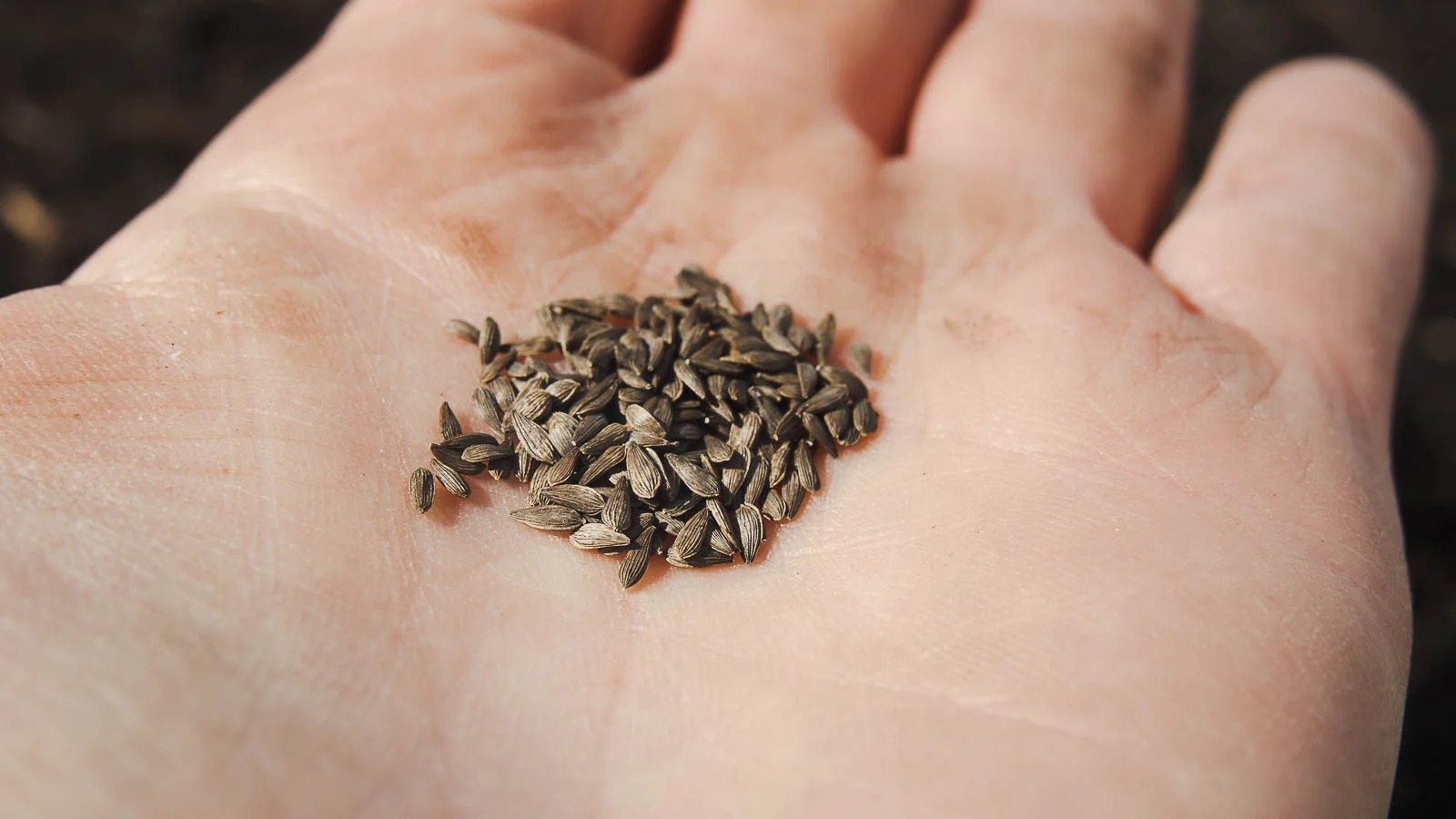 Smaller seeds don’t require soaking.
Tiny seeds shouldn’t be soaked because they’re difficult to handle when wet, and they germinate quickly enough that soaking provides minimal benefit. Lettuce, carrots, and herbs like basil or cilantro fall into this category. These seeds are so small that they become sticky and clump together when wet, making even spacing nearly impossible.
Seeds that need light to germinate can’t be soaked effectively. These get sown on the soil surface, and soaking them first creates handling difficulties without offering any germination advantage. The moisture they need comes from keeping the soil surface damp after planting.
The gelatinous coating around seeds like chia makes them almost impossible to sow after soaking. These are also small and easy to sprinkle by hand without the hassle of soaking.
Seeds treated with fungicide coatings shouldn’t be soaked because this washes away the protective coating. The fungicide is there to prevent rot in soil, and removing it by soaking increases the risk of the very problems the treatment was meant to prevent.
We have a full list of seeds you should never soak (and which ones you should), for specific reasoning for each one.
When to Plant
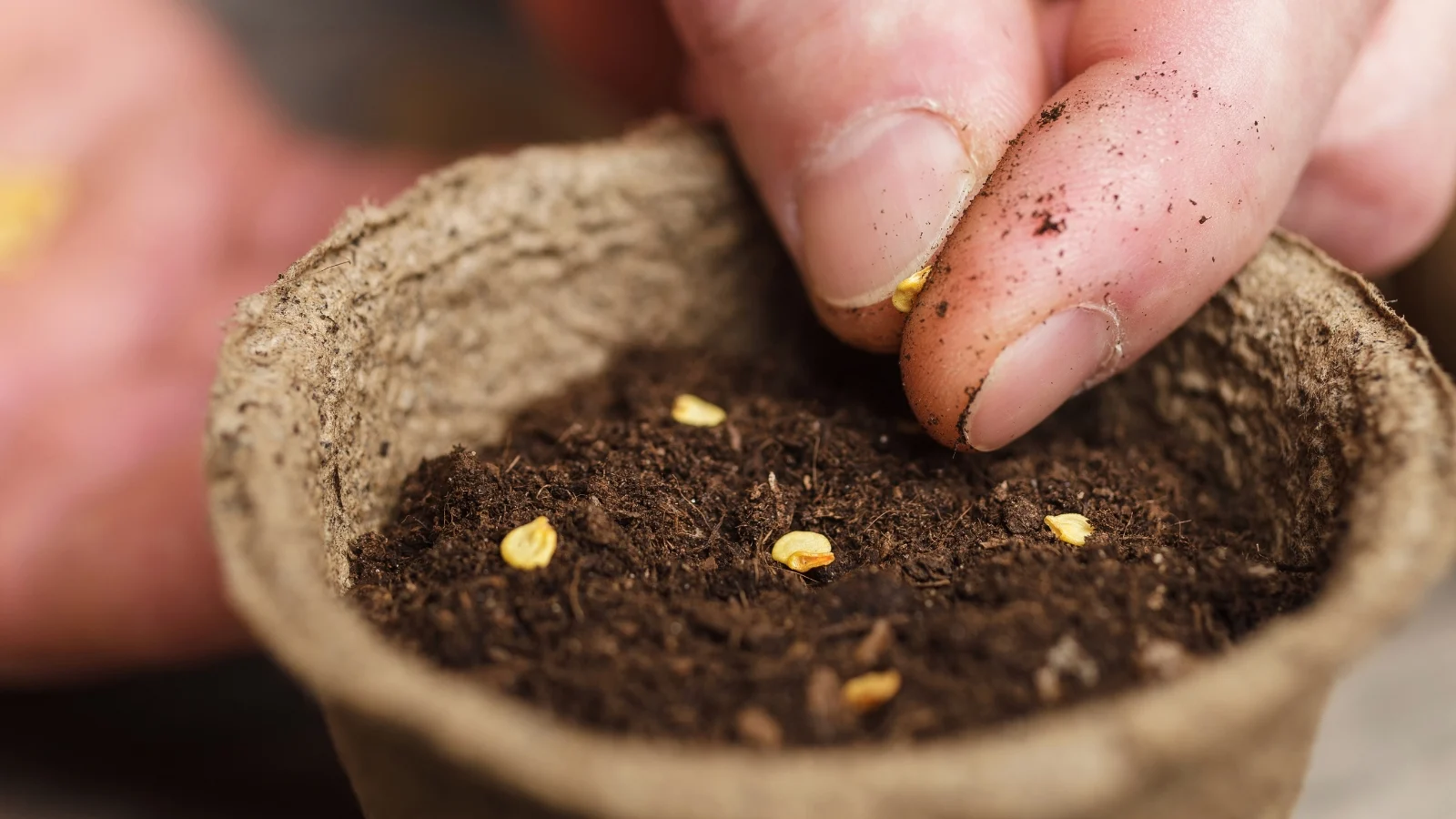 Always plant your seeds immediately after soaking.
Plant the seeds immediately after the soaking period ends. Don’t let them sit around after draining off the water, as they’ve already begun the germination process and will deteriorate quickly if not planted.
Drain seeds thoroughly before planting. Pour off the water and spread seeds on a towel or paper for a few minutes to remove surface moisture. This makes them easier to handle and less likely to clump together during planting.
Plant at the same depth you’d use for dry seeds of the same variety. The soaking doesn’t change planting depth requirements. The same rules about covering seeds to two to three times their diameter still apply.
Keep soil consistently moist after planting. They’ve already started germinating and can’t tolerate drying out the way dry seeds can. Check moisture daily and water if the soil surface starts to dry.
Expect faster germination than the seed packet indicates since you’ve already given the seeds a head start. Subtract two to three days from the expected germination time for soaked seeds. This matters for planning when you’ll need to check for seedlings and adjust conditions.
We reference Soak your seeds briefly to keep the thread coherent.








On a similar note — I appreciate the detail — very helpful indeed. Will try it.
Small note · What a charming tip — I’m inspired to try it. Thanks for this!
PS • Exactly what I needed to see today, thanks. Love this!