
Fermented Plant Juice is a homemade plant fertilizer used in Korean Natural Farming. I love KNF practices as they emphasize resilience, sustainability and respect for nature.
Fermented plant juice: Quick Notes
In FPJ, fermenting extracts nutrients from fresh plant materials. The sugars encourage the growth of IMOs – indigenous micro-organisms. The alcohol created by the fermentation also extracts chlorophyll from the plant material.
Harvest your source plants in the early morning – even before sunrise – when the plant may still have some evening dew. These are plants in respiration mode as opposed to plants in the sun which are in photosynthetic mode.
Don’t rinse or wash the plants. You want them to have that surface microbe reside.
Avoid woody plants. They won’t have much liquid to extract. You want fresh growth from healthy plants.
And different plants are better source materials than others. You can deep dive into biodynamic accumulators and intentionally grow certain plants, like mugwort, comfrey and nettles, for use in your home fertilizers.
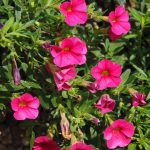
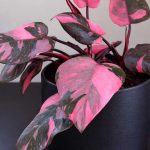
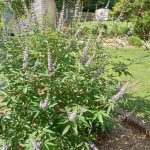
Today I used what I had on hand in the garden.
It’s important to use brown sugar rather than molasses in this recipe. Use a 50/50 ratio of sugar to plant material.
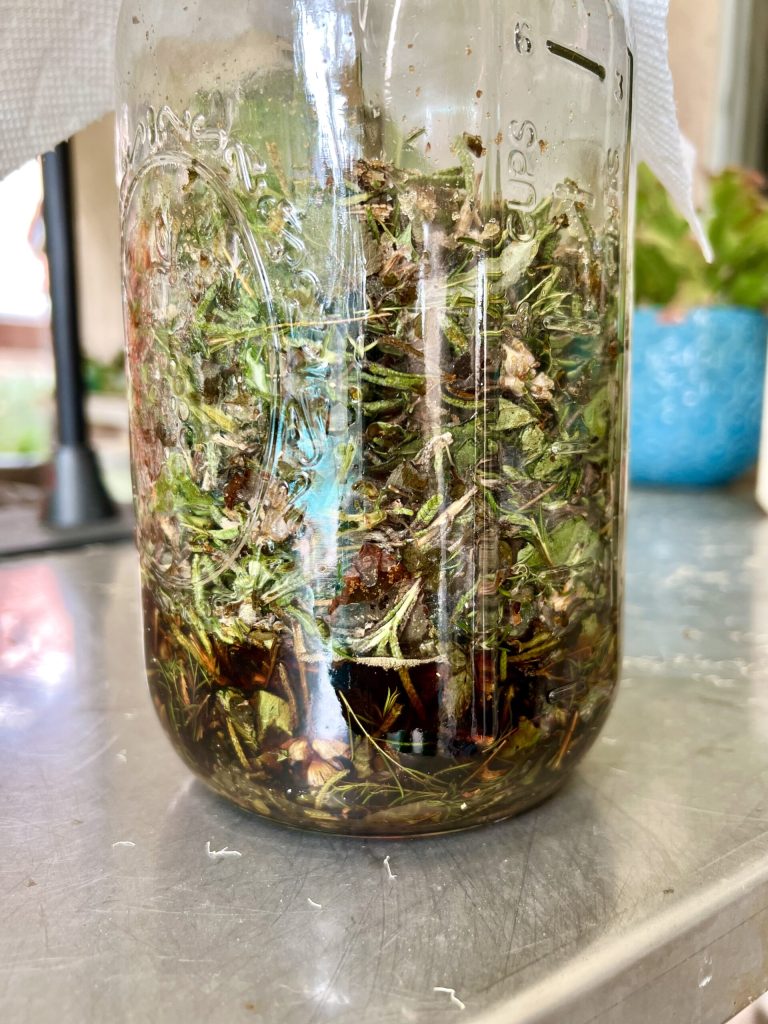
Some sources say fill to the top of the jar but others say to leave some breathing room. Store your mixture in a glass jar with a breathable top in a cool place.
After 5-7 days you should see your plant materials floating in the liquid.
You can dilute this liquid 1:500 or 1:1000. A half gallon of water would be mixed with 3/4 tsp for 1:500 dilution. There are charts online to help with the math.
You can apply FPJ once a week, ideally in the late afternoon or early evening – an hour or so before sunset.
FPJ can be used as a soil drench or a foliar spray. You do want to avoid applying to leaves in hot weather.
Self-reliance and sustainability are important concepts in home gardening. I hope you’ll give FPJ a try!
Fermented Plant Juice is a homemade plant fertilizer used in Korean Natural Farming. I love KNF practices as they emphasize resilience, sustainability and respect for nature.
In FPJ, fermenting extracts nutrients from fresh plant materials. The sugars encourage the growth of IMOs – indigenous micro-organisms. The alcohol created by the fermentation also extracts chlorophyll from the plant material.
Harvest your source plants in the early morning – even before sunrise – when the plant may still have some evening dew. These are plants in respiration mode as opposed to plants in the sun which are in photosynthetic mode.
Don’t rinse or wash the plants. You want them to have that surface microbe reside.
Avoid woody plants. They won’t have much liquid to extract. You want fresh growth from healthy plants.
And different plants are better source materials than others. You can deep dive into biodynamic accumulators and intentionally grow certain plants, like mugwort, comfrey and nettles, for use in your home fertilizers.
Today I used what I had on hand in the garden.
It’s important to use brown sugar rather than molasses in this recipe. Use a 50/50 ratio of sugar to plant material.
Some sources say fill to the top of the jar but others say to leave some breathing room. Store your mixture in a glass jar with a breathable top in a cool place.
After 5-7 days you should see your plant materials floating in the liquid.
You can dilute this liquid 1:500 or 1:1000. A half gallon of water would be mixed with 3/4 tsp for 1:500 dilution. There are charts online to help with the math.
You can apply FPJ once a week, ideally in the late afternoon or early evening – an hour or so before sunset.
FPJ can be used as a soil drench or a foliar spray. You do want to avoid applying to leaves in hot weather.
Self-reliance and sustainability are important concepts in home gardening. I hope you’ll give FPJ a try!
Fermented plant juice appears here to highlight key ideas for readers.