
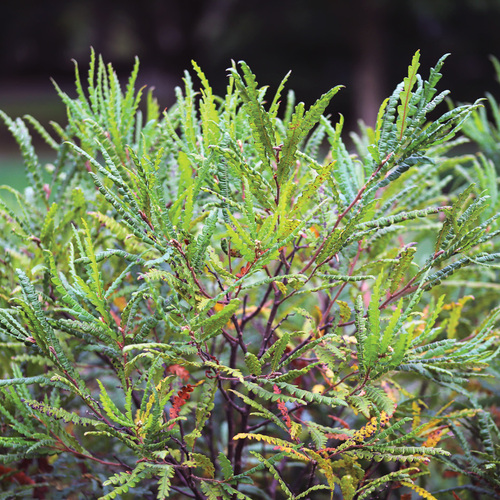
Looking to fill gaps in your Northeast garden? Gardening expert Betsy Ekholm shares her top regional picks, from sweet fern to goat’s beard—fast-growing, versatile plants that thrive in sun or shade. You just might find your next garden favorite!
Read More Regional Reports for the Northeast Here
Parasol whitetop
Name: Doellingeria umbellata
- Zones: 3–9
- Size: 2 to 5 feet tall and wide
- Conditions: Full sun to partial shade; average to wet soil
- Native range: Eastern and north-central North America
Once I planted parasol whitetop in my home garden, I knew I needed more of it. The size and presence of this incredible late-summer-blooming perennial is enough to recommend it, but it also attracts interesting native pollinators. Also known as flat-topped aster, this is a lovely, long-blooming plant that starts flowering in early August here in Rhode Island and blooms straight through September.
I planted my first specimen in a newly formed garden area, where it quickly took off via its rhizomatous roots and filled in as if it had been there for years. I am hoping to see it self-seed as well.
Hoary skullcap
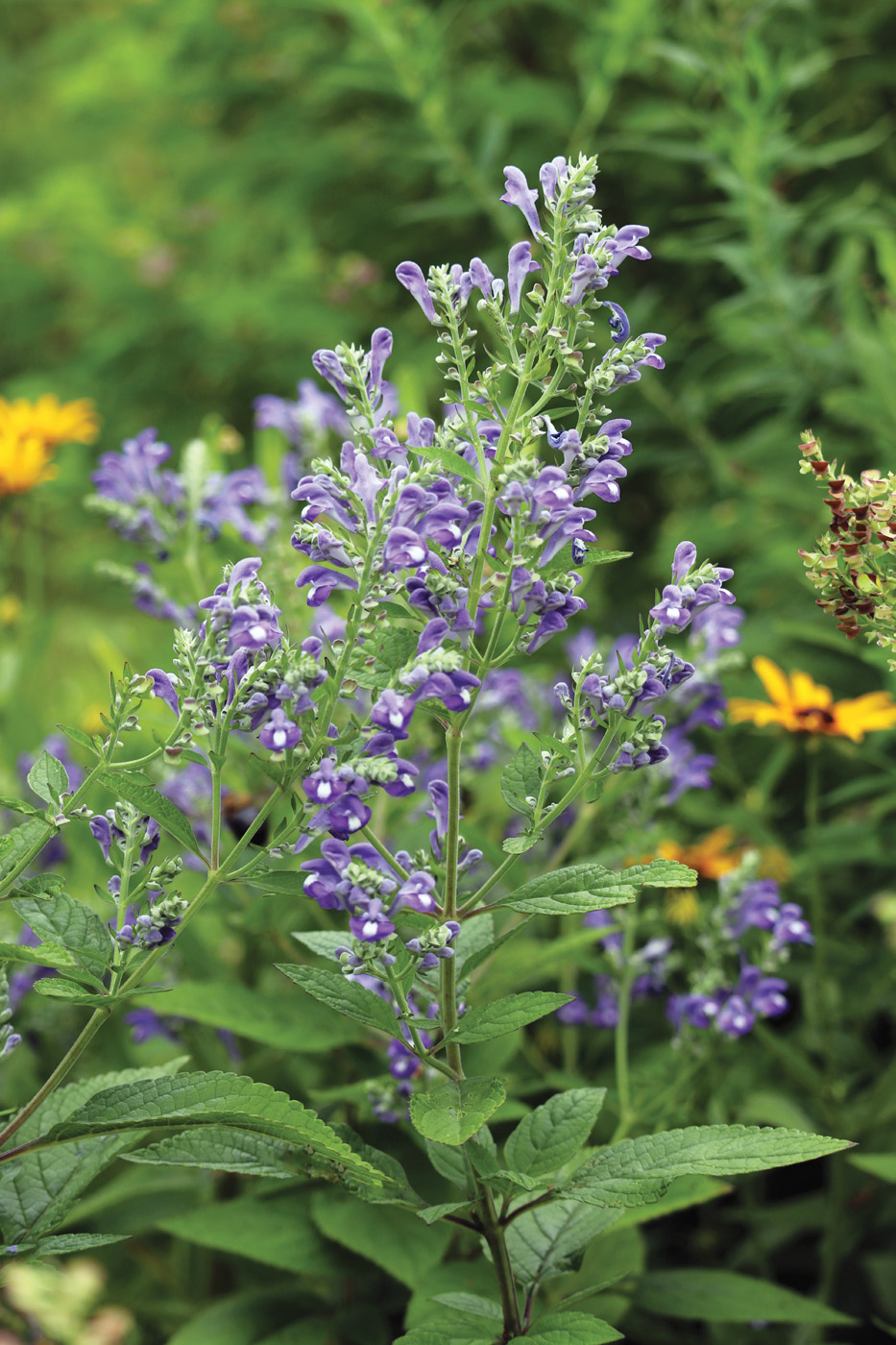 Photo by Nancy J. Ondra
Name: Scutellaria incana
- Zones: 5–8
- Size: 2 to 3 feet tall and 1½ to 2 feet wide
- Conditions: Full sun to partial shade; dry to medium, well-drained soil
- Native range: Central and eastern North America
Hoary skullcap is perhaps one of my favorite midsummer bloomers. Although native to my region, I had never seen it growing in the natural landscape, so I was very pleased with how quickly this plant filled in and filled out. The blue-purple blooms are a favorite of bumblebees, but are also visited by other pollinators (including a hummingbird clearwing moth that I watched eschew all of its usual favorites to return to these flowers over and over).
The seeds are interesting in and of themselves, and if you want baby plants to share with friends and family, then no deadheading is needed. This fast filler is also drought tolerant once established.
Goat’s beard
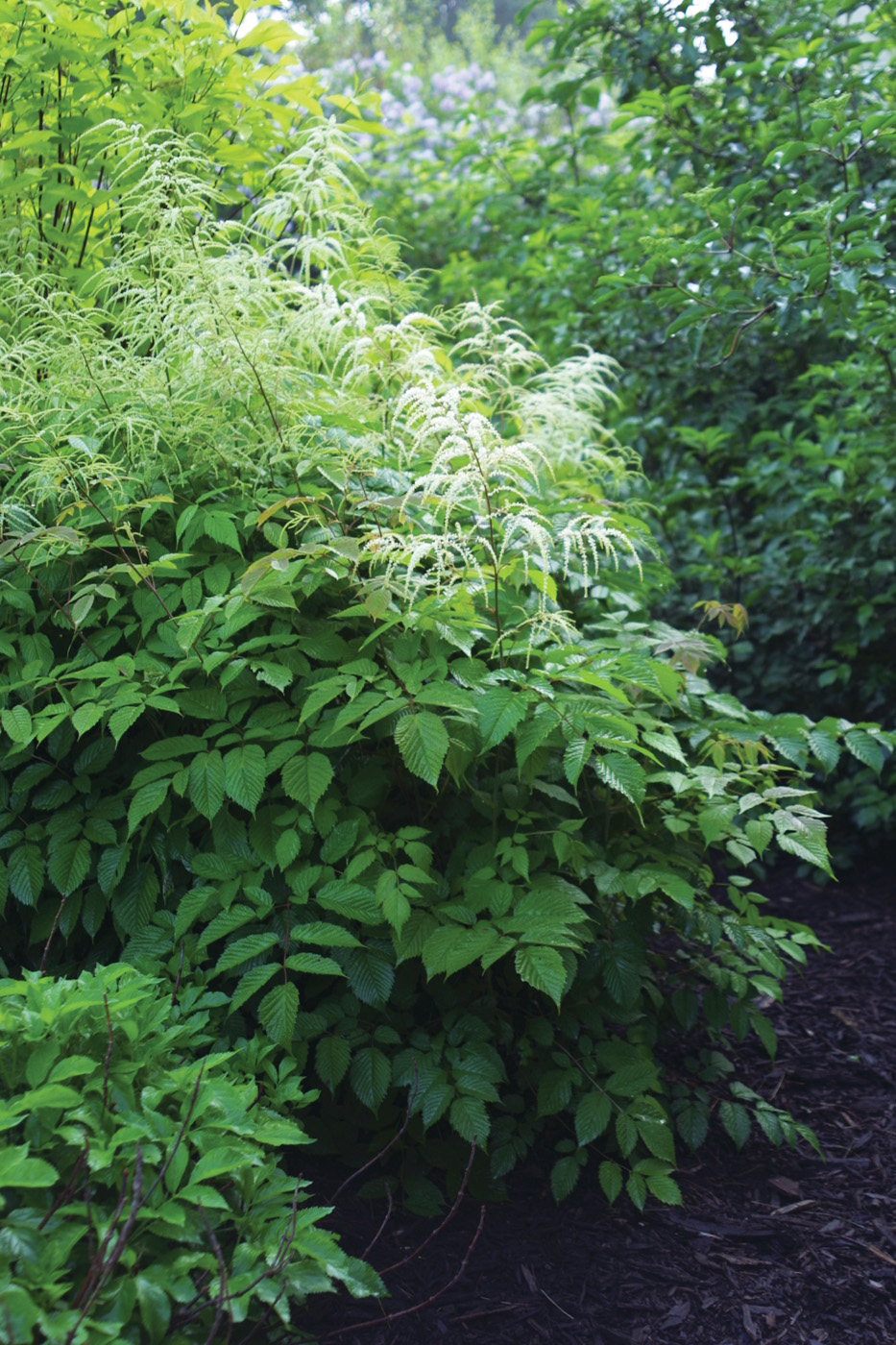 Photo by Jennifer Benner
Name: Aruncus dioicus
- Zones: 4–8
- Size: 4 to 6 feet tall and 2 to 4 feet wide
- Conditions: Full sun to full shade; average to wet soil
- Native range: Northern Hemisphere
If you are looking for a plant that will fill a shady, moist area with ease and speed, goat’s beard is the plant for you. Growing up to 6 feet tall in a single growing season, this is a gentle giant. It won’t take over other plants but will increase in size over time.
The male form of this native perennial is especially showy when blooming in May and June, although the female is not too shabby. The seemingly fluffy cream-colored flowers are always bustling with pollinator activity, attracting wasps, flies, and bees to share in the bounty. Perhaps my favorite feature of this fast filler is that it is not touched by deer or rabbits, who seem to make a meal of everything else.
Sweet fern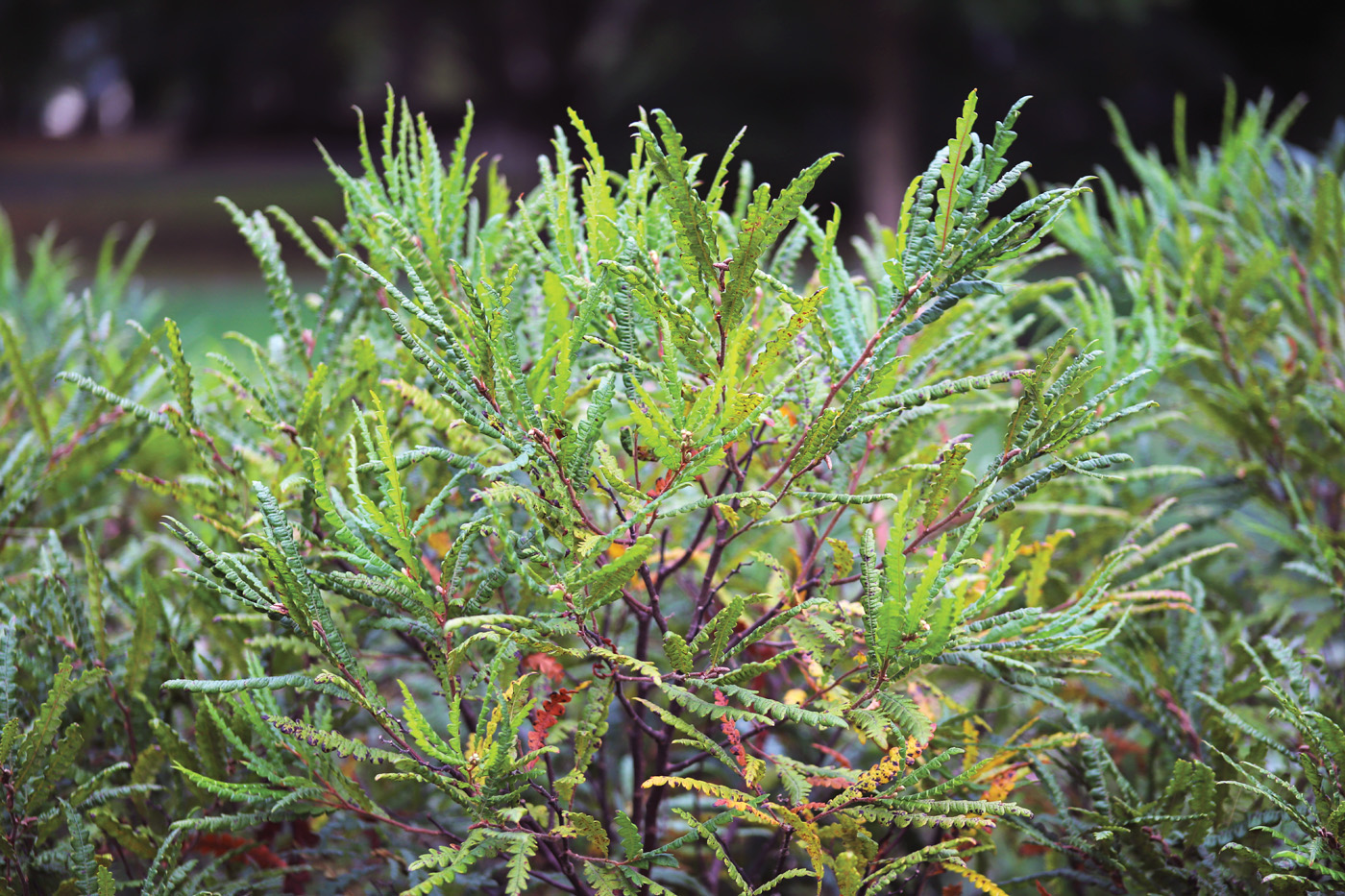
Name: Comptonia peregrina
- Zones: 2–6
- Size: 2 to 5 feet tall and 4 to 8 feet wide
- Conditions: Full sun to partial shade; sandy, acidic, well-drained soil
- Native range: Eastern North America
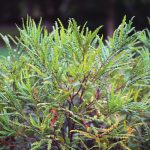
I remember my first time seeing sweet fern in a natural setting; it had formed a wonderful colony in a spot that was not preferred by much else. This was recommendation enough for me. In cultivation, sweet fern easily fills in locations that can be considered tough or inhospitable for other plants. It may require some supplemental water for its first year or so, but after that, it is as low-maintenance as they come and can be drought tolerant as well.
Although it is neither edible nor a true fern, its ferny-looking foliage does have a sweet fragrance. As with many native plants, it is a host plant for native insects that depend on it in their larval forms.
Regional expert: Betsy Ekholm is the gardens manager at Blithewold Manor, Gardens & Arboretum in Bristol, Rhode Island.
Photos courtesy of Betsy Ekholm unless noted otherwise
More from Fine Gardening:
Listen to Our Podcast!
Watch Our Gardening Videos on YouTube
Subscribe to Fine Gardening All-Access
Fine Gardening Recommended Products

A.M. Leonard Deluxe Soil Knife & Leather Sheath Combo
Fine Gardening receives a commission for items purchased through links on this site, including Amazon Associates and other affiliate advertising programs.
MULTITASKING DUAL EDGES: a deep serrated edge and a tapered slicing edge ideal for tough or delicate cuts. DURABLE 6-inch stainless steel blade withstands 300 lbs of pressure. TWINE CUTTING NOTCH, DEPTH GAUGE MARKINGS & spear point – no need to switch tools when using this garden knife. LEATHER SHEATH: heavy duty, protective, clip on sheath to keep your knife convenient and secure. LIFETIME WARRANTY.












Also — A lovely idea for the season — perfect timing. Will try it.