Boston fern winter: a concise orientation before we get practical.
Boston fern winter: Quick notes
The lush Boston fern thriving on your porch all summer can quickly become a crispy mess once you bring it indoors for winter. Fronds often turn brown and drop, and new growth slows to nothing.
Although gardeners in colder climates do have to bring their ferns in for overwintering, there are ways to care for them in winter that mitigate these problems.
The problem is the dramatic change in growing conditions. Indoor winter environments are often the opposite of what Boston ferns prefer. But understanding Boston fern winter care will ensure yours actually looks good through the cold months.
Adjust Your Watering
Watering generally should be reduced in winter.
Boston ferns need consistent moisture year-round. However, that doesn’t mean the same amount of water year-round.
Lower light and cooler temperatures mean ferns use less water than they do during active summer growth. If you maintain the same watering schedule you used in warmer months, you’ll likely overwater. But indoor heating also dries the air considerably, which can dry out soil faster than you’d expect, even as the plant itself needs less water.
That’s why a key component of Boston fern winter care is checking soil moisture regularly rather than watering on a fixed schedule. When the top inch of soil starts to dry, water thoroughly until excess drains from the bottom of the pot. This might mean watering every few days or once a week, depending on your home’s specific conditions.
Pay attention to how quickly the soil dries between waterings. If it’s staying wet for a week or more, you’ve either watered too much or your drainage needs improvement. If it’s drying out completely within a day or two, you might need to water more frequently or address humidity issues that are pulling moisture from the soil too quickly.
Use a Humidifier
 Keep the air humid to stop fronds from browning.
Dry indoor air is the single biggest challenge for Boston ferns in winter. These plants evolved in humid tropical environments and really struggle when humidity drops below 50%. Most heated homes in winter hover around 30% humidity.
Brown, crispy frond tips are almost always a humidity problem rather than a watering issue. You can water perfectly and still end up with deteriorating foliage if the air is too dry.
A humidifier positioned near your fern solves this problem more effectively than any other method. It creates consistently humid air that mimics the fern’s natural environment, and you’ll see improvement as new growth emerges, looking healthier than recent fronds.
If you’re running a humidifier for your own comfort during dry winter months, your fern will benefit too. Just make sure the humidifier is close enough that your plant sits in the humid zone it creates, as humidity drops quickly with distance from the source.
Other humidity methods help, but aren’t as effective for Boston fern winter care. Pebble trays with water create a slight increase in immediate humidity, but don’t produce the consistent moisture ferns really need. Grouping plants together helps marginally since plants naturally transpire, though again, the effect is much smaller than a dedicated humidifier provides.
If a humidifier isn’t practical for your situation, consider moving your fern to a naturally humid room like a bathroom with a shower that’s used regularly. The steam from hot showers raises humidity, and bathrooms generally maintain higher moisture levels than other rooms in the house.
Keep It Warm
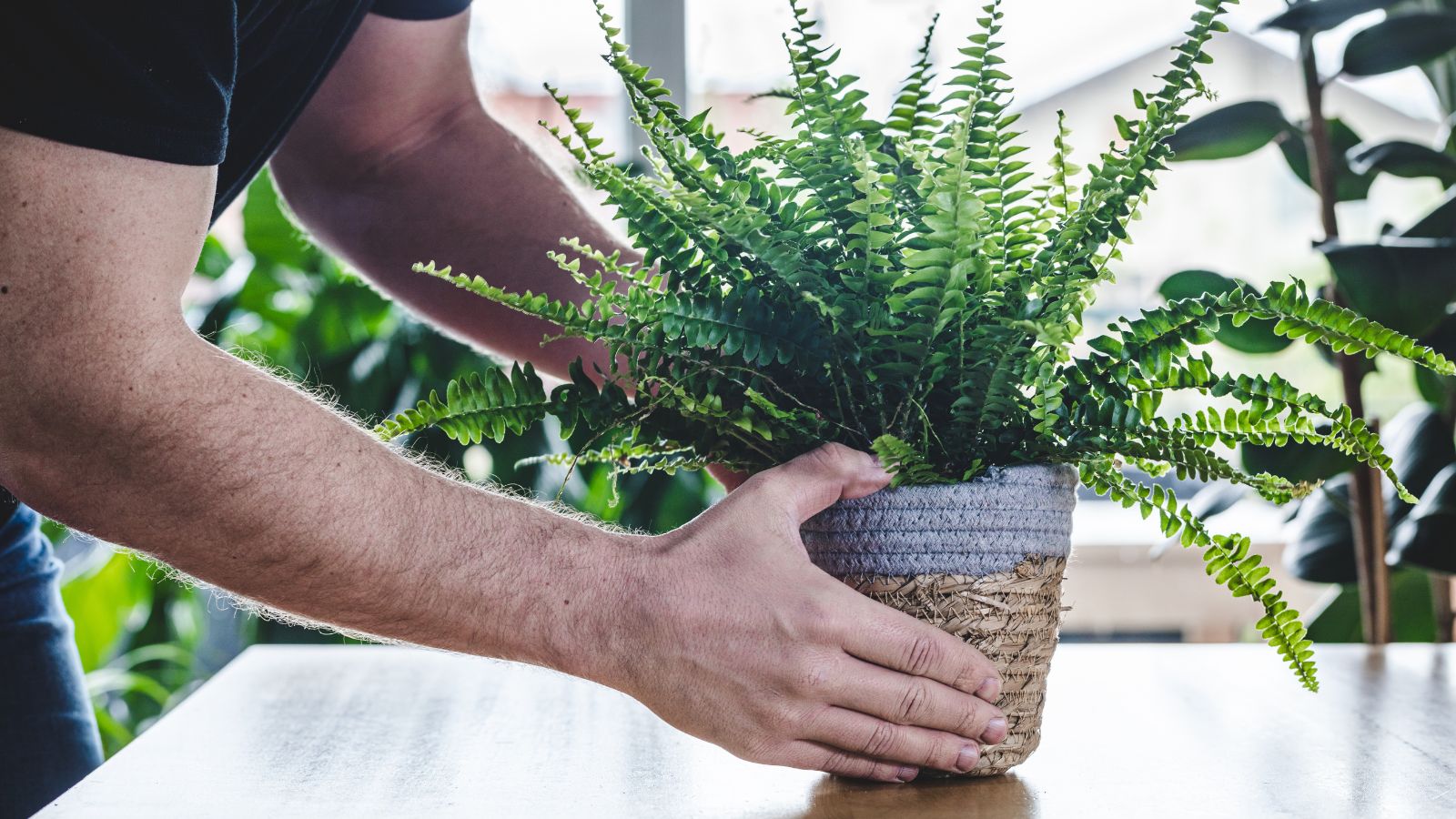 Avoid unheated rooms or positions close to windows.
Boston ferns prefer warm temperatures and really don’t appreciate anything colder than 60°F. They’re not cold-hardy in the slightest, and prolonged exposure to cold temperatures causes serious damage (or worse, death).
This temperature preference usually isn’t a problem in main living areas where people keep homes comfortable. But ferns positioned in unheated sunrooms or too close to windows can experience temperatures well below what’s comfortable for houseplants.
Move ferns away from cold spots if you notice them declining as part of your Boston fern winter care. Sometimes shifting a plant just a few feet away from an exterior wall or away from a window makes a noticeable difference in its winter performance.
Avoid Radiators and Cold Drafts
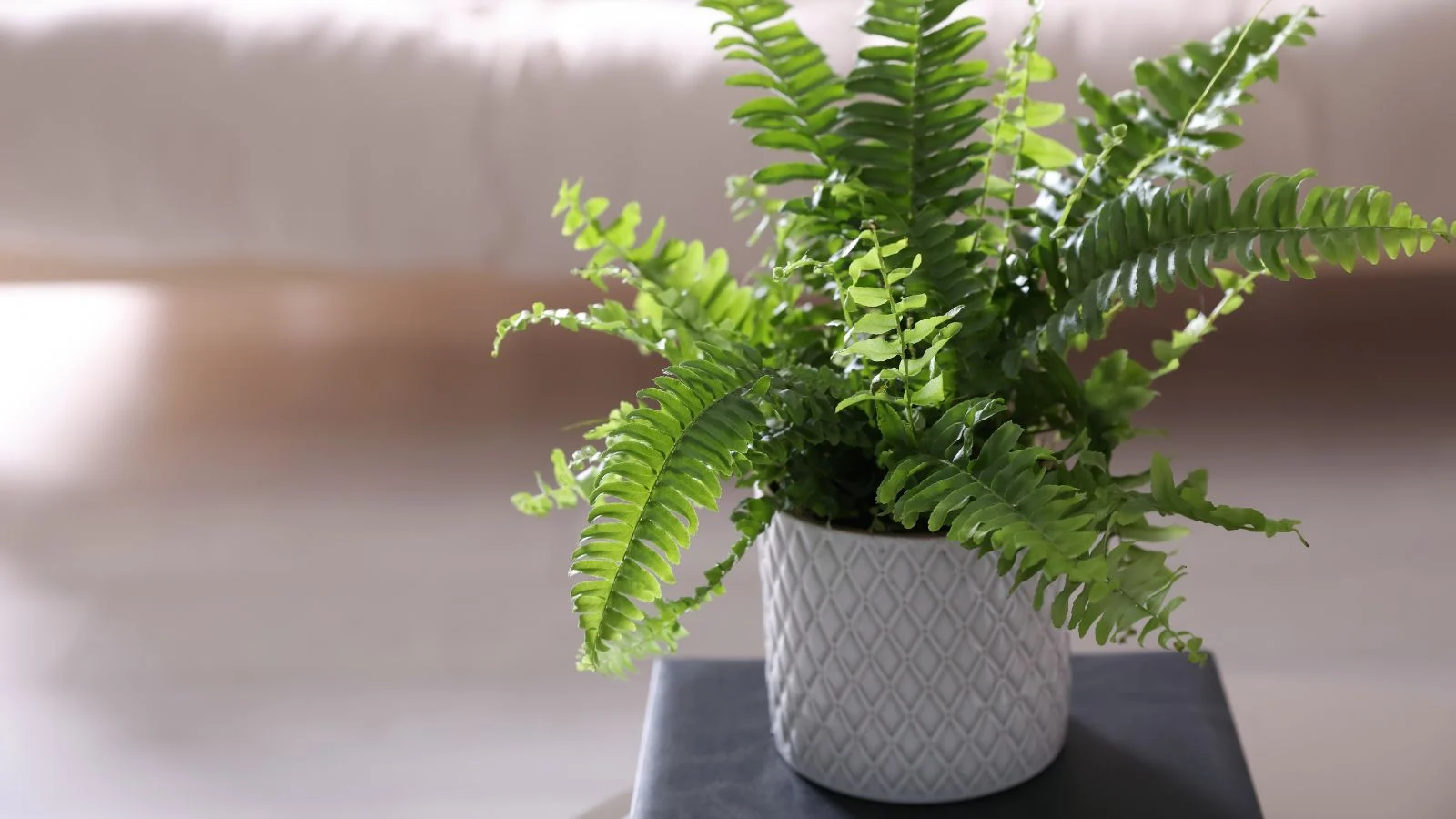 Temperature extremes result in stress.
While keeping your fern warm is important, blasting it with heat from radiators or vents creates different problems. Direct heat dries out foliage rapidly and creates localized hot spots that stress the plant just as much as cold does.
Check where air from heating vents flows in your home. Even if your fern isn’t directly under a vent, warm air currents can hit it as they circulate through the room. The combination of dry, hot air moving constantly across fronds accelerates moisture loss and leads to the brown, crispy foliage that looks identical to humidity problems.
Cold drafts from windows or doors create the opposite issue but are equally damaging. Boston ferns react badly to cold air flowing directly over them, even if the general room temperature is acceptable. You might not notice these drafts yourself, but plants positioned in draft zones show it through browning fronds and slowed growth.
Move the fern away from the draft source or reduce air infiltration if moving the plant isn’t practical. The ideal spot for winter fern care is away from both heat sources and cold drafts, in a location where temperature and air movement stay relatively stable throughout the day and night.
Maintain Light Levels
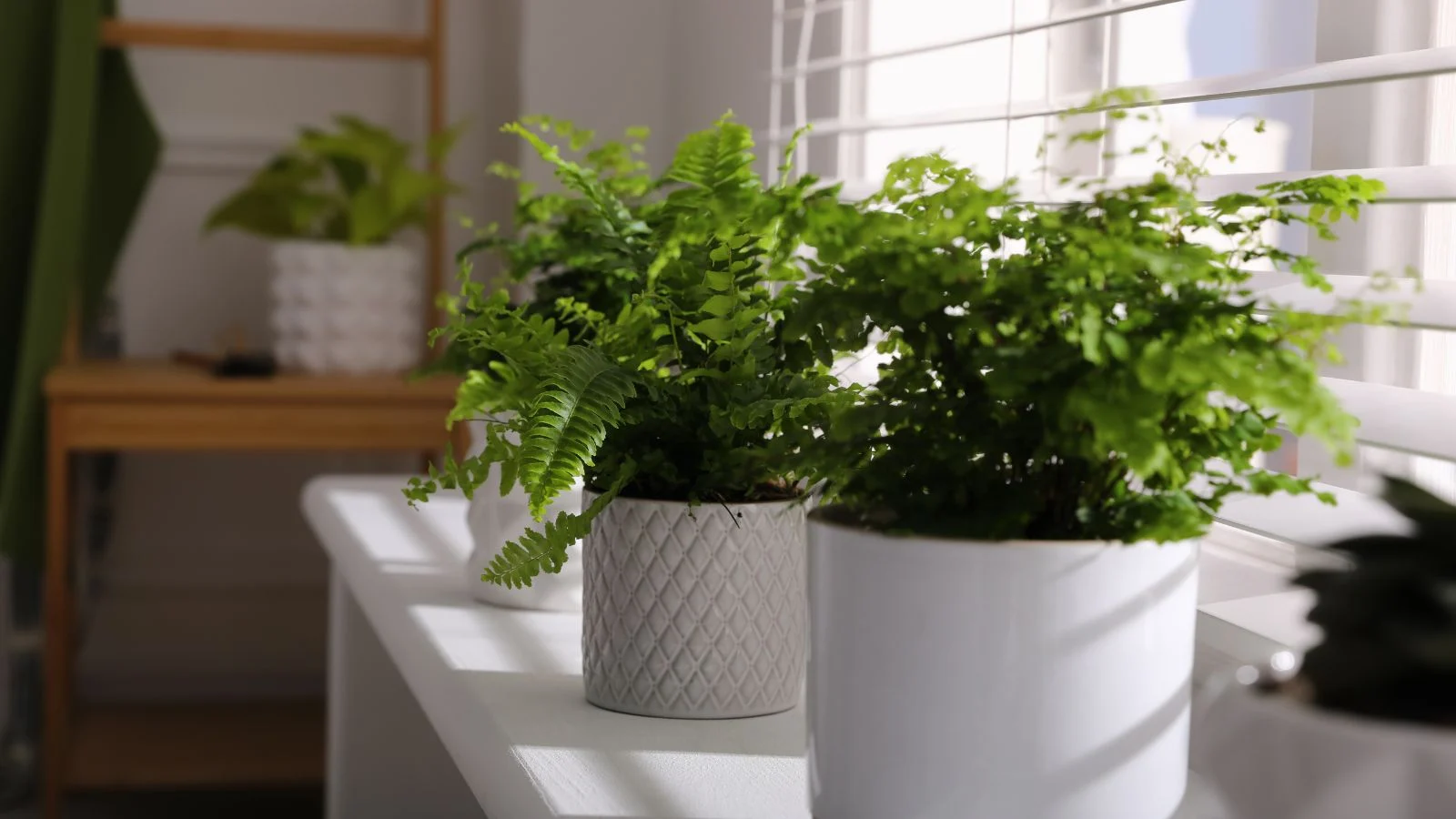 While they can manage low light, don’t change conditions too drastically.
Boston ferns prefer bright, indirect light but tolerate lower light better than many houseplants. Still, the reduced daylight of winter months can push them below their tolerance threshold, especially if they’re in locations that were adequate in summer but become too dim in winter.
If your fern was positioned away from windows during summer to avoid too much light, consider moving it closer for winter. Those same windows that provided excessive brightness in June often deliver just the right amount in December.
You can also supplement natural light with grow lights if your home is particularly dim or if your fern continues struggling despite adjustments to other care factors.
Watch how your fern responds to its light situation. Fronds that look pale or yellowish might indicate too much light, while dark green fronds with elongated growth stretching toward the light source suggest inadequate brightness. Adjust placement based on what you’re seeing.
Trim Damaged Leaves
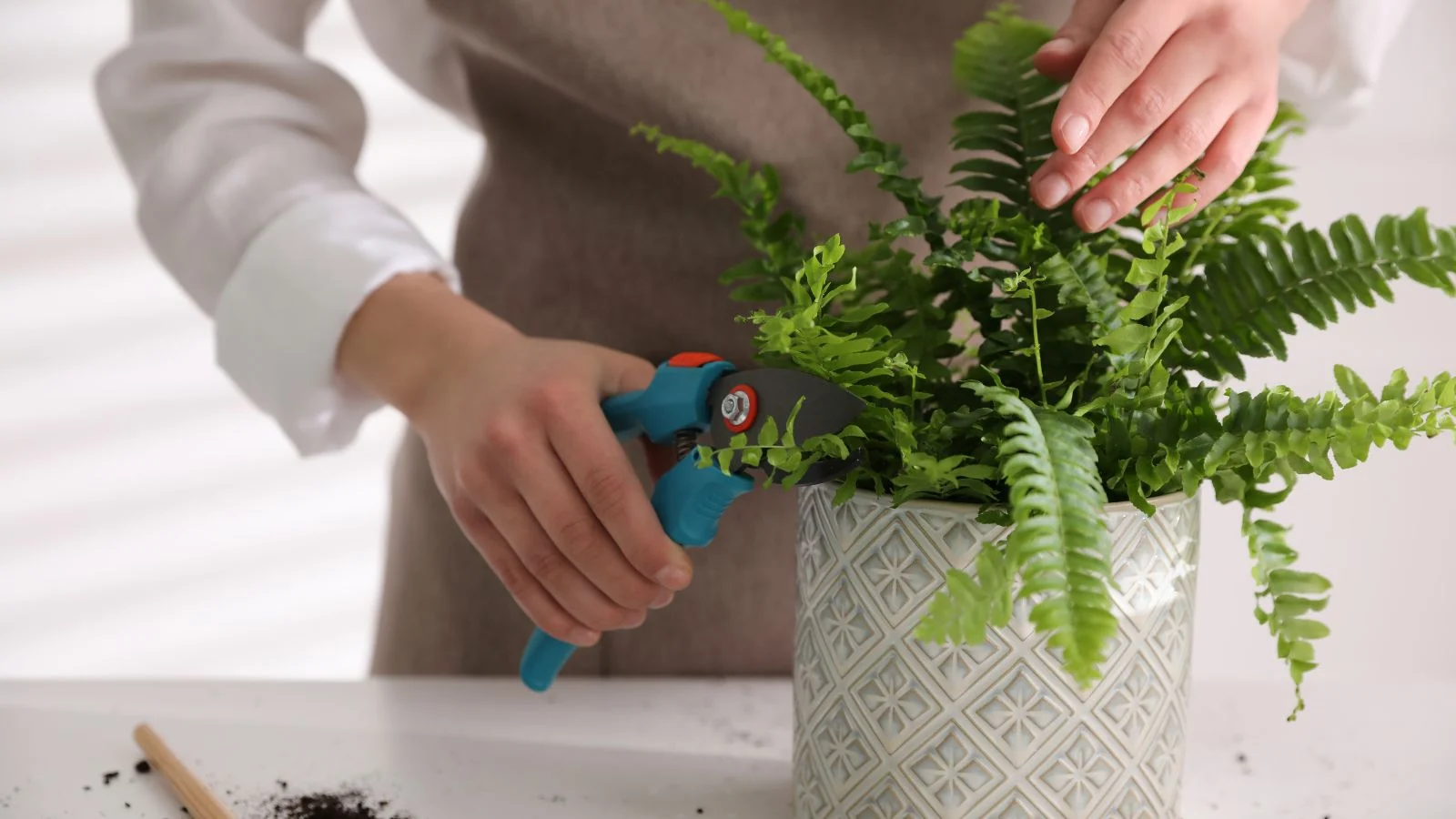 Remove brown fronds to keep the plant looking tidy.
Boston ferns naturally shed older fronds as part of normal growth, but winter stress accelerates this process. You’ll probably end up with more brown, dying foliage than you’d see during active growing seasons, and removing it helps the plant direct energy toward healthy tissue.
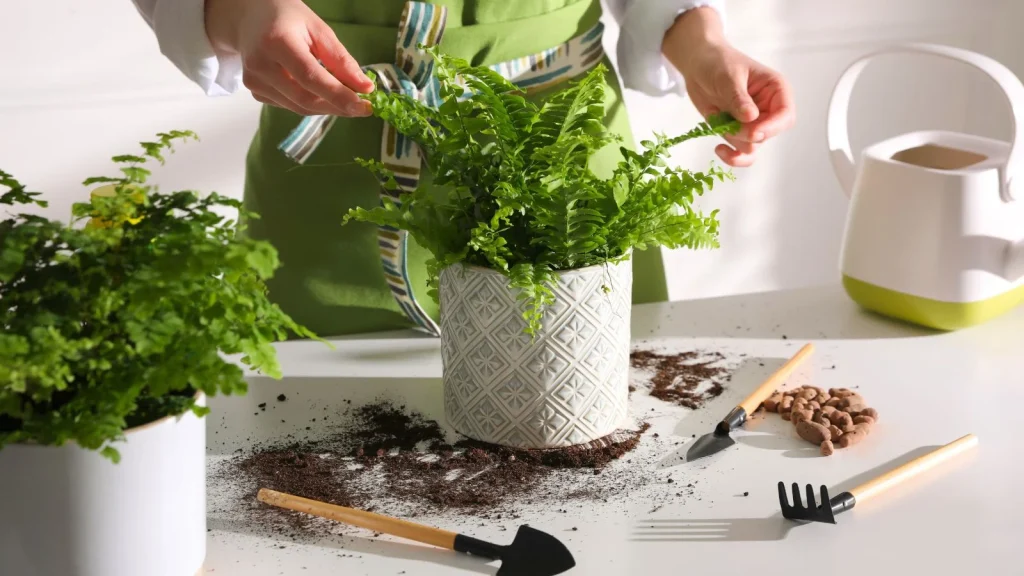
Use clean scissors or pruning shears to cut away fronds that have turned completely brown. Cut at the base where the frond emerges. Dead foliage doesn’t contribute anything to the plant and just creates hiding spots for pests while making the whole plant look worse than it actually is.
Fronds that are only partially brown are more of a judgment call. You can leave them alone if the damage is minor and limited to tips, or trim them if the browning is extensive and unsightly. Light trimming of damaged tips won’t harm the plant and improves appearance, though the frond won’t continue growing once you’ve cut it.
After major trimming that leaves your fern looking sparse, don’t worry too much about appearance. As long as you’ve fixed whatever was causing the damage, new growth will emerge once conditions improve.
Check for Pests
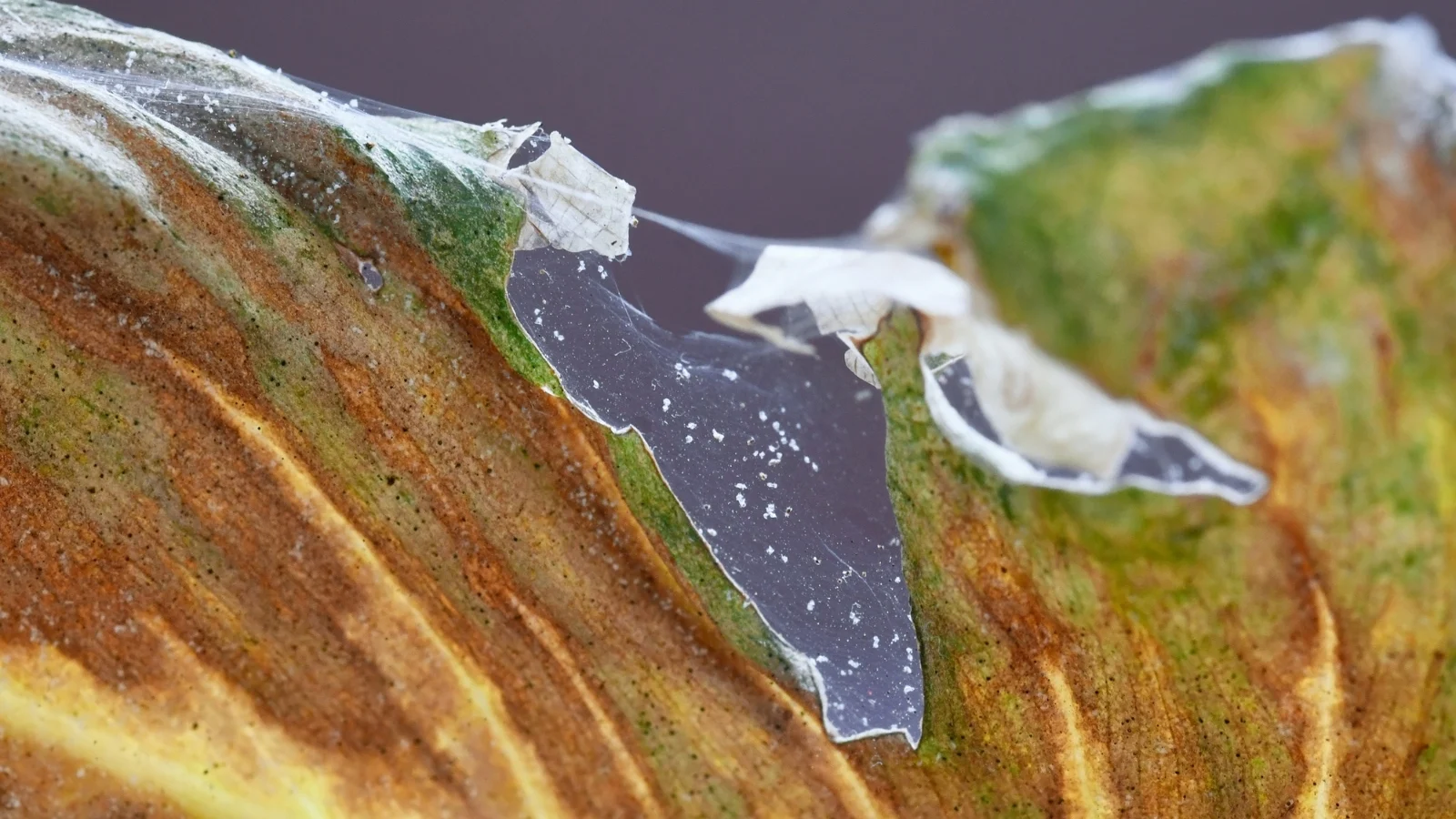 Pests thrive in indoor winter conditions.
Winter’s dry indoor conditions stress Boston ferns and also create ideal environments for certain pests. Spider mites in particular thrive in warm, dry air and frequently infest ferns during winter months when they’re already struggling with other challenges.
Inspect your fern regularly for signs of pest activity. Spider mites are tiny and hard to see directly, but they leave telltale fine webbing on fronds and cause stippled yellowing as they feed.
If you catch pests early, treatment is straightforward. For spider mites, regular spraying with water dislodges them. Take your fern to the shower every few days and spray thoroughly, especially under fronds where mites congregate. This mechanical removal often solves the problem without any other intervention.
For more serious infestations, insecticidal soap or neem oil works well. Repeat applications as directed to break pest life cycles, usually every seven days for a few weeks.