
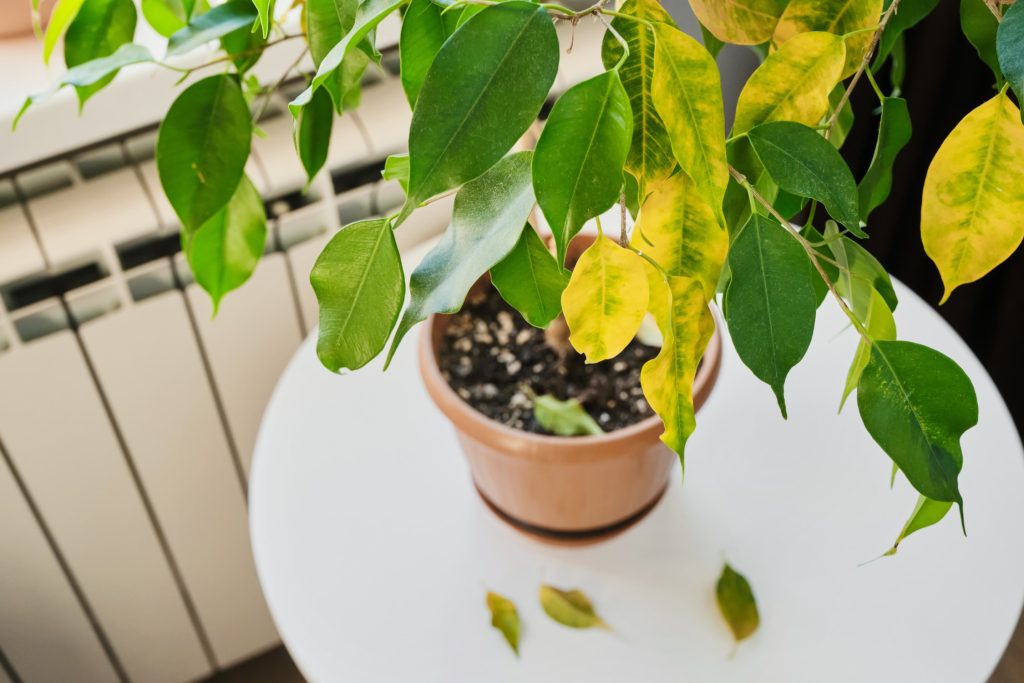
Plants are lacking. A brief context to set expectations.
Plants are lacking: Quick notes
Healthy plants depend on sunlight and water, but they also need small amounts of specific nutrients to function properly. When those nutrients are missing, plants can show visible stress before growth slows completely. Learning to recognize the common signs your plants are lacking micronutrients makes it easier to correct problems early and keep both garden plants and houseplants thriving.
Iron Deficiency and Yellowing Leaves
One of the most noticeable micronutrient issues is iron deficiency, which shows up as yellow leaves with green veins. This usually appears first on new growth, especially in garden beds with high soil pH. In container plants, it can happen when nutrients are present but not available to the roots.
Iron-related yellowing is commonly linked to chlorosis, a condition many gardeners encounter at some point. If you know a few things about chlorosis in plants, then you can more easily diagnose leaf discoloration. Adjusting soil pH or using an iron supplement brings noticeable improvement within a few weeks.
Magnesium Deficiency and Leaf Pattern Changes
Magnesium deficiency tends to affect older leaves before new ones. You may notice yellowing between veins while the edges of the leaf remain green. Then leaves will curl upward or drop early.
This issue is common in both outdoor gardens and houseplants that receive frequent watering. Magnesium can leach from soil or potting mix, especially in warm climates. Adding Epsom salt or a balanced fertilizer can help restore a healthier leaf color.
Zinc Deficiency and Stunted Growth
Zinc helps with leaf development and overall plant structure. When it is lacking, plants may grow slowly, produce smaller-than-normal leaves, and new growth can look distorted or bunched together.
This problem is more common in sandy soils or heavily amended garden beds. Potted plants can show zinc deficiency, but typically from inconsistent fertilizer routines. A micronutrient blend applied according to label directions, and a little time usually corrects the issue.
Manganese Deficiency and Speckled Leaves
Manganese deficiency causes speckled yellowing on young leaves. The pattern can resemble iron deficiency, but the spots are usually more scattered. Gardeners sometimes confuse the two because the symptoms appear similar at first glance.
Soil conditions determine how well a plant absorbs manganese. Poor drainage or overly alkaline soil can block uptake. Improving soil structure and using a complete fertilizer can help plants recover.
Helping Your Plants Grow Strong Again
Understanding common signs your plants are lacking micronutrients allows you to respond with simple, targeted fixes instead of guesswork. By paying attention to leaf color, growth patterns, and overall plant behavior, gardeners can build healthier gardens and enjoy more consistent results season after season.













Quick thought — This feels very authentic — great post. Great share.
On a similar note: Beautifully done; the instructions are easy to follow. Saving it 💡
✨ Quick thought — I appreciate the point about “Common Signs Your Plants Are Lacking Mic” — very helpful. Love this!
PS: lovely take on “Common Signs Your Plants Are Lacking Mic” — I’ll try that soon. Thanks for this!
PS: lovely take on “Common Signs Your Plants Are Lacking Mic” — I’ll try that soon. Thanks for this!
PS: lovely take on “Common Signs Your Plants Are Lacking Mic” — I’ll try that soon. Thanks for this!