Guide for spring — a quick note to anchor this piece for readers.
Guide for spring: Quick notes
There’s never a bad time to start composting. Spring, however, happens to be the best time to get going on a composting project. The temperatures aren’t blazing hot (and heat makes initiating any project difficult). They’re also not frigid, which can slow down the composting process. The mild conditions the season brings are perfect for a beginning.
Compost has so many benefits. It helps you cut down on waste, as your plant debris and kitchen scraps find new life in the pile. It’s an excellent soil amendment, improving nutrient and water retention, and soil texture. It’s also a great resource for gardeners who want to build a garden from the ground up, as compost is an excellent foundation for a good soil mix.
You may have seen well-established bay compost systems and large piles at local farms and nurseries. While these are great to have, they are not the end-all be-all of composting. There are so many different ways to compost at home. So don’t feel like you have to go all out, and know that you can always adapt your system in the future.
Step 1: Determine Your Composting Type
Different compost types require different maintenance.
Before you get into the initial planning stages, decide what type of composting you want to do. The first consideration: do you want a hot pile that makes compost quickly, or do you prefer a slower cold pile? Both will work, but cold piles take more time to turn into the humusy goodness you need to use in your garden.
Then decide if you want to do a pile, or if you would like to contain your compost. Piles can be as simple as a pile on the ground, or as complex as a bay system. Containers include compost tumblers, aerated trash cans, or cages. You could also try composting in place in a keyhole garden or in raised beds. You can even make pre-compost on your countertop.
Vermicomposting is also an option, and this can be done indoors or outdoors in mild climates. Knowing which of these you want to do is the foundation of the system you set up in your garden. Below is a list of some of the types of compost systems you can use. Start here, and you’ll no doubt know where to go.
- Pile
- Bay system
- Plastic or metal trash can
- Keyhole Garden
- Compost in place in raised beds
- Compost tumbler
- Countertop Compost
- Vermicompost
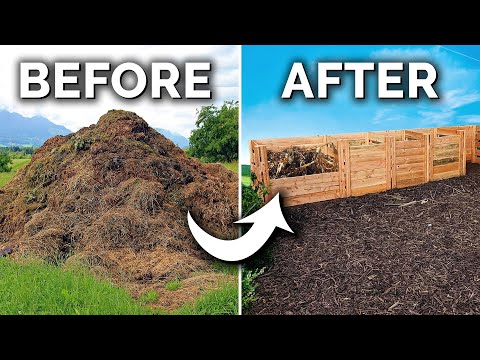
Step 2: Select a Site
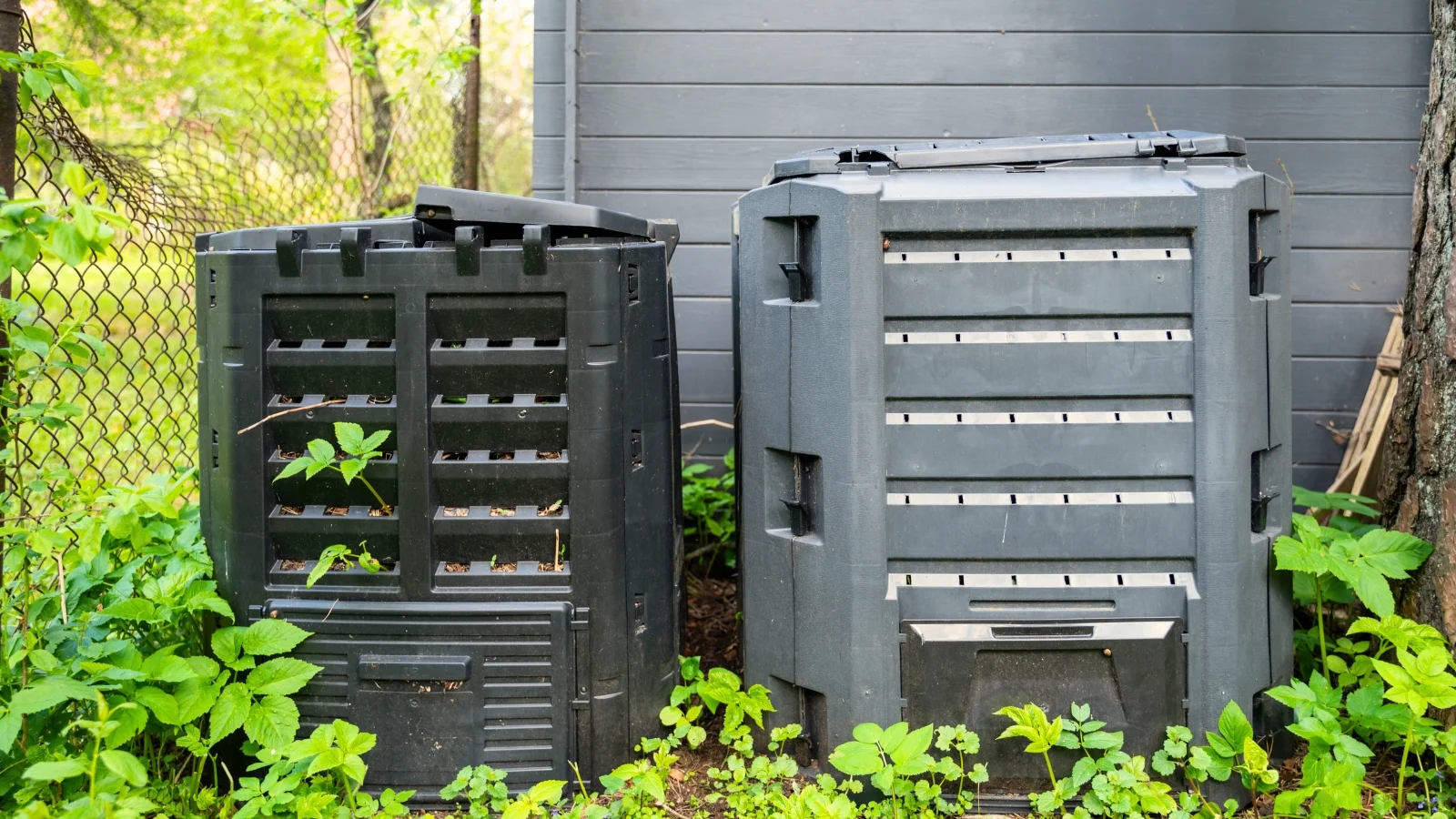 Make sure the location is level.
If you’re composting on your countertop or vermicomposting indoors, this should be an easy step. If you’re composting outdoors, select a site that isn’t in full sun, somewhere away from your raised beds or in-ground garden, if possible. The site should be level and well-draining. Some shelter and shade will keep your pile away from harsh elements that can be too intense for the microbiome you’re building.
When it comes to tumblers, bins, and cages, the same goes. This is the most important task to complete before you start composting. Spring happens to be an excellent time to choose a spot, as the sun is generally at or near the equinox, and the rains keep the pile moist through its initial stages.
Step 3: Set It Up
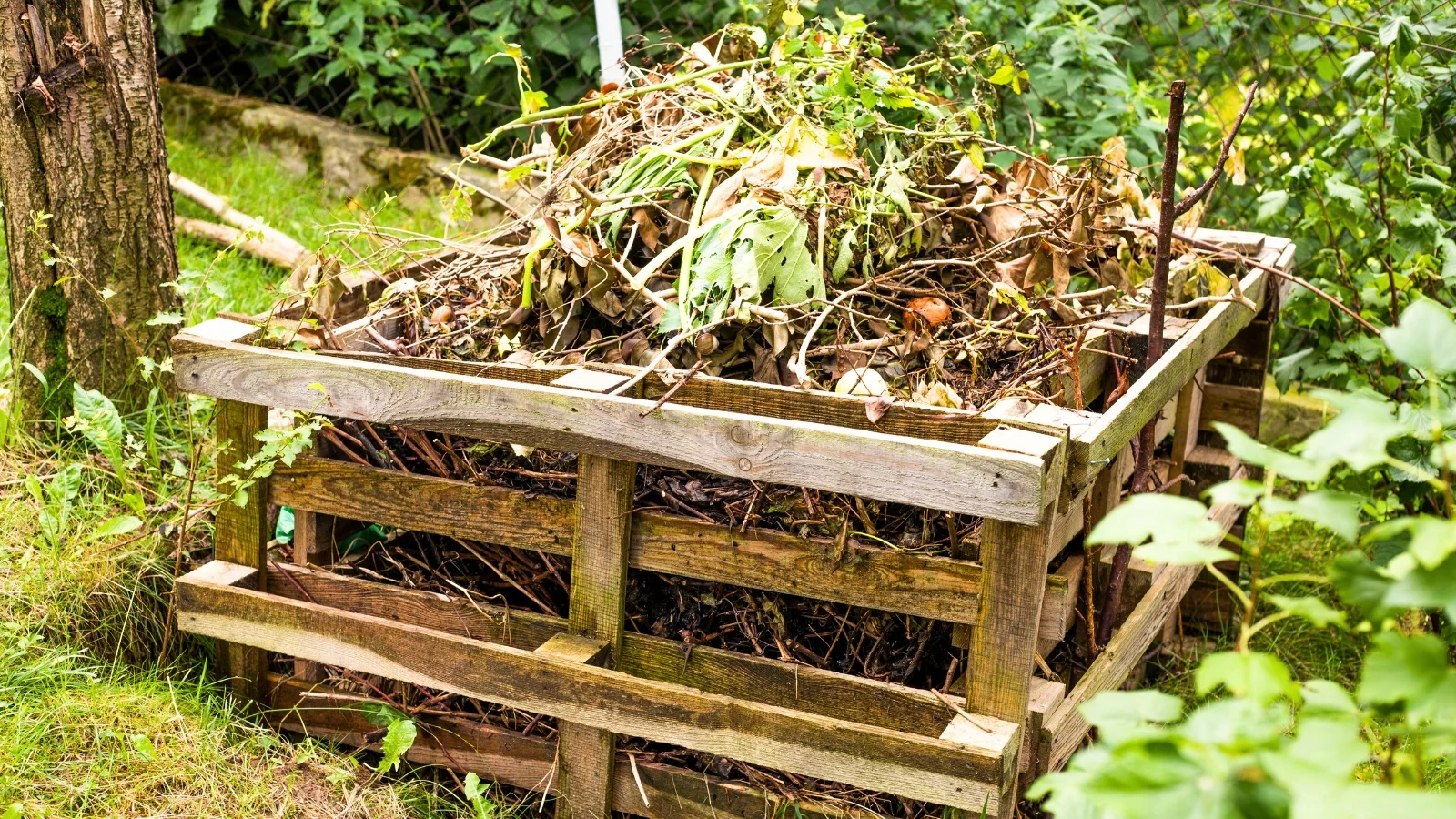 Keep your pile balanced with a range of materials.
If you’re growing in a pile, even if it’s contained in a bay, ensure the spot you choose is free of weeds. Scratch them out with a garden hoe, or sod cut them with a manual sod cutter. These will grow through the pile in the early stages, so you want to limit them as much as possible. Contact with the ground is what gives the local microorganisms, worms, and insects access.
Install pallet bays. For cages and bins, ensure they’re braced so they have enough structure to contain large amounts of compost. Set up your keyhole garden, or raised beds, if you’re composting in place. For contained compost, this is a simple step. Just place yours where you want it. If you’re doing a DIY container, ensure it’s aerated enough. You may need an inner pipe with holes for the best airflow, along with holes at the bottom of the bin.
One very important step is including a place for your carbon material, or your browns. In a bay, you can create a space specifically for that. In bins, have a pile or a second bin nearby. Whatever you do, it’s nice to have a store of browns to balance out the greens.
Step 4: Gather Greens and Browns
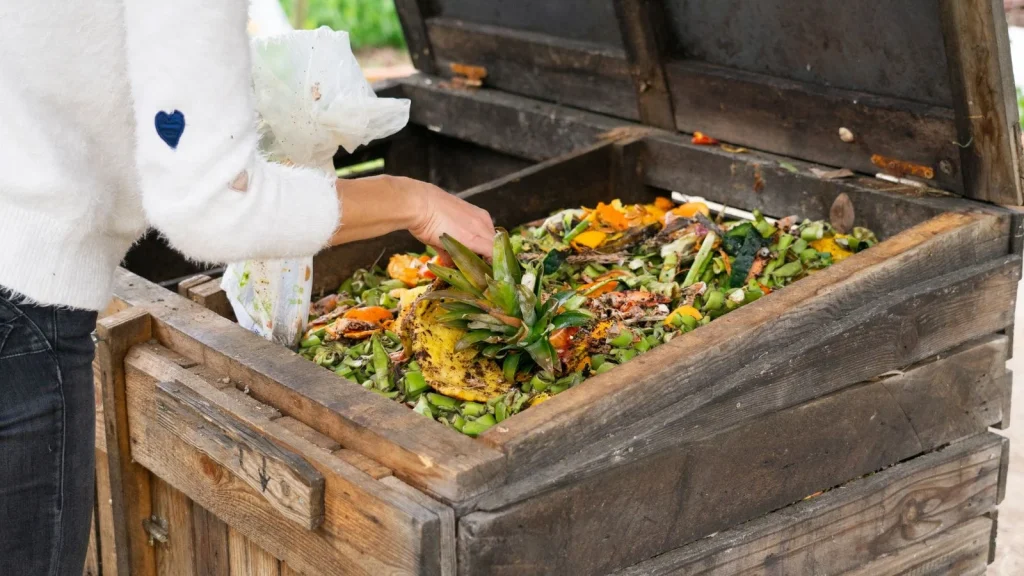
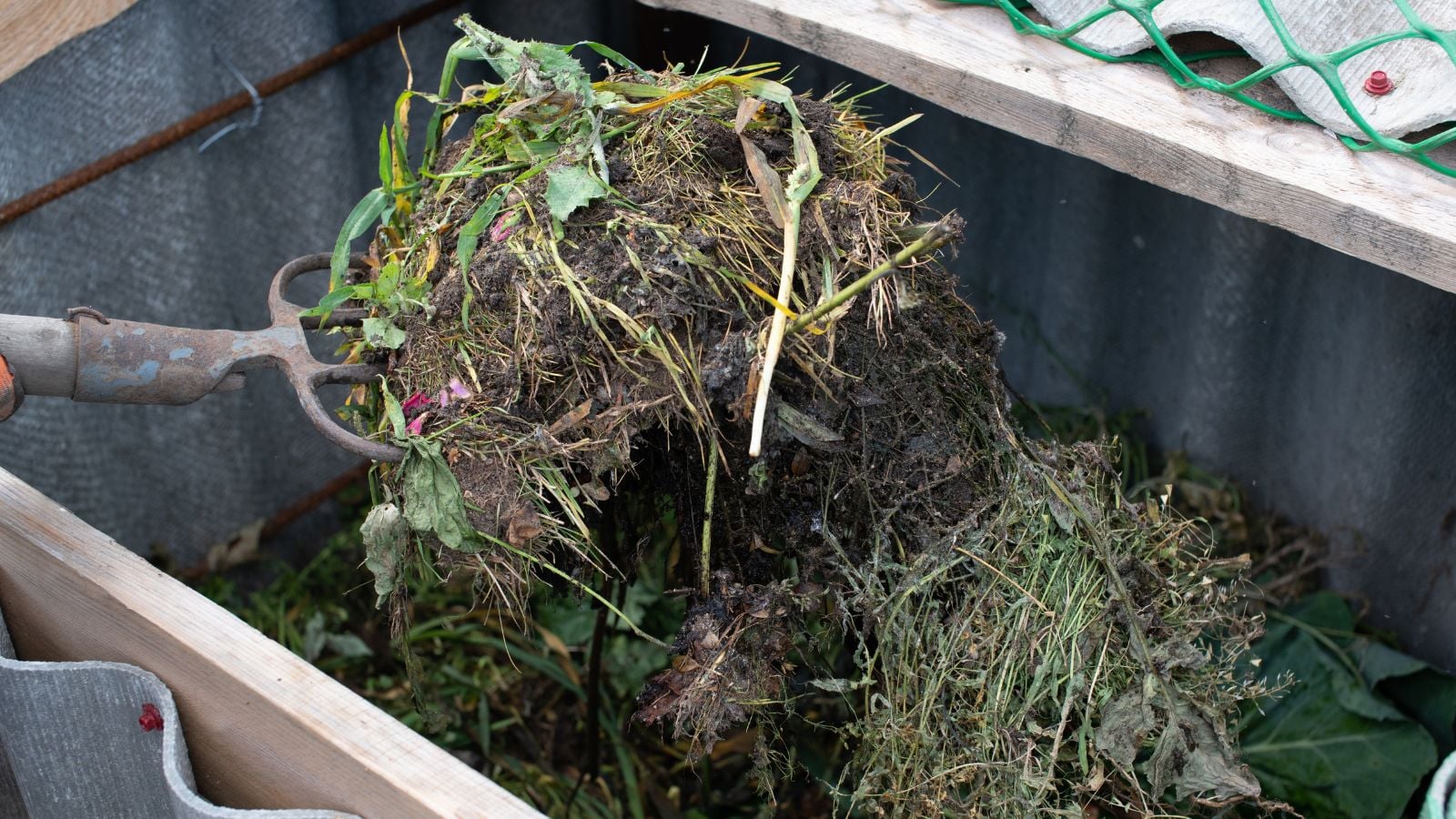 Balance your scraps to keep your compost pile efficient.
Every compost pile needs a 3:1 ratio of browns to greens. This is a great baseline for how to balance your pile. Start gathering kitchen scraps, and as you put them in your pile or container, add three times the amount of carbon.
These carbon bits could be fallen leaves, shredded bark, organic wood chip mulch, seed-free garden straw, twigs and branches cut down into small pieces, non-toxic cardboard, and even dried prunings from your perennial garden. What you’re doing is balancing the green (the fresh stuff) with the brown (dead stuff that doesn’t contain green).
So you may realize that this time is an excellent one to start composting. Spring prunings and the items from your garden cleanup can all go in your compost. Get all these together, and you’ve taken care of the hardest parts of the process.
Step 5: Pile and Turn
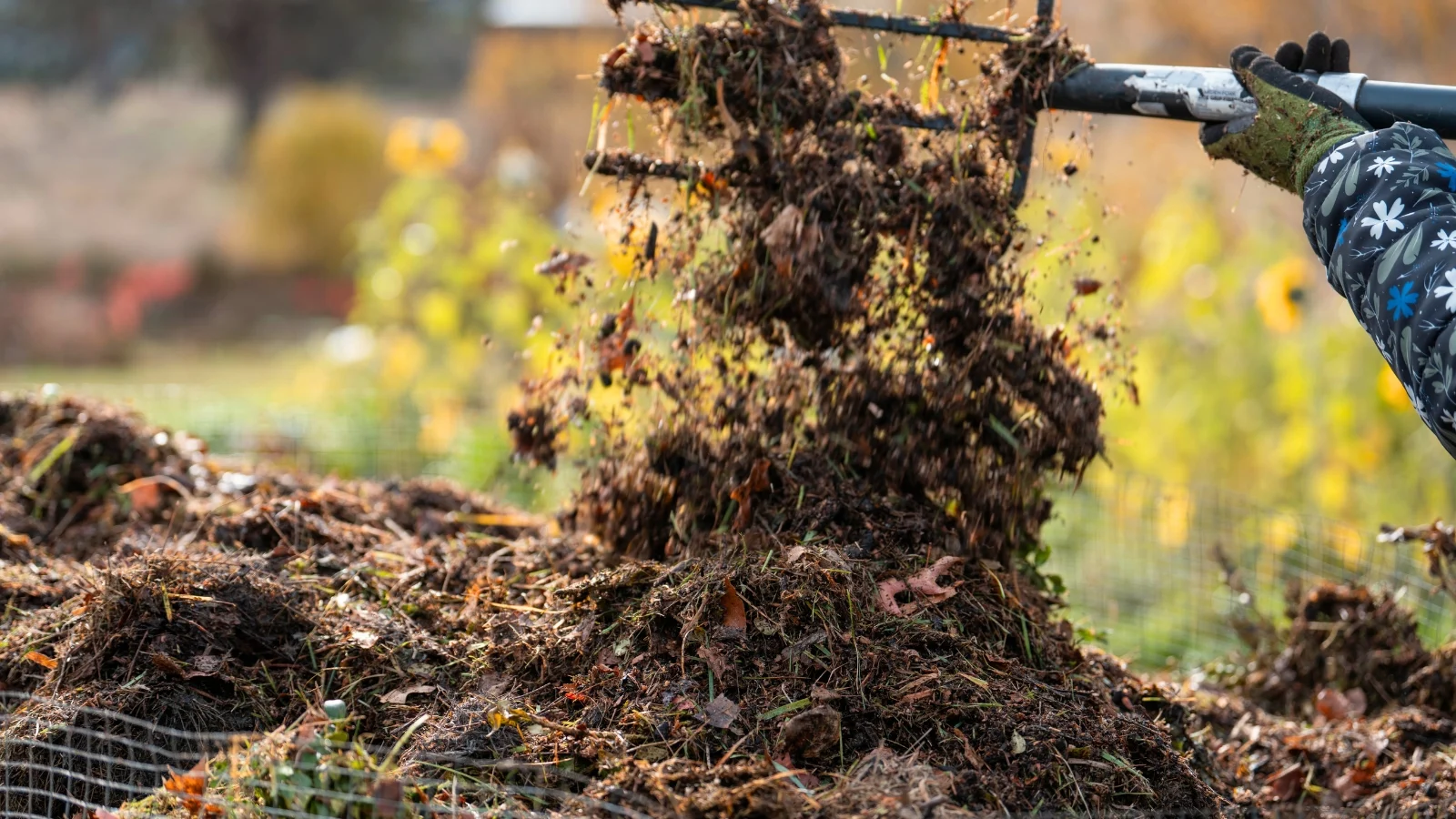 Turn hot compost piles to keep them active.
Now, place your greens in the bin or on the ground. Then pile three times the amount of browns. Keep doing this. Every time you add greens, pile on the browns. Keep a bowl or bucket in your house for all your kitchen scraps, and take them out every day. Then add those dead materials.
Then, using a pitchfork – I find this is the easiest tool to use for turning, but a shovel works – dig underneath the pile and flip it over. Then cover with more browns to protect any exposed unfinished compost. You won’t need to do this for vermicompost systems. Just keep feeding your worms.
For cold compost piles, you do not have to turn as much. Maybe a few times a season. The goal with cold composting is to simply maintain the balance. Eventually, you’ll get to a finished compost stage where harvesting is possible. For hot compost, turn every few days. This keeps the aerobic process going and eliminates any potential weed seeds or diseases that infiltrate the pile without your knowledge.
Step 6: Address Issues
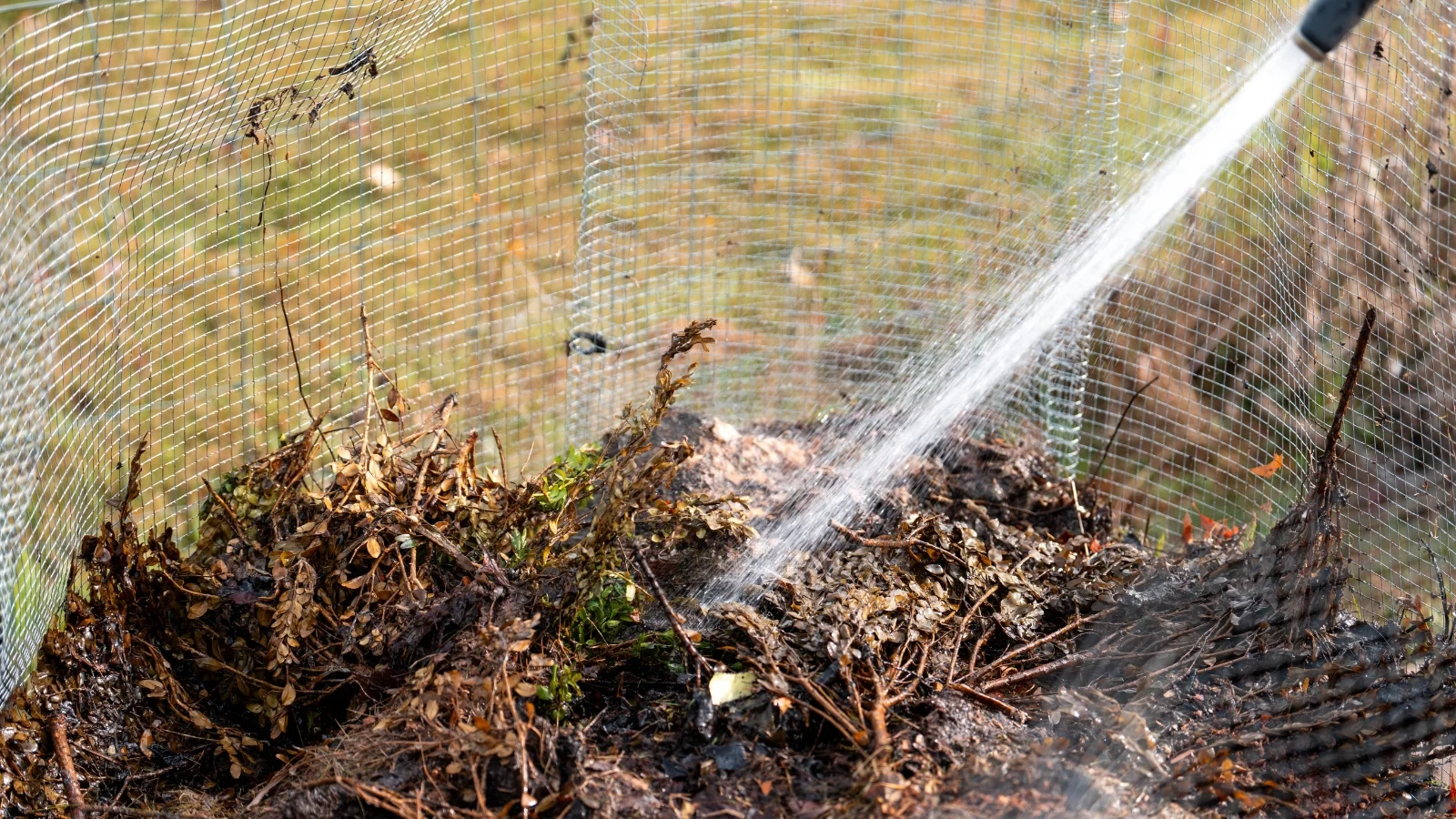 Some trial and error will resolve most issues.
When you’re composting, imbalances can arise. If there are too many greens and not enough browns, you’ll have a smelly, slimy pile. On the flip side, a dead pile is the result of too many browns and not enough moisture. If these situations arise, simply rebalance by adding the missing element.
Add more carbon if the pile smells. Add more kitchen scraps and fresh clippings if the pile is dead. If it’s too dry, water the pile. Remember to water through dry seasons, ensuring the center of the pile is moist but not dripping wet. If you have little critters nibbling the pile, find a way to keep them out via covers and containers.
A pile you’re cold composting could appear dead, but it’s just moving more slowly. Just keep piling to maintain the balance, and keep it moist.
Step 7: Keep It Up
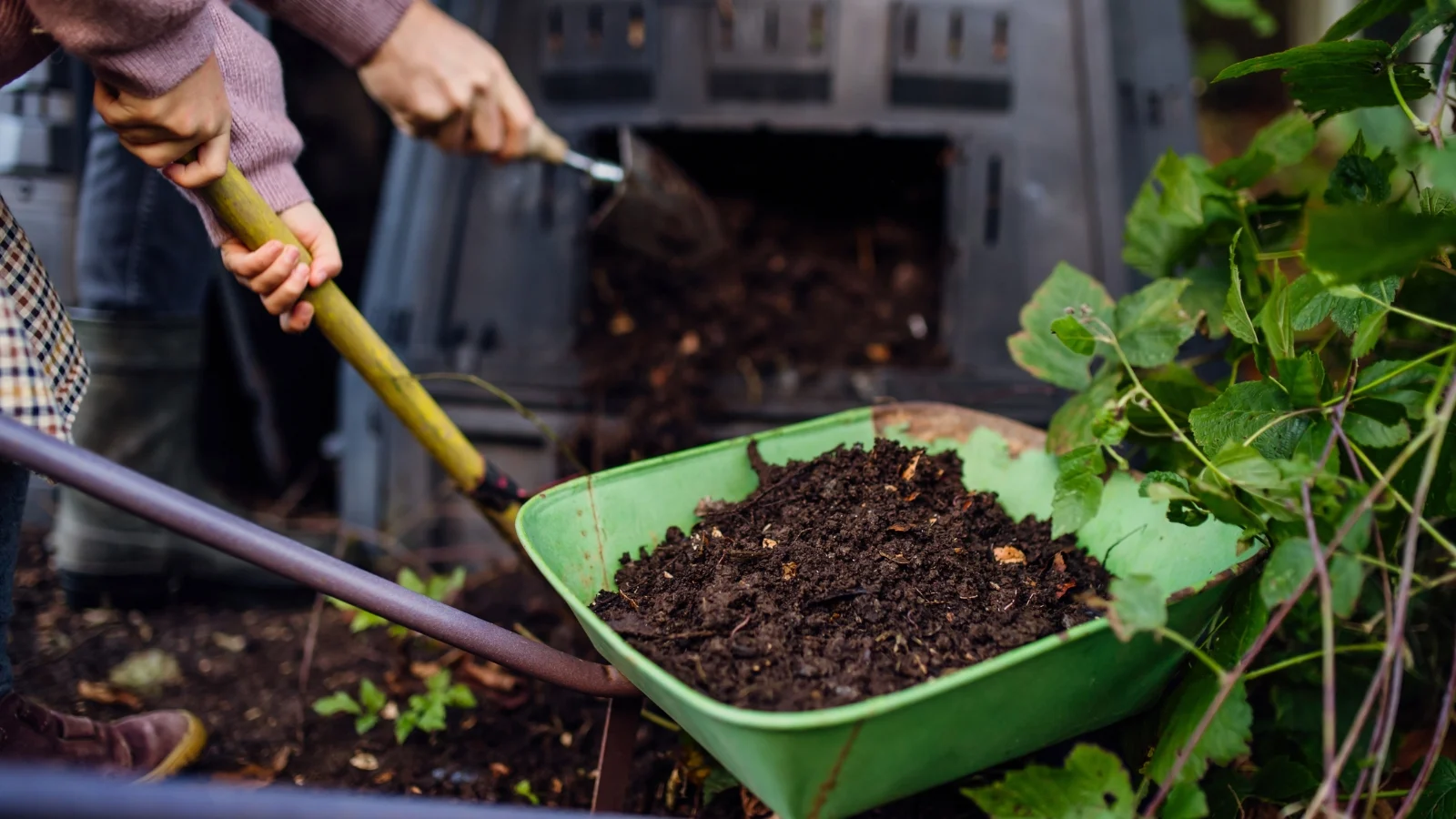 Replenish the pile often to keep it going.
In winter, it’s nice (but not necessary) to cover piles with a tarp to trap in heat and protect them from harsh winter weather. Hot compost piles are usually ready to harvest in a few months. Cold compost is ready in six months to a year. When you harvest, sieve the compost to remove any materials that are still breaking down, and return them. Then pile on a little brown material.
You’ll find that as the seasons go on, you’ve included one of the best soil-building resources in your garden. This is the perfect side dressing for your perennials, and one of the best elements in a good seed starting mix. It’s also perfect for potting mixes and refreshing old potting soil. Keep going with your pile, and you won’t regret the effort it took to get to that rich humus.
We reference Guide for spring briefly to keep the thread coherent.